Historical Baltimore Self-Driving Audio Tour: What to Expect Before You Book combines self-paced sightseeing with useful background information and flexible stopping time. Check current availability, inclusions and booking details before you go.
Historical Baltimore Self-Driving Audio Tour: What to Expect Before You Book combines self-paced sightseeing with useful background information and flexible stopping time.
Historical Baltimore Self-Driving Audio Tour: What to Expect Before You Book: experience overview
This historical Baltimore self-driving audio tour is a strong choice for independent travelers who want a low-cost, flexible way to understand the city without joining a group. It works best for people who already have a car and want Baltimore’s harbor history, literary stops, maritime story and civic landmarks connected into one manageable route.
This makes the experience a useful option when planning time in Baltimore. The exact duration can depend on the selected date, option or operating schedule. Routes, start times, inclusions and meeting arrangements may vary, so the current booking page should be treated as the final source of operational information.
At a glance
Experience type: Self-guided or digital exploration
Destination: Baltimore
Duration: Confirm the selected option
Booking format: Advance online reservation is recommended
Supplier listing: Musement
Why consider this experience?
The self-guided format is useful for travellers who want to pause for photographs, take breaks or spend longer at selected points. It can also fit around other bookings, provided the required app or content is prepared beforehand.
It will fit most comfortably into an itinerary when enough time is allowed for travel to the starting point, check-in and any preparation required. Avoid placing another fixed booking immediately afterwards unless the finish time and return arrangements are clear.
Practical planning tips
Charge your phone.
Bring headphones where audio is used.
Download content before leaving reliable Wi-Fi.
Carry a portable battery.
Who is it best suited to?
This experience is likely to appeal to independent travellers, photographers, families where suitable and solo visitors. Suitability still depends on the provider’s age rules, mobility requirements, language options and health or safety restrictions.
Frequently asked questions
What does Historical Baltimore Self-Driving Audio Tour: What to Expect Before You Book involve?
This historical Baltimore self-driving audio tour is a strong choice for independent travelers who want a low-cost, flexible way to understand the city without joining a group. It works best for people who already have a car and want Baltimore’s harbor history, literary stops, maritime story and civic landmarks connected into one manageable route. The detailed sequence can differ by selected option, so review the current itinerary and inclusions before confirming.
How long should I allow?
The exact duration can depend on the selected date, option or operating schedule. Also allow time for reaching the meeting point, checking in and continuing to your next destination.
What is included?
Only the items shown in the current supplier listing should be considered included. Check entrances, transport, equipment, meals, drinks, guide services and hotel pickup individually rather than assuming they form part of the base price.
What should I bring?
Bring a charged smartphone, headphones where required, downloaded content and a portable battery. The confirmation voucher may contain additional operator-specific instructions.
Can plans change?
Outdoor, water-based and transport-dependent activities can be affected by weather, local restrictions or operational changes. Review the cancellation terms and monitor messages from the provider before departure.
Is advance booking worthwhile?
Advance booking is sensible when travel dates are fixed, particularly in busy periods or where capacity is limited. Compare the available times and options carefully before payment.
Check current details before booking
Prices, availability, meeting points, languages, accessibility and cancellation conditions can change. Use the booking page to confirm the details that apply to your chosen date.
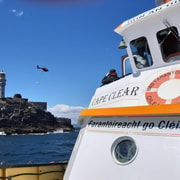
From Baltimore: Boat Tour to Fastnet Rock Lighthouse Best deals for From Baltimore: Boat Tour to Fastnet Rock Lighthouse. Cruise directly to Fastnet Rock from Baltimore. See Cape Clear Island, spot wildlife, and enjoy epic views. No stops, just history, scenery, and adventure on the Atlantic. Available from getyourguide.com.
Baltimore, County Cork: Whale & Dolphin Watching Boat Trip Best deals for Baltimore, County Cork: Whale & Dolphin Watching Boat Trip. Watch dolphins, seals, and whales on this boat trip along the Wild Atlantic Way, perfect for nature and wildlife fans. Have a good chance of seeing these wild animals in their natural habitat. Available from getyourguide.com.
Baltimore's Self-Guided Whiskey Tasting Pass United States Baltimore's self-guided whiskey tasting pass explores the destination through flavour, regional customs and the stories connected with food or drink. Check current availability, inclusions and booking details before you go.