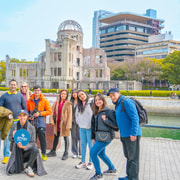
Discover three of western Japan’s most remarkable historic and cultural destinations on a private guided day tour from Osaka or Kyoto to Himeji Castle, Hiroshima and Miyajima Island.
This memorable journey combines magnificent Japanese castle architecture, Hiroshima’s moving history and the spectacular coastal scenery of the famous floating torii gate at Itsukushima Shrine.
Travelling in a comfortable private vehicle with an English-speaking guide, visitors can explore some of Japan’s most significant UNESCO World Heritage landmarks while enjoying the convenience of hotel pickup and drop-off.
Begin with the beautiful white walls and fascinating samurai history of Himeji Castle before continuing to Hiroshima, a city internationally recognised for its commitment to peace and remembrance.
On Miyajima, admire the famous floating torii gate, discover the historic Itsukushima Shrine, explore traditional shopping streets and enjoy spectacular views across the Seto Inland Sea.
With a flexible private itinerary, the experience can be tailored to the interests and priorities of your group.
Hiroshima, Miyajima and Himeji Castle Private Tour Overview
This private guided excursion explores several of western Japan’s most important historic attractions in a single day.
The experience is operated by Fuji Blooms Experiences and offers a customisable itinerary with private transportation from Osaka or Kyoto.
Departure cities: Osaka or Kyoto, Japan
Tour duration: One full day
Tour type: Private guided sightseeing excursion
Operator: Fuji Blooms Experiences
Guide: English-speaking local guide
Transportation: Private air-conditioned vehicle
Pickup: Hotel collection in Osaka or Kyoto
Return: Hotel drop-off in Osaka or Kyoto
Main attractions: Himeji Castle, Hiroshima Peace Memorial Park, Atomic Bomb Dome and Miyajima Island
Additional attraction: Hiroshima Peace Memorial Museum, subject to available time and admission arrangements
Itinerary: Customisable according to group interests and available time
Because the excursion covers considerable distances, the time spent at individual attractions may vary. Discuss your sightseeing priorities with the operator before departure.
Suggested Full-Day Hiroshima, Miyajima and Himeji Castle Itinerary
The tour begins with hotel pickup in Osaka or Kyoto before travelling west towards Himeji.
After exploring the castle, the journey continues to Hiroshima and Miyajima, followed by the return drive to your accommodation.
Stop 1: Himeji Castle
Discover one of Japan’s most beautiful surviving feudal castles, renowned for its white exterior and magnificent traditional architecture.
Stop 2: Hiroshima Peace Memorial Park
Visit Hiroshima’s important memorial landscape and learn about the atomic bombing of 6 August 1945.
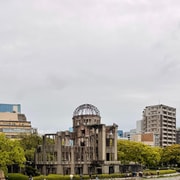
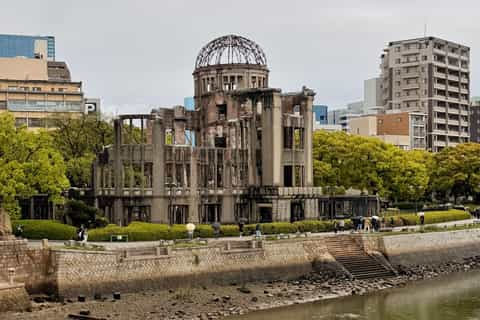
Stop 3: Atomic Bomb Dome
See the preserved remains of the former Hiroshima Prefectural Industrial Promotion Hall, now a UNESCO World Heritage landmark.
Optional: Hiroshima Peace Memorial Museum
Depending on your interests and the day’s available time, arrange a visit to the museum to learn more about the human consequences of the bombing.
Stop 4: Miyajima Island
Travel by ferry to beautiful Miyajima Island, famous for its historic Shinto shrine and extraordinary floating torii gate.
Stop 5: Itsukushima Shrine and Omotesando
Admire the magnificent shrine complex and enjoy time exploring the island’s traditional shopping streets.
Return to Osaka or Kyoto
After sightseeing, travel back to your accommodation by private vehicle.
Important: The itinerary is flexible rather than a guarantee that every attraction can be explored in depth. Confirm the intended stops and time allocation with the tour operator.
Himeji Castle: Discover Japan’s Magnificent White Heron Castle
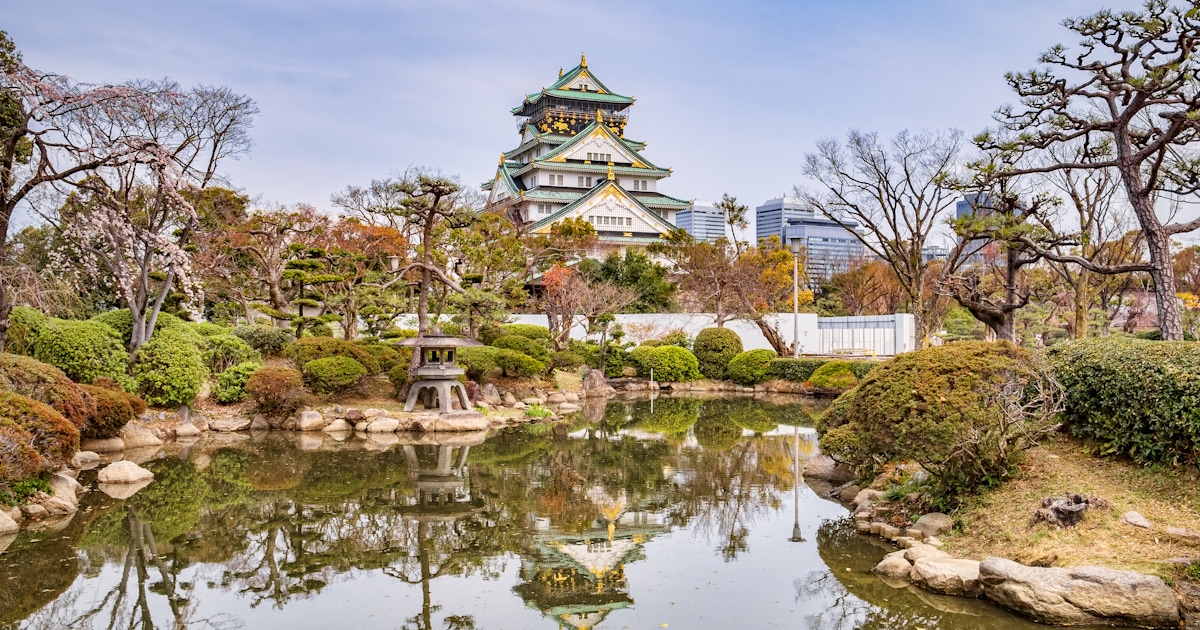
Himeji Castle is one of Japan’s most celebrated historic buildings and is widely regarded as the country’s finest surviving example of traditional Japanese castle architecture.
Located in Hyogo Prefecture, the castle is famous for its elegant white exterior, impressive defensive structures and beautifully preserved wooden interiors.
Its appearance has earned it the nickname White Heron Castle, reflecting the graceful appearance of the white buildings against the sky.
A UNESCO World Heritage Treasure
Himeji Castle was designated a UNESCO World Heritage Site in 1993.
Unlike many Japanese castles that have been reconstructed in modern materials, Himeji retains extensive original historic structures.
This makes it especially important for understanding Japanese architecture and feudal history.
What Makes Himeji Castle Special?
Magnificent white castle towers
Traditional wooden interiors
Complex defensive walls and gates
Historic stone foundations
Beautiful gardens and grounds
Panoramic views across Himeji
Important samurai-era history
Explore the Castle Grounds
The castle grounds contain impressive stone walls, defensive corridors and historic gates.
The design reflects the military priorities of Japan’s feudal period, when castles served as administrative centres and fortified residences.
The castle is particularly beautiful during cherry blossom season, when flowering trees create magnificent views around the historic buildings.
Can You Visit Inside Himeji Castle?
The operator describes the opportunity to explore the castle grounds and its historic structures.
Interior entry is subject to ticket availability, operating hours and the time allocated to the visit.
Travellers wishing to enter the main keep should confirm admission arrangements before booking, as the building contains steep stairs and requires additional sightseeing time.
Discover Japan’s Samurai and Feudal Castle History
Himeji Castle provides a fascinating introduction to Japan’s feudal period and the powerful military families that shaped the country’s history.
Japanese castles were much more than defensive buildings.
They were centres of government, symbols of political authority and important locations for military administration.
The Role of Japanese Castles
During the late 16th and early 17th centuries, powerful regional leaders built and expanded castles to strengthen their control over surrounding territories.
These structures often included layered defences, strategically positioned gates and imposing central towers.
Himeji’s Remarkable Architecture
The castle’s design demonstrates sophisticated Japanese building techniques, including timber framing, tiled roofs and carefully engineered defensive routes.
Visitors interested in Japanese history, architecture or photography will find Himeji Castle one of the highlights of the day.
Hiroshima: A City of History, Recovery and Peace
The next major destination is Hiroshima, an important city in western Japan with a powerful modern history.
On 6 August 1945, Hiroshima became the first city subjected to an atomic bombing during wartime.
The attack caused devastating destruction, loss of life and long-term suffering for survivors.
Today, Hiroshima is a modern, thriving city whose memorials and museums encourage visitors to reflect on the humanitarian consequences of nuclear warfare.
Why Visit Hiroshima?
Hiroshima’s historic attractions offer opportunities to learn about the Second World War, the experiences of local residents and the city’s commitment to peace.
Important landmarks include:
Hiroshima Peace Memorial Park
Atomic Bomb Dome
Hiroshima Peace Memorial Museum
Children’s Peace Monument
Memorial Cenotaph
Flame of Peace
Travelling with a local English-speaking guide provides historical context and an opportunity to understand the importance of these sites.
Atomic Bomb Dome: A UNESCO World Heritage Landmark
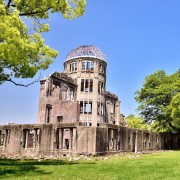
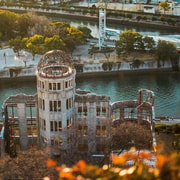
The Atomic Bomb Dome is one of Hiroshima’s most recognisable historical structures.
Originally completed in 1915, the building was used as an exhibition and administrative facility before the atomic bombing.
Although much of the surrounding city was destroyed, portions of the building’s walls and its distinctive steel dome remained standing.
Why Is the Atomic Bomb Dome Important?
The preserved ruins serve as a powerful reminder of the destruction caused by nuclear weapons.
The site was inscribed on the UNESCO World Heritage List in 1996.
Today, it stands as an internationally recognised symbol of remembrance and peace.
What Can Visitors See?
Visitors can view the preserved building from public walkways and landscaped areas surrounding the site.
The structure is not open for entry, but the exterior provides an important opportunity for reflection.
The guide explains the historical significance of the monument and its connection with Hiroshima’s past.
Hiroshima Peace Memorial Park: A Place of Reflection
Hiroshima Peace Memorial Park is a beautifully landscaped memorial space dedicated to the people affected by the atomic bombing.
The park contains important monuments, memorials and public areas associated with remembrance and education.
Children’s Peace Monument
This memorial honours children who died as a result of the atomic bombing and its aftermath.
It is closely associated with Sadako Sasaki and the tradition of folding paper cranes as symbols of peace.
Memorial Cenotaph
The cenotaph commemorates victims of the atomic bombing and forms a central element of the park’s memorial landscape.
Flame of Peace
The Flame of Peace expresses the hope for a world free from nuclear weapons.
The park provides an opportunity to learn about Hiroshima’s past while considering its message for future generations.
Hiroshima Peace Memorial Museum: Learn About the Events of 1945
The Hiroshima Peace Memorial Museum is one of Japan’s most important historical museums.
Its exhibitions document the atomic bombing and the experiences of people affected by the attack.
The museum contains photographs, personal possessions, historical records and survivor testimonies that illustrate the human consequences of the bombing.
What Can Visitors Learn?
Hiroshima before the atomic bombing
The events of 6 August 1945
The destruction of the city
Experiences of survivors
The long-term consequences of radiation exposure
The reconstruction of Hiroshima
International efforts towards nuclear disarmament
Is the Museum Included in the Private Tour?
The museum is described as an optional attraction in the published itinerary.
Travellers interested in visiting should request it when arranging their tour.
Admission costs may be additional, and a museum visit will require sufficient time in the day’s schedule.
Some displays contain distressing historical imagery and personal accounts.
After exploring Hiroshima, the excursion continues to Miyajima Island, one of Japan’s most beautiful cultural destinations.
Officially named Itsukushima, the island is located in the Seto Inland Sea and is famous for its magnificent Shinto shrine, traditional Japanese streets and beautiful coastal landscapes.
Miyajima has been regarded as a sacred location for centuries.
What Makes Miyajima Special?
Itsukushima Shrine, a UNESCO World Heritage Site
The magnificent floating torii gate
Beautiful mountain and sea scenery
Traditional Japanese shopping streets
Historic temples and shrines
Free-roaming deer
Regional food and souvenirs
The tour includes a scenic ferry journey to the island, providing beautiful views across the surrounding waters.
Itsukushima Shrine: A UNESCO World Heritage Masterpiece
One of Miyajima’s greatest attractions is Itsukushima Shrine, a magnificent Shinto shrine famous for its extraordinary coastal setting.
The shrine features elegant vermilion buildings positioned on pillars above the tidal shoreline.
When the tide rises, parts of the shrine appear to float above the water.
History of Itsukushima Shrine
Itsukushima has been considered sacred for more than a thousand years.
The shrine’s famous architectural layout developed significantly during the 12th century under the patronage of Taira no Kiyomori.
The complex was designated a UNESCO World Heritage Site in 1996.
Highlights of the Shrine
Traditional vermilion Shinto buildings
Elegant covered walkways
Views towards the Great Torii Gate
Historic religious architecture
Beautiful surrounding sea and mountain scenery
The visit provides an opportunity to learn about Japanese religious traditions and the cultural importance of sacred landscapes.
The Famous Floating Torii Gate of Miyajima
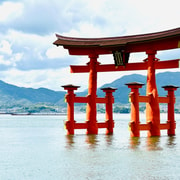
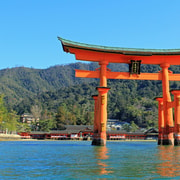
The magnificent Great Torii Gate is one of Japan’s most recognisable landmarks.
Standing in the shallow waters beside Itsukushima Shrine, the enormous vermilion structure marks the symbolic entrance to the sacred shrine.
Why Does the Torii Gate Appear to Float?
At high tide, seawater surrounds the structure, giving it the appearance of floating above the surface.
At low tide, the surrounding seabed becomes exposed and visitors may be able to approach the gate on foot when local conditions permit.
Best Photography Opportunities
The floating torii gate is particularly beautiful against the surrounding mountains and calm waters of the Seto Inland Sea.
High tide creates the classic image of the gate surrounded by water.
Low tide offers a different perspective, revealing the structure’s size and relationship with the shoreline.
The exact appearance of the gate depends on the tide during your visit.
Miyajima Omotesando Shopping Street: Traditional Japanese Food and Souvenirs
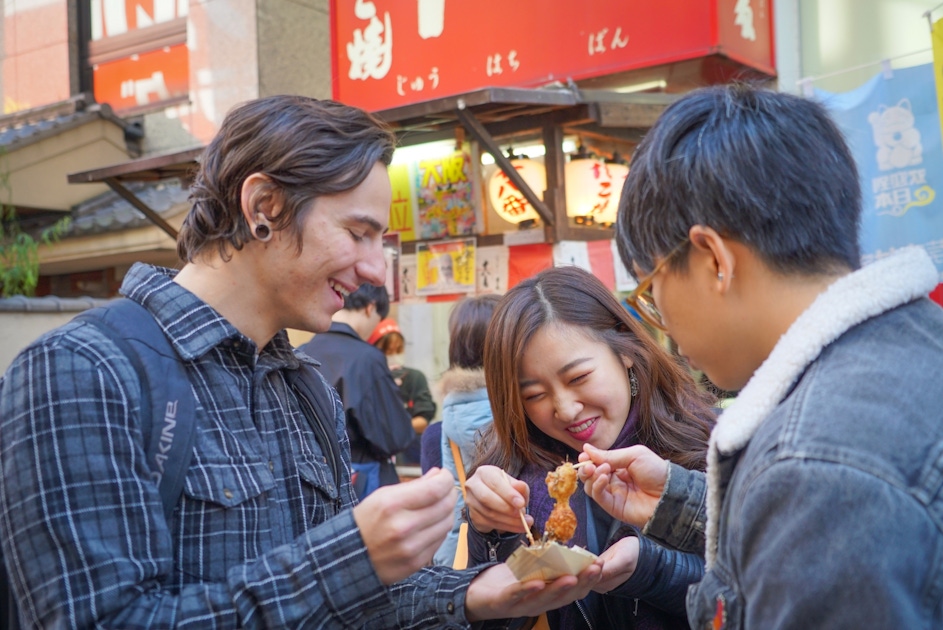
The excursion includes an opportunity to explore Miyajima Omotesando Shopping Street, a lively traditional shopping area near Itsukushima Shrine.
Visitors can browse souvenir shops, discover regional foods and enjoy the atmosphere of one of Japan’s most popular island destinations.
What Can You Discover?
Traditional Japanese confectionery
Handmade souvenirs
Local seafood specialities
Japanese craft products
Small restaurants and cafés
Historic shopfronts
The guide can introduce local traditions and suggest places of interest according to your preferences.
Traditional Food to Try in Hiroshima and Miyajima
Western Japan is known for its distinctive regional cuisine.
The private tour provides opportunities to explore local food, although meal costs should be confirmed with the operator.
Hiroshima-Style Okonomiyaki
Hiroshima is famous for okonomiyaki, a savoury Japanese pancake traditionally prepared in layers with cabbage, noodles, egg and other ingredients.
It is one of the city’s most recognisable local dishes.
Momiji Manju
One of Miyajima’s best-known sweets is momiji manju, a small maple-leaf-shaped cake commonly filled with sweet red bean paste.
Other varieties include custard, chocolate and seasonal fillings.
Hiroshima Oysters
Hiroshima Prefecture is internationally recognised for its oyster production.
Visitors may encounter grilled oysters and other seafood dishes at shops on Miyajima.
Food options and available time for dining depend on the selected private itinerary.
Meet Miyajima’s Famous Free-Roaming Deer
Miyajima Island is also known for its population of free-roaming deer.
These animals can frequently be seen near public walking areas, historic streets and forested locations.
Are the Deer Wild?
Yes. The deer are wild animals, although many are accustomed to people.
Visitors should observe them respectfully and avoid disturbing them.
Can Visitors Feed the Deer?
Feeding the deer is discouraged by local authorities because inappropriate foods can harm the animals.
Keep food, paper and personal belongings secure and follow local guidance.
Why Choose a Private Tour from Osaka or Kyoto?
A private sightseeing excursion offers several advantages for travellers who want to explore western Japan without arranging the journey independently.
Hotel Pickup and Drop-Off
The tour includes arranged hotel collection in Osaka or Kyoto, eliminating the need to organise your own departure transport.
Private Air-Conditioned Transportation
Travelling by private vehicle allows your group to remain together and enjoy the scenery along the journey.
Flexible Sightseeing
The operator advertises a customisable itinerary, allowing travellers to identify attractions that interest them most.
English-Speaking Guide
An English-speaking local guide provides commentary about Japanese history, cultural traditions and important landmarks.
Three UNESCO World Heritage Highlights
The proposed route includes Himeji Castle, Hiroshima’s Atomic Bomb Dome and Itsukushima Shrine on Miyajima.
Convenient for Small Groups
The private format can suit couples, families and groups who prefer not to travel with a large sightseeing party.
Practical Information for Your Hiroshima, Miyajima and Himeji Private Tour
Where Does the Tour Start?
The tour offers hotel pickup from accommodation in Osaka or Kyoto.
Confirm your collection address and departure time directly with the operator.
How Long Does the Tour Last?
The activity is advertised as a full-day private sightseeing excursion.
Because the route covers significant distances, travellers should expect a long day involving considerable time in the vehicle.
What Is Included?
The operator clearly advertises the following services:
Hotel pickup and drop-off in Osaka or Kyoto
Private air-conditioned transportation
English-speaking local guide
Guided visits to Hiroshima Peace Memorial Park
Atomic Bomb Dome sightseeing
Scenic ferry journey to Miyajima Island
Itsukushima Shrine sightseeing
Miyajima Omotesando Shopping Street visit
Customisable sightseeing arrangements
Are Lunch and Attraction Admissions Included?
The published GetYourGuide page contains inconsistent information about meals and attraction tickets.
Its inclusions section lists lunch and several attraction admissions, but its additional information states that lunch is at the traveller’s own expense and optional admissions are not included.
For this reason, visitors should obtain written confirmation about the following before booking:
Himeji Castle interior admission
Hiroshima Peace Memorial Museum admission
Itsukushima Shrine admission
Additional temple or ropeway tickets
Lunch and refreshments
Any additional ferry or transport charges
Are Photos Included?
The activity’s original URL refers to photos, but the current published listing does not specify a guaranteed professional photography service or photograph delivery.
Travellers who want photographs taken by the guide should confirm whether this service is included.
What Should You Bring?
Comfortable walking shoes
Weather-appropriate clothing
A waterproof jacket or umbrella
A camera or smartphone
Money or a payment card for additional expenses
Drinking water
Booking confirmation
Personal medication or essentials
Is the Tour Wheelchair Accessible?
The GetYourGuide activity is advertised as wheelchair accessible.
However, individual attractions, historic castle interiors, ferries and uneven walking areas may have separate accessibility limitations.
Travellers using mobility aids should contact the operator to confirm vehicle arrangements and which attractions can be accessed.
Are Large Bags Allowed?
The operator lists luggage and large bags as prohibited during the tour.
Travellers should bring only the belongings needed for the day.
What Is the Cancellation Policy?
The GetYourGuide listing advertises free cancellation up to 24 hours before departure for a full refund, subject to the applicable booking conditions.
Is the Tour Suitable for Children?
Families may enjoy the castle, island scenery and cultural attractions, but should consider the long travel distances and the sensitive historical content of Hiroshima’s memorial sites.
Confirm child seating, age requirements and any accessibility needs with the operator before reserving.
Frequently Asked Questions About the Hiroshima, Miyajima and Himeji Private Tour
Can you visit Hiroshima and Miyajima from Osaka in one day?
Yes. A private organised day trip can combine Hiroshima and Miyajima with transportation from Osaka, although the journey involves considerable travel time.
Can the tour depart from Kyoto?
Yes. The operator advertises hotel pickup from Osaka or Kyoto.
Does the excursion include Himeji Castle?
Yes. Himeji Castle is one of the principal sightseeing destinations.
Is Himeji Castle a UNESCO World Heritage Site?
Yes. Himeji Castle was designated a UNESCO World Heritage Site in 1993.
Can visitors go inside Himeji Castle?
Interior access depends on admission arrangements, opening hours and available time. Confirm the details before booking.
Does the tour visit Hiroshima Peace Memorial Park?
Yes. The park is a major part of the published itinerary.
Will we see the Atomic Bomb Dome?
Yes. The preserved Atomic Bomb Dome is included in the sightseeing route.
Is Hiroshima Peace Memorial Museum included?
The museum is described as an optional visit. Confirm whether admission and adequate time for the museum are included in your selected booking.
Does the tour visit Miyajima Island?
Yes. The advertised itinerary includes a ferry journey to Miyajima.
Will we see the floating torii gate?
Yes. The famous Great Torii of Itsukushima Shrine is one of the main highlights.
Why does the torii gate appear to float?
At high tide, the sea surrounds the structure, creating the appearance of a gate floating above the water.
Is Itsukushima Shrine a UNESCO World Heritage Site?
Yes. Itsukushima Shrine was inscribed on the UNESCO World Heritage List in 1996.
Is the ferry journey included?
The operator lists a scenic ferry journey to Miyajima among the included services.
Can we explore Miyajima’s shopping streets?
Yes. The itinerary includes a visit to Miyajima Omotesando Shopping Street.
Can visitors see deer on Miyajima?
Yes. Free-roaming deer inhabit the island, although sightings are not guaranteed.
Is the tour private?
Yes. The experience is advertised as a private guided sightseeing excursion.
Is hotel pickup included?
Yes. Hotel pickup and drop-off are advertised for Osaka and Kyoto.
Is an English-speaking guide included?
Yes. The tour includes an English-speaking local guide.
Can the itinerary be customised?
Yes. The operator advertises a flexible itinerary based on travellers’ interests and available time.
Is lunch included?
The published listing contains conflicting information about lunch. Confirm the meal arrangements with the operator before booking.
Are entrance tickets included?
Some admissions appear in the inclusions list, while the additional information says optional admissions are excluded. Request confirmation of each ticket.
Are professional photographs included?
The current listing does not clearly confirm a professional photography package. Ask the operator whether any photos or photo delivery are provided.
Is the tour wheelchair accessible?
The activity is advertised as wheelchair accessible, but access to individual historic attractions may vary. Confirm specific requirements before booking.
Can we cancel the tour?
The current booking page advertises free cancellation up to 24 hours before departure, subject to its terms.
Is this private day trip worth taking?
For travellers who want to combine Himeji Castle, Hiroshima’s important memorials and Miyajima’s famous shrine in a single organised journey, the private format offers convenience and flexibility. However, the substantial driving distances mean there may be limited time at each attraction.
Book Your Osaka or Kyoto to Hiroshima, Miyajima and Himeji Castle Private Tour
Discover three remarkable UNESCO World Heritage destinations on a private guided excursion through western Japan.
Begin with the magnificent white walls and fascinating history of Himeji Castle before exploring Hiroshima’s Peace Memorial Park and Atomic Bomb Dome.
Continue to beautiful Miyajima Island, where the floating torii gate of Itsukushima Shrine creates one of Japan’s most memorable coastal scenes.
Along the journey, discover traditional Japanese architecture, regional culture, historic landmarks and beautiful natural landscapes.
With hotel pickup and drop-off, private transportation and an English-speaking guide, this excursion offers an organised way to explore several important destinations in one day.
Experience Himeji Castle, Hiroshima’s peace memorials and the spectacular beauty of Miyajima Island on a private guided day trip from Osaka or Kyoto.
Tour schedules, sightseeing stops, hotel pickup arrangements, attraction admissions, meal inclusions and cancellation conditions may change. Confirm the current itinerary and all additional costs directly with the operator before booking.
Best deals for From Osaka or Kyoto: Hiroshima, Miyajima & Himeji Castle Private Tour. Discover Hiroshima, Miyajima Island, and Himeji Castle on a private day trip from Osaka or Kyoto. Travel comfortably by private vehicle with a local English-speaking guide. Available from getyourguide.com.
Sponsored Popular Items
Quick take: Musement.com offers a worldwide selection of tours and attractions
Osaka/Kyoto/Hiroshima : Hiroshima Miyajima Bus Tour Japan Best deals for Osaka/Kyoto/Hiroshima : Hiroshima Miyajima Bus Tour. Discover popular sightseeing spots in Hiroshima on a tour from Osaka or Kyoto with bullet train tickets or join us directly in Hiroshima. This tour is conducted by an English-speaking guide only. Available from getyourguide.com.
From Osaka: Hiroshima and Miyajima Day Trip by Bullet Train Japan Best deals for From Osaka: Hiroshima and Miyajima Day Trip by Bullet Train. Take a guided day trip to Hiroshima & Miyajima from Osaka or Hiroshima. Choose between bullet train from Osaka or meeting in Hiroshima. Visit Peace Park, Atomic Bomb Dome & Itsukushima Shrine. Available from getyourguide.com.
From Osaka/Kyoto: Hiroshima & Miyajima Private Full-Day Tour Japan Best deals for From Osaka/Kyoto: Hiroshima & Miyajima Private Full-Day Tour. Discover Hiroshima and Miyajima on a private day trip from Osaka or Kyoto. Enjoy a lunch stop for Hiroshima-style okonomiyaki, cross to Miyajima Island, and explore Hiroshima Peace Memorial Park. Available from getyourguide.com.
Hiroshima: Hiroshima and Miyajima UNESCO Sites 1-Day Tour Japan Best deals for Hiroshima: Hiroshima and Miyajima UNESCO Sites 1-Day Tour. Join us on an enriching day tour of Hiroshima, a city known for its resilience and its message of peace. Visit historical landmarks, enjoy cultural experiences, and admire the area's stunning beauty. Available from getyourguide.com.
Hiroshima and Miyajima One-Day Bus Tour: Discover Japan's Peace Memorial and Famous Floating Torii Gate Japan Discover two of western Japan's most significant destinations on a guided Hiroshima and Miyajima one-day bus tour, combining the moving history of Hiroshima Peace Memorial Park with the spectacular beauty of Miyajima Island. This full-day sightseeing experience introduces visitors to Hiroshima's wartime history, its remarkable recovery and the cultural importance of peace, before travelling across the Seto Inland Sea to one of Japan's most beautiful Shinto shrines. Begin your journey in Hiroshima, where you will visit the Atomic Bomb Dome, explore the Peace Memorial Park and learn about the events of 6 August 1945 at the Hiroshima Peace Memorial Museum.…
From Kyoto: Hiroshima and Miyajima Day Trip by bullet train Japan Best deals for From Kyoto: Hiroshima and Miyajima Day Trip by bullet train. Take a guided day trip to Hiroshima & Miyajima from Kyoto or Hiroshima. Choose between taking the bullet train from Kyoto and meeting in Hiroshima. Visit Peace Park, Atomic Bomb Dome & Itsukushima Shrine. Available from getyourguide.com.
From Hiroshima: Miyajima Island Day Trip with Ropeway Ride Japan Best deals for From Hiroshima: Miyajima Island Day Trip with Ropeway Ride. Discover Miyajima Island on a day trip from Hiroshima. Visit the Senjokaku Pavilion, Itsukushima Shrine, and Daisho-in temple. Ride the ropeway to the top of Mount Misen, with free time to explore. Available from getyourguide.com.
3 Departures: Hiroshima & Miyajima Trip with Indian Lunch Japan Best deals for 3 Departures: Hiroshima & Miyajima Trip with Indian Lunch. Visit Hiroshima Peace Memorial Park and the A-Bomb Dome on a bus trip from Kyoto or Shin-Osaka Station. Cross the sea on a ferry to Miyajima Island to see the World Heritage Site of Itsukushima. Available from getyourguide.com.
Miyajima Twilight Walk: Sunset & Illuminated Torii Gate Best deals for Miyajima Twilight Walk: Sunset & Illuminated Torii Gate. Experience Miyajima during its most magical hour. Avoid daytime crowds, witness the sunset over the iconic Great Torii Gate, and stroll past illuminated shrines on a guided evening walk. Available from getyourguide.com.
 Unusedrooms Travel Tours and Information