Discover the breathtaking landscapes, ancient history and traditional culture of Ireland on a three-day guided small-group tour from Dublin to the Dingle Peninsula, Killarney National Park and the magnificent Wild Atlantic Way.
This unforgettable journey combines the peaceful lakes and early Christian heritage of Glendalough with the rugged Atlantic coastline of County Kerry, colourful Irish villages, spectacular mountain passes and historic medieval landmarks.
Travelling in a comfortable small-group minicoach, visitors explore some of Ireland’s most beautiful destinations while learning about the country’s fascinating history, folklore and traditions from an experienced driver-guide.
Spend two nights in the charming coastal town of Dingle, discover the spectacular scenery of Slea Head, explore the ancient Gallarus Oratory and enjoy the magnificent landscapes of Killarney National Park.
The journey also includes the historic Rock of Cashel, one of Ireland’s most famous medieval monuments.
Whether you are visiting Ireland for the first time or looking to discover more of its natural beauty, this three-day adventure provides an excellent introduction to the country’s remarkable southwest.
3-Day Dingle, Killarney & Wild Atlantic Way Tour Overview
This guided three-day excursion departs from Dublin and explores the beautiful landscapes and historic attractions of southern and southwestern Ireland.
Travelling with an experienced local driver-guide, passengers discover spectacular coastlines, traditional Irish villages, ancient archaeological sites and beautiful national parks.
Departure: Dublin, Ireland
Duration: 3 days and 2 nights
Tour operator: Rabbie’s Small Group Tours Ireland
Transport: 16-seat Mercedes minicoach
Group size: Small group, advertised as limited to 15 participants
Guide: English-speaking driver-guide
Day 1: Wicklow Mountains, Glendalough, Kilcullen, Rock of Dunamase, Adare and Dingle
Day 2: Dingle Peninsula, Conor Pass, Slea Head, ancient beehive huts and Gallarus Oratory
Day 3: Inch Beach, Killarney National Park, Torc Waterfall and Rock of Cashel
Overnight location: Dingle, County Kerry
Accommodation: Two nights in a local guesthouse or bed and breakfast under the applicable accommodation-inclusive option
Return: Dublin on the third evening
The tour is particularly suitable for travellers who want to experience Ireland’s dramatic scenery without hiring a car.
Day 1: Dublin, Wicklow Mountains, Glendalough and Dingle
The adventure begins in Dublin, where passengers join their driver-guide and travel south towards the beautiful Wicklow Mountains.
The first day combines natural scenery, early Christian history, medieval castles and traditional Irish villages before arriving in Dingle for the evening.
Travel Through the Wicklow Mountains
Leaving the capital behind, the journey enters the impressive mountain landscapes of County Wicklow.
Known as the Garden of Ireland, Wicklow is celebrated for its rolling hills, glacial valleys, beautiful lakes and rugged countryside.
Travelling through this region provides a wonderful introduction to Ireland’s natural beauty.
Glendalough: Ancient Monastery and Beautiful Mountain Lakes
One of the first major stops is Glendalough, a magnificent glacial valley in the Wicklow Mountains.
The name Glendalough comes from the Irish Gleann Dá Loch, meaning Valley of the Two Lakes.
Famous for its peaceful scenery and ancient monastic settlement, Glendalough is one of Ireland’s most important historic destinations.
Discover the Monastic Settlement
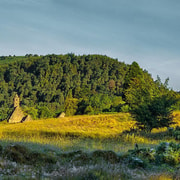
Glendalough is traditionally associated with St Kevin, who founded a religious community in the valley during the sixth century.
Over the centuries, the settlement developed into an important centre of early Christian learning and pilgrimage.
Today, visitors can explore impressive medieval ruins surrounded by mountains and woodland.
The Famous Glendalough Round Tower
One of the most recognisable structures is the magnificent medieval round tower, standing approximately 30 metres high.
The tower is a beautiful example of early Irish ecclesiastical architecture and provides a distinctive landmark against the surrounding countryside.
Glendalough’s Lakes
The valley contains two principal lakes, known as the Upper Lake and Lower Lake.
The peaceful waters are surrounded by beautiful mountains, woodland and walking paths.
During the scheduled stop, visitors have free time to appreciate the historic ruins and surrounding landscape.
The Glendalough Visitor Centre may also be visited if time permits, with admission charged separately where applicable.
Rock of Dunamase: Explore Medieval Castle Ruins
After a lunch break in the traditional market town of Kilcullen, the journey continues towards the impressive Rock of Dunamase in County Laois.
This dramatic limestone outcrop is crowned by the remains of a medieval castle overlooking the surrounding countryside.
The History of Dunamase Castle
The site has a history extending back well over a thousand years and became an important medieval stronghold.
Its elevated position provided excellent visibility across the surrounding plains, making it strategically valuable.
What Can Visitors See?
Historic stone walls and castle ruins
Medieval defensive structures
Panoramic views of County Laois
Beautiful rural countryside
Interesting architectural remains
The Rock of Dunamase is particularly rewarding for photography enthusiasts interested in historic castles and Irish landscapes.
Adare: One of Ireland’s Most Beautiful Villages
The journey continues to Adare, a picturesque heritage village in County Limerick.
Adare is internationally recognised for its attractive thatched cottages, traditional architecture and beautiful village streets.
Often described as one of Ireland’s prettiest villages, Adare provides a charming introduction to rural Irish life.
Traditional Thatched Cottages
The village is famous for its beautiful thatched-roof cottages, many of which date from the 19th century.
These distinctive buildings are among Adare’s most photographed landmarks.
Historic Buildings
Adare also contains important historic structures, including the remains of a 15th-century Franciscan monastery.
The combination of traditional architecture and medieval heritage makes the village a memorable stop.
Photography in Adare
Visitors can enjoy photographing the picturesque cottages, landscaped gardens, historic buildings and attractive village streets.
Dingle: Discover a Colourful Irish Coastal Town
After travelling through County Limerick, the tour enters County Kerry and continues towards the spectacular Dingle Peninsula.
The first day concludes in Dingle, a charming harbour town famous for its colourful buildings, traditional pubs, seafood restaurants and strong connection to Irish language and culture.
Explore Dingle Harbour
Dingle has long been associated with fishing and maritime activity.
The harbour provides picturesque views of fishing boats, waterfront buildings and the surrounding hills.
Traditional Irish Pubs
Dingle is particularly famous for its traditional pubs, many of which offer live music and a welcoming atmosphere.
Some are known as hardware pubs, reflecting an older Irish tradition of combining a public house with another type of business.
Enjoy an Evening in Dingle
The evening is free, allowing visitors to explore the town independently.
Travellers may wish to enjoy fresh local seafood, visit a traditional pub or simply walk through the colourful streets.
The group stays in Dingle for two nights, allowing visitors to enjoy the town without needing to change accommodation each evening.
Day 2: Discover the Dingle Peninsula and the Wild Atlantic Way
The second day is dedicated to exploring one of Ireland’s most spectacular coastal regions: the Dingle Peninsula.
Located in County Kerry, the peninsula is famous for its rugged Atlantic coastline, ancient archaeological sites, traditional Irish communities and remarkable mountain scenery.
Much of the region lies within the Gaeltacht, where the Irish language continues to play an important role in everyday life.
Explore Ireland’s Wild Atlantic Way
The Wild Atlantic Way is a famous coastal touring route stretching approximately 2,500 kilometres along Ireland’s western shoreline.
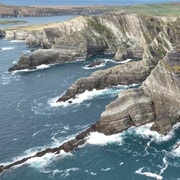
The Dingle Peninsula is among its most spectacular sections, offering dramatic cliffs, sheltered beaches, traditional villages and extraordinary views across the Atlantic Ocean.
Conor Pass: Spectacular Mountain Scenery
One of the most impressive scenic locations associated with the tour is Conor Pass, one of Ireland’s highest mountain road passes.
Located between Dingle and the northern coast of the peninsula, the pass offers remarkable views across rugged mountain landscapes.
What Makes Conor Pass Special?
The route winds through steep mountain terrain, revealing spectacular valleys, lakes and distant coastal scenery.
On clear days, visitors can enjoy breathtaking views across the surrounding landscape.
The dramatic scenery makes Conor Pass particularly appealing to landscape photographers.
Travel note: Access to exposed mountain roads can depend on weather and vehicle conditions, and the driver-guide may adjust the route if necessary.
Slea Head: One of Ireland’s Most Beautiful Coastal Drives
The highlight of the second day is the magnificent Slea Head coastal region.
This spectacular section of the Dingle Peninsula offers sweeping Atlantic views, rugged headlands, traditional stone buildings and fascinating archaeological sites.
The Famous Slea Head Drive
Slea Head Drive is widely regarded as one of Ireland’s most beautiful coastal routes.
The road winds around the western end of the Dingle Peninsula, passing dramatic cliffs, remote beaches and traditional Irish communities.
Views Towards the Blasket Islands
One of the most memorable features is the opportunity to admire the Blasket Islands, lying offshore in the Atlantic Ocean.
These rugged islands were once home to a small Irish-speaking community renowned for its rich literary and cultural traditions.
Photography Opportunities
The Slea Head region offers outstanding opportunities to capture:
Rugged Atlantic cliffs
Beautiful coastal headlands
Views of the Blasket Islands
Traditional stone cottages
Sandy beaches and turquoise coastal waters
Rolling green Irish countryside
The spectacular combination of ocean and mountain scenery makes Slea Head one of Ireland’s most memorable destinations.
Discover the Ancient Beehive Huts of the Dingle Peninsula
The Dingle Peninsula contains numerous ancient stone structures associated with Ireland’s early history.
Among the most fascinating are the traditional beehive huts, also known as clocháns.
These distinctive buildings were constructed using carefully arranged stones without modern mortar.
What Are Beehive Huts?
Beehive huts are circular or oval stone structures with corbelled roofs that gradually rise towards the centre.
Their unusual appearance resembles the shape of traditional beehives.
Such buildings are associated with historical settlement and farming traditions in western Ireland.
Why Are They Important?
The huts provide fascinating evidence of traditional building techniques developed to suit the exposed Atlantic environment.
Their sturdy stone construction helped protect occupants from wind and harsh weather.
During the guided excursion, visitors learn about the history and cultural significance of these distinctive structures.
Admission to privately managed archaeological sites may be charged separately.
Gallarus Oratory: A Remarkable Early Christian Monument
Another fascinating historic attraction on the Dingle Peninsula is Gallarus Oratory, one of Ireland’s most distinctive early stone buildings.
The small stone chapel is renowned for its remarkable dry-stone construction and distinctive boat-shaped design.
The Architecture of Gallarus Oratory
Gallarus Oratory was built using carefully fitted stones that form an impressive waterproof structure without conventional mortar.
Its sloping walls and narrow interior reflect traditional Irish stone-building techniques.
Why Is Gallarus Oratory Famous?
The monument is an important example of Ireland’s early religious architecture.
Its exact construction date remains debated, although it is commonly associated with the early medieval period.
The building has survived for centuries and remains one of the most recognisable historic attractions on the Dingle Peninsula.
Return to Dingle
After a full day exploring the spectacular Atlantic coastline and historical attractions, the tour returns to Dingle for a second overnight stay.
The evening is free for visitors to enjoy local restaurants, traditional pubs and the town’s welcoming atmosphere.
Day 3: Inch Beach, Killarney National Park and the Rock of Cashel
The final day combines beautiful Atlantic beaches, the magnificent landscapes of Killarney National Park and one of Ireland’s most important medieval landmarks.
Leaving Dingle, the journey travels towards Inch Beach before continuing to Killarney and the historic Rock of Cashel.
Inch Beach: Beautiful Atlantic Scenery
The first major stop is Inch Beach, a magnificent stretch of sandy coastline on the Dingle Peninsula.
Extending into Dingle Bay, this spectacular beach is famous for its open Atlantic views, surrounding mountains and beautiful natural scenery.
Inch Beach is also popular for water sports, particularly surfing, although such activities are not included in this guided sightseeing itinerary.
Killarney National Park: Lakes, Mountains and Ancient Woodlands
The journey continues to Killarney National Park, one of Ireland’s most celebrated natural attractions.
Established in 1932, it was Ireland’s first national park and protects approximately 10,000 hectares of mountains, lakes, woodland and wetlands.
The park is particularly famous for the magnificent Lakes of Killarney and the rugged surrounding mountain ranges.
The Lakes of Killarney
The three principal lakes are:
Lough Leane: The largest lake, surrounded by beautiful woodland and historic landmarks.
Muckross Lake: A picturesque lake beside the historic Muckross Estate.
Upper Lake: A beautiful mountain lake surrounded by forests and rugged hills.
These lakes create some of Ireland’s most recognisable landscapes.
MacGillycuddy’s Reeks
The national park lies near the magnificent MacGillycuddy’s Reeks mountain range, which includes Carrauntoohil, Ireland’s highest mountain.
The rugged mountain scenery provides a dramatic backdrop to Killarney’s lakes and woodlands.
Torc Waterfall: Discover a Beautiful Natural Wonder
One of the highlights of the final day is a visit to Torc Waterfall, located within Killarney National Park.
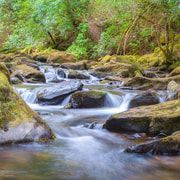
This beautiful waterfall is surrounded by lush woodland, moss-covered rocks and scenic walking trails.
The waterfall descends approximately 20 metres and is particularly impressive following periods of rainfall.
Walking to Torc Waterfall
The tour includes a short walk towards the waterfall through the surrounding woodland.
The trail provides an opportunity to appreciate the park’s natural beauty and enjoy views of the cascading water.
Visitors should wear comfortable walking shoes, as paths may become slippery in wet conditions.
Photography at Torc Waterfall
The combination of flowing water, natural stone and green forest vegetation creates excellent photography opportunities.
Soft lighting on cloudy days can be particularly attractive for waterfall photographs.
Killarney Town: Enjoy Lunch and Local Irish Hospitality
After exploring the national park, the tour continues into Killarney, one of Ireland’s most famous tourist towns.
Surrounded by lakes and mountains, Killarney is a popular destination for visitors exploring County Kerry.
The tour includes a lunch break, allowing time to enjoy the town’s cafés and restaurants.
What Makes Killarney Special?
Killarney is renowned for its:
Traditional Irish pubs and restaurants
Colourful shopping streets
Beautiful national park surroundings
Historic buildings
Welcoming Irish atmosphere
Lunch and personal purchases are additional expenses.
Rock of Cashel: One of Ireland’s Greatest Medieval Landmarks
After leaving Killarney, the tour travels across the countryside towards the magnificent Rock of Cashel in County Tipperary.
Standing dramatically on a limestone outcrop above the surrounding town, the Rock of Cashel is one of Ireland’s most recognisable historic monuments.
The History of the Rock of Cashel
The site was traditionally associated with the kings of Munster before becoming an important ecclesiastical centre.
Over the centuries, magnificent medieval buildings were constructed on the elevated site, creating an extraordinary collection of historic structures.
What Can Visitors See?
The Rock of Cashel contains several remarkable monuments, including:
The Round Tower: An impressive medieval stone tower.
Cormac’s Chapel: A beautiful example of Romanesque architecture.
The Gothic Cathedral: Magnificent medieval church ruins.
Historic High Crosses: Important examples of Irish religious sculpture.
Panoramic views: Beautiful scenery across the surrounding County Tipperary countryside.
The dramatic setting makes the Rock of Cashel one of Ireland’s most spectacular heritage attractions.
Admission to the attraction is an additional expense unless specifically included in the selected booking option.
Return to Dublin
Following the visit to the Rock of Cashel, the journey continues to Dublin.
The tour is scheduled to return to the capital at approximately 7:00 pm on the third evening.
Arrival times may vary depending on traffic and operating conditions.
Where Will You Stay During the Three-Day Tour?
The tour spends two nights in Dingle, County Kerry, providing an opportunity to experience the town’s restaurants, pubs and traditional Irish atmosphere.
The GetYourGuide listing offers accommodation-inclusive bed-and-breakfast booking options.
What Type of Accommodation Is Provided?
Accommodation is generally arranged in small, locally owned bed-and-breakfast properties or guesthouses.
Rooms are described as having private en-suite bathrooms, with breakfast provided under the accommodation-inclusive package.
Important Accommodation Information
Guesthouses may be located on the outskirts of Dingle, sometimes approximately 20–30 minutes on foot from the town’s pubs and restaurants.
Traditional guesthouses may have stairs rather than lifts.
Travellers with mobility concerns should discuss their requirements with the operator before booking.
Booking note: Accommodation arrangements vary by sales channel and selected package. Ensure your chosen GetYourGuide option explicitly includes two nights of accommodation and breakfast before completing the reservation.
Why Choose a Small-Group Dingle and Killarney Tour?
Exploring Ireland with an organised small-group tour offers several advantages.
Travel Without Hiring a Car
The tour provides transportation throughout the three-day itinerary, avoiding the need to navigate narrow Irish country roads.
Experience a Smaller Group
With a limited number of passengers, the experience offers a more personal atmosphere than conventional large-coach tours.
Discover Lesser-Known Attractions
The itinerary includes locations such as the Rock of Dunamase, historic Adare and ancient stone structures on the Dingle Peninsula.
Learn About Irish History and Folklore
An experienced guide shares stories about Ireland’s medieval past, early Christian heritage and traditional communities.
Enjoy Spectacular Coastal Scenery
The Dingle Peninsula and Wild Atlantic Way provide some of Ireland’s most magnificent landscapes.
Two Nights in Dingle
Staying in the same town for two nights allows travellers to experience traditional Irish restaurants, pubs and local culture.
Practical Information for Your Three-Day Ireland Tour
Where Does the Tour Depart?
The tour departs from Dublin, with the operator’s published itinerary identifying a meeting point on Nassau Street opposite the Kilkenny Shop.
Confirm the exact meeting point and departure time displayed on your GetYourGuide booking confirmation.
How Long Does the Tour Last?
The experience lasts three days, including two nights in Dingle.
What Is Included?
Transportation throughout the three-day sightseeing itinerary
Travel in a 16-seat Mercedes minicoach
Experienced English-speaking driver-guide
Scheduled sightseeing stops
Two nights in a Dingle bed and breakfast or guesthouse under the accommodation-inclusive package
Breakfast under the accommodation-inclusive booking option
What Is Not Included?
Lunches and evening meals
Additional drinks and refreshments
Admission fees to optional paid attractions
Personal shopping expenses
Optional gratuities
How Much Luggage Can You Bring?
The tour operator allows a maximum of 14 kilograms of luggage per person.
This should consist of one small suitcase or travel bag approximately 55 cm by 45 cm by 25 cm, plus a small personal bag for items needed during the journey.
Travellers should avoid bringing oversized luggage.
What Should You Bring?
Comfortable walking shoes
Waterproof clothing
Warm layers for coastal and mountain weather
A small overnight bag
Personal toiletries and medication
A camera or smartphone
Money or a payment card for meals and admission fees
Booking confirmation and identification
Is the Tour Suitable for Children?
The operator sets a minimum age of five years.
Children under five cannot participate.
Is the Tour Suitable for Travellers with Limited Mobility?
The itinerary includes walking around historic ruins, scenic viewpoints, coastal areas and outdoor attractions.
Some locations contain steps, slopes and uneven surfaces.
Traditional guesthouses may not have lifts, so travellers with mobility limitations should discuss their needs with the operator before booking.
What Happens During Bad Weather?
Weather conditions in Ireland can change quickly, particularly along the Atlantic coast and mountain roads.
Some scenic routes and outdoor stops may be altered if conditions are unsuitable.
Visitors should prepare for wind, rain and cooler temperatures throughout the year.
What Is the Cancellation Policy?
The GetYourGuide listing advertises free cancellation up to 14 days before departure for a full refund, subject to the booking conditions.
Who Will Enjoy This Three-Day Irish Adventure?
This guided tour is particularly suitable for:
First-time visitors to Ireland: Discover several famous landscapes and heritage attractions in one journey.
Nature lovers: Explore coastal cliffs, waterfalls, beaches and national parks.
History enthusiasts: Visit ancient monasteries, medieval castles and historic religious sites.
Photography enthusiasts: Capture some of Ireland’s most spectacular mountain and ocean scenery.
Couples: Enjoy a scenic trip through traditional Irish towns and countryside.
Solo travellers: Experience southwest Ireland with a small group and knowledgeable guide.
Travellers without a car: Explore the Dingle Peninsula and Killarney without arranging independent transportation.
Frequently Asked Questions About the 3-Day Dingle, Killarney & Wild Atlantic Way Tour
How long does the tour last?
The guided excursion lasts three days and includes two nights in Dingle.
Where does the tour depart from?
The tour departs from Dublin. The operator advertises a meeting point on Nassau Street opposite the Kilkenny Shop.
Does the tour visit Glendalough?
Yes. Glendalough is one of the major stops on the first day.
Does the tour include the Dingle Peninsula?
Yes. The second day is dedicated to exploring the beautiful Dingle Peninsula and Wild Atlantic Way.
Will we see Slea Head?
Yes. Slea Head is one of the main highlights of the Dingle Peninsula sightseeing day.
Does the itinerary include Conor Pass?
Yes. Conor Pass is advertised as one of the scenic highlights, although access may depend on road and weather conditions.
What is Gallarus Oratory?
Gallarus Oratory is a historic stone chapel on the Dingle Peninsula, famous for its distinctive dry-stone architecture.
Will we visit Killarney National Park?
Yes. The tour visits Killarney National Park on the third day.
Does the tour include Torc Waterfall?
Yes. The itinerary includes a short walk to Torc Waterfall.
Is the Rock of Cashel included?
Yes. The tour visits the Rock of Cashel on the return journey to Dublin.
Is accommodation included?
GetYourGuide advertises accommodation-inclusive options providing two nights in a Dingle guesthouse or bed and breakfast. Confirm that your chosen booking option includes accommodation.
Are breakfasts included?
Breakfast is included under the advertised accommodation-inclusive option.
Are lunches and evening meals included?
No. Lunches, evening meals and refreshments are generally additional expenses.
How large is the tour group?
The experience is advertised as a small-group tour limited to 15 participants.
What kind of vehicle is used?
The tour uses a 16-seat Mercedes minicoach.
Can children join?
Children aged five and over can participate, subject to the operator’s booking conditions.
How much luggage is permitted?
The operator allows up to 14 kilograms per person in a small travel bag or suitcase, plus a personal bag.
What time does the tour return to Dublin?
The advertised return time is approximately 7:00 pm on the third evening.
Can I cancel the tour?
Free cancellation is advertised up to 14 days before departure for a full refund, subject to current booking conditions.
Is the tour worth taking?
For visitors who want to explore Ireland’s spectacular southwest without driving, this three-day small-group journey offers a memorable combination of natural scenery, historic landmarks and traditional Irish culture.
Book Your 3-Day Dingle, Killarney & Wild Atlantic Way Tour from Dublin
Exploring Ireland’s southwest is one of the most rewarding experiences for travellers interested in dramatic landscapes, fascinating history and traditional Irish culture.
From the ancient monastery at Glendalough to the magnificent cliffs of Slea Head, the beautiful Dingle Peninsula and the peaceful landscapes of Killarney National Park, this journey showcases some of Ireland’s most memorable destinations.
The experience concludes with a visit to the historic Rock of Cashel, providing a fascinating final glimpse into Ireland’s medieval heritage.
With comfortable minicoach transportation, an experienced local guide and two nights based in Dingle, travellers can enjoy the scenery without the challenges of organising a self-drive holiday.
Whether you are visiting Ireland for the first time or returning to explore more of its spectacular countryside, this three-day adventure offers an excellent introduction to the Wild Atlantic Way.
Discover Ireland’s magnificent mountains, historic monasteries, traditional villages and spectacular Atlantic coastline on an unforgettable three-day guided adventure from Dublin.
Tour itineraries, accommodation options, attraction admissions, meeting locations and booking conditions may change. Always confirm the exact inclusions and cancellation terms for your selected booking option before reserving.
Best deals for From Dublin: 3-Day Dingle, Killarney & the Wild Atlantic Way. Combine serene spiritual locations with wild natural landscapes on this 3-day journey to the best spots on Ireland’s iconic Wild Atlantic Way. Available from getyourguide.com.
Sponsored Popular Items
Quick take: Musement.com offers a worldwide selection of tours and attractions
Shore Tour from Dublin: Wicklow Mountains & Dublin Ireland Best deals for Shore Tour from Dublin: Wicklow Mountains & Dublin. The tour allows you to see the highlights of Dublin City, and also visit Glendalough and the Wicklow Mountains. Available from getyourguide.com.
Dublin: Fast-Track Book of Kells Ticket & Dublin Castle Tour Ireland Best deals for Dublin: Fast-Track Book of Kells Ticket & Dublin Castle Tour. Visit the Old Library at Trinity College Dublin to see the illuminated manuscript of the Book of Kells, one of Ireland's national treasures, before exploring the grounds and gardens of Dublin Castle. Available from getyourguide.com.
Dublin: St Patrick's, Book of Kells, and Dublin Castle Tour Ireland Best deals for Dublin: St Patrick's, Book of Kells, and Dublin Castle Tour. Stroll through Dublin's historic center on an insightful tour with timed-entry tickets to the iconic Book of Kells. Visit the imposing St Patrick's Cathedral and gaze at the Dublin Castle's facade. Available from getyourguide.com.
Dublin: Dublin Bay Cruise from Dun Laoghaire to Howth Ireland Best deals for Dublin: Dublin Bay Cruise from Dun Laoghaire to Howth. Blow off the cobwebs and discover the beauty of Dublin Bay by sailing from Dun Laoghaire to the beautiful fishing village of Howth. Available from getyourguide.com.
Crafty Tours Dublin – A Taste of Dublin’s Best Brews Ireland Best deals for Crafty Tours Dublin – A Taste of Dublin’s Best Brews. Life’s Too Short To Drink Shit Beer. Step off the tourist trail and into five of the city’s best pubs - where the craft beer’s cold, the food’s hearty, and the stories flow faster than the pints Available from getyourguide.com.
Dublin: Book of Kells, Dublin Castle and Christ Church Tour Ireland Best deals for Dublin: Book of Kells, Dublin Castle and Christ Church Tour. Visit the Book of Kells at Trinity College with skip-the-line tickets (3h tour only) and walk through Dublin's history: Dublin Castle, Christ Church Cathedral, St Patrick's Cathedral and more. Available from getyourguide.com.
Dublin: Fast-Entry Book of Kells & Dublin Castle Bespoke Tour Ireland Best deals for Dublin: Fast-Entry Book of Kells & Dublin Castle Bespoke Tour. Join our award winning experienced and fully qualified official tour guide historians in Dublin. Starting from the days of early Irish Christianity to conquest then rebellion to partial independence. Available from getyourguide.com.
From Dublin: Wicklow Mountains, Glendalough, & Kilkenny Tour Ireland Best deals for From Dublin: Wicklow Mountains, Glendalough, & Kilkenny Tour. Explore the Wicklow Mountains on a full-day tour from Dublin with guided walks in Glendalough and Kilkenny. Available from getyourguide.com.
Dublin Coast & Wicklow Mountains: Luxury Private Day Tour Ireland Best deals for Dublin Coast & Wicklow Mountains: Luxury Private Day Tour. If you’re short in time but still want to experience Dublin's coast and the rural and scenic Wicklow mountains, I will show you both in one day. Available from getyourguide.com.