Home » Culture » Washington DC Culture Guide: Folklore, Traditions & Local Experiences
Washington DC Culture Guide: Folklore, Traditions & Local Experiences
Washington combines national monuments, free Smithsonian museums, political institutions, neighbourhood history, riverfronts and seasonal events. Check current availability, inclusions and booking details before you go.
Folklore in Washington DC: A Practical Visitor Guide
Quick overview: Booking folklore in Washington DC can be a useful way to experience local traditions, stories, music and cultural performance. Washington combines national monuments, free Smithsonian museums, political institutions, neighbourhood history, riverfronts and seasonal events. The supplied product page may change as operators add or remove dates, so use the live listing to confirm the exact activity rather than relying only on the category heading.
Why Choose Folklore in Washington DC?
A good experience should make the destination easier to understand, navigate or enjoy. The strongest products provide informed local interpretation, simplify transport, secure limited entry or introduce a landscape, neighbourhood or skill that would be difficult to experience independently. Avoid choosing only by the number of advertised stops; enough time at fewer places normally creates a better visit.
What You May Experience
Presidential stories: Guides may explore inauguration traditions, White House history and political anecdotes.
Ghost and mystery tours: These are entertainment and should separate documented events from legend.
African American history: Choose tours with strong historical grounding around U Street, Howard University and national sites.
Seasonal traditions: Cherry blossom programmes, parades and holidays have specific annual dates.
How to Plan the Experience
Best time: A practical period for Washington DC is March to May or September to November, although individual activities may operate year-round or only during a limited season.
Getting around: Washington has Metrorail, buses, bikes and extensive walking routes. Security zones, demonstrations and special events can change access around federal buildings.
Allow time to locate the meeting point, pass security and cope with delays. Do not place a separately booked museum, flight, train, show or restaurant immediately after the advertised finish. Wear suitable footwear, carry water and check the forecast for outdoor activities. Worship, restoration, strikes, road closures, tides and major events can alter access.
What to Check Before Booking
Read the complete live listing and confirm venue, language, historical context, seasonal dates, meals and drinks. Check whether the reservation is immediately confirmed or still needs a separate time slot. A combination ticket is worthwhile only when every included element fits the itinerary; unused extras do not create genuine value.
Prices and availability change. Use the supplied product page as the final source for current schedules, operator details, cancellation conditions and inclusions.
Allow the stated activity duration plus at least 30 minutes for check-in, finding the meeting point and possible delays. Full-day regional tours may return later because of traffic or weather.
Should I book in advance?
Advance booking is sensible for timed monuments, museums, cruises, workshops, popular tastings and limited seasonal activities. Flexible self-guided products may be arranged closer to the day.
Is the activity suitable for everyone?
Suitability depends on stairs, walking distance, traffic, motion, heat, altitude, age and health restrictions. Check accessibility and physical requirements on the live listing rather than assuming a city activity is effortless.
What happens if conditions change?
Indoor activities generally continue, while flights, cruises, outdoor sports and regional excursions may be changed or cancelled. Review the operator’s weather and refund policy before paying.
Ready to plan Washington DC Culture Guide: Folklore, Traditions & Local Experiences?
Check the supplier for current availability, pricing, inclusions and booking conditions.
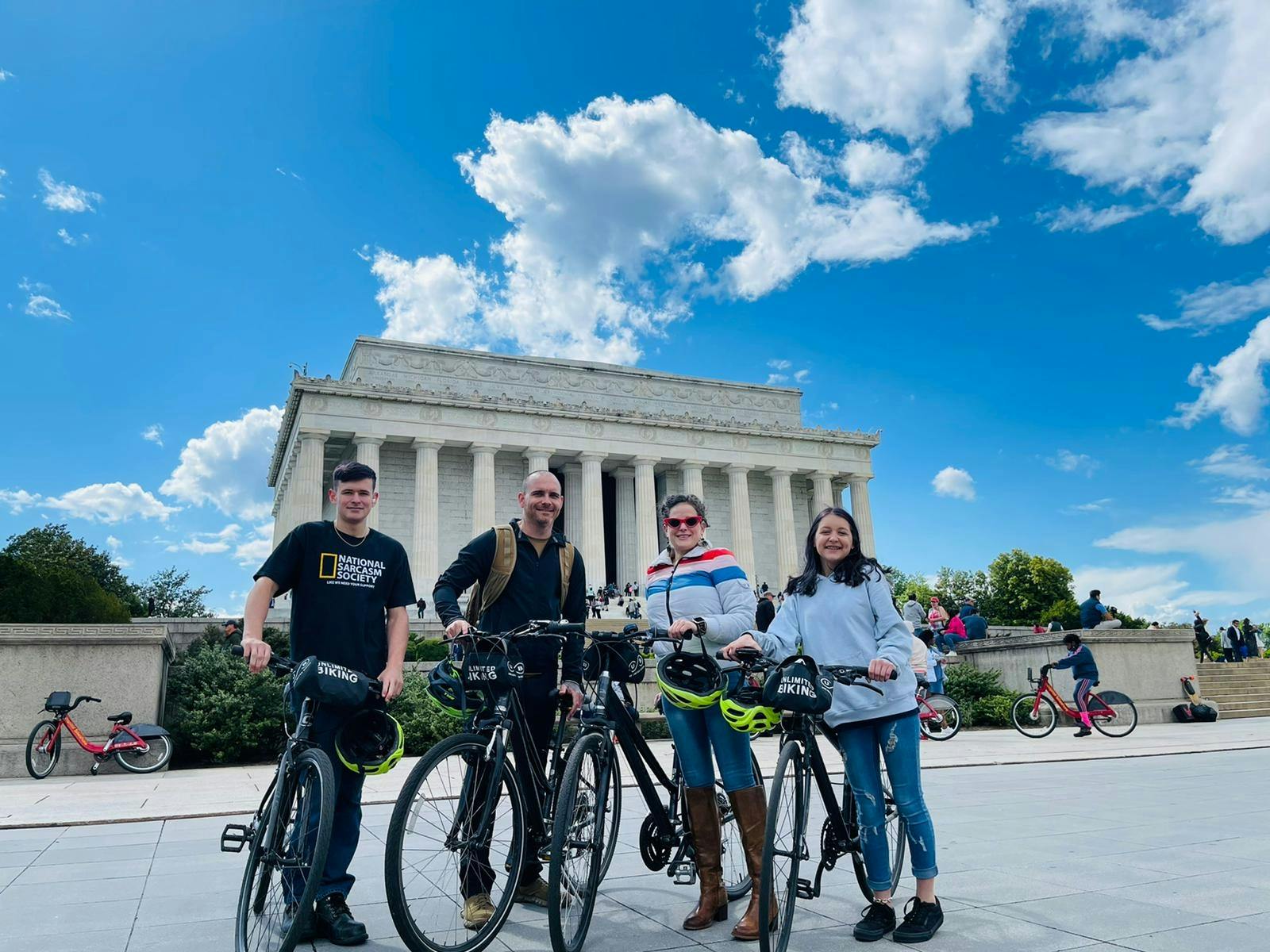
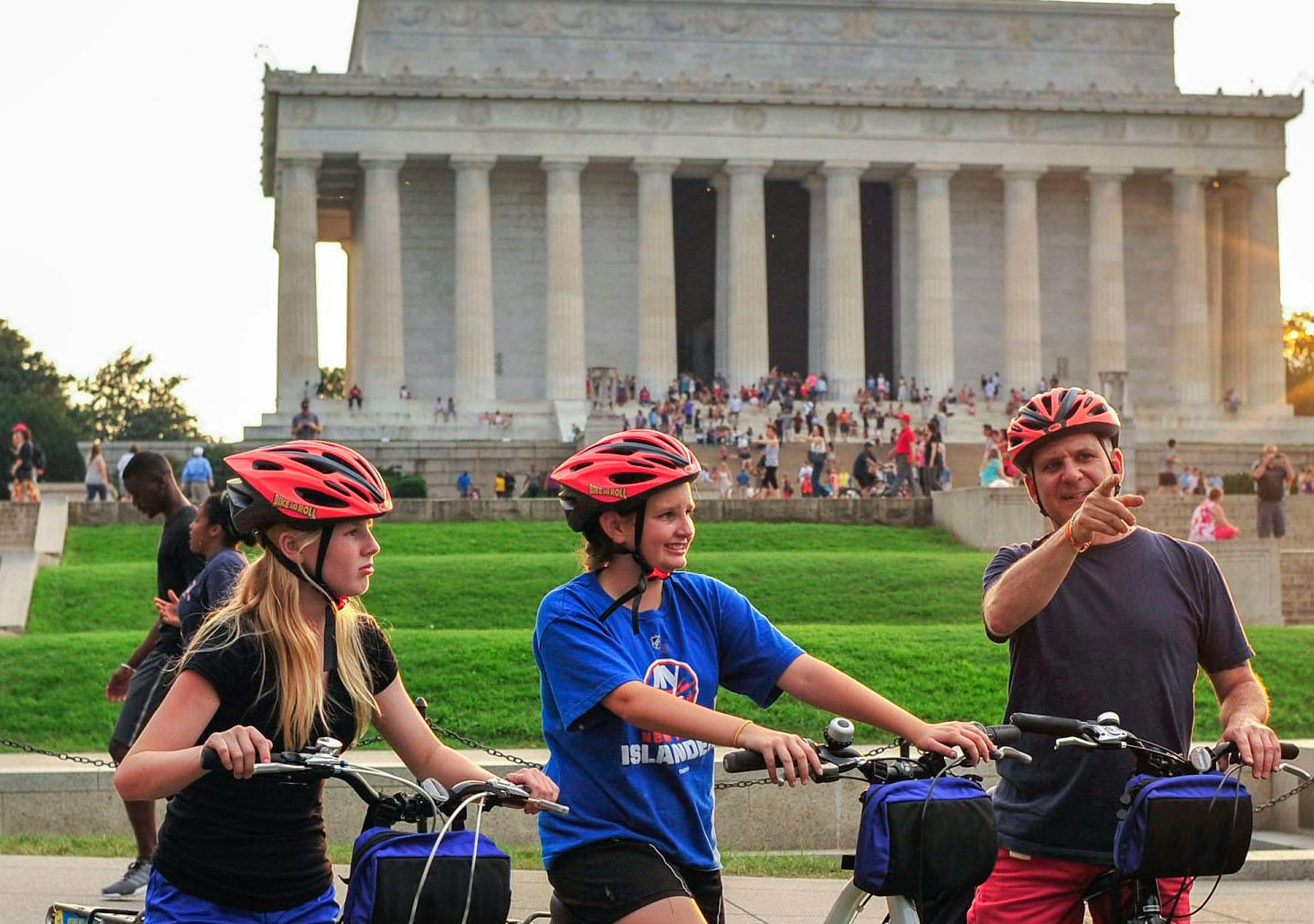
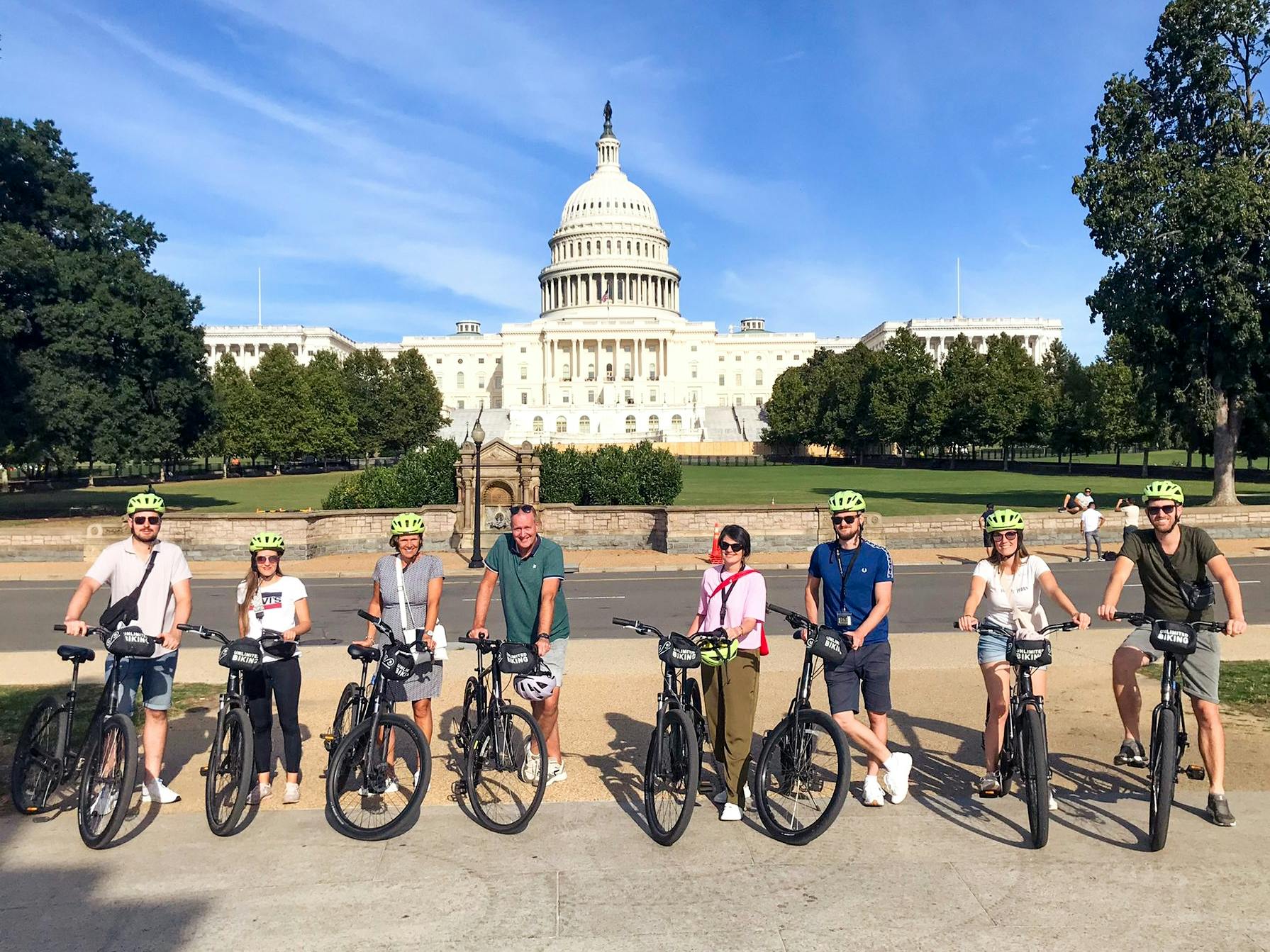
Washington, D.C. Bike Rentals – Washington Dc Rental Experience United States Bike Rentals gives travellers greater control over their pace and route without being tied to a fixed guided schedule. Check current availability, inclusions and booking details before you go.
Izmir Culture Guide: Folklore, Traditions & Local Experiences Turkey İzmir is a major Aegean city with a lively waterfront, bazaars, archaeology and museums, and it is a useful base for Ephesus, Pergamon, wine country, beaches and thermal areas. Check current availability, inclusions and booking details before you go.
Kemer Culture Guide: Folklore, Traditions & Local Experiences Turkey Kemer is a Mediterranean resort backed by the Beydağları Mountains, with beaches, pine forest, ancient cities, canyons, boat trips and the high-altitude Olympos Teleferik. Check current availability, inclusions and booking details before you go.
Kusadasi Culture Guide: Folklore, Traditions & Local Experiences Turkey Kuşadası is an Aegean cruise port and resort town best known as a gateway to Ephesus, but it also offers beaches, markets, boat trips, nearby villages and the protected landscapes of Dilek Peninsula. Check current availability, inclusions and booking details before you go.
Marmaris Culture Guide: Folklore, Traditions & Local Experiences Turkey Marmaris combines a lively harbour resort, forested bays, boat travel, Turkish food and access to Dalyan, Akyaka, ancient sites and adventure activities. Check current availability, inclusions and booking details before you go.
Side Culture Guide: Folklore, Traditions & Local Experiences Turkey Side combines a beach resort with a major ancient city, harbour monuments and access to Taurus Mountain valleys, canyons and regional Turkish culture. Check current availability, inclusions and booking details before you go.
Zanzibar Culture Guide: Folklore, Traditions & Local Experiences Tanzania Zanzibar combines a UNESCO-listed trading city, Swahili culture, spice agriculture, forests, reefs and coastal communities shaped by African, Arab, Persian, Indian and European connections. Check current availability, inclusions and booking details before you go.