This guided day trip introduces travellers to the Korean Demilitarized Zone through three different perspectives: the physical remains of division at the Third Infiltration Tunnel, the border landscape visible from Dora Observatory and the personal testimony of a North Korean defector. It also visits Imjingak, a symbolic place associated with separated families, remembrance and hopes for reunification.
Trip.com currently describes the experience as a join-in tour lasting approximately 6 hours 5 minutes to 6 hours 40 minutes, beginning at a designated meeting point. The page lists Mandarin and English package options, free cancellation by 7:00 am one day before use and a starting price of US$46.03 per person when checked. Military operations, security restrictions, traffic and visitor allocations can change the route or timing at short notice.
The Korean Demilitarized Zone is a heavily controlled buffer area separating North and South Korea. Civilian visits to the principal Paju sites are only possible through authorised tours and are subject to military approval. This product combines the standard highlights of the Paju DMZ route with a discussion or question-and-answer session involving a North Korean defector.
The exact order may vary, but the core advertised stops are the Third Tunnel, Dora Observatory and Imjingak. The defector meeting adds a contemporary human dimension that a conventional history-only tour may not provide. Travellers can hear an individual account of life in North Korea, departure from the country and adjustment to life elsewhere. Each speaker’s story is personal and should not be treated as representative of every North Korean experience.
This is not a tour of the Joint Security Area at Panmunjom. The JSA has separate military controls and is frequently unavailable to ordinary visitors. Do not assume that the blue conference buildings, the Military Demarcation Line inside Panmunjom or a border crossing are included.
Quick facts
Activity
Guided Korean DMZ day trip with a North Korean defector meeting
Main destinations
Third Infiltration Tunnel, Dora Observatory and Imjingak, Paju
Departure city
Seoul, South Korea
Duration
Approximately 6 hours 5 minutes to 6 hours 40 minutes on Trip.com
Tour format
Join-in group tour
Meeting arrangement
Meet at a designated point; confirm the exact Seoul location on the voucher
Languages
Mandarin and English package options are displayed; select carefully
Starting price when checked
From US$46.03 per person on Trip.com
Cancellation
Free cancellation by 7:00 am one day before the date of use, according to Trip.com
Identification
Original passport or accepted Korean identification is required for security checks
Physical difficulty
Moderate to demanding if entering the steep, low Third Tunnel
JSA/Panmunjom included?
No indication that the Joint Security Area is included
Current rating when checked
4.9 out of 5 from more than 840 reviews, with 4,000+ bookings shown
Why this DMZ tour stands out
Many DMZ excursions focus entirely on monuments, military history and observation points. This one also advertises a meeting with North Korean defectors. That conversation can help visitors connect geopolitical events with personal experience, although the content and speaker may vary by date.
The itinerary also includes the two most sought-after Paju DMZ sites. The Third Tunnel provides a direct encounter with the physical infrastructure of the conflict, while Dora Observatory offers a geographical view across the buffer zone toward North Korean territory. Imjingak then places the division within the experience of families and communities affected by the Korean War and its aftermath.
The compact duration makes the tour practical for travellers who want the core DMZ experience without adding a suspension bridge or a long countryside extension. It is still a substantial excursion because early departure, security checks and traffic can make the total time away from the hotel longer than the published activity duration.
Expected itinerary
The public Trip.com page confirms the principal attractions but does not expose a complete minute-by-minute programme. The following sequence reflects the advertised stops and the matching operator-style itinerary. The final supplier voucher is authoritative.
1. Meet the group in Seoul
Join-in DMZ tours commonly use central meeting points around Hongdae or Myeongdong rather than individual hotel pickup. Arrive before the stated check-in time with the original identification required by the operator. The bus may not wait for late participants because access to the controlled zone is tied to timed visitor allocations.
2. Travel north to Paju
The drive from central Seoul generally takes about an hour in normal conditions, but weekday congestion and security procedures can add time. The guide normally introduces the Korean War, the 1953 Armistice Agreement and the continuing division of the peninsula during the journey.
3. Join the North Korean defector session
The tour advertises an opportunity to hear a North Korean defector’s story. A matching listing describes a live question-and-answer session at a North Korea experience centre. The speaker, format, length and availability may change. Translation may be provided according to the language package selected.
4. Pass the military identity checkpoint
Before entering the controlled section of the route, visitors may be required to present passports or accepted identification. Military personnel can board the vehicle, count passengers and compare identification with the tour manifest. Follow instructions promptly and do not photograph checkpoints unless expressly permitted.
5. Enter the Third Infiltration Tunnel
After a briefing, visitors can usually walk down a steep access passage and continue into part of the tunnel. Helmets are normally provided. The interior is cool, damp, narrow and low in places. Travellers who choose not to enter can generally wait near the visitor facilities, but they should confirm arrangements with the guide.
6. View the border from Dora Observatory
Dora Observatory is one of the closest authorised civilian viewpoints toward North Korea in this area. On clear days, visitors may see parts of the DMZ, Daeseong-dong, North Korean farmland, Kijong-dong and the distant city of Kaesong. Visibility can be limited by fog, rain, haze or seasonal dust.
7. Explore Imjingak and Mangbaedan
Imjingak contains monuments and memorial spaces linked to the Korean War, separated families and reunification. Depending on the final route, the guide may discuss Mangbaedan altar, the Freedom Bridge, the damaged steam locomotive and views toward the Imjin River. Time may be available for a snack, toilet break or souvenir purchase.
8. Return to central Seoul
Drop-off is normally at one or more central Seoul locations rather than at individual hotels. Return time can vary with traffic, military controls and how quickly the group moves between stops. Avoid booking a flight, intercity train or fixed evening performance immediately after the advertised finish.
Meeting a North Korean defector
The defector meeting is the feature that most clearly distinguishes this product from a standard DMZ coach tour. Participants may hear about childhood, education, work, food, media, border controls, escape routes and the challenges of resettlement. The session can also cover the ways that North and South Koreans understand one another after decades of separation.
Approach the conversation as an exchange with an individual rather than a performance. Ask concise, respectful questions and recognise that some subjects may involve trauma, family members who remain in North Korea or personal security. The speaker should be free to decline any question.
Translation can reduce the time available and may simplify nuance. Listen to the full response before asking a follow-up question. Photography or recording of the speaker may be restricted, so obtain permission rather than assuming it is allowed.
The Third Infiltration Tunnel
The Third Tunnel was discovered in 1978 and is the closest of the four publicly known infiltration tunnels to Seoul. Korea Tourism Organization information describes it as approximately 1.6 kilometres long and about two metres wide. Visitors enter only an authorised section, not the entire tunnel or North Korean territory.
The steep access route is the most physically demanding part of the day. The descent can feel easy, but the return climb is sustained and tiring. Inside, the ceiling is low enough that taller visitors may need to stoop, even while wearing a hard hat. The surface may be damp and slippery.
The tunnel is not a good choice for some people with reduced mobility, serious knee or back problems, heart or respiratory conditions, severe claustrophobia or difficulty walking uphill. Do not feel pressured to enter. The wider tour remains worthwhile even when a traveller waits outside for this section.
Photography is commonly prohibited inside the tunnel, and bags or cameras may have to remain in lockers. Follow the current instructions because security and preservation rules can change.
Dora Observatory
Dora Observatory sits on the South Korean side of the DMZ and can only be reached through an authorised tour. Korea Tourism Organization states that visitors can look toward Panmunjom, Daeseong-dong, mountains and farmland in North Korea and the city of Kaesong.
The quality of the view depends heavily on the weather. A bright day in Seoul can still be hazy near the border. Binoculars or fixed viewing equipment may help, but travellers should not expect a close view of people or unrestricted photography in every direction.
The modern observatory provides one of the clearest ways to understand the geography of the divided peninsula. The quiet rural landscape can appear surprisingly ordinary, which contrasts with the military controls required to reach it.
Imjingak and remembrance sites
Imjingak was developed as a place where people separated from their northern hometowns and relatives could gather, remember and perform ancestral rites. It is outside the most restricted part of the DMZ and contains a mixture of memorials, visitor facilities and modern attractions.
Mangbaedan altar is associated with families unable to return to ancestral homes in the North. The Freedom Bridge is linked to prisoners of war who returned south after the Korean War armistice. A rusted steam locomotive damaged during the war is another prominent reminder of the interrupted rail connection.
The atmosphere can shift between solemn memorial spaces and busy tourist facilities. Allow others room for private reflection, especially around ribbons, family messages and ceremonial areas.
What is likely included
The Trip.com title and matching product information indicate that the core package is likely to include:
Shared return transport between Seoul and Paju
A licensed or professional tour guide
The advertised North Korean defector meeting or Q&A session
Access to the standard DMZ route
Admission to the Third Tunnel and Dora Observatory
Time at Imjingak and associated memorial sites
A matching operator listing also mentions DMZ admission fees, the Third Tunnel walking visit, lunch and traveller insurance. Trip.com package contents can differ by date and language, so do not rely on a third-party inclusion list without checking the selected option at checkout.
What may not be included
Unless the chosen package explicitly says otherwise, budget for:
Hotel pickup and hotel drop-off
Food and drinks if lunch is not included in the selected Trip.com option
Personal purchases and souvenirs
Optional gondola, bridge or extended-tour fees
Individual travel insurance beyond any limited operator policy
Transport from the final central Seoul drop-off to the hotel
The Joint Security Area, Panmunjom conference buildings and crossing into North Korea are not advertised as part of this tour.
Meeting point and timing
Trip.com states that the tour begins at a meeting point. Similar packages use convenient locations near major subway stations in Hongdae and Myeongdong. The exact point, exit number, departure time and guide contact details should appear on the final voucher.
Check the route to the meeting point the night before. Seoul subway stations can be large, and exits on opposite sides of a road may be several minutes apart. Arrive at least 10 to 15 minutes early unless the voucher requests a longer check-in period.
The listed 6-hour 5-minute to 6-hour 40-minute duration is an estimate. Security checks, traffic, the availability of DMZ shuttle slots and temporary route restrictions can extend the day. Keep the afternoon or evening flexible.
Passport and security requirements
Bring the original passport used for the booking. Korea Tourism Organization states that visitors to the Third Tunnel and Dora Observatory must carry identification such as a passport or Alien Registration Card. A photo, photocopy or digital scan may not be accepted.
Ensure that the name entered on the booking matches the identification document. Tell the supplier before the tour if a traveller’s passport details change. Children may also need identification, so confirm the exact rule for every age group.
Military instructions override the commercial itinerary. Visitors can be refused entry for missing identification, disruptive behaviour or failure to follow security rules. Refunds may not be available when admission is denied because a participant did not bring the required document.
Physical demands and accessibility
The coach journey and observatory are less demanding, but the Third Tunnel involves a long slope, uneven surfaces and a low ceiling. Matching operator information says the activity is not suitable for people with mobility impairments.
Travellers who use a wheelchair, walking frame or cane should contact the supplier before booking. Even when accessible visitor areas are available, the full advertised route may not be possible. Ask whether a non-tunnel option is offered and whether the coach has suitable storage or boarding assistance.
Wear supportive shoes with grip. Move at a steady pace and use handrails where provided. The tunnel can be cool even in summer, while outdoor areas may be hot, windy or freezing depending on the season.
Closures and itinerary changes
DMZ tourism is unusually vulnerable to last-minute change. Military exercises, security incidents, diplomatic developments, weather, disease-control measures or maintenance can close individual sites or the entire route.
Official visitor information lists Monday closures for the Third Tunnel and Dora Observatory under the regular DMZ Peace Tour arrangement. Commercial operators may substitute a different route on affected dates, so confirm what the selected package does on Mondays and public holidays.
If Dora Observatory or the Third Tunnel closes, the supplier may replace it with an exhibition, gondola, memorial, suspension bridge or alternative observatory. Read the substitution and refund policy before booking, particularly when one specific attraction is essential to your plans.
Photography and respectful behaviour
Photography rules are stricter in military areas than at ordinary tourist attractions. Photograph only from permitted positions and never aim a camera at checkpoints, soldiers, security equipment or restricted directions when the guide says not to.
Do not photograph or record the defector speaker without explicit permission. Avoid sensational language and questions that demand traumatic details. The meeting is more valuable when participants listen carefully and recognise the speaker’s autonomy.
The DMZ is both a tourist destination and the product of an unresolved conflict. Keep voices low around memorials, do not climb on monuments and avoid treating military barriers or messages from separated families as novelty props.
What to bring
Original passport or accepted Korean identification
Trip.com e-voucher and supplier contact details
Comfortable walking shoes with good grip
A light layer for the cool tunnel
Seasonal outerwear for wind, rain, heat or winter cold
Water in a small bottle
A modest snack unless lunch is confirmed
Personal medication
A small day bag rather than luggage
Cash or a payment card for food and souvenirs
Binoculars if compact and permitted
Large luggage is commonly prohibited or impractical. Leave suitcases at the hotel or a secure storage facility.
What to confirm before booking
The exact language of the selected package
The meeting point, subway exit and check-in time
Whether lunch is included
Whether every DMZ admission fee is included
The format and duration of the North Korean defector meeting
Whether the defector session is guaranteed on the selected date
The accepted identification for adults and children
The policy for Monday, holiday or military closures
What alternative stops are used if the Third Tunnel or Dora Observatory closes
Whether travellers can skip the tunnel and wait outside
Accessibility arrangements and walking requirements
The final Seoul drop-off location
The exact cancellation deadline in Korean local time
Whether the displayed price includes all mandatory charges
Planning tips
Book the correct language option rather than assuming every departure is bilingual.
Use the same passport name for the reservation and security check.
Recheck email and messaging apps the evening before departure.
Eat breakfast before an early meeting unless the package confirms food.
Wear shoes suitable for a steep underground walk.
Skip the tunnel if the climb or confined space is unsafe for you.
Ask thoughtful questions during the defector session and respect boundaries.
Do not expect clear views of North Korea in fog or haze.
Follow all photography instructions immediately.
Keep the rest of the day flexible because the return can be delayed.
Do not confuse this excursion with a JSA or Panmunjom tour.
Check the live package and price immediately before payment.
Frequently asked questions
How long is the DMZ day trip?
Trip.com lists a duration of approximately 6 hours 5 minutes to 6 hours 40 minutes. The total time can be longer because of Seoul traffic and military procedures.
Does the tour meet a North Korean defector?
Yes. The Trip.com title and highlights advertise a meeting where participants hear stories from North Korean defectors. Confirm the format and availability for the selected date.
Which DMZ attractions are included?
The advertised core attractions are the Third Infiltration Tunnel, Dora Observatory and Imjingak.
Does the tour visit the Joint Security Area?
No JSA or Panmunjom visit is advertised. The blue conference buildings should not be expected.
Do I need my passport?
Yes. Official visitor information requires identification such as an original passport or Alien Registration Card for the Third Tunnel and Dora Observatory route.
What languages are available?
Trip.com displays Mandarin and English package options. Select the required language rather than assuming both are used on every bus.
Where does the tour start?
Trip.com says participants meet at a designated point. Similar departures use central Seoul locations near Hongdae or Myeongdong, but the final voucher controls.
Is the Third Tunnel difficult?
It can be demanding. The route is steep, the return climb is tiring and the ceiling is low in places. It may be unsuitable for reduced mobility, serious joint problems, heart or respiratory conditions or claustrophobia.
Can I skip the Third Tunnel?
Travellers can usually remain near the visitor facilities, but they should confirm the waiting arrangement with the guide before the group enters.
Can I take photographs?
Photography is allowed only in designated areas. It is commonly restricted inside the tunnel and around military checkpoints. Recording the defector speaker also requires permission.
Is lunch included?
A matching operator listing includes lunch, but the public Trip.com page does not clearly expose the package inclusion list. Confirm the selected option before payment.
Can the itinerary change?
Yes. Military restrictions, exercises, weather, maintenance and visitor-allocation issues can close or replace stops without much notice.
Does the tour operate on Mondays?
Official information lists Monday closures for the regular Third Tunnel and Dora Observatory route. Ask what alternative programme applies to the specific Trip.com departure.
What is the cancellation policy?
Trip.com displayed free cancellation by 7:00 am one day before the date of use. Read the booking screen for the exact local-time deadline and package conditions.
How much did the tour cost when checked?
Trip.com displayed a starting price of US$46.03 per person when checked. Prices can change by date, language, demand and package.
Important: DMZ access is controlled by military authorities. Prices, meeting points, languages, speakers, inclusions and individual attractions can change. Read the selected Trip.com package and final supplier voucher before travelling.
Sponsored Popular Items
Quick take: Trip.com offers a worldwide selection of tours and attractions and hotels
Seoul Gyeongbokgung Palace & Bukchon Hanok Village & N Seoul Tower Half – Day tour Seoul Gyeongbokgung Palace + Bukchon Hanok Village + N Seoul Tower half-day tour adds structure, local context and purposeful sightseeing to the itinerary. Seoul Gyeongbokgung Palace + Bukchon Hanok Village + N Seoul Tower half-day tour: experience overview Gyeongbokgung Palace (including admission ticket)/Bukchon Hanok Village;Seoul Tower Wish Lock/Love Lock;Including Round-trip Cable Car Ticket to Seoul Tower Available from trip.com. This makes the experience a useful option when planning time in > Seoul local experienceSearch Results. The listing describes this as a half-day experience. Routes, start times, inclusions and meeting arrangements may vary, so the current booking page should be treated…
Customized Private Seoul Tour Palace Hidden Gems Airport Option Guide – Guided Tour South Korea Customized Private Seoul Tour: Palace, Hidden Gems (Airport Option) If you want a flexible Seoul sightseeing day rather than a fixed coach itinerary, this live Trip.com-linked product is one of the more practical options to consider. It is built around a private customizable route, with the strongest appeal being the ability to shape the day around palaces, markets, hidden gems and airport-related pickup or drop-off needs rather than following one locked sightseeing script. The biggest draw is flexibility with private transport. The live Trip.com route now redirects into the Seoul experiences page, but the linked product card and matching live…
Full-Day Palace Tour in Seoul: Gyeongbokgung, Culture & History – Guided Tour South Korea Full-Day Palace Tour in Seoul: A Real Look at Korea’s Royal Past If you want to understand Seoul beyond its shopping streets, cafés and neon-lit night markets, a palace-focused day tour is one of the most rewarding ways to start. The Full-Day Palace Tour in Seoul takes you into the city’s royal, cultural and spiritual layers, with key stops centred around Gyeongbokgung Palace, the National Folk Museum and Jogyesa Temple. This is the kind of Seoul experience that suits travellers who want more than a quick photo stop. You get context, history and a better feel for how old Korea…
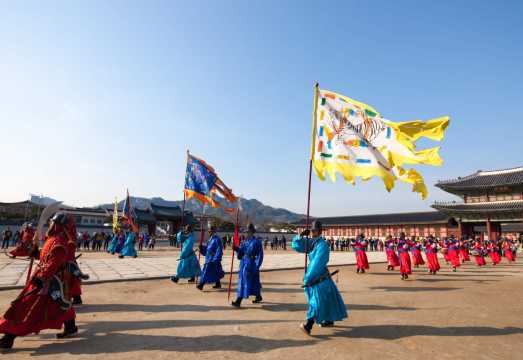
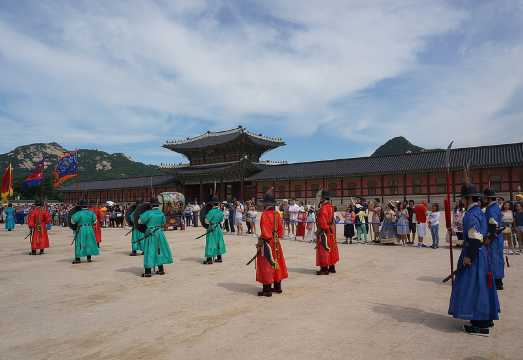
Seoul City Half-Day Tour: Gyeongbokgung Palace Guard Changing Ceremony – Guided Tour South Korea A Seoul city half-day tour is one of the easiest ways to get your bearings in South Korea’s capital, especially if you are visiting for the first time. This tour focuses on one of the city’s most recognisable cultural experiences: Gyeongbokgung Palace and the Royal Palace Guard Changing Ceremony.What makes this experience appealing is the contrast. You are standing in the heart of modern Seoul, surrounded by traffic, high-rise buildings and city noise, then suddenly the colour, music and ceremony of the Joseon royal court comes to life in front of Gwanghwamun Gate. It is a short tour, but it…
Small-Group Seoul Tour with Gyeongbokgung Palace & Hotel Pick-Up – Accommodation South Korea Royal guard-style ceremonial dress at Gyeongbokgung Palace in Seoul. Image: AshleyBrownPix, Wikimedia Commons, CC BY-SA 4.0. If you are visiting Seoul for the first time and want a short, easy introduction to the city’s royal and cultural history, the Small-Group Seoul Tour with Gyeongbokgung Palace is a sensible place to start. It is not a long day tour, and that is part of its appeal. In around half a day, you can see some of Seoul’s most meaningful cultural landmarks without trying to organise taxis, maps and palace timing on your own. This tour combines Jogyesa Temple, Presidential Blue House…
Namhansanseong UNESCO & Korean Folk Village Private Tour from Seoul – Guided Tour South Korea Namhansanseong UNESCO Historical Sites and Korean Folk Village Private Tour from Seoul Namhansanseong Fortress gives this private tour a strong mix of UNESCO history, mountain scenery and Joseon-era heritage. Image: Korea.net / Korean Culture and Information Service, Wikimedia Commons, CC BY-SA 2.0. If you want to step outside central Seoul and see a more historic side of Korea, the Namhansanseong UNESCO Historical Sites and Korean Folk Village Private Tour is a strong option. It combines a mountain fortress with deep Joseon Dynasty history and a living-style cultural village where traditional houses, customs and everyday life are recreated in a way…
Quick take: Trip.com helps you compare prices across accommodations. Use it to shortlist hotels, then click through to confirm the final price, room type, and inclusions on the booking site.
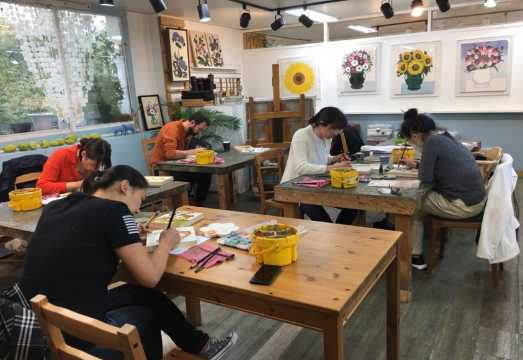
Traditional Korean Folk Painting Experience with Stories in Seoul – Hands-On Experience Traditional Korean Folk Painting Experience with Stories in Seoul adds a restorative pause to the itinerary. Traditional Korean Folk Painting Experience with Stories in Seoul: experience overview Draw folk paintings full of stories and experience the fun!;Experience the beauty of Korea by personally painting traditional folk art!;Decorate this precious space with your own hand-painted folk art to make it extra special! Available from trip.com. This makes the experience a useful option when planning time in > Seoul local experienceSearch Results. The exact duration can depend on the selected date, option or operating schedule. Routes, start times, inclusions and meeting arrangements…
Seoul Gyeongbokgung Palace & Bukchon Hanok Village & Bugak – Guided Sightseeing Experience Seoul Gyeongbokgung Palace + Bukchon Hanok Village + Bugak Palgakjeong + Gwangjang Market half-day tour adds structure, local context and purposeful sightseeing to the itinerary. Seoul Gyeongbokgung Palace + Bukchon Hanok Village + Bugak Palgakjeong + Gwangjang Market half-day tour: experience overview Have the opportunity to witness the changing of the guard ceremony at the famous Gyeongbokgung Palace.;Take photos at Bukchon Hanok Village, where there are many traditional houses serving as cultural centers, guesthouses, and restaurants.;Meet your friendly guide at a convenient city location and learn about Seoul's culture from them. Available from trip.com. This makes the experience a useful…
Seoul: Musical Hunky Show Experience – Live Entertainment Seoul: Musical Hunky Show Experience adds live entertainment to the itinerary. Seoul: Musical Hunky Show Experience: experience overview A dopamine explosion with sexy and cheerful male performances!;A hot stage that will hit your heart.;A luxurious thrill from the VIP seats. Available from trip.com. This makes the experience a useful option when planning time in > Seoul local experienceSearch Results. The exact duration can depend on the selected date, option or operating schedule. Routes, start times, inclusions and meeting arrangements may vary, so the current booking page should be treated as the final source of operational information. At a glance Experience…
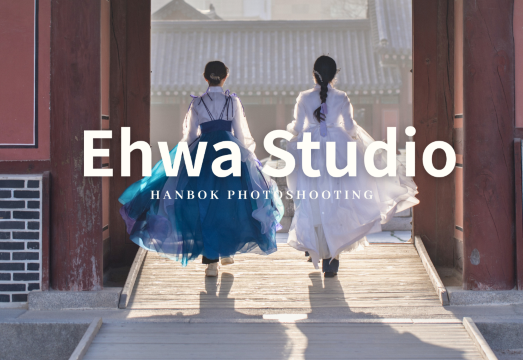
Seoul Ancient Palace Outdoor Photography Experience Seoul travel photography in South Korea[Ancient Palace Outdoor Photography Experience] provides a structured way to visit a notable attraction or cultural site. Seoul travel photography in South Korea[Ancient Palace Outdoor Photography Experience]: experience overview Our top picks include Korea's iconic attractions like Gyeongbokgung Palace, Bukchon, and Changdeokgung, capturing romantic moments in natural light to make every photo as beautiful as a movie scene.;Shot by professional Korean photographers with bilingual customer support in Chinese and English for seamless communication, even beginners can easily get started and enjoy with confidence.;You can quickly receive all JPG files and retouched photos via email within…
Half-Day DMZ Tour Led by a Retired Military Officer from Seoul – Guided Tour Half-Day DMZ Tour Led by a Retired Military Officer from Seoul adds structure, local context and purposeful sightseeing to the itinerary. Half-Day DMZ Tour Led by a Retired Military Officer from Seoul: experience overview This makes the experience a useful option when planning time in > Seoul local experienceSearch Results. The listing describes this as a half-day experience. Routes, start times, inclusions and meeting arrangements may vary, so the current booking page should be treated as the final source of operational information. At a glance Experience type: Guided sightseeing experience Destination: > Seoul local experienceSearch Results Duration: Half-Day Booking format:…
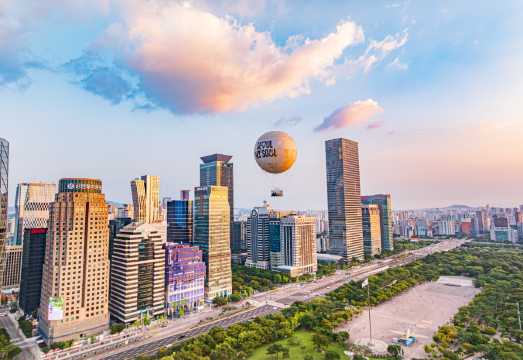
Seoul's New Sky Experience – SEOULDAL Ticket – Bookable Travel Experience Seoul's New Sky Experience | SEOULDAL Ticket provides a structured way to visit a notable attraction or cultural site. Seoul's New Sky Experience | SEOULDAL Ticket: experience overview 1. Unlock Seoul from new heights: Float at 130m for 360° panoramic views of Han River & Namsan Mountain;2. Safe and unique experience: Operated with a tethered helium balloon, offering a secure and unforgettable experience floating in the sky;3. Romantic Atmosphere: Discover the stunning views of Seoul during the day and the enchanting city lights at night, creating a truly romantic moment Available from trip.com. This makes the experience a useful option…
Quick take: Trip.com helps you compare prices across accommodations. Use it to shortlist hotels, then click through to confirm the final price, room type, and inclusions on the booking site.
,_South_Korea.jpg?width=1600)
![Full – Day tour to Korean Folk Village & Everland [Traditional Experience] – Guided Tour](https://ak-d.tripcdn.com/images//0582712000n196auz398A_C_960_660_Q50.jpg)