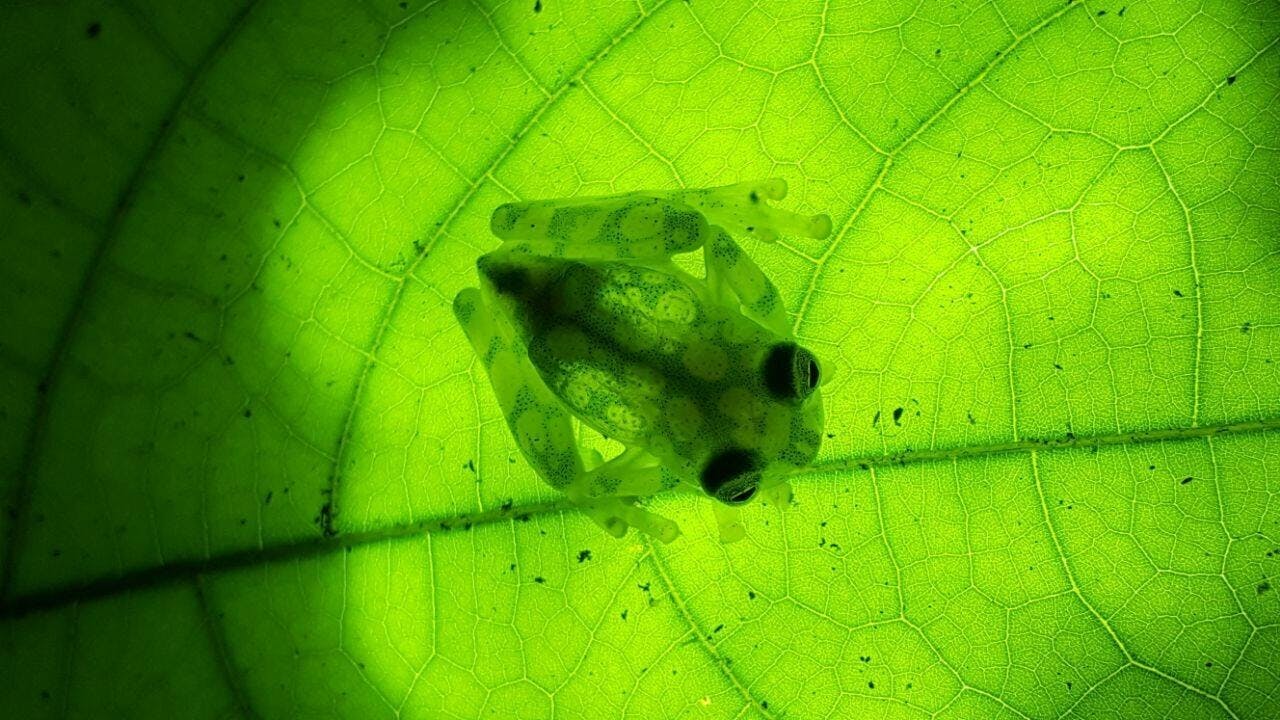
Tucked away on the remote Osa Peninsula in southwest Costa Rica, Corcovado National Park is nature’s unfiltered masterpiece — one of the planet’s most biodiverse spots, offering raw rainforest, wild beaches and wildlife in primeval splendour.
Why Visit
The park spans approximately 424 km² (about one-third of the Osa Peninsula) and protects some of the last remaining old-growth tropical rainforest on the Pacific coast of Central America.
It has been described by National Geographic as “the most biologically intense place on Earth” thanks to its staggering species richness.
The variety of ecosystems is astounding: from lowland rainforest and mangroves to sandy Pacific shores and wet-forest interior.
For travellers seeking something beyond the typical tourist path, Corcovado delivers: wild, remote, immersive.
Things to Do & See
1. Jungle Trails & Ranger Stations
6
The park has several ranger stations (such as Sirena Ranger Station, San Pedrillo Ranger Station) which serve as access points and bases for hiking into the forest.
Trails vary in length and difficulty; some are rugged and remote. The coastal trail along the Pacific and the inland trek each offer vastly different experiences.
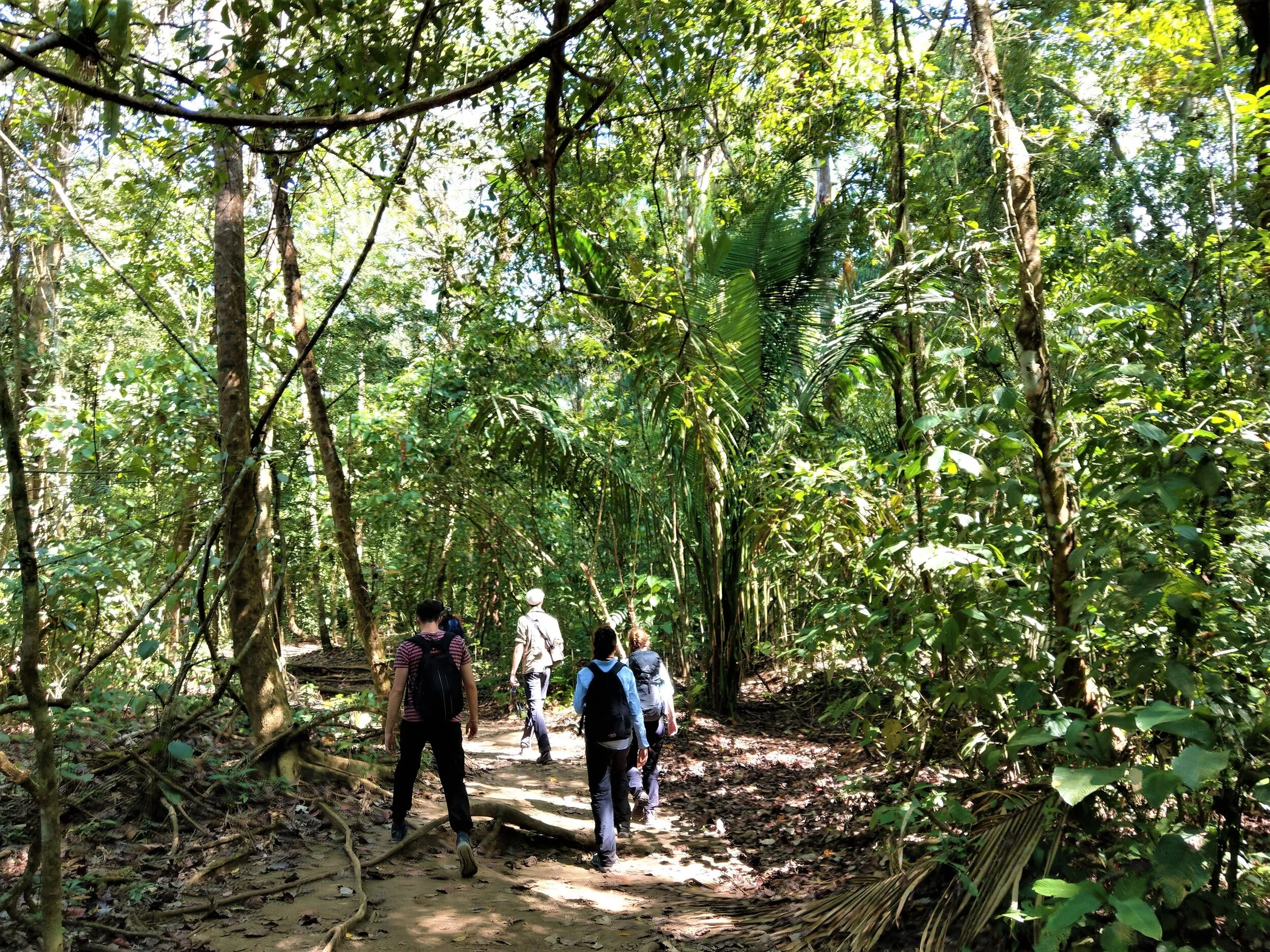
A guided hike through dense rainforest is a core experience: tree-canopies, leaf-litter, the sounds of howler monkeys echoing early morning.
2. Wildlife Watching
6
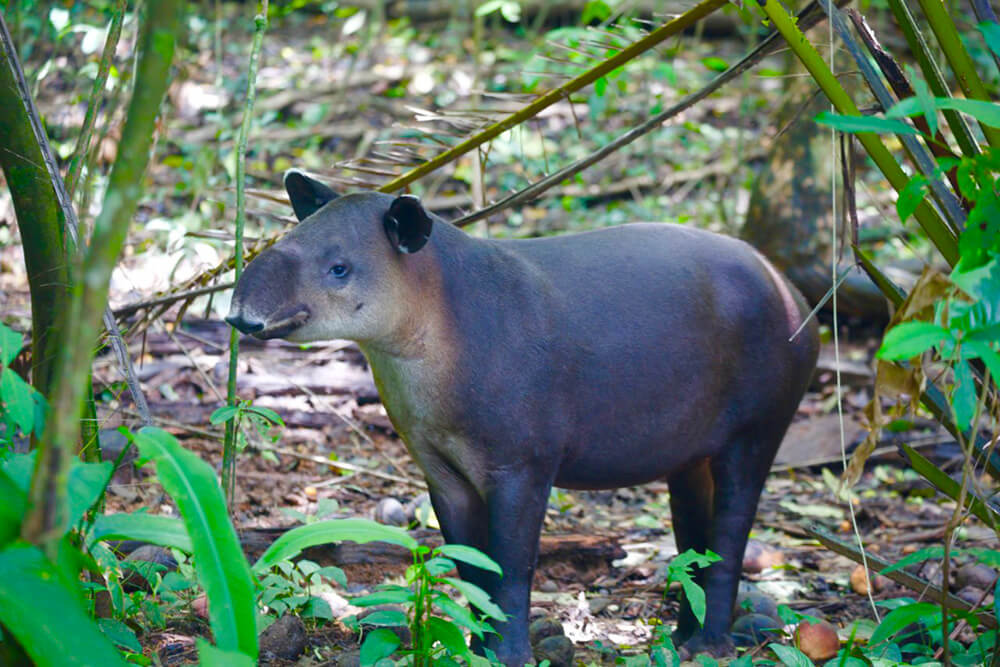
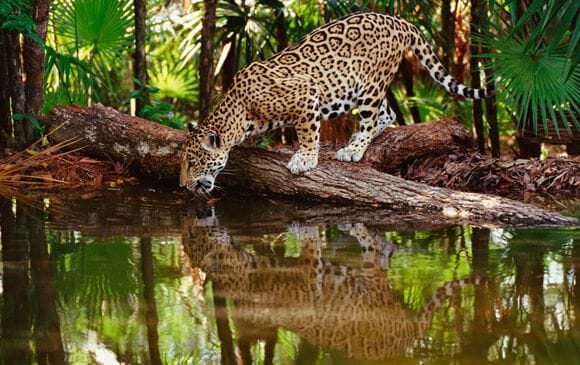
Expect a zoo of wildlife (in the wild): four species of monkeys (howler, capuchin, spider, squirrel), sloths, tapirs, peccaries, possibly even pumas or jaguars.
Bird-life is prolific: over 300 bird species have been recorded. Marcos of stunning scarlet macaws, toucans and more.
Beach-and-jungle combos: you may spot marine life on the shore too — the wild beaches of Corcovado aren’t just for relaxing.
3. Beach Time & Coastal Nature
6
Wild, undeveloped beaches—almost deserted at times—provide a contrast to the lush forest interior.
Coastal ecosystems (mangroves, lagoons) offer another facet of the park’s diversity.
Ideal for reflection after the intensity of jungle hiking.
Places to Stay & How to Base Yourself
Choose your base carefully: the two most accessible gateway towns are Drake Bay (on the west of the peninsula) and Puerto Jiménez (on the east). From there you take a boat, small aircraft or guided hike into the park.
Within the park, there are rustic lodging options at ranger stations like Sirena (basic dormitory style) if you want an overnight “deep-nature” experience.
Outside the park: select eco-lodge resorts, jungle-view cabins or boutique stays near the entrance. Staying nearby allows early morning entry (best for wildlife) and relaxation in evening.
Because of the remoteness and protected nature of the park, plan for fewer luxury amenities and more nature immersion.
Practical Considerations
Access: The park is remote. Some access points require boat rides, small planes or 4×4 tracks. Driving yourself may not always be feasible, especially in the rainy season.
Guide & Permit Required: All visitors must be accompanied by a certified guide and hold a valid permit to enter the park.
Best Time: Dry season (roughly December to April) offers better trail conditions and easier access; the rainy season brings lushness but also logistical challenges.
Lodging & Length: A day-trip is possible but you’ll see more (and fewer crowds, better light for wildlife) if you stay 2-3 nights.
packing: Expect swampy undergrowth, heat, humidity and rainforest conditions. Insect repellent, sturdy shoes, rain-jacket, dry-bag for gear—and patience for wildlife-spotting.
Respect the wild: This is a protected ecosystem. Stay on trails, minimise noise, do not feed wildlife, and follow your guide’s lead.
Why It’s Unique
Few places in the world offer such a combination of primary tropical rainforest, wild Pacific coastline and rich wildlife refuge in one compact area. Corcovado is not just a “nice nature park”—it’s a wilderness experience. The sense of remoteness, the density of life, the interplay between jungle and sea—all of this makes it more memorable than a casual nature outing. If you’re seeking to escape mass tourism and immerse in nature at its rawest, Corcovado is a standout.
Sponsored Popular Items
Quick take: Trip.com offers a worldwide selection of tours and attractions and hotels
Costa Rica Flavours & Nature Experience – Food & Drink Experience Costa Rica flavours and nature experience USD 174.97 explores the destination through flavour and regional customs. Costa Rica flavours and nature experience USD 174.97: experience overview This guided tour blends nature, wildlife and authentic Costa Rican flavours into one culture-filled day out in the countryside. You’ll begin with a dip at Posa Rio Celeste, where sky-blue natural pools and a waterfall are waiting. Next, you’ll visit a farm where sloths, monkeys and toucans are known to hang out. While you’re here, you’ll head off on a cacao, pineapple and coffee tour, learning how each one is grown – you’ll have…
Costa Rica white-water rafting and ATV tour from La Fortuna – Outdoor Adventure Costa Rica white-water rafting and ATV tour from La Fortuna adds movement, scenery and a more active element to the itinerary. Costa Rica white-water rafting and ATV tour from La Fortuna: experience overview Get ready for a full-day adventure on this white-water rafting and ATV tour. You’ll start with a safety briefing, before taking control of your ATV to zoom through the Costa Rican landscapes – you’ll pass canyon walls and the Arenal Volcano, and wind through the tropical plantations here. After another training session, you’ll raft down Rio Balsa, known for its thrilling rapids and the natural beauty of…
Costa Rica white-water rafting on the Sarapiqui River from La Fortuna – Outdoor Adventure Costa Rica white-water rafting on the Sarapiqui River from La Fortuna adds movement, scenery and a more active element to the itinerary. Costa Rica white-water rafting on the Sarapiqui River from La Fortuna: experience overview Splash into action on this white-water rafting tour, kicking things off with a scenic drive through yucca, pineapple and papaya plantations at the base of the Arenal Volcano. Then, at the river, you’ll gear up with a thorough training session, before taking on the exciting rapids of the Sarapiqui River. At the halfway point, you’ll stop to refresh with fresh tropical fruits on the riverbank,…
Half-Day river safari tour in Costa Rica – Wildlife & Nature Experience Half-day river safari tour in Costa Rica places landscapes, habitats or wildlife at the centre of the experience. Half-day river safari tour in Costa Rica: experience overview Costa Rica is famous for its wildlife, and you’ll see it first-hand on this half-day river safari. Spend a couple of hours gliding down a slow-flowing part of Penas Blancas River on a raft, where your guide will help you spot rainforest residents on the riverbanks, like monkeys, iguanas and colourful birds. If you’re lucky, you might see the small crocodiles that live here ducking under the water as you float past, or…
Half-Day white-water rafting tour in Costa Rica – Outdoor Adventure Half-day white-water rafting tour in Costa Rica adds movement, scenery and a more active element to the itinerary. Half-day white-water rafting tour in Costa Rica: experience overview Take off on this family-friendly white-water river rafting tour, suitable for adults and kids aged 8-12. Begin with a detailed safety briefing, then dive into two-hour adventure down the Balsa River. There’ll be a break halfway to relax on the riverbanks, with a refreshing swim and tasty tropical fruit snack. Then its back to the rapids – see if you can spot monkeys, sloths and toucans as you paddle along. Finally, you’ll wrap…
Nocturnal river safari in Costa Rica – Wildlife & Nature Experience Nocturnal river safari in Costa Rica places landscapes, habitats or wildlife at the centre of the experience. Nocturnal river safari in Costa Rica: experience overview Stealthily floating down the Penas Blancas River by night, you’ll be on the lookout for caimans who live in tangled tree roots and long-nosed bats streaking through the skies. Your local guide will share stories of the river’s history, wildlife and people, taking you to a family-run farm along the way to try some Costa Rican coffee, cheese and plantains. Afterwards, you’ll continue your nocturnal rafting safari downstream for more potential sightings of monkeys and…
Quick take: Trip.com helps you compare prices across accommodations. Use it to shortlist hotels, then click through to confirm the final price, room type, and inclusions on the booking site.
Costa Rica Terraba Sierpe mangrove tour with transfer from Uvita – Travel Service Costa Rica Terraba Sierpe mangrove tour with transfer from Uvita adds structure, local context and purposeful sightseeing to the itinerary. Costa Rica Terraba Sierpe mangrove tour with transfer from Uvita: experience overview The Terraba Sierpe mangrove ecosystem, one of the largest in Central America, takes the spotlight on this half-day guided tour. As you glide along its waterways, your guide will tell you about the history of the mangroves, as well as how important they are for the ecosystem here. Plus, you’ll be on the lookout for some of Costa Rica’s native flora and fauna – different species of birds,…
Costa Rica’s Corcovado National Park Rainforest hiking and boat trip – Scenic Cruise Costa Rica’s Corcovado National Park Rainforest hiking and boat trip presents the destination from the water and offers a different perspective. Costa Rica’s Corcovado National Park Rainforest hiking and boat trip: experience overview As you approach the Osa Peninsula by sea, get your camera ready for views of the Pandora-style rainforest that’s painted over the area. You’ll start with a gentle two-hour hike through Corcovado National Park, one of the most intensely biodiverse places on Earth, where your expert guide will help you spot native wildlife like tapirs, iguanas, monkeys and more. After recharging with a picnic lunch, you’ll have…
Sea kayaking tour at Marino Ballena National Park in Costa Rica – Outdoor Adventure Sea kayaking tour at Marino Ballena National Park in Costa Rica adds movement, scenery and a more active element to the itinerary. Sea kayaking tour at Marino Ballena National Park in Costa Rica: experience overview Take to the waves snorkelling and kayaking at Marino Ballena National Park, known for its whale-shaped sandbar, as well as the humpback whales that migrate to the area each year. The tour starts off with a safety briefing, before paddling towards the reefs for a snorkelling session. Then, you’ll kayak into the mangrove forest, where your guide will tell you about the ecosystem and the…
Whale and dolphin boat tour at Marino Ballena National Park in Costa Rica – Scenic Cruise Whale and dolphin boat tour at Marino Ballena National Park in Costa Rica presents the destination from the water and offers a different perspective. Whale and dolphin boat tour at Marino Ballena National Park in Costa Rica: experience overview You’ll always remember the moment you spot your first whale as it breaches the water, giving you that iconic photo as its tail goes straight up into the air as it dives. And humpback whales are the star attraction on this boat trip around Marino Ballena National Park. You stand a pretty good chance of seeing them in their natural habitat,…
Pura Vida Sunset Cruise Costa Rica – Guanacaste Scenic Cruise Step aboard a luxury sailboat for an unforgettable day on the Pura vida Costa Rican waters. Cruise along the scenic coastline, passing by golden beaches and lush tropical backdrops. At select stops, you’ll drop anchor to swim, snorkel, or explore ashore, discovering the vibrant marine life and idyllic beauty of the Pacific. Back on board, sip on premium cocktails, wine, or fresh juices while snacking on tropical treats. A delicious lunch will be served to keep you fueled for adventure. As the day winds down, sit back and relax on deck with a drink in hand as the sun sets…
Nocturnal Experience with Typical Costa Rica Dinner Nocturnal Experience with typical dinner explores the destination through flavour, regional customs and the stories connected with food or drink. Nocturnal Experience with typical dinner: experience overview Discover the nocturnal wonders of Costa Rica. Begin your experience with a 30-minute drive through the charming town of La Tigra, where the Mendez Family will greet you. This traditional Costa Rican family lives off the land, committed to plant and wildlife conservation and protection. Follow the estate's trail alongside a small patch of regenerating forest with water mirrors that facilitate the observation of nightlife such as birds, nocturnal mammals, amphibians, bats, and…
Quick take: Trip.com helps you compare prices across accommodations. Use it to shortlist hotels, then click through to confirm the final price, room type, and inclusions on the booking site.