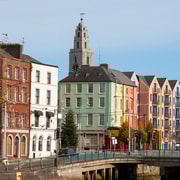
Cork Visitor Guide: Top Attractions, Tours & Activities
Cork is best suited to food lovers, city-break travellers and visitors exploring southwest Ireland. Check current availability, inclusions and booking details before you go.
Visiting Cork: Things to Do and Practical Travel Advice
Cork is best suited to food lovers, city-break travellers and visitors exploring southwest Ireland. Cork is a compact riverside city with markets, hills and a strong independent food culture. It also works as a base for Blarney, Cobh, Kinsale and the wider southwest. This guide explains what is genuinely worth prioritising, how long to allow and how the tours and activities shown on the product page can fit into a realistic visit.
Explore current options for Cork Visitor Guide
Check the supplier for current availability, pricing, inclusions and booking conditions.
Cork is a compact riverside city with markets, hills and a strong independent food culture. It also works as a base for Blarney, Cobh, Kinsale and the wider southwest.
A sensible stay is usually 2–3 days. Travellers with less time should choose two or three priorities rather than rushing between distant sights. The product page currently brings together options such as food tours, city walks, Blarney and Cobh excursions, harbour trips and private regional tours. Availability, language, meeting points and cancellation terms can change by date, so read the individual activity details before booking.
Top Things to Do in Cork
English Market
Browse one of Ireland’s best-known covered food markets during trading hours.
Shandon Bells area
Climb the hill for city views and visit the historic church district.
Cobh
Take the train to the colourful harbour town associated with emigration and maritime history.
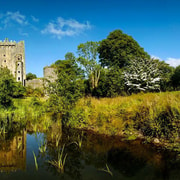
Blarney Castle
Plan an early visit if you want the famous stone and gardens without peak queues.
Planning Your Visit
Getting around
The central island is walkable, though surrounding streets are hilly. Trains and buses reach Cobh and other nearby destinations.
When to go
Spring to early autumn gives longer days, but waterproof clothing is useful year-round.
Allow realistic travel time
Do not judge journey times by distance alone. Historic centres may be pedestrianised, coastal and mountain roads can be slow, and ferries or outdoor activities may depend on weather. Confirm opening times and transport schedules shortly before travelling, especially outside peak season.
What to Eat and Drink
Visit the English Market and try seafood, farmhouse cheese, soda bread, black pudding and local craft products.
For a more authentic experience, choose busy local businesses with clearly displayed prices and menus. Reserve ahead for destination restaurants, winery visits, cooking classes and seasonal specialities.
Tours, Tickets and Experiences
Pre-booking is most useful for limited-capacity attractions, guided tours, boat departures, popular museums and experiences that require transport. Compare the duration, inclusions, accessibility, language and meeting point rather than selecting on price alone. A private tour can be worthwhile for groups or complicated routes, while a small-group experience often provides useful context without the cost of a fully private guide.
A practical starting point is 2–3 days. Add more time if you plan several day trips, long hikes, beach days or weather-dependent boat activities.
Do I need to book tours in advance?
Book ahead for the most popular attractions, small-group tours, food experiences and boat trips. Flexible city walks may be arranged closer to the day, but checking availability early gives you more choice.
Is Cork easy to explore independently?
Many central sights can be visited independently, but a guided tour is useful when transport is complicated, historical context matters or attractions are spread across a wider region.
What should I check before paying?
Confirm the date, start time, exact meeting point, language, accessibility, transport arrangements, age or fitness restrictions, weather policy and cancellation conditions. Prices and schedules can change, so rely on the live booking page for the final details.
Ready to plan Cork Visitor Guide?
Check the supplier for current availability, pricing, inclusions and booking conditions.
Shore Tour from Cork: Blarney, Kinsale & Cork Best deals for Shore Tour from Cork: Blarney, Kinsale & Cork. The tour visits Blarney Castle, Cork City, and Kinsale. Passengers will enjoy a panoramic drive through the Cork countryside. Available from getyourguide.com.
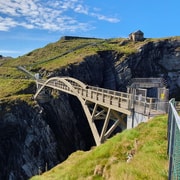
Guided West Cork to Mizen Head Tour from Cork City: Discover Ireland's Wild Atlantic Way Ireland Experience the spectacular natural beauty of southwest Ireland on a guided full-day tour from Cork City to Mizen Head, one of the country's most dramatic coastal destinations. This memorable journey travels through the beautiful landscapes of West Cork, combining peaceful mountain lakes, historic Irish villages, colourful market towns and breathtaking Atlantic Ocean scenery. Along the way, discover the enchanting Gougane Barra National Forest Park, explore the traditional market town of Bantry, admire the towering cliffs and famous bridge at Mizen Head, and experience the welcoming atmosphere of Clonakilty. Located on Ireland's rugged southwestern coastline, Mizen Head is famous for its…
West Cork to Mizen Head Full-Day Tour from Cork City: Discover Ireland's Wild Atlantic Way Ireland Discover the dramatic beauty of southwest Ireland on a full-day guided tour from Cork City to Mizen Head, one of the country's most spectacular coastal destinations. This memorable journey explores the rugged landscapes of West Cork, travelling through picturesque countryside, traditional Irish market towns, peaceful forests and the breathtaking Atlantic coastline. Along the way, visitors discover the enchanting Gougane Barra Forest Park, explore the lively market town of Bantry, admire the towering cliffs of Mizen Head and wander through the colourful streets of Clonakilty. Located at the southwestern tip of the Mizen Peninsula, Mizen Head is one of Ireland's most…
Cork: City Gaol Tour with Audio Guide Best deals for Cork: City Gaol Tour with Audio Guide. Wander the halls of the Cork City Gaol, a 19th-century architectural marvel and gateway through time. Discover the stories of inmates and learn what life was like within the jail walls. Available from getyourguide.com.
Cork: Guided City Bike Tour with Local Guide Best deals for Cork: Guided City Bike Tour with Local Guide. New to Cork? Get your bearings and explore the city's highlights, riverside paths and local favourites on a relaxed small-group standard bike tour with a Cork native guide. Available from getyourguide.com.
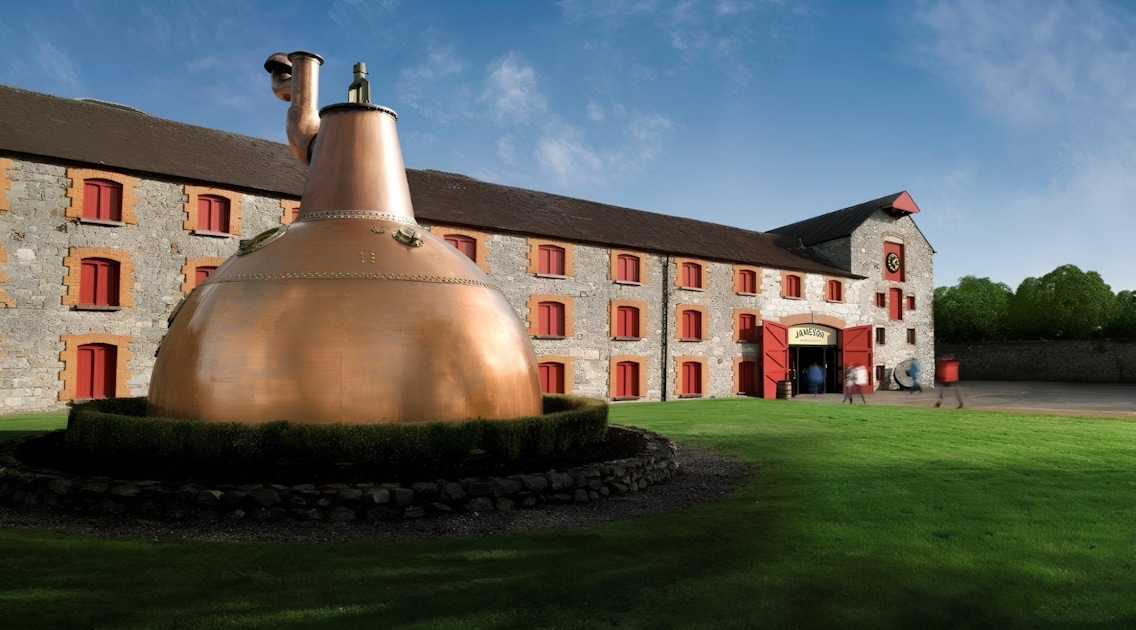
Cork Wine, Drinks & Tasting Experiences Guide Ireland Cork combines a lively river city, major food market, Irish whiskey traditions and access to harbour towns and fertile countryside. Check current availability, inclusions and booking details before you go.
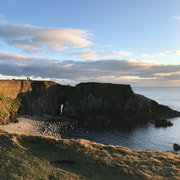
Toe Head Clifftop Hike in West Cork: Explore Ireland's Wild Atlantic Way with Coffee & Cookies Ireland Discover one of Ireland's lesser-known coastal treasures on the Toe Head Clifftop Hike in West Cork, a guided walking adventure along the spectacular Wild Atlantic Way. This memorable outdoor experience combines breathtaking Atlantic Ocean views, dramatic coastal cliffs, ancient archaeological sites, fascinating Irish folklore and beautiful natural landscapes. Located on the rugged Toe Head Peninsula in County Cork, this scenic walking route offers visitors an opportunity to explore a quieter and more authentic side of Ireland's southwest coastline. Accompanied by an experienced local guide, participants follow coastal trails through wildflower-covered heathland, discover historical landmarks and enjoy stories about the region's…
From Dublin: Cork, Cahir Castle, Rock of Cashel Tour in Spanish Ireland Best deals for From Dublin: Cork, Cahir Castle, Rock of Cashel Tour in Spanish. The south of Ireland has some of the most spectacular places that this wonderful island has to offer. Visit the majestic Cahir Castle, the picturesque city of Cork and the medieval Rock of Cashel. Available from getyourguide.com.