Home » Travel Guides & Destinations » Bioparc Fuengirola Tickets: Complete Visitor Guide to the Costa del Sol – Attraction Entry
Bioparc Fuengirola Tickets: Complete Visitor Guide to the Costa del Sol – Attraction Entry
$34.00
Bioparc Fuengirola is a compact wildlife park in the centre of Fuengirola on Spain’s Costa del Sol. Check current availability, inclusions and booking details before you go.
Bioparc Fuengirola is a compact wildlife park in the centre of Fuengirola on Spain’s Costa del Sol. Instead of arranging animals in rows of traditional cages, the park uses landscaped habitats, vegetation, waterways, rock formations and carefully positioned viewing areas to recreate tropical environments from several parts of the world.
The Bioparc Fuengirola entrance ticket allows visitors to explore the park independently and see more than 200 animal species associated with rainforest and tropical ecosystems.
Possible highlights include gorillas, chimpanzees, orangutans, lemurs, tigers, leopards, pygmy hippopotamuses, Komodo dragons, crocodiles, red pandas, exotic birds, reptiles, fish and many smaller species that are less familiar to most visitors.
The park is particularly convenient for families and travellers without a car because it is located within walking distance of Fuengirola railway station, the bus station, the beach and the town centre.
Most visitors need approximately three hours, although animal enthusiasts and families attending several educational activities may prefer to allow half a day.
Bioparc Fuengirola is a modern zoological park specialising in rainforest animals and immersive habitat design.
The park was previously known as Fuengirola Zoo but was redeveloped around a concept sometimes described as zoo immersion. Paths, planting, architecture and animal habitats are arranged to make visitors feel as though they are moving through different tropical regions.
Recreated settings include:
Equatorial African forest
Southeast Asian jungle
Madagascan landscapes
Indo-Pacific islands
Central and South American rivers, forests and wetlands
The park is not enormous, which is one of its advantages. It is possible to see the main areas without walking the distances required at larger zoos.
However, the naturalistic habitats also give animals places to hide, rest or move away from visitors. Seeing every animal immediately is not guaranteed.
Why Visit Bioparc Fuengirola?
Bioparc Fuengirola is a practical attraction for families, wildlife enthusiasts and travellers looking for a break from the Costa del Sol’s beaches.
Reasons to consider visiting include:
More than 200 animal species
Compact and walkable layout
Naturalistic habitat design
Educational talks and keeper activities
Walk-through lemur experience
Indoor and shaded areas
Central Fuengirola location
Good access by train and bus
Full accessibility for wheelchairs and pushchairs
Restaurants and refreshment outlets inside
Conservation and breeding programmes
The park can also work well on an arrival or departure day because it does not require a full-day excursion or long journey into the countryside.
Main Habitats and Park Areas
The visitor route passes through several themed ecological regions. Each area combines animal enclosures with plants, water features, ruins, bridges and architectural details inspired by the corresponding part of the world.
The main areas include:
Equatorial Africa
Madagascar Island
Southeast Asia
Indo-Pacific
Central and South America
The park’s layout is designed as a continuous journey. Pick up a map or use the official app so you do not miss smaller exhibits, aquariums or bird areas.
Equatorial Africa
The Equatorial Africa section recreates forests, wetlands and river valleys inspired by Central Africa.
Animals associated with this area can include:
Western lowland gorillas
Chimpanzees
Pygmy hippopotamuses
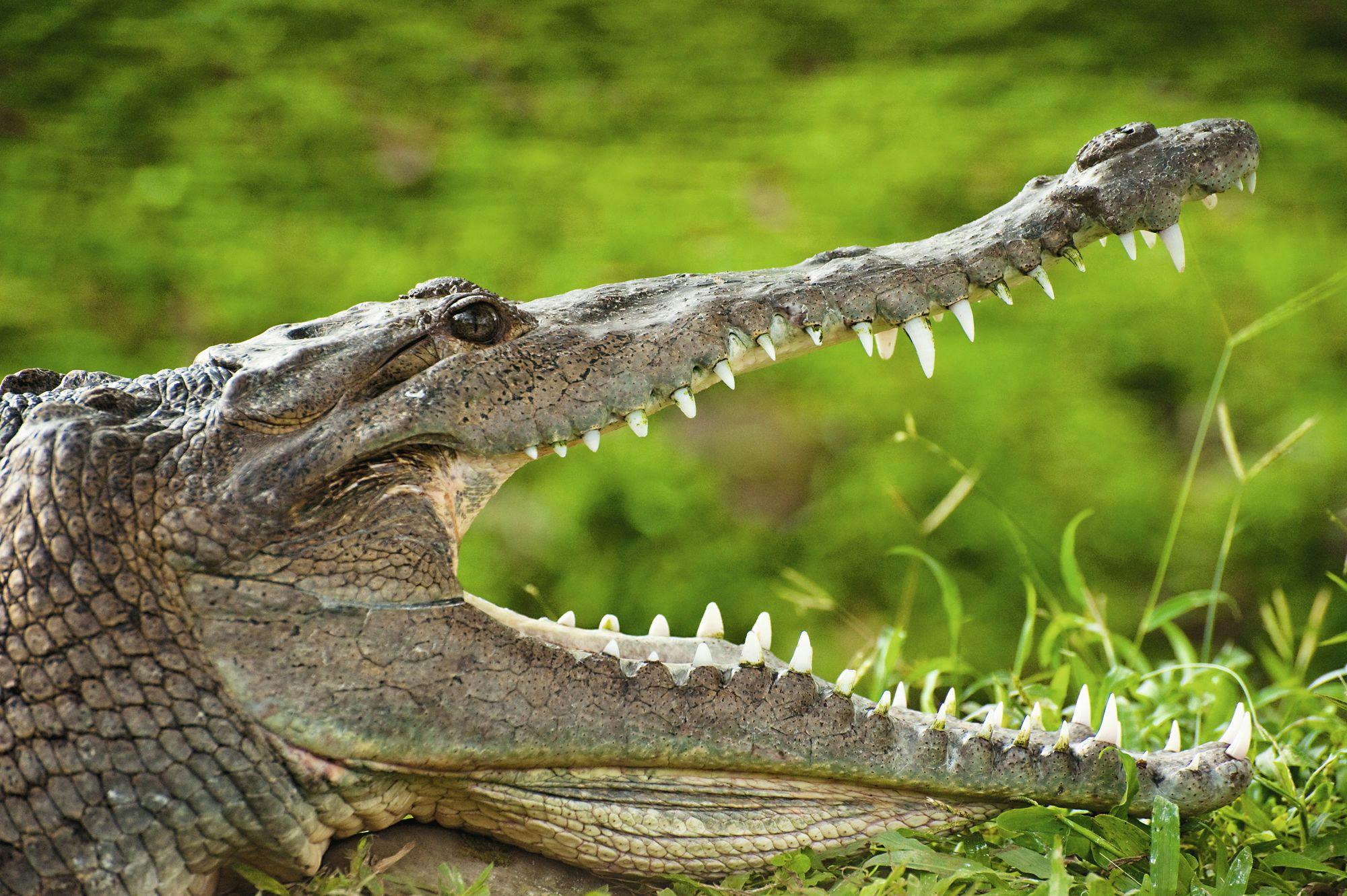
Crocodiles
Antelopes
Small primates
Water birds
Reptiles and insects
Gorillas
The gorilla habitat is one of the park’s major attractions. Viewing points allow visitors to observe the family group as they feed, rest, climb and interact.
The animals may spend time in shaded or less visible parts of the habitat, particularly during hot weather. Return later if the first viewing point appears quiet.
Chimpanzees
Chimpanzees live in a large, complex habitat with climbing structures and areas where they can move away from public view.
Keeper talks sometimes explain their intelligence, social behaviour, diet and relationship to humans.
Pygmy Hippopotamuses
Pygmy hippos are smaller and more forest-adapted than the common hippopotamus. They spend more time alone and move through dense vegetation rather than living in large river groups.
They can be difficult to spot when resting in water or shade, so examine the habitat carefully.
Madagascar Island and the Lemurs
Madagascar Island is one of the most distinctive parts of Bioparc Fuengirola.
Visitors enter through a large artificial baobab tree and join a controlled walk-through experience where lemurs can move freely without a conventional visual barrier between the animals and the public.
Possible species include:
Ring-tailed lemurs
Red-fronted lemurs
Black-and-white ruffed lemurs
Other Madagascan birds and animals
Visits usually operate at scheduled intervals and have limited capacity. Check the time displayed at the baobab entrance when you arrive.
Visitors must not touch, chase, feed or attempt to pose with the lemurs. The animals decide how close they wish to come.
This activity can be one of the best experiences in the park, but it is important to remain quiet and follow the educator’s instructions.
Southeast Asia
The Southeast Asia area combines dense vegetation, temple-style ruins, water and large forest habitats.
Animals may include:
Sumatran tigers
Orangutans
Leopards
Gibbons
Binturongs
Asian otters
Hornbills
Tropical reptiles
Tigers
The tiger habitat includes vegetation, rocks, water and sheltered areas. Tigers frequently rest during the warmest part of the day, so early morning or later afternoon may provide better chances of seeing movement.
Orangutans
Orangutans are among the park’s most popular animals. Their habitat contains ropes, platforms and climbing structures intended to encourage natural movement.
Young animals can be particularly active, although activity varies from day to day.
Binturongs
The binturong is a tree-dwelling mammal from Southeast Asia, sometimes called a bearcat even though it is neither a bear nor a cat.
It can be difficult to see when sleeping high in the branches, so look above eye level.
Indo-Pacific Area
The Indo-Pacific area focuses on animals from tropical islands, coasts and forests.
One of its most famous inhabitants is the Komodo dragon, the world’s largest living lizard.
Other animals may include:
Komodo dragons
Cassowaries
Monitor lizards
Giant tortoises
Asian turtles
Fish and aquatic species
Tropical birds
Komodo Dragons
Komodo dragons are powerful reptiles native to a small group of Indonesian islands.
During cooler weather or for veterinary reasons, they may remain in indoor or sheltered facilities rather than the outdoor exhibit.
Do not use flash photography or tap the glass to encourage movement.
Central and South America
The Central and South America area extends the park’s rainforest theme into rivers, coastlines, aquariums and tropical forest.
It includes aquatic exhibits and a walk-through aviary arranged as a one-way route.
Animals may include:
Golden lion tamarins
Small South American monkeys
Toucans
Parakeets
Axolotls
Freshwater and saltwater fish
Turtles
Tropical birds
The aquarium and aviary may open slightly later or close earlier than the main park. Visit them before the final hour of the day rather than leaving them until the end.
Animals You May See
Bioparc Fuengirola houses more than 200 species, although the precise collection changes because of births, transfers, veterinary care and conservation breeding programmes.
Well-known animals can include:
Gorillas
Chimpanzees
Orangutans
Sumatran tigers
Leopards
Lemurs
Red pandas
Pygmy hippopotamuses
Komodo dragons
Crocodiles
Gibbons
Meerkats
Giant tortoises
Hornbills
Golden lion tamarins
Less familiar animals are an important part of the experience. Look beyond the large mammals for reptiles, insects, amphibians, birds and small primates.
No particular animal sighting is guaranteed. Animals may rest, hide or remain indoors because of weather, health or husbandry requirements.
Educational Activities and Animal Talks
Daily programming can include keeper talks, feeding demonstrations, bird and mammal presentations and guided entry to Madagascar Island.
Examples of activities that may appear on the daily agenda include:
Gorilla feeding talks
Small-primate feeding sessions
Bird and mammal educational presentations
Guided Madagascar Island visits
Introductions to the Congo Valley animals
Seasonal workshops
Most standard educational activities are included with park admission, but special experiences can require a separate ticket or payment.
The virtual-reality ocean experience is an example of an optional activity that may cost extra.
Schedules change frequently. Check the official daily agenda, park app or information board on arrival.
What Is Included?
The Musement booking includes:
One admission to Bioparc Fuengirola
Independent access to the main animal habitats
Standard educational activities operating during the visit
Madagascar Island access when available and capacity permits
Mobile voucher acceptance
Instant booking confirmation
The ticket provides one entry only. Leaving and returning later with the same ticket is not normally permitted unless staff make a specific exception.
What Is Not Included?
The standard Musement ticket does not include:
Hotel pickup or drop-off
Transport to Fuengirola
Food and drinks
Optional virtual-reality experiences
Souvenirs
Parking
Private animal encounters
Professional photographs
The Musement description mentions that some booking choices may occasionally be available with a lunch menu. However, the current inclusion shown on the listing is park entrance only. Check the exact option at checkout before assuming food is included.
Practical Ticket Information
Attraction: Bioparc Fuengirola
Location: Fuengirola, Málaga, Spain
Address: Calle Camilo José Cela, 6–8, 29640 Fuengirola
Musement price: From $33.00
Suggested duration: 2 to 4 hours
Average official visit time: Approximately 3 hours
Opening: Daily from 10:00am
Closing: Varies by season and daylight
Mobile voucher: Accepted
Confirmation: Instant
Accessibility: Fully accessible route
Provider: TUI España Turismo, S.L.U.
Booking fee: No additional Musement booking fee
Cancellation: Full refund when cancelled up to one day before the visit
Prices and seasonal schedules can change. The selected date and final voucher should be treated as the controlling booking information.
Opening Hours and Best Time to Visit
Bioparc Fuengirola opens every day of the year at 10:00am.
The closing time changes according to the season, daylight and special events. The final admission time is normally one hour before closing.
Some exhibits, including aquariums, aviaries and Madagascar Island, may close before the main park.
Morning
Arriving at opening time usually offers cooler conditions, smaller crowds and a better chance of seeing active animals.
Midday
The park can become hot during summer. Many large animals rest in shade at this time.
Late Afternoon
Later visits can be comfortable and some animals may become more active, but do not arrive so late that you miss the aquariums, aviary or scheduled activities.
Summer Evening Opening
Extended evening hours and nocturnal-animal experiences have operated during parts of July and August.
These arrangements are seasonal and should be confirmed for the chosen date rather than assumed.
How Long Should You Allow?
The official average visit time is approximately three hours.
Allow closer to four hours when you want to:
Attend several talks
Visit Madagascar Island
Eat inside the park
Travel with young children
Take photographs
Return to habitats when animals are initially hidden
A rushed two-hour visit is possible because the park is compact, but you may miss activities and smaller habitats.
Location and How to Get There
Bioparc Fuengirola is located beside Fuengirola Town Hall at:
Calle Camilo José Cela, 6–8
29640 Fuengirola
Málaga, Spain
By Train
Fuengirola is the final stop on the C1 Cercanías railway line from Málaga, Málaga Airport, Torremolinos and Benalmádena.
The station is approximately 600 metres from the park, making the walk manageable for most visitors.
By Bus
Fuengirola bus station is approximately 700 metres away.
On Foot
The park is around five minutes from central Fuengirola and the beach, depending on the starting point.
Sohail Castle is approximately a 15-minute walk away.
By Car
Use the N-340 and follow signs toward central Fuengirola.
The park does not have its own private car park. The Plaza de España underground car park is opposite or very close to the attraction.
Bioparc visitors may receive a substantial parking discount. Ask the ticket-office or shop staff to validate the arrangement before paying for parking.
Accessibility and Visiting with Children
The official park guidance describes the visitor route as fully accessible for people with reduced mobility and baby pushchairs.
The compact layout is helpful for older visitors, although some slopes and long periods of standing may still be tiring.
Visitors with mobility requirements should consider:
Using a wheelchair or mobility aid where appropriate
Planning regular café breaks
Checking whether all temporary activities are accessible
Visiting during cooler hours
Children
Bioparc Fuengirola is well suited to families. Children can see large mammals, reptiles, birds, fish and walk-through lemur habitats within a relatively small area.
Children under 16 must remain accompanied by a responsible adult.
A play area is available near one of the food outlets, although children must still be supervised.
Official Age Categories
The park’s standard official ticket categories generally classify:
Children under 3: free
Children aged 3 to 9: child admission
Visitors aged 10 and older: general admission unless another concession applies
Visitors aged 65 and older: senior admission
The age categories offered through Musement should be checked during checkout.
Food, Drinks and Lunch Options
Food and drinks from outside are generally not permitted inside the park.
Exceptions can apply for:
Babies
Young children’s snacks
Medical or dietary requirements
Food intolerances
Inform the entrance staff if you need to carry food for one of these reasons.
Food outlets inside the park can include cafés, kiosks and casual restaurants serving:
Sandwiches
Salads
Burgers
Pizza
Children’s meals
Coffee
Ice cream
Soft drinks
Light snacks
Vegetarian, gluten-sensitive, intolerance-aware and halal choices may be available, but visitors with serious allergies should confirm preparation arrangements directly.
Important Park Rules
Visitors must follow rules intended to protect animals, staff and other guests.
Do not feed the animals
Do not touch or chase animals
Do not throw objects into habitats
Do not tap on enclosure glass
Do not use flash photography
Remain on marked visitor paths
Do not bring pets
Guide and recognised assistance dogs require appropriate documentation
Do not bring bicycles, skateboards, balls or balloons
Do not smoke inside the park
Do not take commercial photographs or video without permission
Children under 16 must remain accompanied
Personal photography is normally permitted.
Visiting in Hot or Rainy Weather
Hot Weather
Fuengirola can be very hot in summer. The Musement listing advises avoiding the hottest part of the day.
Useful precautions include:
Arrive at 10:00am
Wear a hat
Apply sunscreen
Carry water purchased according to park rules
Use shaded paths
Take regular breaks
Do not expect constant animal activity at midday
Rainy Weather
The park normally remains open in rain, and many animals continue to use the outdoor habitats.
Bring a light waterproof jacket and shoes with good grip. Some viewing areas and indoor exhibits provide shelter.
Weather, cold temperatures or veterinary requirements can affect which animals are visible.
Conservation and Animal Welfare
Bioparc Fuengirola participates in breeding and conservation programmes for threatened species.
Its work includes:
European coordinated breeding programmes
Research and veterinary care
Public education
Support for wildlife projects in natural habitats
Habitat and species awareness campaigns
Species connected with conservation work have included pygmy hippos, Bornean orangutans, Komodo dragons and rare birds.
The habitats provide indoor and outdoor spaces adapted to different animals, including heating, pools, sheltered areas and places where animals can avoid public view.
Visitors have different personal views about zoos. Those who choose to attend should behave quietly, avoid disturbing the animals and use the visit as an opportunity to learn about habitat loss and species protection.
Tips for a Better Visit
Arrive near opening time: Conditions are cooler and animals may be more active.
Check the activity board first: Plan the route around talks and Madagascar visits.
Do not rush past quiet habitats: Animals may be hidden among vegetation.
Return later: A sleeping tiger or hidden hippo may become visible.
Visit the aquariums before the end: They can close earlier than the main park.
Book Madagascar early: Walk-through visits have limited capacity.
Wear comfortable shoes: Expect several hours of walking and standing.
Use sun protection: Not all paths are continuously shaded.
Bring a charged phone: It is useful for the mobile ticket, map and park app.
Keep the booking confirmation available: Mobile reception may vary.
Ask about parking validation: Do this before leaving the park.
Respect the animals: Never tap glass, shout or use flash.
Check closing times: They vary throughout the year.
What Else to Do in Fuengirola
Fuengirola Beach
The town has a long urban beach lined with cafés, restaurants and a seafront promenade.
Sohail Castle
Sohail Castle stands on a hill near the river and coast. It is within walking distance of the park and can be combined with the same day.
Fuengirola Old Town
The streets around Plaza de la Constitución contain shops, cafés and restaurants.
Fuengirola Marina
The marina offers boat excursions, restaurants and waterfront views.
Los Boliches
Los Boliches is a lively district north of central Fuengirola with beaches, local restaurants and its own railway station.
Mijas Pueblo
The whitewashed village of Mijas is located in the hills above Fuengirola and is reachable by bus, taxi or organised tour.
Are Bioparc Fuengirola Tickets Good Value?
Bioparc Fuengirola can offer good value for visitors who are interested in animals, conservation and immersive habitat design.
The attraction provides:
More than 200 species
Several themed habitat regions
Keeper talks and educational sessions
A walk-through lemur experience
Approximately three hours of sightseeing
A central location requiring little additional transport
The value is particularly strong for families and visitors staying in Fuengirola, Benalmádena, Torremolinos or Málaga with access to the C1 train line.
It may offer less value to travellers who are uncomfortable visiting captive-animal attractions or who expect a very large safari-style zoo.
The Musement ticket has a useful free-cancellation policy, but it is worth comparing the final price with the official park rate and any current promotions before purchasing.
Frequently Asked Questions About Bioparc Fuengirola
How much does the Musement ticket cost?
The current listing shows prices starting from $33.00.
What does the ticket include?
It includes one entry to Bioparc Fuengirola and access to the standard park habitats and activities operating during the visit.
Is lunch included?
The current inclusion is park entry only. Food is not included unless a specific meal option is clearly selected during checkout.
How long should I spend there?
The average visit takes approximately three hours. Allow up to four hours when attending talks or eating inside.
What time does the park open?
Bioparc Fuengirola opens every day at 10:00am.
What time does it close?
Closing time varies by season and daylight. Check the official schedule for the selected date.
When is the last entry?
Final access is normally one hour before the park closes.
Can I leave and return?
Normally no. The standard ticket permits one entry only unless staff approve an exceptional arrangement.
Can I use a mobile ticket?
Yes. Musement accepts a mobile voucher.
Is the park suitable for children?
Yes. Its compact layout, large animals, aquariums, lemurs and educational activities make it suitable for families.
Do children enter free?
Under the official park structure, children under three are normally admitted free. Check the age categories shown by Musement.
Is Bioparc Fuengirola wheelchair accessible?
Yes. The official guidance describes the visitor route as fully accessible.
Can I take a pushchair?
Yes. Pushchairs and children’s tricycles are permitted.
Can I bring food?
Outside food is generally prohibited, with exceptions for babies, children’s snacks and medical or intolerance-related needs.
Are restaurants available?
Yes. Cafés, kiosks and casual food outlets operate inside the park.
Can I feed the animals?
No. Feeding animals is strictly prohibited.
Can I touch the lemurs?
No. Visitors may enter their walk-through environment during supervised sessions but must not touch or feed them.
Are all animals guaranteed to be visible?
No. Animals can hide, sleep, remain indoors or be unavailable because of weather or veterinary care.
Can I take photographs?
Personal photography is permitted, but flash and commercial photography without approval are prohibited.
Are pets allowed?
No. Only properly documented guide or assistance dogs are permitted.
Is there parking?
The park does not operate its own car park. Plaza de España parking is nearby and may offer a validated visitor discount.
How far is it from Fuengirola train station?
The railway station is approximately 600 metres from the entrance.
Does the park open when it rains?
Yes, it normally operates during rain, although particular animals or activities may be affected.
Are night visits available?
Extended summer opening and nocturnal-animal programmes may operate during July and August. Confirm the timetable for the selected date.
Can I cancel the ticket?
Yes. The Musement listing offers a full refund when cancellation is completed up to one day before the visit.
Are additional booking fees charged?
No additional Musement booking fee is applied.
Is Bioparc Fuengirola worth visiting?
Yes, for families, animal enthusiasts and travellers wanting a compact attraction close to Fuengirola’s beach and railway station.
Final Thoughts
Bioparc Fuengirola provides an accessible and well-designed wildlife experience in the centre of one of the Costa del Sol’s main resort towns.
The compact layout allows visitors to move through African, Asian, Madagascan, Indo-Pacific and American habitats without spending an entire day walking around a very large zoo.
Highlights can include gorillas, orangutans, tigers, pygmy hippos, Komodo dragons and a supervised walk-through environment with lemurs.
Allow approximately three hours and arrive near 10:00am during summer to avoid the strongest heat. Check the daily activity schedule immediately, as keeper talks and Madagascar visits can strongly improve the experience.
The standard Musement booking includes park entry only. Meals, parking and optional premium activities are extra.
Remember that closing times vary, some individual areas close before the park, and animals are not always visible on demand.
For visitors staying in Fuengirola or travelling along the Málaga coastal railway, Bioparc Fuengirola is one of the easiest family attractions to reach without a car.
This highly acclaimed zoological park replaces cages and bars with beautifully designed enclosures filled with greenery, rivers and exotic temples. This entrance ticket lets you explore at your own pace, and you choose to book with the park’s lunch menu included, too.
See everything from tigers and cheeky chimps, to gorillas, meerkats and reptiles. Don’t miss the leaping monkeys on Lemur Island and some really unusual creatures such as the Komodo dragon and pygmy hippos. There are special shows and night time opening mid-summer, where you get to see nocturnal creatures come to life – a really unusual thing to witness. It’s compact and located just 10 minutes’ walk from the train station. It does away with traditional cages, so you can get centimetres from the creatures with nothing in between apart from almost invisible glass barriers.
Bioparc Fuengirola is also extremely active in conservation and educational work and is involved in several important breeding programmes designed to help the survival of endangered species. It’s not just for families – the park attracts thousands of mature visitors and is perfectly accessible for wheelchairs and the less mobile.
Available from musement.com.
Ready to book Bioparc Fuengirola Tickets: Complete Visitor Guide to the Costa del Sol – Attraction Entry?
Check the supplier for current availability, pricing, inclusions and booking conditions.
Tangier Guided Tour and lunch from the Costa del Sol – Food & Drink Experience Spain Plan Tangier Guided Tour and lunch from the Costa del Sol – Food & Drink Experience, a food and drink experience, with practical tips on timing, inclusions and what to check before booking. Compare current availability, prices and booking conditions before you go.
Granada Full-Day Tour from Costa Del Sol Spain Granada full-day tour from Costa del Sol USD 117 adds structure, local context and purposeful sightseeing to the itinerary. Check current availability, inclusions and booking details before you go.
Crocodile Park – Costa Del Sol Guided Tour Spain Crocodile Park is a convenient way to add structure, local context and purposeful sightseeing to the itinerary. Check current availability, inclusions and booking details before you go.
Aqualand Torremolinos Water Park – Costa Del Sol Entry Ticket Spain Aqualand Torremolinos Water Park provides a structured way to visit a notable attraction or cultural site. Check current availability, inclusions and booking details before you go.
Mijas Tour with Costa del Sol Boat Trip – Boat Experience Spain Take the comfortable fast ferry from Fuengirola to Benalmadena, then head inland for a visit to Mijas – the coast’s most popular whitewashed village. Check current availability, inclusions and booking details before you go.
Costa del Sol Off-Road Adventures & 4WD Tours Australia Compare nature and outdoor experiences in Costa del Sol Off-Road Adventures & 4WD, with practical tips on timing, inclusions and choosing the right option. Check current availability, prices and booking conditions before you go.
Costa del Sol Museums, Galleries & Art Tours Spain Compare cultural experiences in Costa del Sol, with practical tips on timing, inclusions and choosing the right option. Check current availability, prices and booking conditions before you go.
Costa del Sol Drinks, Wine & Tasting Experiences Spain Compare food and drink in Costa del Sol Drinks, Wine & Tasting, with practical tips on timing, inclusions and choosing the right option. Check current availability, prices and booking conditions before you go.