Vatnajökull


What to Do and See in Vatnajökull, Iceland

Vatnajökull is one of Iceland’s most dramatic natural regions, where vast ice fields, volcanic landscapes, black-sand beaches, glacier lagoons and powerful waterfalls all come together. For travellers exploring Iceland’s south-east, this is the place to slow down, take in the scale of the landscape and experience the country’s famous “fire and ice” scenery at its most spectacular.

The name Vatnajökull usually refers to the enormous glacier itself, but many visitors use it to describe the wider Vatnajökull National Park region. This is a huge protected area with several access points, visitor centres and scenic highlights. Most first-time visitors focus on the southern side, especially Skaftafell, Jökulsárlón Glacier Lagoon and Diamond Beach, as these are relatively easy to reach from Iceland’s Ring Road.

Table of Contents

Why Visit Vatnajökull?
Explore Skaftafell
Walk to Svartifoss Waterfall
Join a Guided Glacier Hike
See Jökulsárlón Glacier Lagoon
Visit Diamond Beach
Explore the Blue Ice Caves
Discover Waterfalls and Viewpoints
Best Time to Visit
Practical Travel Tips
FAQs About Vatnajökull

Why Visit Vatnajökull?

Vatnajökull is a destination for travellers who want big scenery. The glacier dominates south-east Iceland and feeds outlet glaciers, rivers, lagoons and waterfalls. Around it, you’ll find walking trails, glacier viewpoints, boat trips, ice cave tours and some of the most photogenic landscapes in Iceland.

What makes Vatnajökull so special is the contrast. One moment you may be walking through low birch woodland in Skaftafell, and the next you are looking across a valley toward a glacier tongue. At Jökulsárlón, blue-white icebergs float through a glacial lagoon before drifting towards the sea. Across the road at Diamond Beach, pieces of ice wash onto black volcanic sand, creating one of Iceland’s most unforgettable coastal scenes.

Explore Skaftafell

Skaftafell is one of the best places to begin your visit. It sits within Vatnajökull National Park and is known for hiking trails, glacier views, waterfalls and easy access from Route 1. The area feels more sheltered than many exposed parts of Iceland, and it offers a good mix of short walks and longer, more demanding hikes.

Start at the Skaftafellsstofa Visitor Centre, where you can check trail conditions, weather updates and local advice before heading out. This is especially important in Iceland, where conditions can change quickly, even during the warmer months.

Shorter walks from Skaftafell are ideal if you only have a few hours. Longer hikes lead to elevated viewpoints, glacier valleys and mountain scenery. If you enjoy walking, it is worth allowing at least half a day here, and a full day if you want to combine a hike with a guided glacier activity.

Walk to Svartifoss Waterfall

Svartifoss is one of Skaftafell’s signature sights. The waterfall drops in front of dark basalt columns, giving it a dramatic, almost architectural appearance. The name means “Black Falls”, and the surrounding rock formations make it one of the most distinctive waterfalls in Iceland.

The walk to Svartifoss is a popular route and is manageable for many travellers with reasonable fitness. The path climbs gradually, so wear proper walking shoes and allow time for photo stops. The reward is a beautiful waterfall setting that feels very different from the broad, thundering waterfalls found elsewhere in Iceland.

If you have extra time, continue to nearby viewpoints for wider views across Skaftafell’s valleys, plains and glacier-shaped landscapes.

Join a Guided Glacier Hike

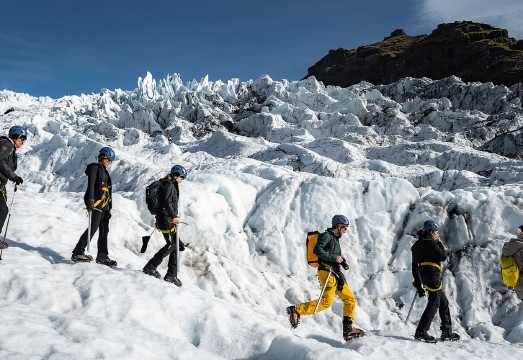
A guided glacier hike is one of the most memorable things to do in Vatnajökull. Walking on the ice gives you a closer look at crevasses, ridges, ash layers and the blue tones within the glacier. Tours usually provide specialist equipment such as crampons, helmets and ice axes, and guides choose routes according to conditions.

Do not attempt to walk on a glacier without a qualified guide. Glaciers are constantly moving and can contain hidden crevasses, unstable ice and changing surface conditions. A guided tour is the safest and most rewarding way to experience the glacier up close.

Many glacier hikes depart from the Skaftafell area or nearby meeting points. Tour lengths vary, with shorter options suitable for beginners and longer tours aimed at more active travellers. Book ahead during busy travel periods, especially in summer and winter peak seasons.

See Jökulsárlón Glacier Lagoon

Jökulsárlón Glacier Lagoon is one of the most famous sights in Iceland and a must-see when visiting Vatnajökull. The lagoon is filled with icebergs that have broken away from Breiðamerkurjökull, an outlet glacier of Vatnajökull. These icebergs drift slowly through the water, changing shape, colour and position throughout the day.

You can enjoy Jökulsárlón from the shoreline without taking a tour, and even a short stop can be spectacular. For a closer look, consider a boat tour during the operating season. Amphibian boat trips and zodiac-style tours are popular options, offering a different perspective on the floating ice.

Wildlife is another reason to linger. Seals are often seen swimming in the lagoon or resting near the ice. Birdlife is also common, especially in the warmer months.

Visit Diamond Beach

Just across the road from Jökulsárlón is Diamond Beach, a black-sand beach where pieces of glacial ice wash ashore. The ice can appear clear, blue, white or smoky, depending on its age, density and the light. Against the dark volcanic sand, the effect is striking.

Diamond Beach changes constantly. Some days there may be large, sculptural blocks of ice scattered along the shore. On other days, the beach may have smaller fragments or very little ice. Sunrise and sunset are particularly beautiful times to visit, as the low light can make the ice glow.

Take care near the water. The surf can be powerful, and the North Atlantic is extremely cold. Do not climb on icebergs or turn your back on the waves while taking photos.

Explore the Blue Ice Caves

Vatnajökull is famous for its natural blue ice caves. These caves form within the glacier and can reveal extraordinary colours, textures and frozen patterns. Visiting an ice cave is one of Iceland’s most unique winter experiences.

Natural ice caves are seasonal and change from year to year. Winter is generally the main season for blue ice cave tours, although conditions always determine whether a cave can be visited safely. Tours must be taken with professional guides, as ice caves are dynamic environments and can be dangerous without expert local knowledge.

Wear warm layers, waterproof outerwear and sturdy footwear. Even with supplied safety gear, you will be in a cold, wet and uneven environment. If this is high on your Iceland wish list, book early and keep your schedule slightly flexible in case weather affects access.

Discover Waterfalls and Viewpoints

While glaciers and lagoons often get the most attention, the Vatnajökull region also has excellent waterfalls and viewpoints. In Skaftafell, Svartifoss is the headline waterfall, but the surrounding trails also provide rewarding views over glacier rivers, valleys and distant ice.

Depending on how widely you define your Vatnajökull visit, the national park also includes northern and highland areas with dramatic scenery, including powerful waterfalls, volcanic landscapes and remote hiking terrain. These areas can be much harder to access, especially outside summer, so they suit travellers with more time, suitable vehicles and careful planning.

Best Time to Visit Vatnajökull

Summer
Summer brings longer daylight hours, easier driving conditions and excellent hiking opportunities. This is a good time for Skaftafell walks, glacier lagoon boat tours and road trips along the south coast. It is also one of the busiest periods, so accommodation and tours should be booked ahead.

Autumn
Autumn can be a beautiful time to visit, with fewer crowds and changing colours in the landscape. Conditions become less predictable, so check weather and road updates regularly. Some seasonal tours may reduce their schedules as winter approaches.

Winter
Winter is the classic season for blue ice caves and snowy glacier scenery. It can be magical, but it also requires more caution. Daylight is limited, roads can be icy, and storms may affect travel plans. Winter visitors should allow extra time and avoid overloading their itinerary.

Spring
Spring is a transition period. You may still see wintry scenery, while daylight increases and travel gradually becomes easier. Conditions can vary greatly, so it is important to check current access, trail and road information before setting out.

Practical Travel Tips for Visiting Vatnajökull

Base yourself nearby: Popular overnight options include the Skaftafell area, Kirkjubæjarklaustur, Höfn and guesthouses along the south-east coast.
Do not rush the drive: The region is several hours from Reykjavík, and the south coast has many scenic stops. Staying overnight nearby makes the experience much more enjoyable.
Check road and weather conditions: Icelandic weather changes quickly, and winter driving can be challenging.
Use guided tours for glacier activities: Glacier hikes and ice caves should only be done with experienced guides and proper safety equipment.
Wear layers: Bring waterproof outerwear, warm layers, gloves, a hat and sturdy walking shoes.
Protect your camera gear: Spray, rain, sand and cold can affect phones and cameras. A waterproof cover or dry bag is useful.
Respect barriers and signs: They are there because of real hazards such as unstable ice, cliffs, waves or protected habitats.
Allow flexibility: Weather may delay tours or make some viewpoints less accessible, especially in winter.

Suggested One-Day Vatnajökull Itinerary

If you only have one day in the southern Vatnajökull area, start early at Skaftafell. Walk to Svartifoss or choose a shorter glacier viewpoint trail, then join a guided glacier hike if you have booked one. In the afternoon, drive east to Jökulsárlón Glacier Lagoon and spend time watching the icebergs. Finish across the road at Diamond Beach, ideally around sunset if timing allows.

This makes a full but rewarding day. If you prefer slower travel, split the plan over two days, with Skaftafell on one day and Jökulsárlón plus Diamond Beach on the next.

Suggested Two-Day Vatnajökull Itinerary

Day one: Explore Skaftafell, visit the visitor centre, walk to Svartifoss and take a guided glacier hike. Stay overnight nearby.

Day two: Visit Jökulsárlón Glacier Lagoon, take a boat tour if operating, photograph Diamond Beach and consider adding Fjallsárlón Glacier Lagoon for a quieter glacier-lagoon experience. If travelling in winter, use this day for a guided ice cave tour instead of a boat trip.

FAQs About Vatnajökull

Is Vatnajökull worth visiting?
Yes. Vatnajökull is one of the most impressive regions in Iceland, especially for travellers who want to see glaciers, glacier lagoons, waterfalls, black-sand beaches and dramatic hiking landscapes.

Can you visit Vatnajökull without a tour?
You can visit places such as Skaftafell, Jökulsárlón Glacier Lagoon and Diamond Beach independently, but you should book a guided tour for glacier hiking and ice cave visits. Do not walk onto a glacier or enter an ice cave on your own.

How long do you need in Vatnajökull?
One full day gives you time for a quick look at the main southern highlights, but two days is better. With two days, you can hike in Skaftafell, see Jökulsárlón and Diamond Beach, and add a guided glacier activity without feeling rushed.

What is the best season to visit Vatnajökull?
Summer is best for hiking, long daylight hours and easier road travel. Winter is best for blue ice caves and snowy glacier scenery, but travel conditions are more demanding. Spring and autumn can be excellent quieter periods, depending on weather and access.

Can you see ice caves in summer?
Natural blue ice caves are mainly a winter experience because they depend on safe seasonal ice conditions. Some operators may offer glacier experiences at other times of year, but winter is the classic season for natural ice cave tours in Vatnajökull.

Is Diamond Beach always covered in ice?
No. Diamond Beach changes daily with tides, weather and iceberg movement. Sometimes the beach has many pieces of ice, and at other times there may be only a few. It is still worth visiting because the setting is beautiful and it is directly beside Jökulsárlón.

Do you need a 4WD to visit Vatnajökull?
For the main south-coast sights along Route 1, many travellers use a regular rental car in suitable conditions. In winter, road conditions can change quickly, and a 4WD may be more comfortable. Always follow local road advice and never drive on closed roads.

Final Thoughts

Vatnajökull is not just another stop on Iceland’s Ring Road. It is a region where the scale of nature feels immense, from glacier tongues and iceberg-filled lagoons to black-sand beaches and basalt-framed waterfalls. Whether you visit for a short scenic stop or build several days around glacier adventures, Vatnajökull is one of the most rewarding places to experience Iceland’s wild south-east.

“`

Showing all 2 resultsSorted by latest