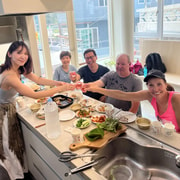
Yokohama Ramen Adventure: From Factory To Home Japan Best deals for Yokohama Ramen Adventure: From Factory To Home. Guided by a third-generation ramen noodle expert, create your favorite ramen noodles at my brother’s noodle factory in Yokohama, then step into my home for a cooking class with multiple dishes! Available from getyourguide.com.
Why Visit Santa Monica
Santa Monica blends history, culture, and everyday life into a destination filled with engaging museums and memorable attractions. This guide highlights the kinds of places visitors love and what to expect at each, plus practical tips for planning your day.
Flagship History Museum
The main city history museum in Santa Monica typically traces the region from early settlement to the present through artifacts, photographs, and interactive exhibits. Expect rotating shows, a solid gift shop, and helpful context for everything else you’ll see.
Art Museum & Sculpture Garden
A leading art museum usually anchors the local scene with classics, contemporary works, and special exhibitions. If there’s an outdoor sculpture garden, it’s a relaxing way to pair culture with a walk.
Science & Discovery Center
Hands-on galleries make science approachable for all ages—think space, engineering, and ecosystems—often with an IMAX or planetarium.
Landmark Cathedral or Temple
Historic houses of worship give insight into Santa Monica’s architectural styles and community roots. Many offer guided tours and quiet courtyards.
Iconic Public Square or Old Town
Central plazas and heritage streets concentrate cafes, street performers, and local crafts. They’re perfect for people‑watching and photos.
Riverside, Harbor or Promenade
Waterfront paths and viewpoints provide fresh air and skyline views. Look for sunset spots, public art, and casual dining.
Family Favorite: Zoo, Aquarium, or Insectarium
Animal-focused attractions pair conservation with education. Check feeding schedules or touch‑pools for interactive moments.
Living Culture: Music Hall or Theatre
An intimate performance venue showcases local sound—jazz, folk, or contemporary—making for a memorable night out.
Planning Tips
Buy timed tickets online for popular museums and special exhibits.
Combine nearby sights to minimize travel time; many districts are walkable.
Check weekly free or discounted hours; student, senior, and family passes can reduce costs.
Start early for quieter galleries and better photos.
Bottom Line
From cornerstone museums to living cultural venues and scenic promenades, Santa Monica offers a balanced mix of learning, leisure, and local flavor.
Sponsored Popular Items
Quick take: Musement.com offers a worldwide selection of tours and attractions
Yokohama Ramen Adventure: From Factory To Home Japan Best deals for Yokohama Ramen Adventure: From Factory To Home. Guided by a third-generation ramen noodle expert, create your favorite ramen noodles at my brother’s noodle factory in Yokohama, then step into my home for a cooking class with multiple dishes! Available from getyourguide.com.
Kamakura: Sushi Roll Bento Cooking Class in Local home Best deals for Kamakura: Sushi Roll Bento Cooking Class in Local home. Learn how to make sushi rolls and a traditional bento in a private home in Kamakura. Discover how to make a chopstick holder with origami and enjoy a bento outside. Available from getyourguide.com.
Busan: Korean Home Cooking Class & Market Tour with Meal Best deals for Busan: Korean Home Cooking Class & Market Tour with Meal. Join a Korean home cooking class in Busan and shop for fresh ingredients at Choryang Market. Cook authentic dishes with a local host and enjoy a family-style meal with Makgeolli. Available from getyourguide.com.
Yokohama Ramen Adventure: From Factory To Home Japan Best deals for Yokohama Ramen Adventure: From Factory To Home. Guided by a third-generation ramen noodle expert, create your favorite ramen noodles at my brother’s noodle factory in Yokohama, then step into my home for a cooking class with multiple dishes! Available from getyourguide.com.
Why Visit Savannah
Savannah blends history, culture, and everyday life into a destination filled with engaging museums and memorable attractions. This guide highlights the kinds of places visitors love and what to expect at each, plus practical tips for planning your day.
Flagship History Museum
The main city history museum in Savannah typically traces the region from early settlement to the present through artifacts, photographs, and interactive exhibits. Expect rotating shows, a solid gift shop, and helpful context for everything else you’ll see.
Art Museum & Sculpture Garden
A leading art museum usually anchors the local scene with classics, contemporary works, and special exhibitions. If there’s an outdoor sculpture garden, it’s a relaxing way to pair culture with a walk.
Science & Discovery Center
Hands-on galleries make science approachable for all ages—think space, engineering, and ecosystems—often with an IMAX or planetarium.
Landmark Cathedral or Temple
Historic houses of worship give insight into Savannah’s architectural styles and community roots. Many offer guided tours and quiet courtyards.
Iconic Public Square or Old Town
Central plazas and heritage streets concentrate cafes, street performers, and local crafts. They’re perfect for people‑watching and photos.
Riverside, Harbor or Promenade
Waterfront paths and viewpoints provide fresh air and skyline views. Look for sunset spots, public art, and casual dining.
Family Favorite: Zoo, Aquarium, or Insectarium
Animal-focused attractions pair conservation with education. Check feeding schedules or touch‑pools for interactive moments.
Living Culture: Music Hall or Theatre
An intimate performance venue showcases local sound—jazz, folk, or contemporary—making for a memorable night out.
Planning Tips
Buy timed tickets online for popular museums and special exhibits.
Combine nearby sights to minimize travel time; many districts are walkable.
Check weekly free or discounted hours; student, senior, and family passes can reduce costs.
Start early for quieter galleries and better photos.
Bottom Line
From cornerstone museums to living cultural venues and scenic promenades, Savannah offers a balanced mix of learning, leisure, and local flavor.
Sponsored Popular Items
Quick take: Musement.com offers a worldwide selection of tours and attractions
Yokohama Ramen Adventure: From Factory To Home Japan Best deals for Yokohama Ramen Adventure: From Factory To Home. Guided by a third-generation ramen noodle expert, create your favorite ramen noodles at my brother’s noodle factory in Yokohama, then step into my home for a cooking class with multiple dishes! Available from getyourguide.com.
Kamakura: Sushi Roll Bento Cooking Class in Local home Best deals for Kamakura: Sushi Roll Bento Cooking Class in Local home. Learn how to make sushi rolls and a traditional bento in a private home in Kamakura. Discover how to make a chopstick holder with origami and enjoy a bento outside. Available from getyourguide.com.
Busan: Korean Home Cooking Class & Market Tour with Meal Best deals for Busan: Korean Home Cooking Class & Market Tour with Meal. Join a Korean home cooking class in Busan and shop for fresh ingredients at Choryang Market. Cook authentic dishes with a local host and enjoy a family-style meal with Makgeolli. Available from getyourguide.com.
Yokohama Ramen Adventure: From Factory To Home Japan Best deals for Yokohama Ramen Adventure: From Factory To Home. Guided by a third-generation ramen noodle expert, create your favorite ramen noodles at my brother’s noodle factory in Yokohama, then step into my home for a cooking class with multiple dishes! Available from getyourguide.com.
Why Visit Seattle
Seattle blends history, culture, and everyday life into a destination filled with engaging museums and memorable attractions. This guide highlights the kinds of places visitors love and what to expect at each, plus practical tips for planning your day.
Flagship History Museum
The main city history museum in Seattle typically traces the region from early settlement to the present through artifacts, photographs, and interactive exhibits. Expect rotating shows, a solid gift shop, and helpful context for everything else you’ll see.
Art Museum & Sculpture Garden
A leading art museum usually anchors the local scene with classics, contemporary works, and special exhibitions. If there’s an outdoor sculpture garden, it’s a relaxing way to pair culture with a walk.
Science & Discovery Center
Hands-on galleries make science approachable for all ages—think space, engineering, and ecosystems—often with an IMAX or planetarium.
Landmark Cathedral or Temple
Historic houses of worship give insight into Seattle’s architectural styles and community roots. Many offer guided tours and quiet courtyards.
Iconic Public Square or Old Town
Central plazas and heritage streets concentrate cafes, street performers, and local crafts. They’re perfect for people‑watching and photos.
Riverside, Harbor or Promenade
Waterfront paths and viewpoints provide fresh air and skyline views. Look for sunset spots, public art, and casual dining.
Family Favorite: Zoo, Aquarium, or Insectarium
Animal-focused attractions pair conservation with education. Check feeding schedules or touch‑pools for interactive moments.
Living Culture: Music Hall or Theatre
An intimate performance venue showcases local sound—jazz, folk, or contemporary—making for a memorable night out.
Planning Tips
Buy timed tickets online for popular museums and special exhibits.
Combine nearby sights to minimize travel time; many districts are walkable.
Check weekly free or discounted hours; student, senior, and family passes can reduce costs.
Start early for quieter galleries and better photos.
Bottom Line
From cornerstone museums to living cultural venues and scenic promenades, Seattle offers a balanced mix of learning, leisure, and local flavor.
Sponsored Popular Items
Quick take: Musement.com offers a worldwide selection of tours and attractions
Yokohama Ramen Adventure: From Factory To Home Japan Best deals for Yokohama Ramen Adventure: From Factory To Home. Guided by a third-generation ramen noodle expert, create your favorite ramen noodles at my brother’s noodle factory in Yokohama, then step into my home for a cooking class with multiple dishes! Available from getyourguide.com.
Kamakura: Sushi Roll Bento Cooking Class in Local home Best deals for Kamakura: Sushi Roll Bento Cooking Class in Local home. Learn how to make sushi rolls and a traditional bento in a private home in Kamakura. Discover how to make a chopstick holder with origami and enjoy a bento outside. Available from getyourguide.com.
Busan: Korean Home Cooking Class & Market Tour with Meal Best deals for Busan: Korean Home Cooking Class & Market Tour with Meal. Join a Korean home cooking class in Busan and shop for fresh ingredients at Choryang Market. Cook authentic dishes with a local host and enjoy a family-style meal with Makgeolli. Available from getyourguide.com.
Yokohama Ramen Adventure: From Factory To Home Japan Best deals for Yokohama Ramen Adventure: From Factory To Home. Guided by a third-generation ramen noodle expert, create your favorite ramen noodles at my brother’s noodle factory in Yokohama, then step into my home for a cooking class with multiple dishes! Available from getyourguide.com.
Why Visit Sedona
Sedona blends history, culture, and everyday life into a destination filled with engaging museums and memorable attractions. This guide highlights the kinds of places visitors love and what to expect at each, plus practical tips for planning your day.
Flagship History Museum
The main city history museum in Sedona typically traces the region from early settlement to the present through artifacts, photographs, and interactive exhibits. Expect rotating shows, a solid gift shop, and helpful context for everything else you’ll see.
Art Museum & Sculpture Garden
A leading art museum usually anchors the local scene with classics, contemporary works, and special exhibitions. If there’s an outdoor sculpture garden, it’s a relaxing way to pair culture with a walk.
Science & Discovery Center
Hands-on galleries make science approachable for all ages—think space, engineering, and ecosystems—often with an IMAX or planetarium.
Landmark Cathedral or Temple
Historic houses of worship give insight into Sedona’s architectural styles and community roots. Many offer guided tours and quiet courtyards.
Iconic Public Square or Old Town
Central plazas and heritage streets concentrate cafes, street performers, and local crafts. They’re perfect for people‑watching and photos.
Riverside, Harbor or Promenade
Waterfront paths and viewpoints provide fresh air and skyline views. Look for sunset spots, public art, and casual dining.
Family Favorite: Zoo, Aquarium, or Insectarium
Animal-focused attractions pair conservation with education. Check feeding schedules or touch‑pools for interactive moments.
Living Culture: Music Hall or Theatre
An intimate performance venue showcases local sound—jazz, folk, or contemporary—making for a memorable night out.
Planning Tips
Buy timed tickets online for popular museums and special exhibits.
Combine nearby sights to minimize travel time; many districts are walkable.
Check weekly free or discounted hours; student, senior, and family passes can reduce costs.
Start early for quieter galleries and better photos.
Bottom Line
From cornerstone museums to living cultural venues and scenic promenades, Sedona offers a balanced mix of learning, leisure, and local flavor.
Sponsored Popular Items
Quick take: Musement.com offers a worldwide selection of tours and attractions
Yokohama Ramen Adventure: From Factory To Home Japan Best deals for Yokohama Ramen Adventure: From Factory To Home. Guided by a third-generation ramen noodle expert, create your favorite ramen noodles at my brother’s noodle factory in Yokohama, then step into my home for a cooking class with multiple dishes! Available from getyourguide.com.
Kamakura: Sushi Roll Bento Cooking Class in Local home Best deals for Kamakura: Sushi Roll Bento Cooking Class in Local home. Learn how to make sushi rolls and a traditional bento in a private home in Kamakura. Discover how to make a chopstick holder with origami and enjoy a bento outside. Available from getyourguide.com.
Busan: Korean Home Cooking Class & Market Tour with Meal Best deals for Busan: Korean Home Cooking Class & Market Tour with Meal. Join a Korean home cooking class in Busan and shop for fresh ingredients at Choryang Market. Cook authentic dishes with a local host and enjoy a family-style meal with Makgeolli. Available from getyourguide.com.
Yokohama Ramen Adventure: From Factory To Home Japan Best deals for Yokohama Ramen Adventure: From Factory To Home. Guided by a third-generation ramen noodle expert, create your favorite ramen noodles at my brother’s noodle factory in Yokohama, then step into my home for a cooking class with multiple dishes! Available from getyourguide.com.
Why Visit Tours and activities
Tours and activities blends history, culture, and everyday life into a destination filled with engaging museums and memorable attractions. This guide highlights the kinds of places visitors love and what to expect at each, plus practical tips for planning your day.
Flagship History Museum
The main city history museum in Tours and activities typically traces the region from early settlement to the present through artifacts, photographs, and interactive exhibits. Expect rotating shows, a solid gift shop, and helpful context for everything else you’ll see.
Art Museum & Sculpture Garden
A leading art museum usually anchors the local scene with classics, contemporary works, and special exhibitions. If there’s an outdoor sculpture garden, it’s a relaxing way to pair culture with a walk.
Science & Discovery Center
Hands-on galleries make science approachable for all ages—think space, engineering, and ecosystems—often with an IMAX or planetarium.
Landmark Cathedral or Temple
Historic houses of worship give insight into Tours and activities’s architectural styles and community roots. Many offer guided tours and quiet courtyards.
Iconic Public Square or Old Town
Central plazas and heritage streets concentrate cafes, street performers, and local crafts. They’re perfect for people‑watching and photos.
Riverside, Harbor or Promenade
Waterfront paths and viewpoints provide fresh air and skyline views. Look for sunset spots, public art, and casual dining.
Family Favorite: Zoo, Aquarium, or Insectarium
Animal-focused attractions pair conservation with education. Check feeding schedules or touch‑pools for interactive moments.
Living Culture: Music Hall or Theatre
An intimate performance venue showcases local sound—jazz, folk, or contemporary—making for a memorable night out.
Planning Tips
Buy timed tickets online for popular museums and special exhibits.
Combine nearby sights to minimize travel time; many districts are walkable.
Check weekly free or discounted hours; student, senior, and family passes can reduce costs.
Start early for quieter galleries and better photos.
Bottom Line
From cornerstone museums to living cultural venues and scenic promenades, Tours and activities offers a balanced mix of learning, leisure, and local flavor.
Sponsored Popular Items
Quick take: Musement.com offers a worldwide selection of tours and attractions
Yokohama Ramen Adventure: From Factory To Home Japan Best deals for Yokohama Ramen Adventure: From Factory To Home. Guided by a third-generation ramen noodle expert, create your favorite ramen noodles at my brother’s noodle factory in Yokohama, then step into my home for a cooking class with multiple dishes! Available from getyourguide.com.
Kamakura: Sushi Roll Bento Cooking Class in Local home Best deals for Kamakura: Sushi Roll Bento Cooking Class in Local home. Learn how to make sushi rolls and a traditional bento in a private home in Kamakura. Discover how to make a chopstick holder with origami and enjoy a bento outside. Available from getyourguide.com.
Busan: Korean Home Cooking Class & Market Tour with Meal Best deals for Busan: Korean Home Cooking Class & Market Tour with Meal. Join a Korean home cooking class in Busan and shop for fresh ingredients at Choryang Market. Cook authentic dishes with a local host and enjoy a family-style meal with Makgeolli. Available from getyourguide.com.
Yokohama Ramen Adventure: From Factory To Home Japan Best deals for Yokohama Ramen Adventure: From Factory To Home. Guided by a third-generation ramen noodle expert, create your favorite ramen noodles at my brother’s noodle factory in Yokohama, then step into my home for a cooking class with multiple dishes! Available from getyourguide.com.
Why Visit St Louis
St Louis blends history, culture, and everyday life into a destination filled with engaging museums and memorable attractions. This guide highlights the kinds of places visitors love and what to expect at each, plus practical tips for planning your day.
Flagship History Museum
The main city history museum in St Louis typically traces the region from early settlement to the present through artifacts, photographs, and interactive exhibits. Expect rotating shows, a solid gift shop, and helpful context for everything else you’ll see.
Art Museum & Sculpture Garden
A leading art museum usually anchors the local scene with classics, contemporary works, and special exhibitions. If there’s an outdoor sculpture garden, it’s a relaxing way to pair culture with a walk.
Science & Discovery Center
Hands-on galleries make science approachable for all ages—think space, engineering, and ecosystems—often with an IMAX or planetarium.
Landmark Cathedral or Temple
Historic houses of worship give insight into St Louis’s architectural styles and community roots. Many offer guided tours and quiet courtyards.
Iconic Public Square or Old Town
Central plazas and heritage streets concentrate cafes, street performers, and local crafts. They’re perfect for people‑watching and photos.
Riverside, Harbor or Promenade
Waterfront paths and viewpoints provide fresh air and skyline views. Look for sunset spots, public art, and casual dining.
Family Favorite: Zoo, Aquarium, or Insectarium
Animal-focused attractions pair conservation with education. Check feeding schedules or touch‑pools for interactive moments.
Living Culture: Music Hall or Theatre
An intimate performance venue showcases local sound—jazz, folk, or contemporary—making for a memorable night out.
Planning Tips
Buy timed tickets online for popular museums and special exhibits.
Combine nearby sights to minimize travel time; many districts are walkable.
Check weekly free or discounted hours; student, senior, and family passes can reduce costs.
Start early for quieter galleries and better photos.
Bottom Line
From cornerstone museums to living cultural venues and scenic promenades, St Louis offers a balanced mix of learning, leisure, and local flavor.
Sponsored Popular Items
Quick take: Musement.com offers a worldwide selection of tours and attractions
Yokohama Ramen Adventure: From Factory To Home Japan Best deals for Yokohama Ramen Adventure: From Factory To Home. Guided by a third-generation ramen noodle expert, create your favorite ramen noodles at my brother’s noodle factory in Yokohama, then step into my home for a cooking class with multiple dishes! Available from getyourguide.com.
Kamakura: Sushi Roll Bento Cooking Class in Local home Best deals for Kamakura: Sushi Roll Bento Cooking Class in Local home. Learn how to make sushi rolls and a traditional bento in a private home in Kamakura. Discover how to make a chopstick holder with origami and enjoy a bento outside. Available from getyourguide.com.
Busan: Korean Home Cooking Class & Market Tour with Meal Best deals for Busan: Korean Home Cooking Class & Market Tour with Meal. Join a Korean home cooking class in Busan and shop for fresh ingredients at Choryang Market. Cook authentic dishes with a local host and enjoy a family-style meal with Makgeolli. Available from getyourguide.com.
Yokohama Ramen Adventure: From Factory To Home Japan Best deals for Yokohama Ramen Adventure: From Factory To Home. Guided by a third-generation ramen noodle expert, create your favorite ramen noodles at my brother’s noodle factory in Yokohama, then step into my home for a cooking class with multiple dishes! Available from getyourguide.com.
Why Visit St
St blends history, culture, and everyday life into a destination filled with engaging museums and memorable attractions. This guide highlights the kinds of places visitors love and what to expect at each, plus practical tips for planning your day.
Flagship History Museum
The main city history museum in St typically traces the region from early settlement to the present through artifacts, photographs, and interactive exhibits. Expect rotating shows, a solid gift shop, and helpful context for everything else you’ll see.
Art Museum & Sculpture Garden
A leading art museum usually anchors the local scene with classics, contemporary works, and special exhibitions. If there’s an outdoor sculpture garden, it’s a relaxing way to pair culture with a walk.
Science & Discovery Center
Hands-on galleries make science approachable for all ages—think space, engineering, and ecosystems—often with an IMAX or planetarium.
Landmark Cathedral or Temple
Historic houses of worship give insight into St’s architectural styles and community roots. Many offer guided tours and quiet courtyards.
Iconic Public Square or Old Town
Central plazas and heritage streets concentrate cafes, street performers, and local crafts. They’re perfect for people‑watching and photos.
Riverside, Harbor or Promenade
Waterfront paths and viewpoints provide fresh air and skyline views. Look for sunset spots, public art, and casual dining.
Family Favorite: Zoo, Aquarium, or Insectarium
Animal-focused attractions pair conservation with education. Check feeding schedules or touch‑pools for interactive moments.
Living Culture: Music Hall or Theatre
An intimate performance venue showcases local sound—jazz, folk, or contemporary—making for a memorable night out.
Planning Tips
Buy timed tickets online for popular museums and special exhibits.
Combine nearby sights to minimize travel time; many districts are walkable.
Check weekly free or discounted hours; student, senior, and family passes can reduce costs.
Start early for quieter galleries and better photos.
Bottom Line
From cornerstone museums to living cultural venues and scenic promenades, St offers a balanced mix of learning, leisure, and local flavor.
Sponsored Popular Items
Quick take: Musement.com offers a worldwide selection of tours and attractions
Yokohama Ramen Adventure: From Factory To Home Japan Best deals for Yokohama Ramen Adventure: From Factory To Home. Guided by a third-generation ramen noodle expert, create your favorite ramen noodles at my brother’s noodle factory in Yokohama, then step into my home for a cooking class with multiple dishes! Available from getyourguide.com.
Kamakura: Sushi Roll Bento Cooking Class in Local home Best deals for Kamakura: Sushi Roll Bento Cooking Class in Local home. Learn how to make sushi rolls and a traditional bento in a private home in Kamakura. Discover how to make a chopstick holder with origami and enjoy a bento outside. Available from getyourguide.com.
Busan: Korean Home Cooking Class & Market Tour with Meal Best deals for Busan: Korean Home Cooking Class & Market Tour with Meal. Join a Korean home cooking class in Busan and shop for fresh ingredients at Choryang Market. Cook authentic dishes with a local host and enjoy a family-style meal with Makgeolli. Available from getyourguide.com.
Yokohama Ramen Adventure: From Factory To Home Japan Best deals for Yokohama Ramen Adventure: From Factory To Home. Guided by a third-generation ramen noodle expert, create your favorite ramen noodles at my brother’s noodle factory in Yokohama, then step into my home for a cooking class with multiple dishes! Available from getyourguide.com.
Why Visit St
St blends history, culture, and everyday life into a destination filled with engaging museums and memorable attractions. This guide highlights the kinds of places visitors love and what to expect at each, plus practical tips for planning your day.
Flagship History Museum
The main city history museum in St typically traces the region from early settlement to the present through artifacts, photographs, and interactive exhibits. Expect rotating shows, a solid gift shop, and helpful context for everything else you’ll see.
Art Museum & Sculpture Garden
A leading art museum usually anchors the local scene with classics, contemporary works, and special exhibitions. If there’s an outdoor sculpture garden, it’s a relaxing way to pair culture with a walk.
Science & Discovery Center
Hands-on galleries make science approachable for all ages—think space, engineering, and ecosystems—often with an IMAX or planetarium.
Landmark Cathedral or Temple
Historic houses of worship give insight into St’s architectural styles and community roots. Many offer guided tours and quiet courtyards.
Iconic Public Square or Old Town
Central plazas and heritage streets concentrate cafes, street performers, and local crafts. They’re perfect for people‑watching and photos.
Riverside, Harbor or Promenade
Waterfront paths and viewpoints provide fresh air and skyline views. Look for sunset spots, public art, and casual dining.
Family Favorite: Zoo, Aquarium, or Insectarium
Animal-focused attractions pair conservation with education. Check feeding schedules or touch‑pools for interactive moments.
Living Culture: Music Hall or Theatre
An intimate performance venue showcases local sound—jazz, folk, or contemporary—making for a memorable night out.
Planning Tips
Buy timed tickets online for popular museums and special exhibits.
Combine nearby sights to minimize travel time; many districts are walkable.
Check weekly free or discounted hours; student, senior, and family passes can reduce costs.
Start early for quieter galleries and better photos.
Bottom Line
From cornerstone museums to living cultural venues and scenic promenades, St offers a balanced mix of learning, leisure, and local flavor.
Sponsored Popular Items
Quick take: Musement.com offers a worldwide selection of tours and attractions
Yokohama Ramen Adventure: From Factory To Home Japan Best deals for Yokohama Ramen Adventure: From Factory To Home. Guided by a third-generation ramen noodle expert, create your favorite ramen noodles at my brother’s noodle factory in Yokohama, then step into my home for a cooking class with multiple dishes! Available from getyourguide.com.
Kamakura: Sushi Roll Bento Cooking Class in Local home Best deals for Kamakura: Sushi Roll Bento Cooking Class in Local home. Learn how to make sushi rolls and a traditional bento in a private home in Kamakura. Discover how to make a chopstick holder with origami and enjoy a bento outside. Available from getyourguide.com.
Busan: Korean Home Cooking Class & Market Tour with Meal Best deals for Busan: Korean Home Cooking Class & Market Tour with Meal. Join a Korean home cooking class in Busan and shop for fresh ingredients at Choryang Market. Cook authentic dishes with a local host and enjoy a family-style meal with Makgeolli. Available from getyourguide.com.
Yokohama Ramen Adventure: From Factory To Home Japan Best deals for Yokohama Ramen Adventure: From Factory To Home. Guided by a third-generation ramen noodle expert, create your favorite ramen noodles at my brother’s noodle factory in Yokohama, then step into my home for a cooking class with multiple dishes! Available from getyourguide.com.
Why Visit St
St blends history, culture, and everyday life into a destination filled with engaging museums and memorable attractions. This guide highlights the kinds of places visitors love and what to expect at each, plus practical tips for planning your day.
Flagship History Museum
The main city history museum in St typically traces the region from early settlement to the present through artifacts, photographs, and interactive exhibits. Expect rotating shows, a solid gift shop, and helpful context for everything else you’ll see.
Art Museum & Sculpture Garden
A leading art museum usually anchors the local scene with classics, contemporary works, and special exhibitions. If there’s an outdoor sculpture garden, it’s a relaxing way to pair culture with a walk.
Science & Discovery Center
Hands-on galleries make science approachable for all ages—think space, engineering, and ecosystems—often with an IMAX or planetarium.
Landmark Cathedral or Temple
Historic houses of worship give insight into St’s architectural styles and community roots. Many offer guided tours and quiet courtyards.
Iconic Public Square or Old Town
Central plazas and heritage streets concentrate cafes, street performers, and local crafts. They’re perfect for people‑watching and photos.
Riverside, Harbor or Promenade
Waterfront paths and viewpoints provide fresh air and skyline views. Look for sunset spots, public art, and casual dining.
Family Favorite: Zoo, Aquarium, or Insectarium
Animal-focused attractions pair conservation with education. Check feeding schedules or touch‑pools for interactive moments.
Living Culture: Music Hall or Theatre
An intimate performance venue showcases local sound—jazz, folk, or contemporary—making for a memorable night out.
Planning Tips
Buy timed tickets online for popular museums and special exhibits.
Combine nearby sights to minimize travel time; many districts are walkable.
Check weekly free or discounted hours; student, senior, and family passes can reduce costs.
Start early for quieter galleries and better photos.
Bottom Line
From cornerstone museums to living cultural venues and scenic promenades, St offers a balanced mix of learning, leisure, and local flavor.
Sponsored Popular Items
Quick take: Musement.com offers a worldwide selection of tours and attractions
Yokohama Ramen Adventure: From Factory To Home Japan Best deals for Yokohama Ramen Adventure: From Factory To Home. Guided by a third-generation ramen noodle expert, create your favorite ramen noodles at my brother’s noodle factory in Yokohama, then step into my home for a cooking class with multiple dishes! Available from getyourguide.com.
Kamakura: Sushi Roll Bento Cooking Class in Local home Best deals for Kamakura: Sushi Roll Bento Cooking Class in Local home. Learn how to make sushi rolls and a traditional bento in a private home in Kamakura. Discover how to make a chopstick holder with origami and enjoy a bento outside. Available from getyourguide.com.
Busan: Korean Home Cooking Class & Market Tour with Meal Best deals for Busan: Korean Home Cooking Class & Market Tour with Meal. Join a Korean home cooking class in Busan and shop for fresh ingredients at Choryang Market. Cook authentic dishes with a local host and enjoy a family-style meal with Makgeolli. Available from getyourguide.com.
Explore museums and attractions in Tampa Attractions Tours and Activities Florida—from flagship history and art spaces to science centers, family picks, and scenic promenades.
Sponsored Popular Items
Quick take: Musement.com offers a worldwide selection of tours and attractions
Yokohama Ramen Adventure: From Factory To Home Japan Best deals for Yokohama Ramen Adventure: From Factory To Home. Guided by a third-generation ramen noodle expert, create your favorite ramen noodles at my brother’s noodle factory in Yokohama, then step into my home for a cooking class with multiple dishes! Available from getyourguide.com.
Why Visit Tampa Attractions Tours and Activities Florida
Tampa Attractions Tours and Activities Florida blends history, culture, and everyday life into a destination filled with engaging museums and memorable attractions. This guide highlights the kinds of places visitors love and what to expect at each, plus practical tips for planning your day.
Flagship History Museum
The main city history museum in Tampa Attractions Tours and Activities Florida typically traces the region from early settlement to the present through artifacts, photographs, and interactive exhibits. Expect rotating shows, a solid gift shop, and helpful context for everything else you’ll see.
Art Museum & Sculpture Garden
A leading art museum usually anchors the local scene with classics, contemporary works, and special exhibitions. If there’s an outdoor sculpture garden, it’s a relaxing way to pair culture with a walk.
Science & Discovery Center
Hands-on galleries make science approachable for all ages—think space, engineering, and ecosystems—often with an IMAX or planetarium.
Landmark Cathedral or Temple
Historic houses of worship give insight into Tampa Attractions Tours and Activities Florida’s architectural styles and community roots. Many offer guided tours and quiet courtyards.
Iconic Public Square or Old Town
Central plazas and heritage streets concentrate cafes, street performers, and local crafts. They’re perfect for people‑watching and photos.
Riverside, Harbor or Promenade
Waterfront paths and viewpoints provide fresh air and skyline views. Look for sunset spots, public art, and casual dining.
Family Favorite: Zoo, Aquarium, or Insectarium
Animal-focused attractions pair conservation with education. Check feeding schedules or touch‑pools for interactive moments.
Living Culture: Music Hall or Theatre
An intimate performance venue showcases local sound—jazz, folk, or contemporary—making for a memorable night out.
Planning Tips
Buy timed tickets online for popular museums and special exhibits.
Combine nearby sights to minimize travel time; many districts are walkable.
Check weekly free or discounted hours; student, senior, and family passes can reduce costs.
Start early for quieter galleries and better photos.
Bottom Line
From cornerstone museums to living cultural venues and scenic promenades, Tampa Attractions Tours and Activities Florida offers a balanced mix of learning, leisure, and local flavor.
Sponsored Popular Items
Quick take: Musement.com offers a worldwide selection of tours and attractions
Yokohama Ramen Adventure: From Factory To Home Japan Best deals for Yokohama Ramen Adventure: From Factory To Home. Guided by a third-generation ramen noodle expert, create your favorite ramen noodles at my brother’s noodle factory in Yokohama, then step into my home for a cooking class with multiple dishes! Available from getyourguide.com.
Kamakura: Sushi Roll Bento Cooking Class in Local home Best deals for Kamakura: Sushi Roll Bento Cooking Class in Local home. Learn how to make sushi rolls and a traditional bento in a private home in Kamakura. Discover how to make a chopstick holder with origami and enjoy a bento outside. Available from getyourguide.com.
Busan: Korean Home Cooking Class & Market Tour with Meal Best deals for Busan: Korean Home Cooking Class & Market Tour with Meal. Join a Korean home cooking class in Busan and shop for fresh ingredients at Choryang Market. Cook authentic dishes with a local host and enjoy a family-style meal with Makgeolli. Available from getyourguide.com.
Yokohama Ramen Adventure: From Factory To Home Japan Best deals for Yokohama Ramen Adventure: From Factory To Home. Guided by a third-generation ramen noodle expert, create your favorite ramen noodles at my brother’s noodle factory in Yokohama, then step into my home for a cooking class with multiple dishes! Available from getyourguide.com.
Why Visit Tucson
Tucson blends history, culture, and everyday life into a destination filled with engaging museums and memorable attractions. This guide highlights the kinds of places visitors love and what to expect at each, plus practical tips for planning your day.
Flagship History Museum
The main city history museum in Tucson typically traces the region from early settlement to the present through artifacts, photographs, and interactive exhibits. Expect rotating shows, a solid gift shop, and helpful context for everything else you’ll see.
Art Museum & Sculpture Garden
A leading art museum usually anchors the local scene with classics, contemporary works, and special exhibitions. If there’s an outdoor sculpture garden, it’s a relaxing way to pair culture with a walk.
Science & Discovery Center
Hands-on galleries make science approachable for all ages—think space, engineering, and ecosystems—often with an IMAX or planetarium.
Landmark Cathedral or Temple
Historic houses of worship give insight into Tucson’s architectural styles and community roots. Many offer guided tours and quiet courtyards.
Iconic Public Square or Old Town
Central plazas and heritage streets concentrate cafes, street performers, and local crafts. They’re perfect for people‑watching and photos.
Riverside, Harbor or Promenade
Waterfront paths and viewpoints provide fresh air and skyline views. Look for sunset spots, public art, and casual dining.
Family Favorite: Zoo, Aquarium, or Insectarium
Animal-focused attractions pair conservation with education. Check feeding schedules or touch‑pools for interactive moments.
Living Culture: Music Hall or Theatre
An intimate performance venue showcases local sound—jazz, folk, or contemporary—making for a memorable night out.
Planning Tips
Buy timed tickets online for popular museums and special exhibits.
Combine nearby sights to minimize travel time; many districts are walkable.
Check weekly free or discounted hours; student, senior, and family passes can reduce costs.
Start early for quieter galleries and better photos.
Bottom Line
From cornerstone museums to living cultural venues and scenic promenades, Tucson offers a balanced mix of learning, leisure, and local flavor.
Sponsored Popular Items
Quick take: Musement.com offers a worldwide selection of tours and attractions
Yokohama Ramen Adventure: From Factory To Home Japan Best deals for Yokohama Ramen Adventure: From Factory To Home. Guided by a third-generation ramen noodle expert, create your favorite ramen noodles at my brother’s noodle factory in Yokohama, then step into my home for a cooking class with multiple dishes! Available from getyourguide.com.
Kamakura: Sushi Roll Bento Cooking Class in Local home Best deals for Kamakura: Sushi Roll Bento Cooking Class in Local home. Learn how to make sushi rolls and a traditional bento in a private home in Kamakura. Discover how to make a chopstick holder with origami and enjoy a bento outside. Available from getyourguide.com.
Busan: Korean Home Cooking Class & Market Tour with Meal Best deals for Busan: Korean Home Cooking Class & Market Tour with Meal. Join a Korean home cooking class in Busan and shop for fresh ingredients at Choryang Market. Cook authentic dishes with a local host and enjoy a family-style meal with Makgeolli. Available from getyourguide.com.
Yokohama Ramen Adventure: From Factory To Home Japan Best deals for Yokohama Ramen Adventure: From Factory To Home. Guided by a third-generation ramen noodle expert, create your favorite ramen noodles at my brother’s noodle factory in Yokohama, then step into my home for a cooking class with multiple dishes! Available from getyourguide.com.
Why Visit Tusayan
Tusayan blends history, culture, and everyday life into a destination filled with engaging museums and memorable attractions. This guide highlights the kinds of places visitors love and what to expect at each, plus practical tips for planning your day.
Flagship History Museum
The main city history museum in Tusayan typically traces the region from early settlement to the present through artifacts, photographs, and interactive exhibits. Expect rotating shows, a solid gift shop, and helpful context for everything else you’ll see.
Art Museum & Sculpture Garden
A leading art museum usually anchors the local scene with classics, contemporary works, and special exhibitions. If there’s an outdoor sculpture garden, it’s a relaxing way to pair culture with a walk.
Science & Discovery Center
Hands-on galleries make science approachable for all ages—think space, engineering, and ecosystems—often with an IMAX or planetarium.
Landmark Cathedral or Temple
Historic houses of worship give insight into Tusayan’s architectural styles and community roots. Many offer guided tours and quiet courtyards.
Iconic Public Square or Old Town
Central plazas and heritage streets concentrate cafes, street performers, and local crafts. They’re perfect for people‑watching and photos.
Riverside, Harbor or Promenade
Waterfront paths and viewpoints provide fresh air and skyline views. Look for sunset spots, public art, and casual dining.
Family Favorite: Zoo, Aquarium, or Insectarium
Animal-focused attractions pair conservation with education. Check feeding schedules or touch‑pools for interactive moments.
Living Culture: Music Hall or Theatre
An intimate performance venue showcases local sound—jazz, folk, or contemporary—making for a memorable night out.
Planning Tips
Buy timed tickets online for popular museums and special exhibits.
Combine nearby sights to minimize travel time; many districts are walkable.
Check weekly free or discounted hours; student, senior, and family passes can reduce costs.
Start early for quieter galleries and better photos.
Bottom Line
From cornerstone museums to living cultural venues and scenic promenades, Tusayan offers a balanced mix of learning, leisure, and local flavor.
Sponsored Popular Items
Quick take: Musement.com offers a worldwide selection of tours and attractions
Yokohama Ramen Adventure: From Factory To Home Japan Best deals for Yokohama Ramen Adventure: From Factory To Home. Guided by a third-generation ramen noodle expert, create your favorite ramen noodles at my brother’s noodle factory in Yokohama, then step into my home for a cooking class with multiple dishes! Available from getyourguide.com.
Kamakura: Sushi Roll Bento Cooking Class in Local home Best deals for Kamakura: Sushi Roll Bento Cooking Class in Local home. Learn how to make sushi rolls and a traditional bento in a private home in Kamakura. Discover how to make a chopstick holder with origami and enjoy a bento outside. Available from getyourguide.com.
Busan: Korean Home Cooking Class & Market Tour with Meal Best deals for Busan: Korean Home Cooking Class & Market Tour with Meal. Join a Korean home cooking class in Busan and shop for fresh ingredients at Choryang Market. Cook authentic dishes with a local host and enjoy a family-style meal with Makgeolli. Available from getyourguide.com.