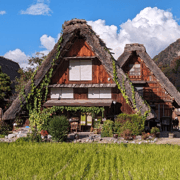
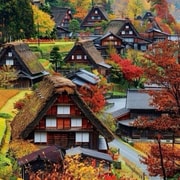
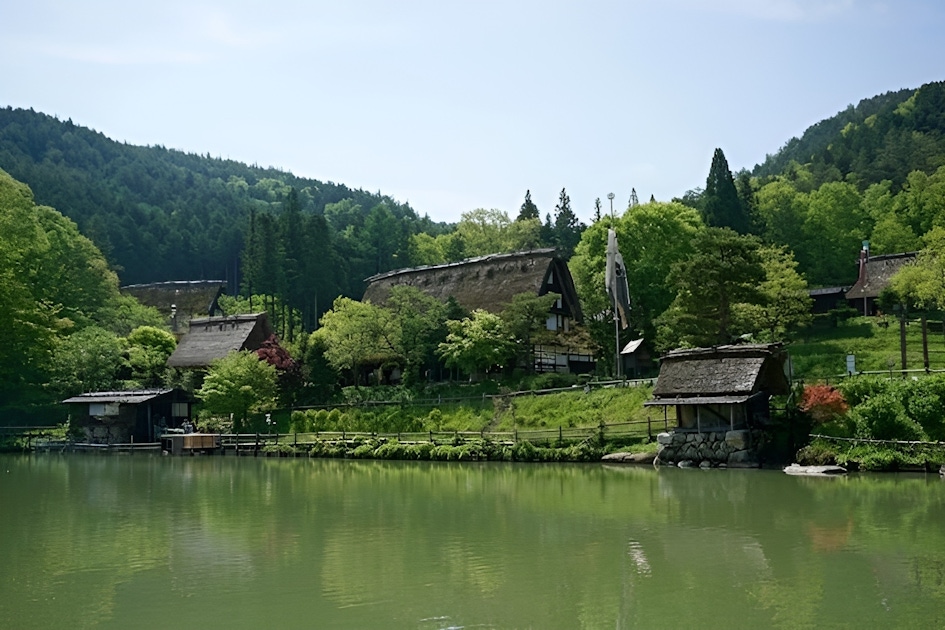
From Takayama: Guided Day Trip to Takayama and Shirakawa-go Best deals for From Takayama: Guided Day Trip to Takayama and Shirakawa-go. Be enthralled by the intricate woodwork of Takayama and explore the mountain village of Shirakawa-go, a UNESCO World Heritage Site, on a guided trip from Takayama. Available from getyourguide.com.
Why Visit Takayama
Takayama blends history, culture, and everyday life into a destination filled with engaging museums and memorable attractions. This guide highlights the kinds of places visitors love and what to expect at each, plus practical tips for planning your day.
Flagship History Museum
The main city history museum in Takayama typically traces the region from early settlement to the present through artifacts, photographs, and interactive exhibits. Expect rotating shows, a solid gift shop, and helpful context for everything else you’ll see.
Art Museum & Sculpture Garden
A leading art museum usually anchors the local scene with classics, contemporary works, and special exhibitions. If there’s an outdoor sculpture garden, it’s a relaxing way to pair culture with a walk.
Science & Discovery Center
Hands-on galleries make science approachable for all ages—think space, engineering, and ecosystems—often with an IMAX or planetarium.
Landmark Cathedral or Temple
Historic houses of worship give insight into Takayama’s architectural styles and community roots. Many offer guided tours and quiet courtyards.
Iconic Public Square or Old Town
Central plazas and heritage streets concentrate cafes, street performers, and local crafts. They’re perfect for people‑watching and photos.
Riverside, Harbor or Promenade
Waterfront paths and viewpoints provide fresh air and skyline views. Look for sunset spots, public art, and casual dining.
Family Favorite: Zoo, Aquarium, or Insectarium
Animal-focused attractions pair conservation with education. Check feeding schedules or touch‑pools for interactive moments.
Living Culture: Music Hall or Theatre
An intimate performance venue showcases local sound—jazz, folk, or contemporary—making for a memorable night out.
Planning Tips
Buy timed tickets online for popular museums and special exhibits.
Combine nearby sights to minimize travel time; many districts are walkable.
Check weekly free or discounted hours; student, senior, and family passes can reduce costs.
Start early for quieter galleries and better photos.
Bottom Line
From cornerstone museums to living cultural venues and scenic promenades, Takayama offers a balanced mix of learning, leisure, and local flavor.
Sponsored Popular Items
Quick take: Musement.com offers a worldwide selection of tours and attractions
From Takayama: Guided Day Trip to Takayama and Shirakawa-go Best deals for From Takayama: Guided Day Trip to Takayama and Shirakawa-go. Be enthralled by the intricate woodwork of Takayama and explore the mountain village of Shirakawa-go, a UNESCO World Heritage Site, on a guided trip from Takayama. Available from getyourguide.com.
Takayama/Kanazawa: Shirakawa-go and Takayama Private Tour Best deals for Takayama/Kanazawa: Shirakawa-go and Takayama Private Tour. Discover the Japanese Alps on a private day trip from Kanazawa. Visit Shirakawa-go and Takayama, hike to the Shiroyama Viewpoint, and enjoy a winter picnic with hot cocoa and local snacks. Available from getyourguide.com.
Takayama Countryside Tours & Rural Day Trips Guide Japan Takayama combines a preserved merchant town, morning markets, festival heritage, Hida food and access to mountain villages in the Japanese Alps. Check current availability, inclusions and booking details before you go.
From Takayama: Guided Day Trip to Takayama and Shirakawa-go Best deals for From Takayama: Guided Day Trip to Takayama and Shirakawa-go. Be enthralled by the intricate woodwork of Takayama and explore the mountain village of Shirakawa-go, a UNESCO World Heritage Site, on a guided trip from Takayama. Available from getyourguide.com.
Why Visit Takayama
Takayama blends history, culture, and everyday life into a destination filled with engaging museums and memorable attractions. This guide highlights the kinds of places visitors love and what to expect at each, plus practical tips for planning your day.
Flagship History Museum
The main city history museum in Takayama typically traces the region from early settlement to the present through artifacts, photographs, and interactive exhibits. Expect rotating shows, a solid gift shop, and helpful context for everything else you’ll see.
Art Museum & Sculpture Garden
A leading art museum usually anchors the local scene with classics, contemporary works, and special exhibitions. If there’s an outdoor sculpture garden, it’s a relaxing way to pair culture with a walk.
Science & Discovery Center
Hands-on galleries make science approachable for all ages—think space, engineering, and ecosystems—often with an IMAX or planetarium.
Landmark Cathedral or Temple
Historic houses of worship give insight into Takayama’s architectural styles and community roots. Many offer guided tours and quiet courtyards.
Iconic Public Square or Old Town
Central plazas and heritage streets concentrate cafes, street performers, and local crafts. They’re perfect for people‑watching and photos.
Riverside, Harbor or Promenade
Waterfront paths and viewpoints provide fresh air and skyline views. Look for sunset spots, public art, and casual dining.
Family Favorite: Zoo, Aquarium, or Insectarium
Animal-focused attractions pair conservation with education. Check feeding schedules or touch‑pools for interactive moments.
Living Culture: Music Hall or Theatre
An intimate performance venue showcases local sound—jazz, folk, or contemporary—making for a memorable night out.
Planning Tips
Buy timed tickets online for popular museums and special exhibits.
Combine nearby sights to minimize travel time; many districts are walkable.
Check weekly free or discounted hours; student, senior, and family passes can reduce costs.
Start early for quieter galleries and better photos.
Bottom Line
From cornerstone museums to living cultural venues and scenic promenades, Takayama offers a balanced mix of learning, leisure, and local flavor.
Sponsored Popular Items
Quick take: Musement.com offers a worldwide selection of tours and attractions
From Takayama: Guided Day Trip to Takayama and Shirakawa-go Best deals for From Takayama: Guided Day Trip to Takayama and Shirakawa-go. Be enthralled by the intricate woodwork of Takayama and explore the mountain village of Shirakawa-go, a UNESCO World Heritage Site, on a guided trip from Takayama. Available from getyourguide.com.
Takayama/Kanazawa: Shirakawa-go and Takayama Private Tour Best deals for Takayama/Kanazawa: Shirakawa-go and Takayama Private Tour. Discover the Japanese Alps on a private day trip from Kanazawa. Visit Shirakawa-go and Takayama, hike to the Shiroyama Viewpoint, and enjoy a winter picnic with hot cocoa and local snacks. Available from getyourguide.com.
Takayama Folklore, Traditions & Cultural Heritage Guide Japan Takayama combines a preserved merchant town, morning markets, festival heritage, Hida food and access to mountain villages in the Japanese Alps. Check current availability, inclusions and booking details before you go.
Sapporo Markets, Local Crafts & Artisan Shopping Guide Japan Sapporo combines a planned northern city, snow culture, major food markets, beer and whisky traditions, parks and access to mountains and wider Hokkaido. Check current availability, inclusions and booking details before you go.
Why Visit Sapporo
Sapporo blends history, culture, and everyday life into a destination filled with engaging museums and memorable attractions. This guide highlights the kinds of places visitors love and what to expect at each, plus practical tips for planning your day.
Flagship History Museum
The main city history museum in Sapporo typically traces the region from early settlement to the present through artifacts, photographs, and interactive exhibits. Expect rotating shows, a solid gift shop, and helpful context for everything else you’ll see.
Art Museum & Sculpture Garden
A leading art museum usually anchors the local scene with classics, contemporary works, and special exhibitions. If there’s an outdoor sculpture garden, it’s a relaxing way to pair culture with a walk.
Science & Discovery Center
Hands-on galleries make science approachable for all ages—think space, engineering, and ecosystems—often with an IMAX or planetarium.
Landmark Cathedral or Temple
Historic houses of worship give insight into Sapporo’s architectural styles and community roots. Many offer guided tours and quiet courtyards.
Iconic Public Square or Old Town
Central plazas and heritage streets concentrate cafes, street performers, and local crafts. They’re perfect for people‑watching and photos.
Riverside, Harbor or Promenade
Waterfront paths and viewpoints provide fresh air and skyline views. Look for sunset spots, public art, and casual dining.
Family Favorite: Zoo, Aquarium, or Insectarium
Animal-focused attractions pair conservation with education. Check feeding schedules or touch‑pools for interactive moments.
Living Culture: Music Hall or Theatre
An intimate performance venue showcases local sound—jazz, folk, or contemporary—making for a memorable night out.
Planning Tips
Buy timed tickets online for popular museums and special exhibits.
Combine nearby sights to minimize travel time; many districts are walkable.
Check weekly free or discounted hours; student, senior, and family passes can reduce costs.
Start early for quieter galleries and better photos.
Bottom Line
From cornerstone museums to living cultural venues and scenic promenades, Sapporo offers a balanced mix of learning, leisure, and local flavor.
Sponsored Popular Items
Quick take: Musement.com offers a worldwide selection of tours and attractions
Sapporo Markets, Local Crafts & Artisan Shopping Guide Japan Sapporo combines a planned northern city, snow culture, major food markets, beer and whisky traditions, parks and access to mountains and wider Hokkaido. Check current availability, inclusions and booking details before you go.
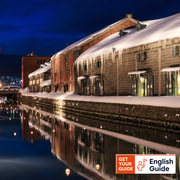
Sapporo Private Tour with Driver-Guide: Yoichi & Otaru Best deals for Sapporo Private Tour with Driver-Guide: Yoichi & Otaru. Explore Hokkaido's coast with a driver-guide from Sapporo. Visit Yoichi Whisky Distillery, wander Sakaimachi, visit Mt. Tengu, and enjoy Otaru Canal night lights. Available from getyourguide.com.
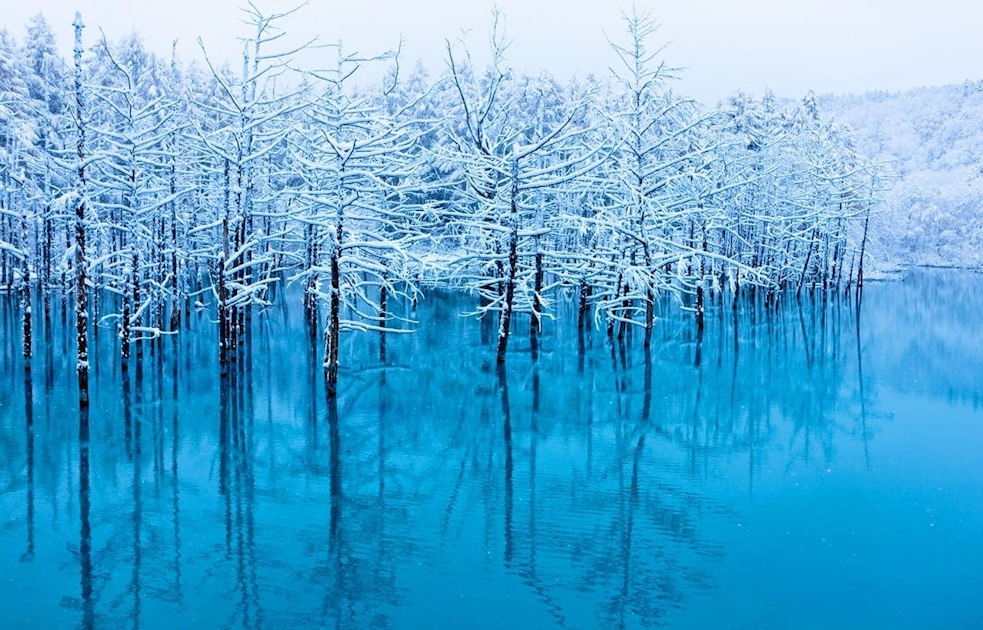
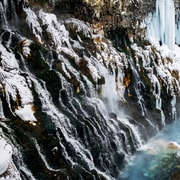
Sapporo: Asahiyama Zoo, Shirahige Waterfall & Blue Pond Day Trip Best deals for Sapporo: Asahiyama Zoo, Shirahige Waterfall & Blue Pond Day Trip. Discover Hokkaido's natural beauty on a day trip from Sapporo. Visit Asahiyama Zoo, Shirahige Waterfall, and Shirogane Blue Pond, and explore the Forest Elf Terrace. Available from getyourguide.com.
Tokyo Your Way: Dream Day with a Tokyo-Born Private Guide Best deals for Tokyo Your Way: Dream Day with a Tokyo-Born Private Guide. Discover Tokyo your way on a customized tour. Spend time with a Tokyo-born, government-licensed guide and explore the sights, culture, and everyday life of this fascinating city. Available from getyourguide.com.
Why Visit Tokyo
Tokyo blends history, culture, and everyday life into a destination filled with engaging museums and memorable attractions. This guide highlights the kinds of places visitors love and what to expect at each, plus practical tips for planning your day.
Flagship History Museum
The main city history museum in Tokyo typically traces the region from early settlement to the present through artifacts, photographs, and interactive exhibits. Expect rotating shows, a solid gift shop, and helpful context for everything else you’ll see.
Art Museum & Sculpture Garden
A leading art museum usually anchors the local scene with classics, contemporary works, and special exhibitions. If there’s an outdoor sculpture garden, it’s a relaxing way to pair culture with a walk.
Science & Discovery Center
Hands-on galleries make science approachable for all ages—think space, engineering, and ecosystems—often with an IMAX or planetarium.
Landmark Cathedral or Temple
Historic houses of worship give insight into Tokyo’s architectural styles and community roots. Many offer guided tours and quiet courtyards.
Iconic Public Square or Old Town
Central plazas and heritage streets concentrate cafes, street performers, and local crafts. They’re perfect for people‑watching and photos.
Riverside, Harbor or Promenade
Waterfront paths and viewpoints provide fresh air and skyline views. Look for sunset spots, public art, and casual dining.
Family Favorite: Zoo, Aquarium, or Insectarium
Animal-focused attractions pair conservation with education. Check feeding schedules or touch‑pools for interactive moments.
Living Culture: Music Hall or Theatre
An intimate performance venue showcases local sound—jazz, folk, or contemporary—making for a memorable night out.
Planning Tips
Buy timed tickets online for popular museums and special exhibits.
Combine nearby sights to minimize travel time; many districts are walkable.
Check weekly free or discounted hours; student, senior, and family passes can reduce costs.
Start early for quieter galleries and better photos.
Bottom Line
From cornerstone museums to living cultural venues and scenic promenades, Tokyo offers a balanced mix of learning, leisure, and local flavor.
Sponsored Popular Items
Quick take: Musement.com offers a worldwide selection of tours and attractions
Tokyo Your Way: Dream Day with a Tokyo-Born Private Guide Best deals for Tokyo Your Way: Dream Day with a Tokyo-Born Private Guide. Discover Tokyo your way on a customized tour. Spend time with a Tokyo-born, government-licensed guide and explore the sights, culture, and everyday life of this fascinating city. Available from getyourguide.com.
Tokyo: teamLab Planets TOKYO Digital Art Museum Entry Ticket Best deals for Tokyo: teamLab Planets TOKYO Digital Art Museum Entry Ticket. Explore the immersive exhibits within teamLab Planets TOKYO, a must-see attraction on any visit to Tokyo. Discover digital art installations made of lights, sounds, and different materials to delight all five senses. Available from getyourguide.com.
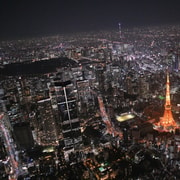
Tokyo: Skytree and Tokyo Tower Helicopter Tour Best deals for Tokyo: Skytree and Tokyo Tower Helicopter Tour. Make your special day with your loved ones a memory you will never forget. Available from getyourguide.com.
Sapporo Nature, Landscapes & Wildlife Experiences Guide Japan Sapporo combines a planned northern city, snow culture, major food markets, beer and whisky traditions, parks and access to mountains and wider Hokkaido. Check current availability, inclusions and booking details before you go.
Why Visit Sapporo
Sapporo blends history, culture, and everyday life into a destination filled with engaging museums and memorable attractions. This guide highlights the kinds of places visitors love and what to expect at each, plus practical tips for planning your day.
Flagship History Museum
The main city history museum in Sapporo typically traces the region from early settlement to the present through artifacts, photographs, and interactive exhibits. Expect rotating shows, a solid gift shop, and helpful context for everything else you’ll see.
Art Museum & Sculpture Garden
A leading art museum usually anchors the local scene with classics, contemporary works, and special exhibitions. If there’s an outdoor sculpture garden, it’s a relaxing way to pair culture with a walk.
Science & Discovery Center
Hands-on galleries make science approachable for all ages—think space, engineering, and ecosystems—often with an IMAX or planetarium.
Landmark Cathedral or Temple
Historic houses of worship give insight into Sapporo’s architectural styles and community roots. Many offer guided tours and quiet courtyards.
Iconic Public Square or Old Town
Central plazas and heritage streets concentrate cafes, street performers, and local crafts. They’re perfect for people‑watching and photos.
Riverside, Harbor or Promenade
Waterfront paths and viewpoints provide fresh air and skyline views. Look for sunset spots, public art, and casual dining.
Family Favorite: Zoo, Aquarium, or Insectarium
Animal-focused attractions pair conservation with education. Check feeding schedules or touch‑pools for interactive moments.
Living Culture: Music Hall or Theatre
An intimate performance venue showcases local sound—jazz, folk, or contemporary—making for a memorable night out.
Planning Tips
Buy timed tickets online for popular museums and special exhibits.
Combine nearby sights to minimize travel time; many districts are walkable.
Check weekly free or discounted hours; student, senior, and family passes can reduce costs.
Start early for quieter galleries and better photos.
Bottom Line
From cornerstone museums to living cultural venues and scenic promenades, Sapporo offers a balanced mix of learning, leisure, and local flavor.
Sponsored Popular Items
Quick take: Musement.com offers a worldwide selection of tours and attractions
Sapporo Nature, Landscapes & Wildlife Experiences Guide Japan Sapporo combines a planned northern city, snow culture, major food markets, beer and whisky traditions, parks and access to mountains and wider Hokkaido. Check current availability, inclusions and booking details before you go.
Sapporo Private Tour with Driver-Guide: Yoichi & Otaru Best deals for Sapporo Private Tour with Driver-Guide: Yoichi & Otaru. Explore Hokkaido's coast with a driver-guide from Sapporo. Visit Yoichi Whisky Distillery, wander Sakaimachi, visit Mt. Tengu, and enjoy Otaru Canal night lights. Available from getyourguide.com.
Sapporo: Asahiyama Zoo, Shirahige Waterfall & Blue Pond Day Trip Best deals for Sapporo: Asahiyama Zoo, Shirahige Waterfall & Blue Pond Day Trip. Discover Hokkaido's natural beauty on a day trip from Sapporo. Visit Asahiyama Zoo, Shirahige Waterfall, and Shirogane Blue Pond, and explore the Forest Elf Terrace. Available from getyourguide.com.
Tokyo/Yokohama: Tokyo City Private Night Tour with Pickup Best deals for Tokyo/Yokohama: Tokyo City Private Night Tour with Pickup. Discover Tokyo’s vibrant nightlife on a private tour. Customize your itinerary and visit iconic spots like the Rainbow Bridge, Tokyo Tower, and Shibuya Crossing. Available from getyourguide.com.
Why Visit Tokyo
Tokyo blends history, culture, and everyday life into a destination filled with engaging museums and memorable attractions. This guide highlights the kinds of places visitors love and what to expect at each, plus practical tips for planning your day.
Flagship History Museum
The main city history museum in Tokyo typically traces the region from early settlement to the present through artifacts, photographs, and interactive exhibits. Expect rotating shows, a solid gift shop, and helpful context for everything else you’ll see.
Art Museum & Sculpture Garden
A leading art museum usually anchors the local scene with classics, contemporary works, and special exhibitions. If there’s an outdoor sculpture garden, it’s a relaxing way to pair culture with a walk.
Science & Discovery Center
Hands-on galleries make science approachable for all ages—think space, engineering, and ecosystems—often with an IMAX or planetarium.
Landmark Cathedral or Temple
Historic houses of worship give insight into Tokyo’s architectural styles and community roots. Many offer guided tours and quiet courtyards.
Iconic Public Square or Old Town
Central plazas and heritage streets concentrate cafes, street performers, and local crafts. They’re perfect for people‑watching and photos.
Riverside, Harbor or Promenade
Waterfront paths and viewpoints provide fresh air and skyline views. Look for sunset spots, public art, and casual dining.
Family Favorite: Zoo, Aquarium, or Insectarium
Animal-focused attractions pair conservation with education. Check feeding schedules or touch‑pools for interactive moments.
Living Culture: Music Hall or Theatre
An intimate performance venue showcases local sound—jazz, folk, or contemporary—making for a memorable night out.
Planning Tips
Buy timed tickets online for popular museums and special exhibits.
Combine nearby sights to minimize travel time; many districts are walkable.
Check weekly free or discounted hours; student, senior, and family passes can reduce costs.
Start early for quieter galleries and better photos.
Bottom Line
From cornerstone museums to living cultural venues and scenic promenades, Tokyo offers a balanced mix of learning, leisure, and local flavor.
Sponsored Popular Items
Quick take: Musement.com offers a worldwide selection of tours and attractions
Tokyo/Yokohama: Tokyo City Private Night Tour with Pickup Best deals for Tokyo/Yokohama: Tokyo City Private Night Tour with Pickup. Discover Tokyo’s vibrant nightlife on a private tour. Customize your itinerary and visit iconic spots like the Rainbow Bridge, Tokyo Tower, and Shibuya Crossing. Available from getyourguide.com.
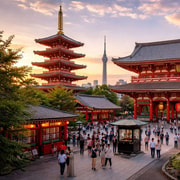
Tokyo : Private Tokyo City Tour with English Driver-Guide Best deals for Tokyo : Private Tokyo City Tour with English Driver-Guide. Explore Tokyo top attractions on a private guided tour. Visit Senso-ji Temple, enjoy views from Tokyo Skytree, and experience the vibrant atmosphere of Shibuya Crossing and Takeshita Street. Available from getyourguide.com.
Tokyo: Tokyo Full-Day Sightseeing City Tour Driver / Guide Best deals for Tokyo: Tokyo Full-Day Sightseeing City Tour Driver / Guide. Explore Tokyo on a full-day private customizable tour. Visit Shibuya Crossing, Senso-ji Temple, Tokyo Skytree, and Meiji Shrine. Enjoy comfortable transport and convenient hotel pickup and drop-off. Available from getyourguide.com.
Sapporo Winter Activities & Snow Experiences Guide Japan Sapporo combines a planned northern city, snow culture, major food markets, beer and whisky traditions, parks and access to mountains and wider Hokkaido. Check current availability, inclusions and booking details before you go.
Why Visit Sapporo
Sapporo blends history, culture, and everyday life into a destination filled with engaging museums and memorable attractions. This guide highlights the kinds of places visitors love and what to expect at each, plus practical tips for planning your day.
Flagship History Museum
The main city history museum in Sapporo typically traces the region from early settlement to the present through artifacts, photographs, and interactive exhibits. Expect rotating shows, a solid gift shop, and helpful context for everything else you’ll see.
Art Museum & Sculpture Garden
A leading art museum usually anchors the local scene with classics, contemporary works, and special exhibitions. If there’s an outdoor sculpture garden, it’s a relaxing way to pair culture with a walk.
Science & Discovery Center
Hands-on galleries make science approachable for all ages—think space, engineering, and ecosystems—often with an IMAX or planetarium.
Landmark Cathedral or Temple
Historic houses of worship give insight into Sapporo’s architectural styles and community roots. Many offer guided tours and quiet courtyards.
Iconic Public Square or Old Town
Central plazas and heritage streets concentrate cafes, street performers, and local crafts. They’re perfect for people‑watching and photos.
Riverside, Harbor or Promenade
Waterfront paths and viewpoints provide fresh air and skyline views. Look for sunset spots, public art, and casual dining.
Family Favorite: Zoo, Aquarium, or Insectarium
Animal-focused attractions pair conservation with education. Check feeding schedules or touch‑pools for interactive moments.
Living Culture: Music Hall or Theatre
An intimate performance venue showcases local sound—jazz, folk, or contemporary—making for a memorable night out.
Planning Tips
Buy timed tickets online for popular museums and special exhibits.
Combine nearby sights to minimize travel time; many districts are walkable.
Check weekly free or discounted hours; student, senior, and family passes can reduce costs.
Start early for quieter galleries and better photos.
Bottom Line
From cornerstone museums to living cultural venues and scenic promenades, Sapporo offers a balanced mix of learning, leisure, and local flavor.
Sponsored Popular Items
Quick take: Musement.com offers a worldwide selection of tours and attractions
Sapporo Winter Activities & Snow Experiences Guide Japan Sapporo combines a planned northern city, snow culture, major food markets, beer and whisky traditions, parks and access to mountains and wider Hokkaido. Check current availability, inclusions and booking details before you go.
Sapporo Visitor Guide: Top Attractions, Tours & Activities Japan Sapporo is best suited to food travellers, winter visitors, beer enthusiasts and Hokkaido first-timers. Check current availability, inclusions and booking details before you go.
Sapporo Private Tour with Driver-Guide: Yoichi & Otaru Best deals for Sapporo Private Tour with Driver-Guide: Yoichi & Otaru. Explore Hokkaido's coast with a driver-guide from Sapporo. Visit Yoichi Whisky Distillery, wander Sakaimachi, visit Mt. Tengu, and enjoy Otaru Canal night lights. Available from getyourguide.com.
Tokyo Classes, Workshops & Hands-On Experiences Guide Japan Tokyo combines historic temples, modern neighbourhoods, major markets, gardens, museums, food and easy access to mountains and coastal regions. Check current availability, inclusions and booking details before you go.
Why Visit Tokyo
Tokyo blends history, culture, and everyday life into a destination filled with engaging museums and memorable attractions. This guide highlights the kinds of places visitors love and what to expect at each, plus practical tips for planning your day.
Flagship History Museum
The main city history museum in Tokyo typically traces the region from early settlement to the present through artifacts, photographs, and interactive exhibits. Expect rotating shows, a solid gift shop, and helpful context for everything else you’ll see.
Art Museum & Sculpture Garden
A leading art museum usually anchors the local scene with classics, contemporary works, and special exhibitions. If there’s an outdoor sculpture garden, it’s a relaxing way to pair culture with a walk.
Science & Discovery Center
Hands-on galleries make science approachable for all ages—think space, engineering, and ecosystems—often with an IMAX or planetarium.
Landmark Cathedral or Temple
Historic houses of worship give insight into Tokyo’s architectural styles and community roots. Many offer guided tours and quiet courtyards.
Iconic Public Square or Old Town
Central plazas and heritage streets concentrate cafes, street performers, and local crafts. They’re perfect for people‑watching and photos.
Riverside, Harbor or Promenade
Waterfront paths and viewpoints provide fresh air and skyline views. Look for sunset spots, public art, and casual dining.
Family Favorite: Zoo, Aquarium, or Insectarium
Animal-focused attractions pair conservation with education. Check feeding schedules or touch‑pools for interactive moments.
Living Culture: Music Hall or Theatre
An intimate performance venue showcases local sound—jazz, folk, or contemporary—making for a memorable night out.
Planning Tips
Buy timed tickets online for popular museums and special exhibits.
Combine nearby sights to minimize travel time; many districts are walkable.
Check weekly free or discounted hours; student, senior, and family passes can reduce costs.
Start early for quieter galleries and better photos.
Bottom Line
From cornerstone museums to living cultural venues and scenic promenades, Tokyo offers a balanced mix of learning, leisure, and local flavor.
Sponsored Popular Items
Quick take: Musement.com offers a worldwide selection of tours and attractions
Tokyo Classes, Workshops & Hands-On Experiences Guide Japan Tokyo combines historic temples, modern neighbourhoods, major markets, gardens, museums, food and easy access to mountains and coastal regions. Check current availability, inclusions and booking details before you go.
Tokyo Cooking Classes & Local Food Workshops Guide Japan Tokyo combines historic temples, modern neighbourhoods, major markets, gardens, museums, food and easy access to mountains and coastal regions. Check current availability, inclusions and booking details before you go.
Sardinia Classes & Workshops – Hands-On Experience Italy Classes & workshops in Sardinia | musement offers a hands-on way to engage with local skills or traditions. Check current availability, inclusions and booking details before you go.
Sapporo: Guided Food Tour with 10+ Dishes and Drinks Best deals for Sapporo: Guided Food Tour with 10+ Dishes and Drinks. Discover Sapporo’s hidden food culture with a local guide. Enjoy over 10 dishes across 4 venues, including a 60-minute all-you-can-drink plan at an izakaya. Available from getyourguide.com.
Why Visit Sapporo
Sapporo blends history, culture, and everyday life into a destination filled with engaging museums and memorable attractions. This guide highlights the kinds of places visitors love and what to expect at each, plus practical tips for planning your day.
Flagship History Museum
The main city history museum in Sapporo typically traces the region from early settlement to the present through artifacts, photographs, and interactive exhibits. Expect rotating shows, a solid gift shop, and helpful context for everything else you’ll see.
Art Museum & Sculpture Garden
A leading art museum usually anchors the local scene with classics, contemporary works, and special exhibitions. If there’s an outdoor sculpture garden, it’s a relaxing way to pair culture with a walk.
Science & Discovery Center
Hands-on galleries make science approachable for all ages—think space, engineering, and ecosystems—often with an IMAX or planetarium.
Landmark Cathedral or Temple
Historic houses of worship give insight into Sapporo’s architectural styles and community roots. Many offer guided tours and quiet courtyards.
Iconic Public Square or Old Town
Central plazas and heritage streets concentrate cafes, street performers, and local crafts. They’re perfect for people‑watching and photos.
Riverside, Harbor or Promenade
Waterfront paths and viewpoints provide fresh air and skyline views. Look for sunset spots, public art, and casual dining.
Family Favorite: Zoo, Aquarium, or Insectarium
Animal-focused attractions pair conservation with education. Check feeding schedules or touch‑pools for interactive moments.
Living Culture: Music Hall or Theatre
An intimate performance venue showcases local sound—jazz, folk, or contemporary—making for a memorable night out.
Planning Tips
Buy timed tickets online for popular museums and special exhibits.
Combine nearby sights to minimize travel time; many districts are walkable.
Check weekly free or discounted hours; student, senior, and family passes can reduce costs.
Start early for quieter galleries and better photos.
Bottom Line
From cornerstone museums to living cultural venues and scenic promenades, Sapporo offers a balanced mix of learning, leisure, and local flavor.
Sponsored Popular Items
Quick take: Musement.com offers a worldwide selection of tours and attractions
Sapporo: Guided Food Tour with 10+ Dishes and Drinks Best deals for Sapporo: Guided Food Tour with 10+ Dishes and Drinks. Discover Sapporo’s hidden food culture with a local guide. Enjoy over 10 dishes across 4 venues, including a 60-minute all-you-can-drink plan at an izakaya. Available from getyourguide.com.
Sapporo Wine, Drinks & Tasting Experiences Guide Japan Sapporo combines a planned northern city, snow culture, major food markets, beer and whisky traditions, parks and access to mountains and wider Hokkaido. Check current availability, inclusions and booking details before you go.
Sapporo Private Tour with Driver-Guide: Yoichi & Otaru Best deals for Sapporo Private Tour with Driver-Guide: Yoichi & Otaru. Explore Hokkaido's coast with a driver-guide from Sapporo. Visit Yoichi Whisky Distillery, wander Sakaimachi, visit Mt. Tengu, and enjoy Otaru Canal night lights. Available from getyourguide.com.
Tokyo Your Way: Dream Day with a Tokyo-Born Private Guide Best deals for Tokyo Your Way: Dream Day with a Tokyo-Born Private Guide. Discover Tokyo your way on a customized tour. Spend time with a Tokyo-born, government-licensed guide and explore the sights, culture, and everyday life of this fascinating city. Available from getyourguide.com.
Why Visit Tokyo
Tokyo blends history, culture, and everyday life into a destination filled with engaging museums and memorable attractions. This guide highlights the kinds of places visitors love and what to expect at each, plus practical tips for planning your day.
Flagship History Museum
The main city history museum in Tokyo typically traces the region from early settlement to the present through artifacts, photographs, and interactive exhibits. Expect rotating shows, a solid gift shop, and helpful context for everything else you’ll see.
Art Museum & Sculpture Garden
A leading art museum usually anchors the local scene with classics, contemporary works, and special exhibitions. If there’s an outdoor sculpture garden, it’s a relaxing way to pair culture with a walk.
Science & Discovery Center
Hands-on galleries make science approachable for all ages—think space, engineering, and ecosystems—often with an IMAX or planetarium.
Landmark Cathedral or Temple
Historic houses of worship give insight into Tokyo’s architectural styles and community roots. Many offer guided tours and quiet courtyards.
Iconic Public Square or Old Town
Central plazas and heritage streets concentrate cafes, street performers, and local crafts. They’re perfect for people‑watching and photos.
Riverside, Harbor or Promenade
Waterfront paths and viewpoints provide fresh air and skyline views. Look for sunset spots, public art, and casual dining.
Family Favorite: Zoo, Aquarium, or Insectarium
Animal-focused attractions pair conservation with education. Check feeding schedules or touch‑pools for interactive moments.
Living Culture: Music Hall or Theatre
An intimate performance venue showcases local sound—jazz, folk, or contemporary—making for a memorable night out.
Planning Tips
Buy timed tickets online for popular museums and special exhibits.
Combine nearby sights to minimize travel time; many districts are walkable.
Check weekly free or discounted hours; student, senior, and family passes can reduce costs.
Start early for quieter galleries and better photos.
Bottom Line
From cornerstone museums to living cultural venues and scenic promenades, Tokyo offers a balanced mix of learning, leisure, and local flavor.
Sponsored Popular Items
Quick take: Musement.com offers a worldwide selection of tours and attractions
Tokyo Your Way: Dream Day with a Tokyo-Born Private Guide Best deals for Tokyo Your Way: Dream Day with a Tokyo-Born Private Guide. Discover Tokyo your way on a customized tour. Spend time with a Tokyo-born, government-licensed guide and explore the sights, culture, and everyday life of this fascinating city. Available from getyourguide.com.
Tokyo: teamLab Planets TOKYO Digital Art Museum Entry Ticket Best deals for Tokyo: teamLab Planets TOKYO Digital Art Museum Entry Ticket. Explore the immersive exhibits within teamLab Planets TOKYO, a must-see attraction on any visit to Tokyo. Discover digital art installations made of lights, sounds, and different materials to delight all five senses. Available from getyourguide.com.
Tokyo: Skytree and Tokyo Tower Helicopter Tour Best deals for Tokyo: Skytree and Tokyo Tower Helicopter Tour. Make your special day with your loved ones a memory you will never forget. Available from getyourguide.com.
Sapporo Food Tours, Dining & Local Cuisine Guide Japan Sapporo combines a planned northern city, snow culture, major food markets, beer and whisky traditions, parks and access to mountains and wider Hokkaido. Check current availability, inclusions and booking details before you go.
Why Visit Sapporo
Sapporo blends history, culture, and everyday life into a destination filled with engaging museums and memorable attractions. This guide highlights the kinds of places visitors love and what to expect at each, plus practical tips for planning your day.
Flagship History Museum
The main city history museum in Sapporo typically traces the region from early settlement to the present through artifacts, photographs, and interactive exhibits. Expect rotating shows, a solid gift shop, and helpful context for everything else you’ll see.
Art Museum & Sculpture Garden
A leading art museum usually anchors the local scene with classics, contemporary works, and special exhibitions. If there’s an outdoor sculpture garden, it’s a relaxing way to pair culture with a walk.
Science & Discovery Center
Hands-on galleries make science approachable for all ages—think space, engineering, and ecosystems—often with an IMAX or planetarium.
Landmark Cathedral or Temple
Historic houses of worship give insight into Sapporo’s architectural styles and community roots. Many offer guided tours and quiet courtyards.
Iconic Public Square or Old Town
Central plazas and heritage streets concentrate cafes, street performers, and local crafts. They’re perfect for people‑watching and photos.
Riverside, Harbor or Promenade
Waterfront paths and viewpoints provide fresh air and skyline views. Look for sunset spots, public art, and casual dining.
Family Favorite: Zoo, Aquarium, or Insectarium
Animal-focused attractions pair conservation with education. Check feeding schedules or touch‑pools for interactive moments.
Living Culture: Music Hall or Theatre
An intimate performance venue showcases local sound—jazz, folk, or contemporary—making for a memorable night out.
Planning Tips
Buy timed tickets online for popular museums and special exhibits.
Combine nearby sights to minimize travel time; many districts are walkable.
Check weekly free or discounted hours; student, senior, and family passes can reduce costs.
Start early for quieter galleries and better photos.
Bottom Line
From cornerstone museums to living cultural venues and scenic promenades, Sapporo offers a balanced mix of learning, leisure, and local flavor.
Sponsored Popular Items
Quick take: Musement.com offers a worldwide selection of tours and attractions
Sapporo Food Tours, Dining & Local Cuisine Guide Japan Sapporo combines a planned northern city, snow culture, major food markets, beer and whisky traditions, parks and access to mountains and wider Hokkaido. Check current availability, inclusions and booking details before you go.
Sapporo bar hopping food tour – Food & Drink Experience Japan Sapporo bar hopping food tour explores the destination through flavour and regional customs. Check current availability, inclusions and booking details before you go.
Sapporo: Sumo Show Experience with Japanese food & Photo Best deals for Sapporo: Sumo Show Experience with Japanese food & Photo. Learn the rules of sumo & how to practice it, watch demonstrations, and then have a go at wrestling yourself in Sapporo, Hokkaido. Enjoy Chanko-nabe (Chicken hot pot) prepared by former sumo wrestlers. Available from getyourguide.com.
Tokyo Your Way: Dream Day with a Tokyo-Born Private Guide Best deals for Tokyo Your Way: Dream Day with a Tokyo-Born Private Guide. Discover Tokyo your way on a customized tour. Spend time with a Tokyo-born, government-licensed guide and explore the sights, culture, and everyday life of this fascinating city. Available from getyourguide.com.
Why Visit Tokyo
Tokyo blends history, culture, and everyday life into a destination filled with engaging museums and memorable attractions. This guide highlights the kinds of places visitors love and what to expect at each, plus practical tips for planning your day.
Flagship History Museum
The main city history museum in Tokyo typically traces the region from early settlement to the present through artifacts, photographs, and interactive exhibits. Expect rotating shows, a solid gift shop, and helpful context for everything else you’ll see.
Art Museum & Sculpture Garden
A leading art museum usually anchors the local scene with classics, contemporary works, and special exhibitions. If there’s an outdoor sculpture garden, it’s a relaxing way to pair culture with a walk.
Science & Discovery Center
Hands-on galleries make science approachable for all ages—think space, engineering, and ecosystems—often with an IMAX or planetarium.
Landmark Cathedral or Temple
Historic houses of worship give insight into Tokyo’s architectural styles and community roots. Many offer guided tours and quiet courtyards.
Iconic Public Square or Old Town
Central plazas and heritage streets concentrate cafes, street performers, and local crafts. They’re perfect for people‑watching and photos.
Riverside, Harbor or Promenade
Waterfront paths and viewpoints provide fresh air and skyline views. Look for sunset spots, public art, and casual dining.
Family Favorite: Zoo, Aquarium, or Insectarium
Animal-focused attractions pair conservation with education. Check feeding schedules or touch‑pools for interactive moments.
Living Culture: Music Hall or Theatre
An intimate performance venue showcases local sound—jazz, folk, or contemporary—making for a memorable night out.
Planning Tips
Buy timed tickets online for popular museums and special exhibits.
Combine nearby sights to minimize travel time; many districts are walkable.
Check weekly free or discounted hours; student, senior, and family passes can reduce costs.
Start early for quieter galleries and better photos.
Bottom Line
From cornerstone museums to living cultural venues and scenic promenades, Tokyo offers a balanced mix of learning, leisure, and local flavor.
Sponsored Popular Items
Quick take: Musement.com offers a worldwide selection of tours and attractions
Tokyo Your Way: Dream Day with a Tokyo-Born Private Guide Best deals for Tokyo Your Way: Dream Day with a Tokyo-Born Private Guide. Discover Tokyo your way on a customized tour. Spend time with a Tokyo-born, government-licensed guide and explore the sights, culture, and everyday life of this fascinating city. Available from getyourguide.com.
Tokyo: teamLab Planets TOKYO Digital Art Museum Entry Ticket Best deals for Tokyo: teamLab Planets TOKYO Digital Art Museum Entry Ticket. Explore the immersive exhibits within teamLab Planets TOKYO, a must-see attraction on any visit to Tokyo. Discover digital art installations made of lights, sounds, and different materials to delight all five senses. Available from getyourguide.com.
Tokyo: Skytree and Tokyo Tower Helicopter Tour Best deals for Tokyo: Skytree and Tokyo Tower Helicopter Tour. Make your special day with your loved ones a memory you will never forget. Available from getyourguide.com.