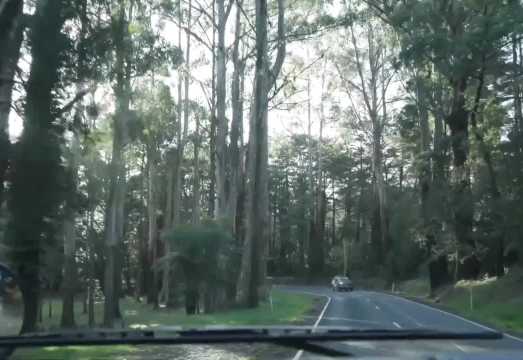
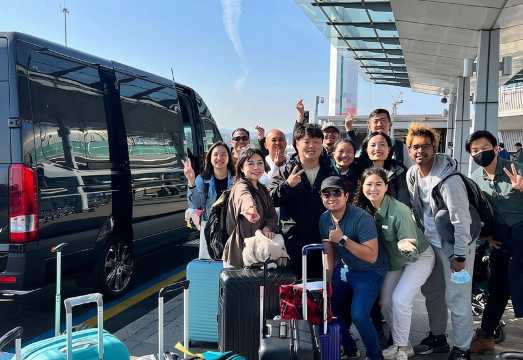
From Perth: Perth Wildlife Tour Under the Stars with Dinner – Wildlife Experience From Perth: Perth Wildlife Tour Under the Stars with Dinner AUD 147.39 explores the destination through flavour and regional customs. From Perth: Perth Wildlife Tour Under the Stars with Dinner AUD 147.39: experience overview Enjoy a scenic drive through the forest as the sunlight filters through;Have a picnic dinner in a secluded forest with a BBQ and fresh salads and drinks;Keep an eye out for kangaroos as they dodge and weave through the trees Available from trip.com. This makes the experience a useful option when planning time in > Perth local experience > Perth local experienceSearch results. The exact duration…
Quick take: Trip.com helps you compare prices across accommodations. Use it to shortlist hotels, then click through to confirm the final price, room type, and inclusions on the booking site.
Perth Australia blends history, culture, and everyday life into a destination filled with engaging museums and memorable attractions. This guide highlights the kinds of places visitors love and what to expect at each, plus practical tips for planning your day.
Flagship History Museum
The main city history museum in Perth Australia typically traces the region from early settlement to the present through artifacts, photographs, and interactive exhibits. Expect rotating shows, a solid gift shop, and helpful context for everything else you’ll see.
Art Museum & Sculpture Garden
A leading art museum usually anchors the local scene with classics, contemporary works, and special exhibitions. If there’s an outdoor sculpture garden, it’s a relaxing way to pair culture with a walk.
Science & Discovery Center
Hands-on galleries make science approachable for all ages—think space, engineering, and ecosystems—often with an IMAX or planetarium.
Landmark Cathedral or Temple
Historic houses of worship give insight into Perth Australia’s architectural styles and community roots. Many offer guided tours and quiet courtyards.
Iconic Public Square or Old Town
Central plazas and heritage streets concentrate cafes, street performers, and local crafts. They’re perfect for people‑watching and photos.
Riverside, Harbor or Promenade
Waterfront paths and viewpoints provide fresh air and skyline views. Look for sunset spots, public art, and casual dining.
Family Favorite: Zoo, Aquarium, or Insectarium
Animal-focused attractions pair conservation with education. Check feeding schedules or touch‑pools for interactive moments.
Living Culture: Music Hall or Theatre
An intimate performance venue showcases local sound—jazz, folk, or contemporary—making for a memorable night out.
Planning Tips
Buy timed tickets online for popular museums and special exhibits.
Combine nearby sights to minimize travel time; many districts are walkable.
Check weekly free or discounted hours; student, senior, and family passes can reduce costs.
Start early for quieter galleries and better photos.
Bottom Line
From cornerstone museums to living cultural venues and scenic promenades, Perth Australia offers a balanced mix of learning, leisure, and local flavor.
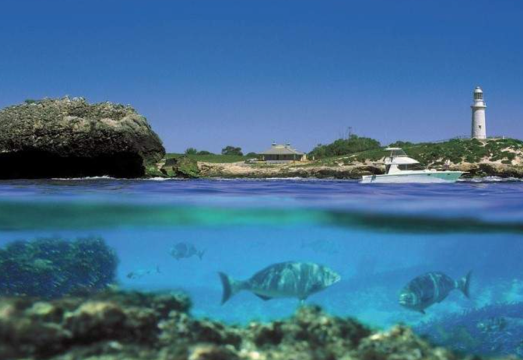
Ferries to Rottnest Island from Perth/Fremantle, Australia – Scenic Cruise Ferries to Rottnest Island from Perth/Fremantle, Australia AUD 107.98 presents the destination from the water and offers a different perspective. Ferries to Rottnest Island from Perth/Fremantle, Australia AUD 107.98: experience overview Take a comfortable ferry from Perth to the picturesque Rottnest Island and enjoy the wonderful experiences of this natural paradise.;Embark on a boat tour through the crystal-clear waters of the Indian Ocean and immerse yourself in the breathtaking coastal views.;Arrive at Rottnest Island, meet the adorable quokkas, and explore pristine beaches and captivating views Available from trip.com. This makes the experience a useful option when planning time in >…
Quick take: Trip.com helps you compare prices across accommodations. Use it to shortlist hotels, then click through to confirm the final price, room type, and inclusions on the booking site.
Fremantle blends history, culture, and everyday life into a destination filled with engaging museums and memorable attractions. This guide highlights the kinds of places visitors love and what to expect at each, plus practical tips for planning your day.
Flagship History Museum
The main city history museum in Fremantle typically traces the region from early settlement to the present through artifacts, photographs, and interactive exhibits. Expect rotating shows, a solid gift shop, and helpful context for everything else you’ll see.
Art Museum & Sculpture Garden
A leading art museum usually anchors the local scene with classics, contemporary works, and special exhibitions. If there’s an outdoor sculpture garden, it’s a relaxing way to pair culture with a walk.
Science & Discovery Center
Hands-on galleries make science approachable for all ages—think space, engineering, and ecosystems—often with an IMAX or planetarium.
Landmark Cathedral or Temple
Historic houses of worship give insight into Fremantle’s architectural styles and community roots. Many offer guided tours and quiet courtyards.
Iconic Public Square or Old Town
Central plazas and heritage streets concentrate cafes, street performers, and local crafts. They’re perfect for people‑watching and photos.
Riverside, Harbor or Promenade
Waterfront paths and viewpoints provide fresh air and skyline views. Look for sunset spots, public art, and casual dining.
Family Favorite: Zoo, Aquarium, or Insectarium
Animal-focused attractions pair conservation with education. Check feeding schedules or touch‑pools for interactive moments.
Living Culture: Music Hall or Theatre
An intimate performance venue showcases local sound—jazz, folk, or contemporary—making for a memorable night out.
Planning Tips
Buy timed tickets online for popular museums and special exhibits.
Combine nearby sights to minimize travel time; many districts are walkable.
Check weekly free or discounted hours; student, senior, and family passes can reduce costs.
Start early for quieter galleries and better photos.
Bottom Line
From cornerstone museums to living cultural venues and scenic promenades, Fremantle offers a balanced mix of learning, leisure, and local flavor.
Central Australia Must-See Attractions & ExperiencesAustralia Must-sees in Central Australia: A Practical Visitor Guide Quick overview: Experiences listed as must-sees in Central Australia can help visitors enjoy the destination’s most important sights without turning the day into a rushed checklist. Product pages can group together several formats, departure points and nearby regional experiences, so the live listing should always be checked before payment. Table of Contents Why choose this experience What you may experience Planning the day Booking checklist Frequently asked questions Why Choose Must-sees in Central Australia? A well-chosen activity can provide useful interpretation, simplify transport or make a difficult-to-reach place more manageable. The best…
Quick take: Trip.com helps you compare prices across accommodations. Use it to shortlist hotels, then click through to confirm the final price, room type, and inclusions on the booking site.
Central Australia blends history, culture, and everyday life into a destination filled with engaging museums and memorable attractions. This guide highlights the kinds of places visitors love and what to expect at each, plus practical tips for planning your day.
Flagship History Museum
The main city history museum in Central Australia typically traces the region from early settlement to the present through artifacts, photographs, and interactive exhibits. Expect rotating shows, a solid gift shop, and helpful context for everything else you’ll see.
Art Museum & Sculpture Garden
A leading art museum usually anchors the local scene with classics, contemporary works, and special exhibitions. If there’s an outdoor sculpture garden, it’s a relaxing way to pair culture with a walk.
Science & Discovery Center
Hands-on galleries make science approachable for all ages—think space, engineering, and ecosystems—often with an IMAX or planetarium.
Landmark Cathedral or Temple
Historic houses of worship give insight into Central Australia’s architectural styles and community roots. Many offer guided tours and quiet courtyards.
Iconic Public Square or Old Town
Central plazas and heritage streets concentrate cafes, street performers, and local crafts. They’re perfect for people‑watching and photos.
Riverside, Harbor or Promenade
Waterfront paths and viewpoints provide fresh air and skyline views. Look for sunset spots, public art, and casual dining.
Family Favorite: Zoo, Aquarium, or Insectarium
Animal-focused attractions pair conservation with education. Check feeding schedules or touch‑pools for interactive moments.
Living Culture: Music Hall or Theatre
An intimate performance venue showcases local sound—jazz, folk, or contemporary—making for a memorable night out.
Planning Tips
Buy timed tickets online for popular museums and special exhibits.
Combine nearby sights to minimize travel time; many districts are walkable.
Check weekly free or discounted hours; student, senior, and family passes can reduce costs.
Start early for quieter galleries and better photos.
Bottom Line
From cornerstone museums to living cultural venues and scenic promenades, Central Australia offers a balanced mix of learning, leisure, and local flavor.
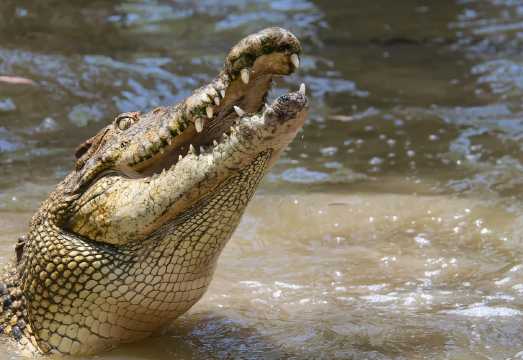
Half-Day Tour to Hartley's Crocodile Adventures in Cairns, Australia – Scenic CruiseAustralia Half-Day Tour to Hartley's Crocodile Adventures in Cairns, Australia [Includes City Transfers + Admission Ticket + Boat Ticket] AUD 125 provides a structured way to visit a notable attraction or cultural site. Half-Day Tour to Hartley's Crocodile Adventures in Cairns, Australia [Includes City Transfers + Admission Ticket + Boat Ticket] AUD 125: experience overview Take a luxury bus along the Great Barrier Reef Highway to Hartley's Crocodile Adventures, enjoying tropical scenery along the way.;Explore the park freely and get up close to koalas, kangaroos, birds, cassowaries, and various reptiles.;Experience a 25-min wetland cruise to discover the uniqueness of Australian crocodiles…
Quick take: Trip.com helps you compare prices across accommodations. Use it to shortlist hotels, then click through to confirm the final price, room type, and inclusions on the booking site.
Cairns Australia blends history, culture, and everyday life into a destination filled with engaging museums and memorable attractions. This guide highlights the kinds of places visitors love and what to expect at each, plus practical tips for planning your day.
Flagship History Museum
The main city history museum in Cairns Australia typically traces the region from early settlement to the present through artifacts, photographs, and interactive exhibits. Expect rotating shows, a solid gift shop, and helpful context for everything else you’ll see.
Art Museum & Sculpture Garden
A leading art museum usually anchors the local scene with classics, contemporary works, and special exhibitions. If there’s an outdoor sculpture garden, it’s a relaxing way to pair culture with a walk.
Science & Discovery Center
Hands-on galleries make science approachable for all ages—think space, engineering, and ecosystems—often with an IMAX or planetarium.
Landmark Cathedral or Temple
Historic houses of worship give insight into Cairns Australia’s architectural styles and community roots. Many offer guided tours and quiet courtyards.
Iconic Public Square or Old Town
Central plazas and heritage streets concentrate cafes, street performers, and local crafts. They’re perfect for people‑watching and photos.
Riverside, Harbor or Promenade
Waterfront paths and viewpoints provide fresh air and skyline views. Look for sunset spots, public art, and casual dining.
Family Favorite: Zoo, Aquarium, or Insectarium
Animal-focused attractions pair conservation with education. Check feeding schedules or touch‑pools for interactive moments.
Living Culture: Music Hall or Theatre
An intimate performance venue showcases local sound—jazz, folk, or contemporary—making for a memorable night out.
Planning Tips
Buy timed tickets online for popular museums and special exhibits.
Combine nearby sights to minimize travel time; many districts are walkable.
Check weekly free or discounted hours; student, senior, and family passes can reduce costs.
Start early for quieter galleries and better photos.
Bottom Line
From cornerstone museums to living cultural venues and scenic promenades, Cairns Australia offers a balanced mix of learning, leisure, and local flavor.
Australia travel – Brisbane Gold Coast Byron Bay skydiving with tax – Outdoor AdventureAustralia travel - Brisbane Gold Coast Byron Bay skydiving with tax and transfers included adds movement, scenery and a more active element to the itinerary. Australia travel - Brisbane Gold Coast Byron Bay skydiving with tax and transfers included: experience overview 15,000-foot extreme skydiving with Byron Bay ocean views, includes insurance and tax;Byron Bay skydiving offers Byron Bay transfer service and fixed-date Brisbane Gold Coast transfer service.;Photos and videos can be pre-ordered or purchased on-site Available from trip.com. This makes the experience a useful option when planning time in > Byron Bay local experienceSearch Results. The exact duration can depend…
Quick take: Trip.com helps you compare prices across accommodations. Use it to shortlist hotels, then click through to confirm the final price, room type, and inclusions on the booking site.
Byron Bay Australia blends history, culture, and everyday life into a destination filled with engaging museums and memorable attractions. This guide highlights the kinds of places visitors love and what to expect at each, plus practical tips for planning your day.
Flagship History Museum
The main city history museum in Byron Bay Australia typically traces the region from early settlement to the present through artifacts, photographs, and interactive exhibits. Expect rotating shows, a solid gift shop, and helpful context for everything else you’ll see.
Art Museum & Sculpture Garden
A leading art museum usually anchors the local scene with classics, contemporary works, and special exhibitions. If there’s an outdoor sculpture garden, it’s a relaxing way to pair culture with a walk.
Science & Discovery Center
Hands-on galleries make science approachable for all ages—think space, engineering, and ecosystems—often with an IMAX or planetarium.
Landmark Cathedral or Temple
Historic houses of worship give insight into Byron Bay Australia’s architectural styles and community roots. Many offer guided tours and quiet courtyards.
Iconic Public Square or Old Town
Central plazas and heritage streets concentrate cafes, street performers, and local crafts. They’re perfect for people‑watching and photos.
Riverside, Harbor or Promenade
Waterfront paths and viewpoints provide fresh air and skyline views. Look for sunset spots, public art, and casual dining.
Family Favorite: Zoo, Aquarium, or Insectarium
Animal-focused attractions pair conservation with education. Check feeding schedules or touch‑pools for interactive moments.
Living Culture: Music Hall or Theatre
An intimate performance venue showcases local sound—jazz, folk, or contemporary—making for a memorable night out.
Planning Tips
Buy timed tickets online for popular museums and special exhibits.
Combine nearby sights to minimize travel time; many districts are walkable.
Check weekly free or discounted hours; student, senior, and family passes can reduce costs.
Start early for quieter galleries and better photos.
Bottom Line
From cornerstone museums to living cultural venues and scenic promenades, Byron Bay Australia offers a balanced mix of learning, leisure, and local flavor.
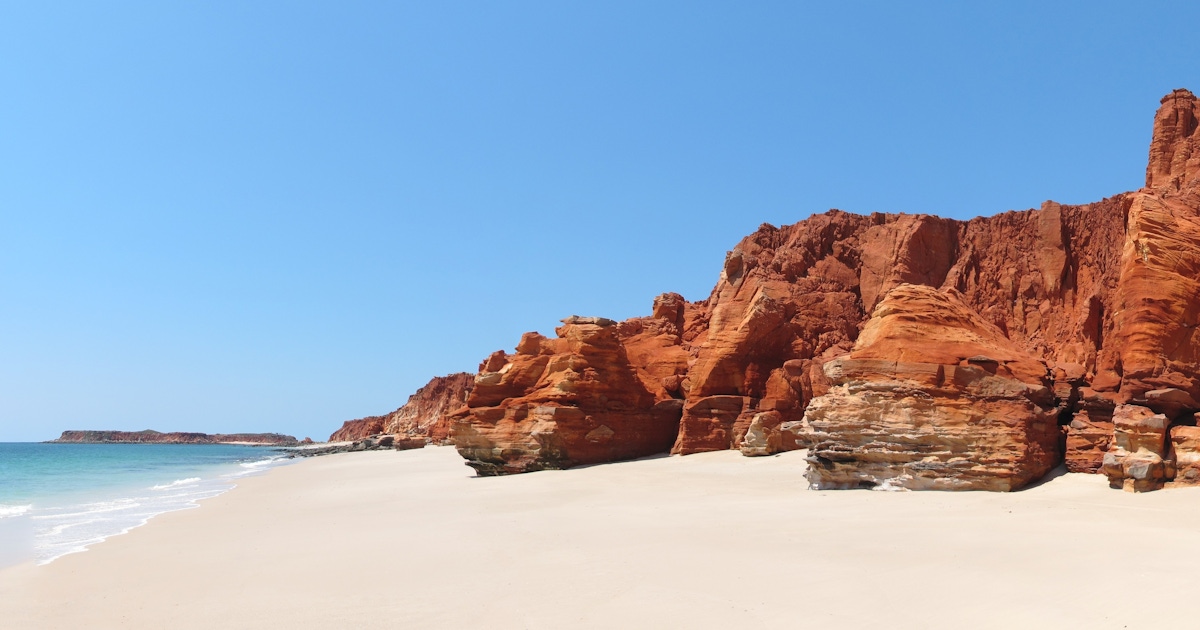
Broome Visitor Guide: Top Attractions, Tours & Activities Australia Things to do in Broome : Museums and attractions Australia Things to Do in Broome: Museums and Attractions Broome, located in Western Australia’s Kimberley region, is a unique coastal town known for its pearling history, red cliffs, and turquoise waters. Beyond its stunning beaches, Broome offers fascinating museums and cultural attractions that showcase its rich heritage and multicultural roots. 1. Broome Historical Museum A must-visit for history lovers, the Broome Historical Museum offers a deep dive into the town’s pearling industry, World War II history, and multicultural community. Exhibits include pearl diving equipment, vintage photographs, and stories of Broome’s early…
Quick take: Trip.com helps you compare prices across accommodations. Use it to shortlist hotels, then click through to confirm the final price, room type, and inclusions on the booking site.
Broome blends history, culture, and everyday life into a destination filled with engaging museums and memorable attractions. This guide highlights the kinds of places visitors love and what to expect at each, plus practical tips for planning your day.
Flagship History Museum
The main city history museum in Broome typically traces the region from early settlement to the present through artifacts, photographs, and interactive exhibits. Expect rotating shows, a solid gift shop, and helpful context for everything else you’ll see.
Art Museum & Sculpture Garden
A leading art museum usually anchors the local scene with classics, contemporary works, and special exhibitions. If there’s an outdoor sculpture garden, it’s a relaxing way to pair culture with a walk.
Science & Discovery Center
Hands-on galleries make science approachable for all ages—think space, engineering, and ecosystems—often with an IMAX or planetarium.
Landmark Cathedral or Temple
Historic houses of worship give insight into Broome’s architectural styles and community roots. Many offer guided tours and quiet courtyards.
Iconic Public Square or Old Town
Central plazas and heritage streets concentrate cafes, street performers, and local crafts. They’re perfect for people‑watching and photos.
Riverside, Harbor or Promenade
Waterfront paths and viewpoints provide fresh air and skyline views. Look for sunset spots, public art, and casual dining.
Family Favorite: Zoo, Aquarium, or Insectarium
Animal-focused attractions pair conservation with education. Check feeding schedules or touch‑pools for interactive moments.
Living Culture: Music Hall or Theatre
An intimate performance venue showcases local sound—jazz, folk, or contemporary—making for a memorable night out.
Planning Tips
Buy timed tickets online for popular museums and special exhibits.
Combine nearby sights to minimize travel time; many districts are walkable.
Check weekly free or discounted hours; student, senior, and family passes can reduce costs.
Start early for quieter galleries and better photos.
Bottom Line
From cornerstone museums to living cultural venues and scenic promenades, Broome offers a balanced mix of learning, leisure, and local flavor.
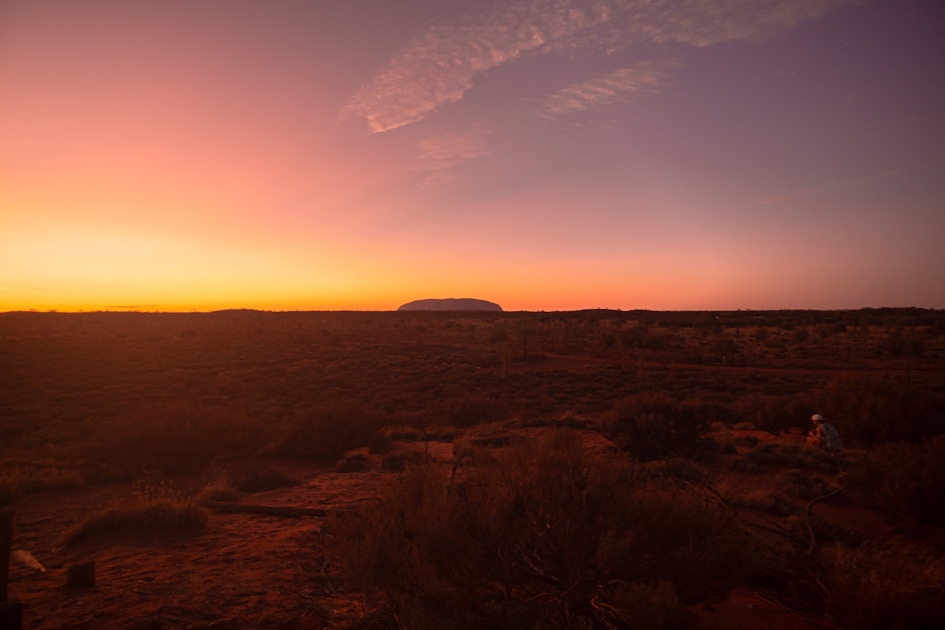
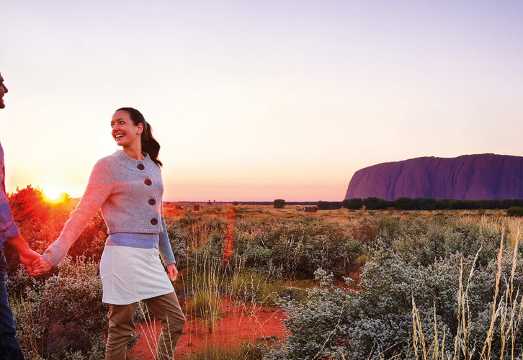
Uluru Sunset Tour in Yulara, Northern Territory, Australia with Transfers / – Guided Tour AustraliaUluru Sunset Tour in Yulara, Northern Territory, Australia with Transfers / Optional BBQ Dinner explores the destination through flavour and regional customs. Uluru Sunset Tour in Yulara, Northern Territory, Australia with Transfers / Optional BBQ Dinner: experience overview 1. AATkings English-speaking tour with quality assurance. 2. Resort pick-up and drop-off. 3. Includes champagne and snacks. 4. Optional BBQ dinner available. Available from trip.com. This makes the experience a useful option when planning time in > Yulara local experienceSearch results. The exact duration can depend on the selected date, option or operating schedule. Routes, start times, inclusions and meeting arrangements may…
Quick take: Trip.com helps you compare prices across accommodations. Use it to shortlist hotels, then click through to confirm the final price, room type, and inclusions on the booking site.
Uluru blends history, culture, and everyday life into a destination filled with engaging museums and memorable attractions. This guide highlights the kinds of places visitors love and what to expect at each, plus practical tips for planning your day.
Flagship History Museum
The main city history museum in Uluru typically traces the region from early settlement to the present through artifacts, photographs, and interactive exhibits. Expect rotating shows, a solid gift shop, and helpful context for everything else you’ll see.
Art Museum & Sculpture Garden
A leading art museum usually anchors the local scene with classics, contemporary works, and special exhibitions. If there’s an outdoor sculpture garden, it’s a relaxing way to pair culture with a walk.
Science & Discovery Center
Hands-on galleries make science approachable for all ages—think space, engineering, and ecosystems—often with an IMAX or planetarium.
Landmark Cathedral or Temple
Historic houses of worship give insight into Uluru’s architectural styles and community roots. Many offer guided tours and quiet courtyards.
Iconic Public Square or Old Town
Central plazas and heritage streets concentrate cafes, street performers, and local crafts. They’re perfect for people‑watching and photos.
Riverside, Harbor or Promenade
Waterfront paths and viewpoints provide fresh air and skyline views. Look for sunset spots, public art, and casual dining.
Family Favorite: Zoo, Aquarium, or Insectarium
Animal-focused attractions pair conservation with education. Check feeding schedules or touch‑pools for interactive moments.
Living Culture: Music Hall or Theatre
An intimate performance venue showcases local sound—jazz, folk, or contemporary—making for a memorable night out.
Planning Tips
Buy timed tickets online for popular museums and special exhibits.
Combine nearby sights to minimize travel time; many districts are walkable.
Check weekly free or discounted hours; student, senior, and family passes can reduce costs.
Start early for quieter galleries and better photos.
Bottom Line
From cornerstone museums to living cultural venues and scenic promenades, Uluru offers a balanced mix of learning, leisure, and local flavor.
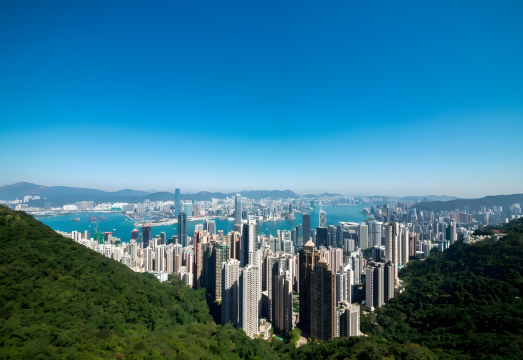
Macau to Hong Kong Private Charter Custom Tour: Victoria Peak & Victoria – Guided Tour China Macau to Hong Kong Private Charter Custom Tour: Victoria Peak + Victoria Harbour + Avenue of Stars HK 1-day Tour adds structure, local context and purposeful sightseeing to the itinerary. Macau to Hong Kong Private Charter Custom Tour: Victoria Peak + Victoria Harbour + Avenue of Stars HK 1-day Tour: experience overview From Macau to Hong Kong via the Hong Kong-Zhuhai-Macau Bridge, with door-to-door pickup, enjoy more freedom and comfort with a private tour.;Popular Attractions in Hong Kong, Making Family Trips More Convenient;Professional Hong Kong travel planning team, creating a worry-free and personalized journey just for you Available from trip.com.…
Quick take: Trip.com helps you compare prices across accommodations. Use it to shortlist hotels, then click through to confirm the final price, room type, and inclusions on the booking site.
Victoria Australia blends history, culture, and everyday life into a destination filled with engaging museums and memorable attractions. This guide highlights the kinds of places visitors love and what to expect at each, plus practical tips for planning your day.
Flagship History Museum
The main city history museum in Victoria Australia typically traces the region from early settlement to the present through artifacts, photographs, and interactive exhibits. Expect rotating shows, a solid gift shop, and helpful context for everything else you’ll see.
Art Museum & Sculpture Garden
A leading art museum usually anchors the local scene with classics, contemporary works, and special exhibitions. If there’s an outdoor sculpture garden, it’s a relaxing way to pair culture with a walk.
Science & Discovery Center
Hands-on galleries make science approachable for all ages—think space, engineering, and ecosystems—often with an IMAX or planetarium.
Landmark Cathedral or Temple
Historic houses of worship give insight into Victoria Australia’s architectural styles and community roots. Many offer guided tours and quiet courtyards.
Iconic Public Square or Old Town
Central plazas and heritage streets concentrate cafes, street performers, and local crafts. They’re perfect for people‑watching and photos.
Riverside, Harbor or Promenade
Waterfront paths and viewpoints provide fresh air and skyline views. Look for sunset spots, public art, and casual dining.
Family Favorite: Zoo, Aquarium, or Insectarium
Animal-focused attractions pair conservation with education. Check feeding schedules or touch‑pools for interactive moments.
Living Culture: Music Hall or Theatre
An intimate performance venue showcases local sound—jazz, folk, or contemporary—making for a memorable night out.
Planning Tips
Buy timed tickets online for popular museums and special exhibits.
Combine nearby sights to minimize travel time; many districts are walkable.
Check weekly free or discounted hours; student, senior, and family passes can reduce costs.
Start early for quieter galleries and better photos.
Bottom Line
From cornerstone museums to living cultural venues and scenic promenades, Victoria Australia offers a balanced mix of learning, leisure, and local flavor.
Half-Day Tour to Puffing Billy Railway in Melbourne, Australia – Sightseeing ExperienceAustralia Half-Day Tour to Puffing Billy Railway in Melbourne, Australia [Quick Visit/Round-Trip from City] AUD 198.89 adds structure, local context and purposeful sightseeing to the itinerary. Half-Day Tour to Puffing Billy Railway in Melbourne, Australia [Quick Visit/Round-Trip from City] AUD 198.89: experience overview Ride the historic Puffing Billy Railway and experience Melbourne's rich heritage firsthand;In the unique open-air carriage, with your legs dangling freely, enjoy the magnificent scenery of the Dandenong Ranges.;Comfortable bus with a maximum capacity of 24 people, round-trip service in Melbourne city area, offering free onboard Wi-Fi Available from trip.com. This makes the experience a useful option when…
Quick take: Trip.com helps you compare prices across accommodations. Use it to shortlist hotels, then click through to confirm the final price, room type, and inclusions on the booking site.
Melbourne Australia blends history, culture, and everyday life into a destination filled with engaging museums and memorable attractions. This guide highlights the kinds of places visitors love and what to expect at each, plus practical tips for planning your day.
Flagship History Museum
The main city history museum in Melbourne Australia typically traces the region from early settlement to the present through artifacts, photographs, and interactive exhibits. Expect rotating shows, a solid gift shop, and helpful context for everything else you’ll see.
Art Museum & Sculpture Garden
A leading art museum usually anchors the local scene with classics, contemporary works, and special exhibitions. If there’s an outdoor sculpture garden, it’s a relaxing way to pair culture with a walk.
Science & Discovery Center
Hands-on galleries make science approachable for all ages—think space, engineering, and ecosystems—often with an IMAX or planetarium.
Landmark Cathedral or Temple
Historic houses of worship give insight into Melbourne Australia’s architectural styles and community roots. Many offer guided tours and quiet courtyards.
Iconic Public Square or Old Town
Central plazas and heritage streets concentrate cafes, street performers, and local crafts. They’re perfect for people‑watching and photos.
Riverside, Harbor or Promenade
Waterfront paths and viewpoints provide fresh air and skyline views. Look for sunset spots, public art, and casual dining.
Family Favorite: Zoo, Aquarium, or Insectarium
Animal-focused attractions pair conservation with education. Check feeding schedules or touch‑pools for interactive moments.
Living Culture: Music Hall or Theatre
An intimate performance venue showcases local sound—jazz, folk, or contemporary—making for a memorable night out.
Planning Tips
Buy timed tickets online for popular museums and special exhibits.
Combine nearby sights to minimize travel time; many districts are walkable.
Check weekly free or discounted hours; student, senior, and family passes can reduce costs.
Start early for quieter galleries and better photos.
Bottom Line
From cornerstone museums to living cultural venues and scenic promenades, Melbourne Australia offers a balanced mix of learning, leisure, and local flavor.
Private Sydney Airport – Sydney CBD, Sydney City, Cruise – Scenic Cruise Private Sydney Airport-Sydney CBD, Sydney City, Cruise Terminal presents the destination from the water and offers a different perspective. Private Sydney Airport-Sydney CBD, Sydney City, Cruise Terminal: experience overview from Trip.com in Sydney. Stay connected with family and friends. Available from trip.com. This makes the experience a useful option when planning time in > Sydney local experienceSearch Results. The exact duration can depend on the selected date, option or operating schedule. Routes, start times, inclusions and meeting arrangements may vary, so the current booking page should be treated as the final source of operational information. At a glance Experience type:…
Quick take: Trip.com helps you compare prices across accommodations. Use it to shortlist hotels, then click through to confirm the final price, room type, and inclusions on the booking site.
Sydney blends history, culture, and everyday life into a destination filled with engaging museums and memorable attractions. This guide highlights the kinds of places visitors love and what to expect at each, plus practical tips for planning your day.
Flagship History Museum
The main city history museum in Sydney typically traces the region from early settlement to the present through artifacts, photographs, and interactive exhibits. Expect rotating shows, a solid gift shop, and helpful context for everything else you’ll see.
Art Museum & Sculpture Garden
A leading art museum usually anchors the local scene with classics, contemporary works, and special exhibitions. If there’s an outdoor sculpture garden, it’s a relaxing way to pair culture with a walk.
Science & Discovery Center
Hands-on galleries make science approachable for all ages—think space, engineering, and ecosystems—often with an IMAX or planetarium.
Landmark Cathedral or Temple
Historic houses of worship give insight into Sydney’s architectural styles and community roots. Many offer guided tours and quiet courtyards.
Iconic Public Square or Old Town
Central plazas and heritage streets concentrate cafes, street performers, and local crafts. They’re perfect for people‑watching and photos.
Riverside, Harbor or Promenade
Waterfront paths and viewpoints provide fresh air and skyline views. Look for sunset spots, public art, and casual dining.
Family Favorite: Zoo, Aquarium, or Insectarium
Animal-focused attractions pair conservation with education. Check feeding schedules or touch‑pools for interactive moments.
Living Culture: Music Hall or Theatre
An intimate performance venue showcases local sound—jazz, folk, or contemporary—making for a memorable night out.
Planning Tips
Buy timed tickets online for popular museums and special exhibits.
Combine nearby sights to minimize travel time; many districts are walkable.
Check weekly free or discounted hours; student, senior, and family passes can reduce costs.
Start early for quieter galleries and better photos.
Bottom Line
From cornerstone museums to living cultural venues and scenic promenades, Sydney offers a balanced mix of learning, leisure, and local flavor.
Birdworld Kuranda is one of the largest free-flight aviaries in Australia, located in the heart of Kuranda Village in Queensland, about 30 minutes from Cairns. It houses over 350 birds from nearly 60 native and exotic species, including vibrant Amazonian macaws, the endangered cassowary, rainbow lorikeets, galahs, cockatoos, and many more. Visitors can walk along rainforest boardwalks through naturalistic environments with ponds, waterfalls, and lush plants, enjoying close-up interactions like handfeeding friendly birds, making it a photographer’s paradise.
Key Details:
Location: Rob Veivers Drive, Kuranda Heritage Markets, Kuranda, QLD 4881.
Opening hours: Daily from 9:00 am to 4:00 pm.
Experience: Free flight birds in large aviaries, handfeeding opportunities, photo sessions with birds, rainforest ambiance.
Highlights: Cassowary, Macaws, Rainbow Lorikeets, Waterbirds including Australian Black Swan.
Extras: Guided small group “Bespoke Birdworld” tours with feedings and close interactions.
Combined Visits: Often paired with Australian Butterfly Sanctuary and Kuranda Koala Gardens in the same area.
Accessibility: Suitable for families, nature lovers, and photography enthusiasts.
Birdworld Kuranda offers an immersive wildlife experience that allows visitors to enjoy spectacular birds in their natural-like rainforest habitats, making it a must-see attraction when visiting the Kuranda region .
The Australian Butterfly Sanctuary is located in the heart of Kuranda Village, Queensland, Australia, about 30 minutes from Cairns. It is the largest butterfly flight aviary in Australia and the southern hemisphere, home to over 1,200 tropical butterflies fluttering among lush rainforest surroundings.
Sponsored Popular Items
Quick take: Trip.com offers a worldwide selection of tours and attractions and hotels
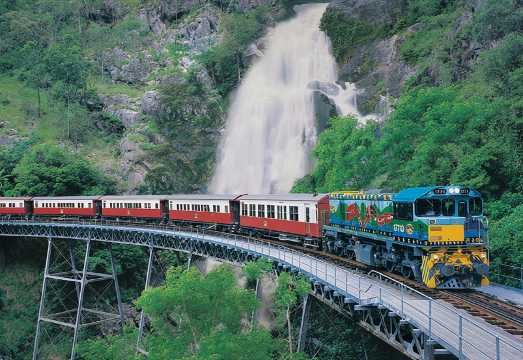
Grand Kuranda including Skyrail and Kuranda Scenic Railway – Guided Tour Australia Grand Kuranda including Skyrail and Kuranda Scenic Railway AUD 342.62 adds structure, local context and purposeful sightseeing to the itinerary. Grand Kuranda including Skyrail and Kuranda Scenic Railway AUD 342.62: experience overview from Trip.com in Cairns. Stay connected with family and friends. Available from trip.com. This makes the experience a useful option when planning time in > Cairns local experience > Cairns local experienceSearch Results. The exact duration can depend on the selected date, option or operating schedule. Routes, start times, inclusions and meeting arrangements may vary, so the current booking page should be treated as the final source of…
Quick take: Trip.com helps you compare prices across accommodations. Use it to shortlist hotels, then click through to confirm the final price, room type, and inclusions on the booking site.
Opening Hours: Daily from 9:30 am to 3:30 pm, closed on Christmas Day.
Admission: Approximately AUD $25 for adults and AUD $15 for children (4-14 years).
Experience: Visitors can stroll through the rainforest aviary, join guided tours of the butterfly breeding laboratory, and learn about butterfly lifecycles.
Special Features: Includes a Fairy Garden with smaller species, a UV light room showcasing how butterflies see the world, and a museum with numerous butterfly specimens.
Butterfly Releases: Daily releases at around 11:30 am and 2:30 pm where newly emerged butterflies take their first flight.
Accessibility: The sanctuary is wheelchair accessible with ramps and guided tours available for visitors with limited vision.
Nearby Attractions: Shuttle service to Rainforestation Nature Park and close proximity to Kuranda Skyrail and Scenic Railway stations.
Visitors can enjoy an educational and enchanting experience surrounded by vibrant butterflies in an immersive tropical rainforest setting