Explore Australia's spectacular cities, national parks, tropical reefs, rugged outback and extraordinary coastline through our destination guides and travel articles.
Here are some top day trips from Wollongong for nature lovers that showcase the region’s stunning landscapes and outdoor adventures:
1. Maddens Falls – Dharawal National Park
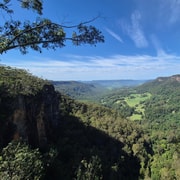
This trail is ideal for all ages and fitness levels, featuring an easy loop walk through heath, woodlands, and swamps filled with wildflowers and birdlife. The highlight is the breathtaking Maddens Falls viewing platform, perfect for relaxing and photos .
Sponsored Popular Items
Quick take: Musement.com offers a worldwide selection of tours and attractions
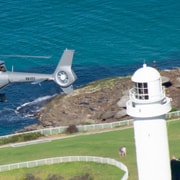
Wollongong: Scenic Helicopter Flight Experience Australia Experience the thrill of a 12-minute helicopter flight over Wollongong. Soar over the beaches, the Great Dividing Range, and the Illawarra Escarpment. Check current availability, inclusions and booking conditions.
2. Cascade Walk – Macquarie Pass National Park
A beginner-friendly walk leading to one of Wollongong’s most beautiful waterfalls. The trail is full of diverse flora and fauna, with chances to see lyrebirds and other wildlife. The peaceful rainforest setting offers a perfect nature escape .
3. Mt Kembla Summit – Illawarra Escarpment State Conservation Area
A rewarding hike with varied terrain including forests, rocky patches, and staircases, culminating in panoramic views of the Wollongong coastline and Lake Illawarra. The trail is rich with wildlife such as lyrebirds, lizards, and fungi, ideal for nature enthusiasts .
4. Mt Keira Ring Track – Illawarra Escarpment State Conservation Area
A loop track around Mount Keira showcasing subtropical bushland, tall red cedars, and rocky outlooks. The route follows a historic colonial road and is great for hiking or running with plenty of bird calls and natural beauty .
5. Kiama Coast Walk
A stunning 20km coastal walk from Minnamurra River to Gerringong, offering spectacular ocean views and a chance to spot whales during migration season (May to November). Kiama itself is known for natural attractions like the famous Kiama Blowhole .
6. Fairy Bower Falls (Southern Highlands)
About an hour and 20 minutes from Wollongong, this scenic waterfall is especially impressive after rain. At night, glow worms light up the area, creating a magical atmosphere. Great for camping and nature appreciation .
7. Abraham’s Bosom Reserve
Famous for its walking trails and historical significance, this reserve offers fishing spots, walking paths, and nature exploration suitable for all ages, about 1.5 hours from Wollongong .
8. Box Vale Mine Walking Track
Around 75 km from Wollongong, this historical walking track goes through bushland and tunnels related to the old railway and mining past. It’s a unique mix of history and nature for an active day out .
9. Bens Walk near Shoalhaven River
This 5.5 km walk takes you through forest and alongside the picturesque Shoalhaven River, including a suspension bridge and picnic areas. It’s perfect for those wanting a peaceful riverside nature experience about an hour’s drive away .
These day trips provide a rich variety of hiking, wildlife spotting, waterfalls, and coastal scenery, making Wollongong a superb base for nature lovers wanting to explore the South Coast and Southern Highlands of New South Wales
Sponsored Popular Items
Quick take: Musement.com offers a worldwide selection of tours and attractions
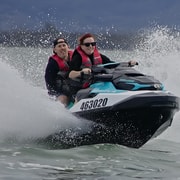
Wollongong: 90-Minute Lake Illawarra Jet Ski Tour Australia Experience the thrill of riding a jet ski on Lake Illawarra on Sydney's south coast with a guided tour from Wollongong. Learn how to operate your own jet ski and cover 50 km of water in 90 minutes.
Wollongong’s Wicked Women: Inspiring History Walking Tour Australia Walk into Wollongong's hidden history and see Wollongong in a whole new light. Discover the city’s stories, meet the women who shaped it and have a few laughs along the way.
From Wollongong: Southern Highlands Explore Tour Australia Discover the Southern Highlands at a relaxed pace — scenic lookouts, cascading waterfalls & charming countryside on a private tour from Wollongong. Perfect for all fitness levels.
Wollongong, affectionately known as “The Gong,” is a laid-back coastal city just 80 kilometers south of Sydney. It’s famous for its stunning beaches, lush rainforests, and vibrant cultural scene, making it a fantastic destination for nature lovers, adventure seekers, and food enthusiasts alike .
Sponsored Popular Items
Quick take: Musement.com offers a worldwide selection of tours and attractions
Wollongong: 90-Minute Lake Illawarra Jet Ski Tour Australia Experience the thrill of riding a jet ski on Lake Illawarra on Sydney's south coast with a guided tour from Wollongong. Learn how to operate your own jet ski and cover 50 km of water in 90 minutes.
Stunning Beaches and Scenic Drives
Wollongong boasts beautiful beaches like North Wollongong Beach and Wollongong City Beach, perfect for swimming, surfing, or simply relaxing by the ocean. The scenic Grand Pacific Drive, featuring the iconic Sea Cliff Bridge, offers breathtaking coastal views that make the journey here as memorable as the destination itself .
Nature and Outdoor Adventures
The area around Wollongong offers excellent hiking opportunities, such as the Sublime Point walking track and Bald Hill Lookout, where panoramic views of the coastline await. Nature lovers can also explore the nearby Royal National Park and enjoy wildlife encounters at Symbio Wildlife Park or visit the Wollongong Botanic Garden for a peaceful stroll .
Cultural and Spiritual Highlights
A visit to Nan Tien Temple, the largest Buddhist temple in the Southern Hemisphere, is a must for its serene gardens and impressive architecture. The city also boasts a lively arts scene, with street art and the Wollongong Art Gallery showcasing local creativity .
Family Fun and Local Experiences
Wollongong’s Crown Street is the heart of local life, featuring vibrant markets with live music, delicious street food, and unique crafts. Families can enjoy activities at places like Science Space and the Australian Motorlife Museum, ensuring visitors of all ages find something to delight in .
Easy Access and Best Time to Visit
Wollongong is easily accessible from Sydney by car or scenic train, both offering routes with stunning views. The best time to visit is during the Australian spring and autumn months when the weather is mild and perfect for outdoor activities .
Wollongong beautifully combines coastal beauty, outdoor adventures, and cultural richness, making it a hidden gem on Australia’s South Coast worth exploring. Whether it’s surfing, hiking, or simply soaking up the sun with a seafood feast, this vibrant city offers something for every traveler
Sponsored Popular Items
Quick take: Musement.com offers a worldwide selection of tours and attractions
Wollongong: 90-Minute Lake Illawarra Jet Ski Tour Australia Experience the thrill of riding a jet ski on Lake Illawarra on Sydney's south coast with a guided tour from Wollongong. Learn how to operate your own jet ski and cover 50 km of water in 90 minutes.
Wollongong’s Wicked Women: Inspiring History Walking Tour Australia Walk into Wollongong's hidden history and see Wollongong in a whole new light. Discover the city’s stories, meet the women who shaped it and have a few laughs along the way.
From Wollongong: Southern Highlands Explore Tour Australia Discover the Southern Highlands at a relaxed pace — scenic lookouts, cascading waterfalls & charming countryside on a private tour from Wollongong. Perfect for all fitness levels.
in the tropical north of Queensland, Cairns is a vibrant city famed for its lush rainforests, stunning coral reefs, and laid-back charm. It’s the perfect destination for travelers looking to mix adventure with natural beauty in a warm, welcoming environment.
Sponsored Popular Items
Quick take: Musement.com offers a worldwide selection of tours and attractions
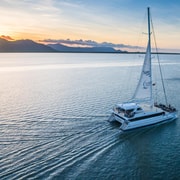
Cairns: Spirit of Cairns Dinner Cruise Australia End your perfect day in paradise with a Cairns dinner cruise. Sail on the catamaran along Trinity Inlet, enjoying the tropical city's sights and sounds as day turns to night. Check current availability, inclusions and booking conditions.
Explore the Great Barrier Reef
One of Cairns’ biggest draws is its proximity to the Great Barrier Reef, the world’s largest coral reef system. Snorkeling and diving here offer unforgettable experiences, with colorful coral gardens and diverse marine life just beneath the surface. Whether you’re a beginner or an experienced diver, there are tours and trips suited to every level.
Discover the Rainforest
Beyond the reef, Cairns is surrounded by ancient rainforests like the Daintree, part of the Wet Tropics World Heritage Area. Hiking through towering trees, spotting unique wildlife, and visiting tranquil waterfalls make for refreshing day trips. Don’t miss the Skyrail Rainforest Cableway for breathtaking aerial views.
Vibrant City Life and Culture
In Cairns itself, you’ll find a lively Esplanade along the waterfront, perfect for strolling, outdoor markets, and casual dining with fresh seafood and tropical flavors. The city also hosts cultural events and offers easy access to Aboriginal experiences that share stories and traditions of the local Indigenous people.
Adventure Activities
For thrill-seekers, Cairns offers bungee jumping, white-water rafting, and skydiving. The surrounding landscapes make it easy to mix your tropical getaway with adrenaline-pumping activities.
When to Visit
Cairns enjoys a tropical climate with a wet season (November to April) and dry season (May to October). The dry season is ideal for outdoor activities with cooler temperatures and less rain.
Cairns perfectly combines natural wonders, outdoor adventure, and relaxed tropical vibes. Whether you’re exploring coral reefs, trekking through rainforests, or enjoying the city’s friendly atmosphere, it promises a memorable Aussie adventure.
Sponsored Popular Items
Quick take: Musement.com offers a worldwide selection of tours and attractions
Cairns: Spirit of Cairns Dinner Cruise Australia End your perfect day in paradise with a Cairns dinner cruise. Sail on the catamaran along Trinity Inlet, enjoying the tropical city's sights and sounds as day turns to night. Check current availability, inclusions and booking conditions.
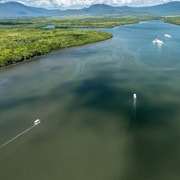
Discover Cairns: Cairns River Cruise & City Sights Tour Australia Explore Cairns Harbour along the picturesque Cairns Inlet, enjoy lunch on the waterfront before joining your afternoon tour of discovery exploring Australia's most tropical city. Check current availability, inclusions and booking conditions.
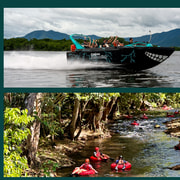
Cairns: Rainforest River Tubing & Cairns Jetboating - 2 Tours Australia Drift through the rainforest on a relaxing river tubing adventure, then turn up the thrill with high-speed spins and slides on an exciting Cairns jet boat ride. Check current availability, inclusions and booking conditions.
Hop aboard the electric boat Tesla for a 1.5-hour tour of Lincoln Cove Marina. This eco-friendly and quiet cruise provides a unique opportunity to explore Australia’s largest commercial fishing fleet and the luxurious waterfront homes of Port Lincoln. The tour is led by Fred, who brings over 40 years of experience in the fishing industry, offering insightful stories about the evolution of the seafood trade and the Southern Bluefin Tuna industry. Port Lincoln Canal Cruise
Details:
Departure Time: Daily at 2:00 PM
Meeting Point: Marina Hotel Pontoon, 13 Jubilee Drive, Port Lincoln
Duration: 1.5 hours
Capacity: Maximum of 10 passengers
Pricing: $60 per adult, $55 concession, $40 per child, $160 for a family of up to 5 portlincoln.com.au
The cruise operates in all weather conditions and is a serene way to learn about Port Lincoln’s maritime heritage.
Sponsored Popular Items
Quick take: Musement.com offers a worldwide selection of tours and attractions
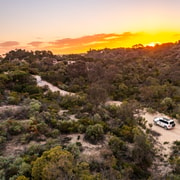
Port Lincoln: Lincoln National Park Sunset Sand Dunes Tour Australia Watch the sunset from the top of a sand dune in Lincoln National Park with this tour from Port Lincoln. Go off-roading through the dunes. Stop at lookout points and try to spot local wildlife.
Port Lincoln: Wildlife and Sightseeing Full-Day 4WD Tour Australia Discover the wildlife of Lincoln National Park on a 4WD adventure. Enjoy close encounters with wild emus, speed over sand dunes, and taste local seafood. Soak up the scenic views from Whalers Way.
Port Lincoln Mikkira Station Wild Koala Safari Tour Australia Join the excitement of a Koala Safari at Mikkira Station, South Australia, with a pro wildlife photographer. Capture the magic of wild koalas at dawn, turning every click into a dynamic adventure.
Brisbane: Private Brisbane Night Tour with Stops Australia Sit back, relax and enjoy Brisbane by night in a private tour. Get driven around Brisbane after dark with stops for photos and exploring. See the beauty of Brisbane and surrounds at… Check current availability, inclusions and booking conditions.
Top Picks for Getaways from Brisbane
Noosa: Relaxed beaches and boutique shopping.
Byron Bay: Laid-back surf town with vibrant markets.
Scenic Rim: Vineyards and mountain hiking.
Gold Coast Hinterland: Rainforests and waterfalls.
Top Picks for Getaways from Brisbane: Nature, Coastlines & Hidden Gems
Need a break from city life? Brisbane is surrounded by stunning destinations perfect for weekend escapes or spontaneous day trips. Whether you’re chasing surf, serenity, or scenic hikes, these top picks offer something for every kind of traveler.
Noosa: Coastal Chic & Laid-Back Luxury
Why go:
Stroll along Hastings Street for boutique shopping and beachfront dining.
Swim or surf at Noosa Main Beach, one of Australia’s most iconic stretches of sand.
Hike through Noosa National Park for cliffside views and possible koala sightings.
Vibe: Upscale, relaxed, and ideal for couples or solo travelers seeking a stylish escape.
Byron Bay: Surf, Soul & Sunshine
Why go:
Catch waves at The Pass or take a surf lesson on Main Beach.
Browse Byron’s vibrant markets for handmade goods and organic treats.
Visit the Cape Byron Lighthouse for sunrise views and dolphin spotting.
Vibe: Bohemian, creative, and perfect for free spirits and beach lovers.
Scenic Rim: Mountains, Wine & Wilderness
Why go:
Sip local wines at Tamborine Mountain or Kalbar’s boutique vineyards.
Hike through Lamington, Springbrook, or Mount Barney National Parks.
Stay in cozy cabins or luxury retreats with panoramic views.
Vibe: Rustic, romantic, and ideal for nature lovers and foodies.
Brisbane: Private Brisbane Night Tour with Stops Australia Sit back, relax and enjoy Brisbane by night in a private tour. Get driven around Brisbane after dark with stops for photos and exploring. See the beauty of Brisbane and surrounds at… Check current availability, inclusions and booking conditions.
Brisbane: 2-Hour Kayak Hire on Brisbane River Australia Get out and discover Brisbane's beautiful river with this 2-hour kayak hire. Be your own kayak tour guide, whether you're a first-timer or an experienced paddler. Cruise along the… Check current availability, inclusions and booking conditions.
Byron Bay, Gold Coast, Brisbane, Noosa Hop-On Hop-Off Pass Australia Hop-on hop-off along Australia’s East Coast! Travel Byron Bay, Brisbane, Gold Coast, Noosa & Rainbow Beach at your pace, with local tips, must-see spots & exclusive discounts.
Brisbane: HOHO + Glow Worms & Skywalk Rainforest Walk Australia Explore Tamborine Mountain with return Brisbane transfers, unlimited Hop On Hop Off access, a guided Glow Worm Cave tour and Rainforest Skywalk entry included. Check current availability, inclusions and booking conditions.
Gold Coast: Famous surf beaches just over an hour away.
Sunshine Coast: Relaxed beaches like Noosa and Caloundra.
Brisbane’s Beach Escapes: Where City Life Meets Coastal Bliss
Brisbane may not sit directly on the ocean, but it’s surrounded by a treasure trove of beach destinations that are perfect for a quick dip, a weekend getaway, or a full-blown surf adventure. Whether you’re chasing calm waters for the kids or world-class waves for your board, here’s your guide to the closest beaches from Brisbane:
Distance: ~40 minutes north of Brisbane Vibe: Relaxed, family-friendly, scenic
Redcliffe offers a string of gentle beaches like Suttons Beach, perfect for paddling, picnicking, and soaking up the sun. With free BBQs, playgrounds, and sweeping views of Moreton Bay, it’s a local favorite for low-key beach days2.
Best For: Families, casual swimmers, seaside strolls
Bonus: Patrolled beaches and waterfront cafes
Wynnum & Manly: Bayside Bliss
Distance: ~30 minutes east of Brisbane Vibe: Laid-back, local, ideal for kids
These twin suburbs hug the shores of Moreton Bay and offer calm, shallow waters ideal for young swimmers. Wynnum’s tidal pool and Manly’s marina add a splash of variety to your beach day.
Best For: Toddlers, paddleboarding, picnics
Bonus: Wynnum Wading Pool and weekend markets
🏄 Gold Coast: Surf, Sand, and Skyline
Distance: ~1 hour south of Brisbane Vibe: Energetic, iconic, surf-centric
From the golden stretch of Surfers Paradise to the laid-back vibes of Burleigh Heads, the Gold Coast is a beach lover’s dream. It’s got everything: surf breaks, nightlife, shopping, and endless sand.
Best For: Surfing, nightlife, beach sports
Bonus: Lifeguard-patrolled beaches and vibrant boardwalks
Sunshine Coast: Serene Shores & Scenic Beauty
Distance: ~1.5 hours north of Brisbane Vibe: Peaceful, nature-rich, upscale
The Sunshine Coast offers a more tranquil escape. Noosa’s gentle waves and boutique charm contrast beautifully with Caloundra’s family-friendly beaches and coastal trails.
Best For: Relaxation, nature walks, boutique stays
Bonus: National parks and dolphin-spotting cruises
Quick Comparison
Beach Area
Travel Time
Best For
Vibe
Redcliffe
~40 min
Families, picnics
Calm & scenic
Wynnum & Manly
~30 min
Kids, paddleboarding
Bayside chill
Gold Coast
~1 hr
Surfing, nightlife
Energetic & iconic
Sunshine Coast
~1.5 hrs
Relaxation, nature
Serene & upscale
Whether you’re planning a spontaneous beach day or a weekend escape, Brisbane’s coastal neighbors offer something for every kind of beachgoer. Want help picking the perfect spot based on your mood or crew? I’ve got plenty more local gems up my sleeve.
FAQs
Q: Can you swim in Brisbane city?
A: Not in the river, but you can at South Bank’s man-made beach.
Q: What’s the closest real beach to Brisbane?
A: Redcliffe and Wynnum are the nearest coastal beaches.
Q: Is Gold Coast or Sunshine Coast closer?
A: Gold Coast is slightly closer at just over an hour’s drive.
Q: Are there islands with beaches near Brisbane?
A: Yes, Moreton Island and Stradbroke Island have stunning beaches.
Q: Is Redcliffe good for families?
A: Yes, it has calm water and plenty of playgrounds.
Sponsored Popular Items
Quick take: Musement.com offers a worldwide selection of tours and attractions
Brisbane: Private Brisbane Night Tour with Stops Australia Sit back, relax and enjoy Brisbane by night in a private tour. Get driven around Brisbane after dark with stops for photos and exploring. See the beauty of Brisbane and surrounds at… Check current availability, inclusions and booking conditions.
Brisbane: 2-Hour Kayak Hire on Brisbane River Australia Get out and discover Brisbane's beautiful river with this 2-hour kayak hire. Be your own kayak tour guide, whether you're a first-timer or an experienced paddler. Cruise along the… Check current availability, inclusions and booking conditions.
Byron Bay, Gold Coast, Brisbane, Noosa Hop-On Hop-Off Pass Australia Hop-on hop-off along Australia’s East Coast! Travel Byron Bay, Brisbane, Gold Coast, Noosa & Rainbow Beach at your pace, with local tips, must-see spots & exclusive discounts.
Brisbane: Hop-on Hop-off Wine Tasting Tour of Mt Tamborine Australia Travel in a new minibus to Tamborine Mountain, where you will enjoy a morning of wine tasting followed by an afternoon of hop-on hop-off freedom to explore the region and its most… Check current availability, inclusions and booking conditions.
When You Don’t Need a Car in Brisbane Australia
Staying in the CBD or South Bank.
Using ferries, trains, and buses for central attractions.
When a Car Helps
Day trips to Gold Coast, Sunshine Coast, or Scenic Rim.
Visiting Lone Pine Koala Sanctuary or Daisy Hill.
Brisbane Without a Car: When to Walk, Ride, or Drive
Brisbane is one of Australia’s most walkable and well-connected cities, especially if you’re sticking to the inner suburbs. But once you venture beyond the city’s leafy boulevards and riverside promenades, a car can quickly become your best friend. Here’s a breakdown of when you can skip the wheels—and when you’ll want them.
✅ When You Don’t Need a Car
🏙️ Staying in the CBD or South Bank If your accommodation is in Brisbane’s Central Business District or the vibrant South Bank precinct, you’re in prime position to explore on foot or via public transport. These areas are packed with restaurants, museums, parks, and nightlife—all within walking distance.
🚍 Using Ferries, Trains, and Buses Brisbane’s public transport system is robust and affordable. The CityCat ferries glide along the Brisbane River, offering scenic commutes. Trains and buses connect most inner suburbs, and the free City Loop bus makes it easy to hop around the CBD. You can even rent e-scooters or bikes for short trips.
Attractions Within Reach
Queensland Museum & Gallery of Modern Art
Brisbane Botanic Gardens
South Bank Parklands & Streets Beach
Howard Smith Wharves
Fortitude Valley nightlife
🚗 When a Car Helps
🌄 Day Trips Beyond the City Public transport thins out once you leave the metro area. If you’re planning a day trip to the Gold Coast, Sunshine Coast, or the Scenic Rim, a car gives you flexibility and access to hidden gems like waterfalls, wineries, and mountain lookouts.
🐨 Wildlife Encounters Destinations like Lone Pine Koala Sanctuary (in Fig Tree Pocket) and Daisy Hill Koala Centre are technically reachable by bus, but travel times can be long and connections limited. A car makes these visits smoother and more spontaneous.
Other Car-Friendly Escapes
Mount Tamborine
Glass House Mountains
North Stradbroke Island (via ferry from Cleveland)
Noosa Heads and hinterland towns
🧭 Quick Guide
Scenario
Car Needed?
Notes
Exploring CBD & South Bank
❌ No
Walk, ferry, train, or scooter
Visiting museums & galleries
❌ No
All central and well-connected
Lone Pine or Daisy Hill
✅ Yes
Public transport possible but slow
Gold/Sunshine Coast day trips
✅ Yes
Best with a car for flexibility
Scenic Rim adventures
✅ Yes
Limited public transport options
Brisbane rewards both the car-free wanderer and the road-tripping explorer. If you’re staying central, ditch the car and embrace the river city vibe. But if your plans stretch into the hinterland or coast, a set of wheels opens up a whole new world. Want help planning a car-free itinerary or mapping out a scenic drive? I’ve got plenty of local insight to share.
FAQs
Q: Is public transport enough in Brisbane?
A: Yes, for the central city and nearby attractions.
Q: Can you rent cars at Brisbane Airport?
A: Yes, major hire companies operate from the terminal.
Q: How much is parking in Brisbane?
A: Expensive in the CBD, but cheaper in suburbs and park-and-ride areas.
Q: Is Brisbane good for road trips?
A: Absolutely, it’s close to beaches, mountains, and wineries.
Q: Do you need a car to visit the Gold Coast?
A: Not necessarily—trains and buses also connect the two.
Sponsored Popular Items
Quick take: Musement.com offers a worldwide selection of tours and attractions
Brisbane: Private Brisbane Night Tour with Stops Australia Sit back, relax and enjoy Brisbane by night in a private tour. Get driven around Brisbane after dark with stops for photos and exploring. See the beauty of Brisbane and surrounds at… Check current availability, inclusions and booking conditions.
Brisbane: 2-Hour Kayak Hire on Brisbane River Australia Get out and discover Brisbane's beautiful river with this 2-hour kayak hire. Be your own kayak tour guide, whether you're a first-timer or an experienced paddler. Cruise along the… Check current availability, inclusions and booking conditions.
Byron Bay, Gold Coast, Brisbane, Noosa Hop-On Hop-Off Pass Australia Hop-on hop-off along Australia’s East Coast! Travel Byron Bay, Brisbane, Gold Coast, Noosa & Rainbow Beach at your pace, with local tips, must-see spots & exclusive discounts.
Dive into these 12 fun things to do in Brisbane Australia Lachlan lives in Paris and is the Head of Content and Community at misterb&b, an LGBTQ+ accommodation platform. He enjoys coffee and cocktails (not always in that order), and loves to… Check current availability, inclusions and booking conditions.
Must-See Spots In Brisbane Australia
GOMA (Gallery of Modern Art): Australia’s largest collection of modern art.
Queensland Museum: Natural history and science exhibits.
QPAC (Queensland Performing Arts Centre): Ballet, opera, and theatre.
Brisbane Powerhouse: Arts, comedy, and festivals in a converted power station.
Brisbane’s Cultural Icons: Must-See Spots That Define the City
Brisbane isn’t just a gateway to beaches and hinterland—it’s a city bursting with creativity, performance, and history. Whether you’re an art lover, science enthusiast, or theatre buff, these four standout destinations offer a deep dive into the soul of the River City.
🖼️ GOMA (Gallery of Modern Art)
Location: South Bank Cultural Precinct Why Visit: Australia’s largest collection of contemporary art
GOMA is a bold, light-filled space that showcases cutting-edge exhibitions from around the world. From immersive installations to provocative video art, it’s a place where creativity meets curiosity.
Highlights: Asia-Pacific contemporary works, Indigenous art, and the Children’s Art Centre
Bonus: Entry is free for most exhibitions, and it’s right next to the Queensland Art Gallery
Queensland Museum
Location: South Bank, beside GOMA Why Visit: Fascinating natural history and science exhibits
This museum is a treasure trove of Queensland’s biodiversity, paleontology, and cultural heritage. It’s perfect for families and curious minds of all ages.
Highlights: Dinosaur skeletons, the Sciencentre, and rotating global exhibitions
Bonus: Interactive displays and free general admission
🎭 QPAC (Queensland Performing Arts Centre)
Location: South Bank, part of the Cultural Centre Why Visit: Brisbane’s premier venue for live performance
QPAC is where Brisbane’s arts scene comes alive. With four theatres hosting everything from ballet and opera to musicals and contemporary dance, it’s a cultural cornerstone.
Highlights: Queensland Ballet, Opera Queensland, and touring Broadway productions
Bonus: Pre-show dining options and riverside views
Brisbane Powerhouse
Location: New Farm, along the Brisbane River Why Visit: A gritty-chic arts hub in a repurposed power station
This industrial space turned cultural icon is a magnet for comedy, indie theatre, and experimental art. It’s also home to major festivals like MELT and Brisbane Comedy Festival.
Highlights: Stand-up comedy, cabaret, visual art, and live music
Bonus: Stunning sunset views from the riverside bar and nearby New Farm Park
Quick Cultural Circuit
Spot
Type of Experience
Best For
GOMA
Modern & contemporary art
Art lovers, families
Queensland Museum
Science & history
Kids, curious minds
QPAC
Performing arts
Theatre-goers, music fans
Brisbane Powerhouse
Indie arts & comedy
Night owls, festival seekers
From the polished galleries of South Bank to the raw energy of New Farm, Brisbane’s cultural scene is as diverse as it is dynamic. Want help crafting a full-day itinerary around these spots, complete with food stops and hidden gems? I’ve got plenty of local flavor to add.
FAQs
Q: Is GOMA free?
A: Yes, most exhibitions are free, though some special shows charge entry.
Q: Where can I see live music?
A: Fortitude Valley is Brisbane’s live music hub.
Q: Does Brisbane have theatre shows?
A: Yes, QPAC hosts musicals, plays, and touring productions.
Q: Are there festivals in Brisbane?
A: Yes, Brisbane Festival in September is the biggest annual event.
Q: Is the Queensland Museum family-friendly?
A: Yes, with interactive science and dinosaur exhibits for kids.
Sponsored Popular Items
Quick take: Musement.com offers a worldwide selection of tours and attractions
Brisbane: Private Brisbane Night Tour with Stops Australia Sit back, relax and enjoy Brisbane by night in a private tour. Get driven around Brisbane after dark with stops for photos and exploring. See the beauty of Brisbane and surrounds at… Check current availability, inclusions and booking conditions.
Brisbane: 2-Hour Kayak Hire on Brisbane River Australia Get out and discover Brisbane's beautiful river with this 2-hour kayak hire. Be your own kayak tour guide, whether you're a first-timer or an experienced paddler. Cruise along the… Check current availability, inclusions and booking conditions.
Byron Bay, Gold Coast, Brisbane, Noosa Hop-On Hop-Off Pass Australia Hop-on hop-off along Australia’s East Coast! Travel Byron Bay, Brisbane, Gold Coast, Noosa & Rainbow Beach at your pace, with local tips, must-see spots & exclusive discounts.
Dive into these 12 fun things to do in Brisbane Australia Lachlan lives in Paris and is the Head of Content and Community at misterb&b, an LGBTQ+ accommodation platform. He enjoys coffee and cocktails (not always in that order), and loves to… Check current availability, inclusions and booking conditions.
When and Where to see Whales from Brisbane Australia
Season: June to November.
Departure Points: Redcliffe, North Stradbroke Island, and Moreton Bay.
Why You’ll Love It
Close encounters with humpback whales.
Half-day tours departing less than an hour from the city.
Chance to see dolphins, turtles, and sea birds.
Whale Watching from Brisbane: When & Where to Witness the Giants of the Sea
Each year, Brisbane becomes a front-row seat to one of nature’s most awe-inspiring spectacles: the migration of humpback whales. From June to November, these gentle giants travel thousands of kilometers along Australia’s east coast, and lucky for you, some of the best viewing spots are just a stone’s throw from the city.
📅 When to Go: Whale Season in Brisbane
Season: June to November
Peak Viewing: July to September
Why Then? That’s when the whales are most active—breaching, tail-slapping, and sometimes even giving birth in the warm waters of Moreton Bay
Where to Depart: Top Whale Watching Launch Points
Departure Point
Travel Time from Brisbane
Highlights
Redcliffe Jetty
~30–45 minutes drive
Home to Brisbane Whale Watching tours aboard the luxury vessel Eye Spy
Moreton Island (Tangalooma)
Ferry from Brisbane (~75 min)
Day cruises with panoramic views and marine life sightings
North Stradbroke Island
Ferry from Cleveland (~1 hr)
Scenic island backdrop and quieter tours
These locations offer half-day tours that are perfect for travelers short on time but big on adventure.
Why You’ll Love It
Close Encounters: Watch humpback whales breach and play just meters from your boat
Marine Diversity: Spot dolphins, sea turtles, and seabirds along the way3
Eco-Friendly Tours: Many operators support whale research and conservation efforts
Comfort & Convenience: Most tours include onboard commentary, meals, and amenities
🌊 Insider Tip
If you’re short on time, Redcliffe is your best bet. It’s just a quick drive from Brisbane and offers a 100% whale sighting guarantee during the season. For a more immersive island experience, Tangalooma or Straddie add a tropical twist to your marine adventure.
Ready to chase whales or want help picking the perfect tour? I can help you compare operators, find deals, or even build a full-day itinerary around your cruise. Just say the word.
FAQs
Q: When is whale watching season in Brisbane?
A: From June to November, with peak sightings in July–September.
Q: How long are tours?
A: Typically 3–5 hours depending on location.
Q: Do you need to book in advance?
A: Yes, tours can sell out during peak season.
Q: Can children join whale watching tours?
A: Most tours are family-friendly with safety briefings.
Q: What else can you see besides whales?
A: Dolphins, manta rays, and seabirds are common.
Sponsored Popular Items
Quick take: Musement.com offers a worldwide selection of tours and attractions
Brisbane: Private Brisbane Night Tour with Stops Australia Sit back, relax and enjoy Brisbane by night in a private tour. Get driven around Brisbane after dark with stops for photos and exploring. See the beauty of Brisbane and surrounds at… Check current availability, inclusions and booking conditions.
Brisbane: 2-Hour Kayak Hire on Brisbane River Australia Get out and discover Brisbane's beautiful river with this 2-hour kayak hire. Be your own kayak tour guide, whether you're a first-timer or an experienced paddler. Cruise along the… Check current availability, inclusions and booking conditions.
Byron Bay, Gold Coast, Brisbane, Noosa Hop-On Hop-Off Pass Australia Hop-on hop-off along Australia’s East Coast! Travel Byron Bay, Brisbane, Gold Coast, Noosa & Rainbow Beach at your pace, with local tips, must-see spots & exclusive discounts.
Brisbane River Australia Book your Brisbane River tickets online. Save time and money with our best price guarantee. Make the most of your visit to Brisbane. Check current availability, inclusions and booking conditions.
Best Free Outdoor Spots in Brisbane Australia
South Bank Parklands: Streets Beach lagoon, gardens, and markets.
Roma Street Parkland: Stunning gardens and free tours.
Mt Coot-tha Lookout: Sweeping city views.
City Botanic Gardens: Shady walks and picnic spots.
Quick Tips
Visit Mt Coot-tha at sunset for panoramic views.
Check for free music and events at South Bank.
Free guided walks run in some city parks.
Best Free Outdoor Spots in Brisbane, Australia: Your Ultimate Guide
Looking for the best free outdoor experiences in Brisbane? Whether you’re planning a weekend adventure or just want to soak up the Queensland sunshine, Brisbane offers a treasure trove of scenic, wallet-friendly escapes. From lush gardens to panoramic lookouts, here are the top free outdoor spots that locals love and visitors rave about.
South Bank Parklands: Brisbane’s Riverside Playground
Why it’s a must-visit:
Streets Beach: Australia’s only inner-city man-made beach, complete with white sand and a sparkling lagoon.
Epicurious Garden: A lush edible garden where you can chat with volunteers and even take home free herbs.
Weekend Markets: Browse artisan goods, street food, and live music along Little Stanley Street.
Roma Street Parkland: A Garden Lover’s Paradise
Why it’s a must-visit:
Spectacle Garden: Bursting with over 15,000 flowers in spring—perfect for Instagram-worthy shots.
Free Guided Tours: Learn about native plants and park history with knowledgeable volunteers.
Picnic-Friendly Lawns: Roll out a rug and relax under shady trees or beside tranquil lakes.
Mt Coot-tha Lookout: Brisbane’s Best Viewpoint
Why it’s a must-visit:
Panoramic Views: Gaze across the city skyline, Brisbane River, and out to Moreton Bay.
Walking Trails: Explore nearby bushwalks like the Summit Track or the Aboriginal Art Trail.
Sunset Magic: Arrive late afternoon for golden hour views that are absolutely free.
City Botanic Gardens: Serenity in the Heart of the City
Why it’s a must-visit:
Historic Trees & Sculptures: Wander among ancient figs and curated art installations.
Riverside Walks: Stroll along the Brisbane River with views of Kangaroo Point cliffs.
Peaceful Picnic Spots: Ideal for lunch breaks, yoga sessions, or lazy weekend lounging.
Bonus Tips for Exploring Brisbane Outdoors
Bring your furry friend: Most parks are dog-friendly—just check signage. Go green: Rent a CityCycle or e-scooter to hop between locations.
Plan ahead: Check Visit Brisbane’s free events calendar for live music, pop-up markets, and seasonal festivals.
Final Word: Brisbane’s Best Is Free
Whether you’re chasing waterfalls (figuratively), craving a beach day without leaving the city, or just want to unwind in nature, Brisbane delivers. These outdoor gems prove that the best things in life really are free—and they’re waiting for you to explore.
Ready to pack a picnic and hit the trails? Let’s make your next Brisbane day out unforgettable.
FAQs
Q: Is Streets Beach free?
A: Yes, it’s a free man-made lagoon in South Bank.
Q: Are Brisbane museums free?
A: GOMA and the Queensland Museum offer free entry.
Q: Can you hike near Brisbane for free?
A: Yes, Mt Coot-tha and Brisbane Forest Park have free trails.
Q: Is Roma Street Parkland free?
A: Yes, including tours run by volunteers.
Q: Can you picnic along the Brisbane River?
A: Absolutely, riverside BBQ areas are free to use.
Sponsored Popular Items
Quick take: Musement.com offers a worldwide selection of tours and attractions
Brisbane: Private Brisbane Night Tour with Stops Australia Sit back, relax and enjoy Brisbane by night in a private tour. Get driven around Brisbane after dark with stops for photos and exploring. See the beauty of Brisbane and surrounds at… Check current availability, inclusions and booking conditions.
Brisbane: 2-Hour Kayak Hire on Brisbane River Australia Get out and discover Brisbane's beautiful river with this 2-hour kayak hire. Be your own kayak tour guide, whether you're a first-timer or an experienced paddler. Cruise along the… Check current availability, inclusions and booking conditions.
Byron Bay, Gold Coast, Brisbane, Noosa Hop-On Hop-Off Pass Australia Hop-on hop-off along Australia’s East Coast! Travel Byron Bay, Brisbane, Gold Coast, Noosa & Rainbow Beach at your pace, with local tips, must-see spots & exclusive discounts.
Brisbane: Hop-on Hop-off Wine Tasting Tour of Mt Tamborine Australia Travel in a new minibus to Tamborine Mountain, where you will enjoy a morning of wine tasting followed by an afternoon of hop-on hop-off freedom to explore the region and its most… Check current availability, inclusions and booking conditions.
Top Areas to Stay in Brisbane Australia 🏙️ Brisbane CBD
Close to shopping, business, and the Botanic Gardens. Best for convenience.
🌿 South Bank
Family-friendly with Streets Beach, museums, and restaurants.
🎶 Fortitude Valley
Best for nightlife, live music, and boutique hotels.
🏡 New Farm
Trendy suburb with cafes, markets, and riverside parks.
Top Areas to Stay in Brisbane, Australia: Where to Book Your Perfect Stay
Planning a trip to Brisbane and wondering where to stay? Whether you’re chasing convenience, culture, nightlife, or leafy charm, Brisbane offers distinct neighborhoods that cater to every kind of traveler. Here’s your voice-search-ready guide to the best areas to stay in Brisbane—each with its own vibe and perks.
🏙️ Brisbane CBD: The Heart of the City
Best for: Business travelers, shopaholics, and first-time visitors.
Why stay here: You’re steps away from Queen Street Mall, the City Botanic Gardens, and major transport hubs.
Highlights: High-rise hotels, heritage arcades, and easy access to the Brisbane River.
South Bank: Culture Meets Relaxation
Best for: Families, museum lovers, and riverside explorers.
Why stay here: Home to Streets Beach, QAGOMA, and the Queensland Museum—all within walking distance.
Highlights: Parklands, playgrounds, and a buzzing restaurant scene.
🎶 Fortitude Valley: Brisbane’s Nightlife Capital
Best for: Partygoers, music fans, and boutique hotel seekers.
Why stay here: The Valley pulses with live music venues, rooftop bars, and trendy eateries.
Highlights: Chinatown, Brunswick Street Mall, and late-night energy.
New Farm: Leafy, Local, and Laid-Back
Best for: Couples, creatives, and those seeking a quieter stay.
Highlights: New Farm Park, the Powerhouse arts venue, and ferry access to the city.
Bonus Picks Worth Exploring
West End: Bohemian vibes, street art, and multicultural eats.
Kangaroo Point: Cliffside views and outdoor adventure.
Newstead: Upscale apartments and craft breweries.
Whether you’re here for a quick city break or a longer Queensland escape, Brisbane’s neighborhoods offer the perfect base to match your travel style. Ready to book your stay? Let’s find your Brisbane vibe.
Quick Tips
🚇 Stay near a train station for easy airport access.
👨👩👧 Families love South Bank for kid-friendly attractions.
🌃 Night owls should pick Fortitude Valley.
FAQs
Q: What’s the best area for families?
A: South Bank—close to attractions, dining, and play areas.
Q: Where should couples stay in Brisbane?
A: New Farm or CBD boutique hotels offer romantic stays.
Q: Is Fortitude Valley safe?
A: Yes, but it’s a nightlife hub—expect noise late at night.
Q: What’s the most budget-friendly area?
A: The CBD has affordable hostels and chain hotels.
Q: Can you stay near the airport?
A: Yes, but it’s 20–30 minutes from the main attractions.
Sponsored Popular Items
Quick take: Musement.com offers a worldwide selection of tours and attractions
Brisbane: Private Brisbane Night Tour with Stops Australia Sit back, relax and enjoy Brisbane by night in a private tour. Get driven around Brisbane after dark with stops for photos and exploring. See the beauty of Brisbane and surrounds at… Check current availability, inclusions and booking conditions.
Brisbane: 2-Hour Kayak Hire on Brisbane River Australia Get out and discover Brisbane's beautiful river with this 2-hour kayak hire. Be your own kayak tour guide, whether you're a first-timer or an experienced paddler. Cruise along the… Check current availability, inclusions and booking conditions.
Byron Bay, Gold Coast, Brisbane, Noosa Hop-On Hop-Off Pass Australia Hop-on hop-off along Australia’s East Coast! Travel Byron Bay, Brisbane, Gold Coast, Noosa & Rainbow Beach at your pace, with local tips, must-see spots & exclusive discounts.
Brisbane: Sirromet Winery Tour with Tasting & 2-Course Lunch Australia Immerse yourself in the world of Australian wine with a guided tour of Sirromet Winery in the Brisbane area. Enjoy a wine tasting, then indulge in a 2-course lunch with a glass of wine. Check current availability, inclusions and booking conditions.
Best Places to See Koalas From Brisbane
Lone Pine Koala Sanctuary
The world’s first and largest koala sanctuary, just 20 minutes from the city. You can cuddle a koala (with photo), see kangaroos, and enjoy interactive shows.
Daisy Hill Koala Centre
Free-entry conservation centre 25 km south of Brisbane, with walking tracks and viewing platforms.
Walks and National Parks
While not guaranteed, you might spot wild koalas in places like Brisbane Forest Park or along the Koala Bushlands walking tracks.
Best Places to See Koalas from Brisbane: Wild Encounters & Sanctuary Snuggles
Koalas are one of Australia’s most iconic creatures—and if you’re in Brisbane, you’re in luck. From cuddly photo ops to spotting them in the wild, here’s your guide to the top places to see koalas near the city.
🏆 Lone Pine Koala Sanctuary: The Gold Standard
Location: Fig Tree Pocket, ~20 minutes from Brisbane CBD Why visit:
The world’s first and largest koala sanctuary, home to over 130 koalas.
You can cuddle a koala (with a professional photo) and hand-feed kangaroos.
Daily wildlife shows, keeper talks, and platypus viewing.
Bonus: Easily accessible by car or via the Mirimar River Cruise from South Bank.
🌳 Daisy Hill Koala Centre: Conservation Meets Education
Location: Daisy Hill Conservation Park, ~25 km south of Brisbane Why visit:
Free entry to a modern, eco-friendly centre focused on koala conservation.
Elevated viewing platforms and interactive exhibits.
Surrounded by walking trails through eucalyptus forest—koalas may be spotted in the wild.
Wild Koala Spotting: Nature’s Hide-and-Seek
Koalas are elusive in the wild, but with patience and a keen eye, you might catch a glimpse in these natural habitats:
Brisbane Forest Park (D’Aguilar National Park)
Just 30 minutes from the city.
Known for its eucalyptus forests and occasional koala sightings.
Koala Bushlands
Located in Brisbane’s southern suburbs.
Features dedicated walking tracks and habitat zones.
Mt Coot-tha & Toohey Forest
Popular for hiking and scenic views.
Koalas have been spotted in eucalyptus trees along trails.
Unusedrooms Pro Tips for Koala Spotting
Best time: Early morning or late afternoon when koalas are more active.
Look up: Koalas often rest in the forks of eucalyptus trees.
Use apps: Try iNaturalist or QWildlife to check recent sightings.
Don’t disturb: Never approach or feed wild koalas—they’re adorable but can scratch or bite if stressed.
Whether you’re after a guaranteed cuddle or a wild encounter, Brisbane offers unforgettable ways to connect with these sleepy, eucalyptus-loving marsupials. Ready to meet a koala face-to-face? Let’s plan your perfect visit.
Quick Tips
Book ahead for koala cuddles at Lone Pine.
Daisy Hill is best visited with a car.
Respect wildlife—keep your distance if you spot koalas in the wild.
FAQs
Q: Can you cuddle a koala in Brisbane?
A: Yes, at Lone Pine Koala Sanctuary you can hold a koala for a photo.
Q: Is Daisy Hill Koala Centre free?
A: Yes, entry is free, making it a great budget-friendly wildlife option.
Q: How close is Lone Pine to the city?
A: Only a 20-minute drive or bus ride from Brisbane CBD.
Q: Are koalas wild in Brisbane parks?
A: Yes, but sightings are rare—your best bet is a sanctuary.
Q: When is the best time to see koalas?
A: Koalas are most active at dawn and dusk, though sanctuaries let you see them anytime.
Sponsored Popular Items
Quick take: Musement.com offers a worldwide selection of tours and attractions
Brisbane: Private Brisbane Night Tour with Stops Australia Sit back, relax and enjoy Brisbane by night in a private tour. Get driven around Brisbane after dark with stops for photos and exploring. See the beauty of Brisbane and surrounds at… Check current availability, inclusions and booking conditions.
Brisbane: 2-Hour Kayak Hire on Brisbane River Australia Get out and discover Brisbane's beautiful river with this 2-hour kayak hire. Be your own kayak tour guide, whether you're a first-timer or an experienced paddler. Cruise along the… Check current availability, inclusions and booking conditions.
Byron Bay, Gold Coast, Brisbane, Noosa Hop-On Hop-Off Pass Australia Hop-on hop-off along Australia’s East Coast! Travel Byron Bay, Brisbane, Gold Coast, Noosa & Rainbow Beach at your pace, with local tips, must-see spots & exclusive discounts.