Byron Bay is one of Australia’s best-known coastal towns, famous for its beaches, surfing, relaxed atmosphere, coastal walks and spectacular views from Cape Byron. Located on the far north coast of New South Wales, the town is also surrounded by rainforest, rolling hinterland and attractive villages.
Visitors come for everything from swimming and surfing to whale watching, kayaking, walking, dining and exploring the surrounding Northern Rivers region.
About Byron Bay
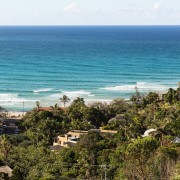
Byron Bay combines a lively coastal town with some of the most attractive beaches and headlands in northern New South Wales.
Popular beaches include Main Beach, Clarkes Beach, Wategos Beach and Belongil Beach. Main, Clarkes and Wategos beaches are patrolled throughout the year.
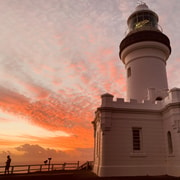
Cape Byron Lighthouse
The Cape Byron Lighthouse is one of Byron Bay’s best-known landmarks.
Standing at the most easterly point of mainland Australia, the lighthouse overlooks the Pacific Ocean and Cape Byron Marine Park.
The lighthouse was completed in 1901 and remains an excellent location for viewing the coast, surrounding hinterland and marine life.
Dolphins, turtles and humpback whales can sometimes be seen from the headland. Whale sightings are particularly common during the annual migration season.
Walgun Cape Byron Walking Track
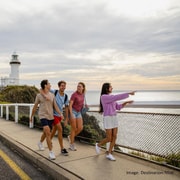
One of the best ways to explore Byron Bay is along the Walgun Cape Byron walking track.
The scenic 3.7-kilometre loop passes through rainforest, beaches, grasslands and clifftops before reaching Cape Byron Lighthouse.
NSW National Parks classifies the walk as Grade 3 and recommends allowing approximately 1 to 3 hours. The route contains some short steep hills and many steps.
Highlights along the route include:
Captain Cook Lookout
Clarkes Beach
The Pass
Wategos Beach
Little Wategos Beach
Cape Byron Lighthouse
Australia’s most easterly mainland point
Beaches in Byron Bay
Byron Bay has several beaches, each offering a slightly different experience.
Main Beach
Main Beach is closest to the town centre and is convenient for swimming, relaxing and watching the sunset.
Wategos Beach
Wategos Beach sits beneath Cape Byron and is one of the most scenic beaches in the area. It is popular for swimming, picnics and longboard surfing.
Clarkes Beach
Clarkes Beach lies between Main Beach and The Pass and offers a long stretch of sand suitable for swimming and walking.
Belongil Beach
Belongil Beach extends north from town and generally has a quieter atmosphere than Main Beach.
Surfing in Byron Bay
Byron Bay has long been associated with Australian surf culture.
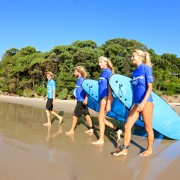
The Pass and The Wreck are among the area’s best-known surf breaks, while several local surf schools offer lessons for beginners.
Conditions vary, so inexperienced surfers should use suitable beginner areas and follow local safety advice.
Whale Watching
Byron Bay is an excellent location for watching migrating humpback whales.
Whales can generally be seen during the migration period from around May to November, with particularly good viewing opportunities during winter and early spring.
Cape Byron and the lighthouse precinct provide excellent land-based viewpoints.
Julian Rocks
Julian Rocks lies approximately 2.5 kilometres offshore within the Cape Byron Marine Park.
The area is well known for scuba diving and snorkelling and supports a diverse range of marine life.
Guided dive and snorkelling trips operate from Byron Bay, depending on weather and ocean conditions.
Kayaking
Sea kayaking is another popular activity in Byron Bay.
Guided kayaking tours explore the waters around Cape Byron and may provide opportunities to see dolphins, turtles and, during migration season, whales.
Things to Do in Byron Bay
Visit Cape Byron Lighthouse
Walk the Walgun Cape Byron walking track
Swim at Main Beach
Relax at Wategos Beach
Take a surfing lesson
Go whale watching
Join a sea kayaking tour
Snorkel or dive at Julian Rocks
Explore the town’s cafés and restaurants
Visit nearby hinterland villages
Explore the Byron Bay Hinterland
The countryside surrounding Byron Bay provides an excellent contrast to the coast.
Visitors can explore rainforest, farms, waterfalls and small villages throughout the Northern Rivers hinterland.
Popular destinations include:
Bangalow
Brunswick Heads
Mullumbimby
Federal
Newrybar
Best Time to Visit Byron Bay
Byron Bay can be visited throughout the year.
Summer is popular for swimming and beach holidays, while autumn and spring usually provide pleasant temperatures for walking and exploring.
Winter is particularly attractive for visitors interested in whale watching.
Getting to Byron Bay
Location:
Byron Bay NSW 2481
Australia
Byron Bay is located on the north coast of New South Wales, south of the Queensland border.
The closest major airports include Ballina Byron Gateway Airport and Gold Coast Airport. Shuttle and transfer services operate between the airports and Byron Bay.
Travellers arriving by road can reach Byron Bay via the Pacific Motorway and surrounding regional roads.
Getting Around Byron Bay
The central area of Byron Bay is compact enough to explore on foot.
Walking or cycling can be particularly convenient because parking around the town centre and popular beaches can become busy.
A car is useful if you plan to explore the surrounding hinterland and neighbouring coastal towns.
How Long Should You Spend in Byron Bay?
A full day is enough to see the main highlights, including the lighthouse, walking track and beaches.
However, spending 2 to 4 days provides more time for surfing, swimming, kayaking, whale watching and exploring the hinterland.
Suggested Byron Bay Day
A good one-day itinerary is:
Start with breakfast in Byron Bay
Walk towards The Pass and Wategos Beach
Continue along the Cape Byron walking track
Visit Cape Byron Lighthouse
Return to town for lunch
Spend the afternoon at Main Beach or Clarkes Beach
Finish the day watching the sunset
Travel Tip
Start the Cape Byron walk early in the morning when temperatures are cooler and the tracks are generally quieter.
Take water, sun protection and comfortable footwear, particularly if completing the entire 3.7-kilometre loop.
Image credit: Kpravin2, via Wikimedia Commons. Licensed under Creative Commons Attribution-ShareAlike 4.0.
Sponsored Popular Items
Quick take: Musement.com offers a worldwide selection of tours and attractions
Byron Bay: Cape Byron Lighthouse Guided Sunrise Tour Australia Guests are taken on a hike through rainforest, beach and clifftops to be the first people in Australia to witness the spectacular sunrise at the most easterly point in the country.
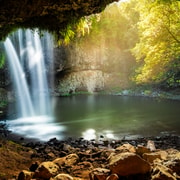
Byron Bay: Behind The Bay Waterfalls & Hidden Gems Day Tour Australia Experience the best of Byron Bay's surrounds on a relaxing day tour. Immerse yourself in the beauty of Lennox Head and Lake Ainsworth, visit Killen Falls, and discover hidden beaches at Broken Head.
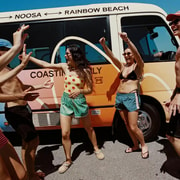
Byron Bay, Gold Coast, Brisbane, Noosa Hop-On Hop-Off Pass Australia Hop-on hop-off along Australia’s East Coast! Travel Byron Bay, Brisbane, Gold Coast, Noosa & Rainbow Beach at your pace, with local tips, must-see spots & exclusive discounts.
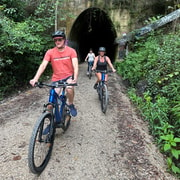
Guided Evening Glow Worm Experience - Byron Bay Australia See thousands of glow worms. Ride e-bikes through the rainforest and walk through the tunnel using the natural light of the glow worms for guidance. Learn about Glow Worms and other wildlife in the area.
Day Trip to Byron Bay (from Surfers Paradise) Australia Day trip from the Gold Coast to Byron Bay! Explore Australia's famous bohemian surf town, packed with unique local brands, artisan markets, and boutique shops
From Byron Bay: Platypus Spotting Walk Australia Head out on a stroll through a picturesque creek where you may spot 1-2 platypuses, and a range of Australian bird species.
Three-Day Byron Bay Surf & Stay Australia This package includes epic accommodation in the heart of Australia's most iconic surf town, daily surf lessons plus heaps of awesome extras! Surf, Stay, Learn and Explore our amazing region!
Byron Bay: 2-Hour Small Group Surf Lesson Australia Join a fun-fuelled beginner's surfing lesson to experience the thrill of catching your first wave or hone your skills in Byron Bay. Increase your surfing knowledge, technique, and confidence.