The Blue Mountains are one of New South Wales’ most spectacular natural regions and one of the most popular day trips from Sydney. Famous for dramatic sandstone cliffs, deep forested valleys, waterfalls, bushwalking tracks and panoramic lookouts, the region forms part of the Greater Blue Mountains World Heritage Area.
The main visitor centres include Katoomba, Leura, Wentworth Falls and Blackheath, with many of the best-known attractions concentrated around Katoomba.
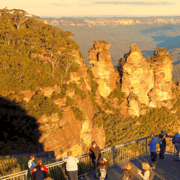
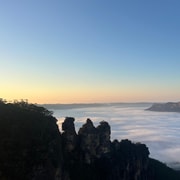
The Three Sisters in the Blue Mountains. Photo: Diliff / Wikimedia Commons, CC BY-SA 2.5.
About the Blue Mountains
The Blue Mountains begin approximately 60 kilometres west of Sydney and cover a vast area of rugged escarpments, eucalyptus forests, waterfalls and sandstone plateaus.
The distinctive blue haze often visible across the valleys is associated with the region’s extensive eucalyptus forests.
The landscape is part of Country traditionally cared for by Aboriginal peoples, including the Gundungurra and Darug peoples.
Three Sisters
The Three Sisters are the best-known landmark in the Blue Mountains.
These three sandstone peaks rise above the Jamison Valley and can be viewed from Echo Point at Katoomba.
The Three Sisters have important Aboriginal cultural significance and are associated with several traditional stories.
The short Three Sisters Walk begins at Echo Point and is approximately 800 metres return. Most visitors can complete it in around 25 to 45 minutes.
Echo Point Lookout
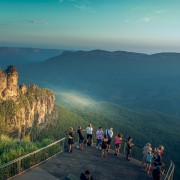
Echo Point is one of the most popular viewpoints in the Blue Mountains and provides expansive views across the Jamison Valley towards the Three Sisters, Mount Solitary and surrounding sandstone escarpments.
Visitor facilities, toilets and walking tracks are available around the lookout area.
Scenic World
Scenic World in Katoomba offers several ways to experience the mountain scenery.
Scenic Railway
Scenic Skyway
Scenic Cableway
Scenic Walkway
The Scenic Railway descends into the Jamison Valley, while the Skyway travels high above the gorge and provides extensive views of the surrounding cliffs and rainforest.
Wentworth Falls
Wentworth Falls is another major attraction in the Blue Mountains.
The waterfall drops over sandstone cliffs into the Jamison Valley and can be viewed from several lookouts and walking tracks.
The area offers everything from short walks to more demanding bushwalking routes.
Govetts Leap
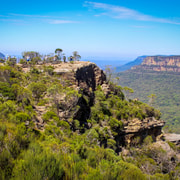
Located near Blackheath, Govetts Leap Lookout provides one of the most impressive panoramas in the Blue Mountains.
The viewpoint overlooks the Grose Valley and surrounding cliffs and is an excellent stop for photography and bushwalking.
Leura
The mountain village of Leura is known for its attractive streets, cafés, restaurants, gardens and boutique shops.
It makes a pleasant stop between visits to lookouts and walking tracks and is only a short distance from Katoomba.
Things to Do in the Blue Mountains
See the Three Sisters at Echo Point
Ride the Scenic Railway at Scenic World
Visit Wentworth Falls
Walk through eucalyptus forest
Explore Leura and Katoomba
Visit Govetts Leap Lookout
Go bushwalking
Photograph waterfalls and sandstone cliffs
Visit the Blue Mountains Heritage Centre
Explore the mountain villages
Bushwalking in the Blue Mountains
The Blue Mountains contain an extensive network of bushwalking tracks ranging from easy lookout walks to challenging full-day hikes.
Popular walking areas include:
Three Sisters and Echo Point
Wentworth Falls
Leura Cascades
Govetts Leap
Evans Lookout
Grand Cliff Top Walk
Narrow Neck
Weather conditions can change quickly in the mountains, so visitors planning longer walks should carry suitable clothing, water and navigation equipment.
Blue Mountains Heritage Centre
The Blue Mountains Heritage Centre at Blackheath is a useful place to begin exploring the national park.
The centre provides maps, walking information, local history and advice about current park conditions.
Best Time to Visit the Blue Mountains
The Blue Mountains can be visited throughout the year, with each season offering a different experience.
Spring and autumn are particularly pleasant for bushwalking, while winter can bring cold temperatures and crisp mountain views.
Summer is generally warmer, but visitors should always check bushfire warnings and national park alerts before travelling.
Getting to the Blue Mountains from Sydney
The Blue Mountains are easily accessible from Sydney by car or train.
Driving from central Sydney to Katoomba generally takes around 90 minutes to two hours, depending on traffic.
Train services operate from Sydney towards Katoomba, Wentworth Falls, Leura, Blackheath and Lithgow.
Express train services to Katoomba can take around 90 minutes, while stopping services may take closer to two hours.
Getting Around
Having a car provides the greatest flexibility, particularly if you want to visit several lookouts and villages in one day.
Public buses operate from Katoomba to attractions including Echo Point and Scenic World.
A hop-on hop-off sightseeing bus also operates around Katoomba and Leura, stopping at many popular attractions and lookouts.
How Long Should You Spend in the Blue Mountains?
The Blue Mountains can be visited as a full-day trip from Sydney, particularly if you concentrate on Katoomba, the Three Sisters, Scenic World and Leura.
However, staying for two or three days provides much more time for bushwalking, waterfalls, mountain villages and some of the quieter viewpoints.
Suggested Blue Mountains Day Trip
A good one-day itinerary from Sydney is:
Arrive in Katoomba in the morning
Visit Echo Point and the Three Sisters
Explore Scenic World
Have lunch in Katoomba or Leura
Visit Wentworth Falls
Explore Leura village
Stop at another lookout before returning to Sydney
Travel Tip
The temperature in the Blue Mountains can be considerably cooler than Sydney, even on the same day. Carry a jacket and suitable walking shoes, particularly if you plan to explore the bushwalking tracks.
For the best experience, check current weather, fire warnings and national park alerts before setting out.
Image credit: Diliff, via Wikimedia Commons. Licensed under Creative Commons Attribution-ShareAlike 2.5.
Sponsored Popular Items
Quick take: Musement.com offers a worldwide selection of tours and attractions
From Sydney: Blue Mountains Sightseeing And Sunset Day Tour Australia Discover the Blue Mountains with a private, luxury 9-hour tour. Enjoy stunning landscapes, iconic lookouts, and a magical sunset. Perfect for small groups, traveling in style and comfort.
Blue Mountains: Overcliff-Undercliff Guided Hike Australia Embark on a guided hike of the Overcliff-Undercliff hike in the Blue Mountains. Admire the views of the Jamison Valley, explore the beauty & see waterfalls within a part of the Blue Mountains.
Sydney: Blue Mountains 3 Scenic Walks Ultimate Guided Tour Australia Explore the Blue Mountains beyond the crowds — no queues, no theme parks, just 3 guided scenic walks, 2 panoramic valley views, 2 waterfalls and 3 villages to explore, all completed in only one day!
Sydney: Blue Mountains, Scenic World, and Featherdale Tour Australia Discover the stunning Blue Mountains. Visit the Scenic World, see unique animals at Featherdale Wildlife Park, and enjoy a comfortable private tour with only your friends or family.
Sydney: Blue Mountains Small Group: Walks, Wildlife & Dinner Australia We depart later, enjoy walks and viewpoints. Lunch and dinner included. Max 11 guests. No theme parks. No 7am pickup. Spot wild kangaroos in late afternoon sun. Discover where Charles Darwin walked.
Sydney: Blue Mountains Into the Wild – Hiking & Scenic Tour Australia Journey Into the Wild on a full-day Blue Mountains tour from Sydney. Hike scenic trails, swim in natural pools when weather allows, and connect deeply with nature – no zoos, just pure wilderness.
Blue Mountains: Private Luxury Tour Australia Explore the stunning Blue Mountains on a customizable private tour. With expert guidance and a flexible itinerary, enjoy serene landscapes and unique experiences away from the crowds!