How to use Taiwan High Speed Rail as a tourist

How to use Taiwan High Speed Rail as a tourist

Taiwan’s High Speed Rail (HSR) is one of the fastest and most convenient ways to explore the island. Stretching along the western coast from Taipei in the north to Kaohsiung in the south, the HSR connects major cities in just a fraction of the time it would take by car or conventional train. For tourists, it’s a game-changer—whether you’re planning a short city break, a full island loop, or a return trip to hidden gems.


Why Take the Taiwan High Speed Rail?

  • Speed and Efficiency: Travel from Taipei to Kaohsiung (over 345 km) in about 90 minutes.
  • Comfort: Spacious seating, luggage storage, clean facilities, and air-conditioned trains.
  • Punctuality: Delays are extremely rare, making it reliable for time-sensitive itineraries.
  • Scenic Access: Many stations connect seamlessly to metro lines, local trains, and buses.

Planning Your Trip

1. Buying Tickets

You can buy HSR tickets:

  • Online via the official Taiwan High Speed Rail website, app, or partner platforms like Klook or KKday (these often include discounts or tourist passes).
  • At stations from ticket counters or vending machines.
  • With a travel pass: Consider the Taiwan High Speed Rail Tourist Pass, which allows unlimited travel for 2 or 3 consecutive days.

💡 Insider Tip: Book in advance for weekends and holidays—trains sell out quickly.

2. Costs

  • Taipei → Taichung: ~NT$700 (US$22) one way, ~1 hour.
  • Taipei → Tainan: ~NT$1,350 (US$42) one way, ~1.5 hours.
  • Taipei → Kaohsiung (Zuoying Station): ~NT$1,490 (US$46) one way, ~1.5 hours.

Discounts are often available if you book 5–28 days in advance or use early-bird deals.

3. Seating

  • Standard class: Comfortable with reserved seating.
  • Business class: Wider seats, more legroom, complimentary snacks and drinks.
  • Non-reserved cars: Cheaper, but first come, first served.

How to Use the HSR as a Tourist

  1. At the Station
    • Arrive 15–20 minutes early. Stations are large but well-signed in English.
    • Ticket gates work like Japan’s Shinkansen—tap your ticket or QR code.
  2. On Board
    • Keep your ticket for inspection.
    • Food, drinks, and bento boxes are available from trolleys or station kiosks.
    • Free Wi-Fi and power outlets are available on most trains.
  3. Connections
    • Taipei Main Station, Taichung, Tainan, and Zuoying are linked to metro systems.
    • Shuttle buses or local trains connect to tourist attractions like Sun Moon Lake, Alishan, or Tainan’s temples.

Suggested HSR Itineraries

  • Day Trip from Taipei to Taichung
    • Visit the National Taichung Theater, Rainbow Village, and Gaomei Wetlands.
  • Two Days in Tainan
    • Taiwan’s oldest city, famous for its temples, street food, and history.
  • Weekend in Kaohsiung
    • Explore the Lotus Pond, Pier-2 Art Center, and take a ferry to Cijin Island.

💡 Hidden Gem Tip: From Hsinchu Station, rent a bike and ride around the Hakka villages and rice terraces—a less touristy slice of Taiwan.


Tours and Passes

Many tour operators combine HSR tickets with local sightseeing:

  • HSR + Sun Moon Lake: Bundle includes round-trip train tickets and shuttle buses.
  • HSR + Alishan: A popular package for nature lovers, with hotel pick-up and mountain transport.
  • HSR Multi-City Passes: Ideal for those who want to explore multiple cities within 2–3 days.

Platforms like Musement, Klook, and Viator sell these bundles in English, making them tourist-friendly and often cheaper than booking separately.


Insider Tips for Tourists

  • Travel light: Overhead racks and luggage compartments are available, but they fill quickly.
  • Avoid rush hours: Early morning and evening trains are busiest with commuters.
  • Pair with EasyCard or iPASS: These transit cards work seamlessly with local buses and metros at your destination.
  • Download the HSR app: Live timetables, seat selection, and mobile tickets.
  • Weather watch: Summer typhoons can cause occasional disruptions—check updates before traveling.

Final Thoughts

For first-time visitors, the Taiwan High Speed Rail is the fastest way to see more of the island without the stress of domestic flights or long bus journeys. For repeat travelers, it’s a springboard to uncover hidden corners of Taiwan—from bustling Taichung art districts to tranquil southern beaches.

Whether you’re riding for just a day or planning a multi-stop adventure, the HSR makes travel in Taiwan not only practical but part of the experience itself.

Quick Picks: Book Trusted Tours & Tickets

FAQ

Is English widely spoken?

A: In major cities and tourist areas, yes. Carry hotel cards and use translation apps for taxis and rural areas.

Do I need cash?

A: Cards are common, but small eats and rural buses may be cash‑only. ATMs are easy to find.

What’s the best transport card?

A: EasyCard and iPASS both work on most public transport and convenience stores—buy whichever you see first.

Is Taiwan safe for solo travellers?

A: Very safe. Use standard city smarts and keep an eye on personal items in crowded night markets.

How far in advance should I book tours?

A: Popular day trips and high‑demand dates (festivals, weekends) can sell out—book 1–2 weeks ahead when possible.

Published 2025-08-27 on UnusedRooms.com
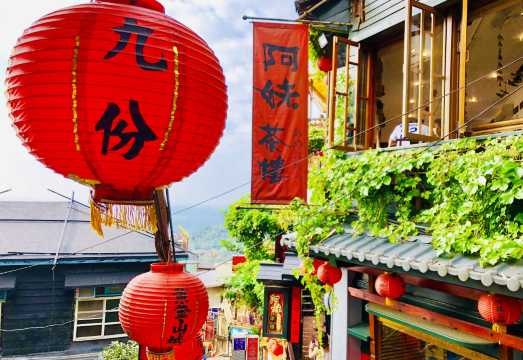
Traditional tea houses in Jiufen – where to sip with a view

Traditional Tea Houses in Jiufen – Where to Sip with a View

Planning a trip to Taiwan? This guide covers what to see and do, how to get around, where to stay, and the best bookable tours to make the most of your time.

Perched on a hillside overlooking the Pacific Ocean, Jiufen is one of Taiwan’s most atmospheric destinations. Known for its lantern-lit alleyways and old mining history, Jiufen is also famous for its traditional tea houses. These spots combine Taiwan’s tea culture with breathtaking views of the mountains and sea. Here are the best places to sip tea in Jiufen, plus practical tips to make the most of your visit.


🌸 Top Traditional Tea Houses in Jiufen

1. A-Mei Tea House (阿妹茶樓)

  • Why visit: The most iconic tea house in Jiufen, with red lanterns glowing at dusk—often said to have inspired scenes in Spirited Away.
  • View: Panoramic vistas of Jiufen’s old streets and the coastline.
  • What to order: Traditional tea sets with oolong and small sweet/savoury snacks.
  • Insider Tip: Come early evening to watch the village light up as the sun sets.

2. Jiufen Teahouse (九份茶坊)

  • Why visit: Set inside a century-old building with stone walls, antiques, and art pieces.
  • View: A quieter tea-drinking experience away from the crowds.
  • What to order: Gongfu-style tea prepared tableside.
  • Insider Tip: Explore the mini art gallery inside before heading upstairs for tea.

3. Skyline Tea House (海悅樓茶坊)

  • Why visit: Known for its unobstructed mountain and ocean views.
  • View: Sweeping coastal scenery, best enjoyed from the balcony.
  • What to order: High-mountain teas and traditional desserts.
  • Insider Tip: Try visiting on a weekday morning for a more relaxed atmosphere.

4. Siidcha Tea House

  • Why visit: A modern twist on Jiufen’s tea culture, with curated seasonal teas.
  • View: Sleek interiors and wide windows overlooking Jiufen’s hills.
  • What to order: Cold-brew oolong or a tea-tasting flight.
  • Insider Tip: Great option for travellers who prefer contemporary tea culture experiences.

🚆 How to Get to Jiufen

  • From Taipei:
    • Take the train from Taipei Main Station → Ruifang Station (~40 min).
    • From Ruifang, hop on a local bus (15–20 min) or taxi to Jiufen Old Street.
  • By Tour: The easiest way is to book a Jiufen & Shifen day tour that includes transport and a guide. This saves time and adds nearby attractions like Shifen Waterfall or Yehliu Geopark.

🏨 Where to Stay

  • Taipei Base: Stay in Taipei (Ximending or Zhongshan) and visit Jiufen on a day trip.
  • Local Stay: For an atmospheric experience, choose a Jiufen guesthouse overlooking the sea. Many offer tatami-style rooms with breakfast.

🎟️ Best Bookable Tours

  • Jiufen & Shifen Day Tour with Lantern Experience (Viator)
  • Jiufen, Yehliu & Pingxi Shuttle Tour (Klook)
  • Private Tea Culture & Jiufen Old Street Tour (Musement)

✨ Final Thoughts

Jiufen’s tea houses are more than just places to drink tea—they’re a window into Taiwan’s culture, history, and hospitality. Whether you choose the legendary A-Mei Tea House, the art-filled Jiufen Teahouse, or a modern stop like Siidcha, each experience comes with stunning views and a sense of timeless charm.

For first-time visitors, a guided day tour is the simplest way to enjoy Jiufen. For repeat travellers, staying overnight in a local inn and sipping tea as the lanterns glow is an unforgettable way to slow down and connect with the magic of this mountain village.

Quick Picks: Book Trusted Tours & Tickets

FAQ

Is English widely spoken?

A: In major cities and tourist areas, yes. Carry hotel cards and use translation apps for taxis and rural areas.

Do I need cash?

A: Cards are common, but small eats and rural buses may be cash‑only. ATMs are easy to find.

What’s the best transport card?

A: EasyCard and iPASS both work on most public transport and convenience stores—buy whichever you see first.

Is Taiwan safe for solo travellers?

A: Very safe. Use standard city smarts and keep an eye on personal items in crowded night markets.

How far in advance should I book tours?

A: Popular day trips and high‑demand dates (festivals, weekends) can sell out—book 1–2 weeks ahead when possible.

Published 2025-08-27 on UnusedRooms.com

Best museums to visit in Taipei for a rainy day

1. National Palace Museum

  • One of the world’s premier collections of Chinese imperial artifacts—from jade carvings to intricate scrolls. A truly indoor escape to dive into thousands of years of history.

  • With nearly 700,000 pieces, you could easily spend 2–3 hours or more exploring.

  • Located in Shilin—reachable via MRT plus a short bus or shuttle ride. 

2. Taipei Fine Arts Museum

Contemporary art lovers, this is your stop. Home to the famous Taipei Biennial, and features rotating global and local exhibitions.

Located in Zhongshan District, easily accessible via MRT.

3. National Taiwan Museum

Charming and imaginative—featuring miniature models from fairy tales to architectural wonders, plus the world’s smallest working TV.Taipei Travel GeekWikipedia

Cozy, indoor and perfect if you’re looking for something unique.


5. Beitou Museum & Tittot Glass Art Museum

In Beitou’s historic spa area, the Beitou Museum (a restored Japanese-era building) houses folk and Aboriginal art.Travels With Elle+7Lonely Planet+7Alamy+7Palmera+3Wikipedia+3yesyoucan.info+3

Nearby, the Tittot Glass Art Museum showcases live glasswork in an intimate setting.Wikipedia

Combine with a hot spring soak for a relaxing rainy-day experience.


Why These Work for Rainy Days

  • Fully indoors: Ideal for avoiding downpours.

  • Diverse appeals: From centuries-old artifacts to tiny models and avant-garde art.

  • Accessible via MRT: Rain-friendly and easy to reach.


Suggested Rainy-Day Museum Crawl

Destination Best For
National Palace Museum Iconic collection; rich cultural immersion (North Taipei day trip option)
Taipei Fine Arts Museum Contemporary art & rotating exhibits
Miniatures Museum + National Taiwan Museum Unique, playful, and history-rich for families
Beitou area combo Culture + relaxation with museum and hot springs nearby

Planning a trip to Taiwan? This guide covers what to see and do, how to get around, where to stay, and the best bookable tours to make the most of your time.

Quick Picks: Book Trusted Tours & Tickets

FAQ

Is English widely spoken?

A: In major cities and tourist areas, yes. Carry hotel cards and use translation apps for taxis and rural areas.

Do I need cash?

A: Cards are common, but small eats and rural buses may be cash‑only. ATMs are easy to find.

What’s the best transport card?

A: EasyCard and iPASS both work on most public transport and convenience stores—buy whichever you see first.

Is Taiwan safe for solo travellers?

A: Very safe. Use standard city smarts and keep an eye on personal items in crowded night markets.

How far in advance should I book tours?

A: Popular day trips and high‑demand dates (festivals, weekends) can sell out—book 1–2 weeks ahead when possible.

Published 2025-08-27 on UnusedRooms.com
Dragon Boat Festival in Taiwan – what to expect

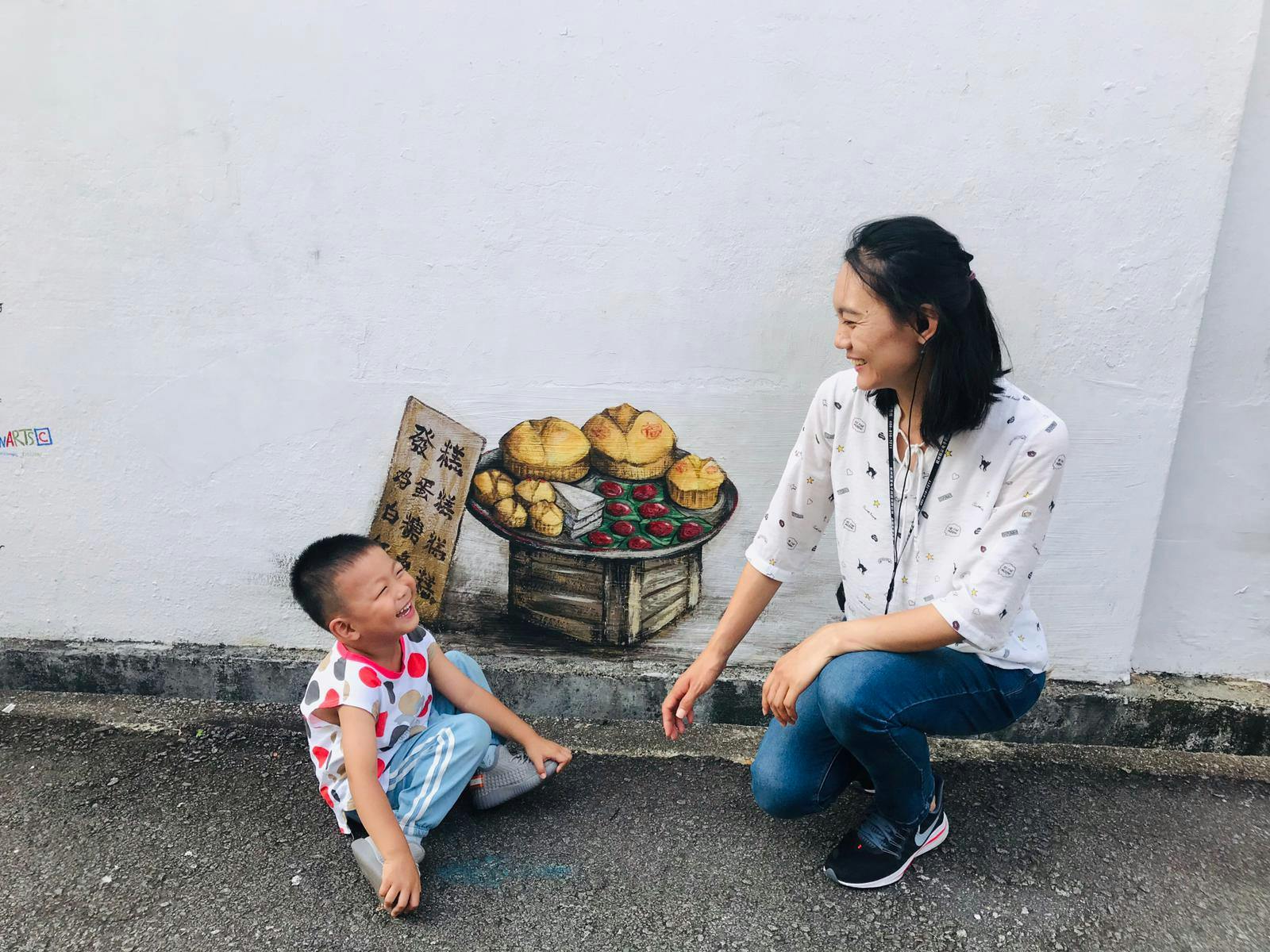
The Dragon Boat Festival (端午節, Duānwǔ Jié) is one of Taiwan’s most exciting and colourful traditional celebrations. It’s held annually on the fifth day of the fifth lunar month (usually in May or June) and combines thrilling dragon boat races with cultural rituals and festive foods. Whether you’re in Taipei, Kaohsiung, or a smaller riverside town, here’s what you can expect.


🐉 The Origins

  • Commemorates the patriotic poet Qu Yuan, who drowned himself in protest against corruption over 2,000 years ago.

  • Villagers raced their boats to save him and threw rice dumplings into the water to keep fish away—traditions that live on in the form of dragon boat races and zongzi (sticky rice dumplings).


🚣 What to See and Do

1. Dragon Boat Races

  • The festival’s highlight, with ornately painted longboats racing to the beat of pounding drums.

  • Top places to watch:

    • Taipei – Dajia Riverside Park on the Keelung River.

    • Kaohsiung – Love River, famous for its night races with illuminated boats.

    • Lukang & Tainan – traditional southern celebrations with strong community spirit.

2. Try Zongzi (Sticky Rice Dumplings)

  • Pyramid-shaped dumplings wrapped in bamboo leaves.

  • Fillings vary by region: pork belly, salted egg yolk, mushrooms, peanuts, or sweet red bean.

  • Families often make and share them as part of the celebration.

3. Balancing Eggs at Noon

  • A fun folk custom where people try to stand a raw egg upright at midday, said to bring luck for the year ahead.

  • Easy to join in—kids especially love this tradition!

4. Folk Performances & Rituals

  • Expect lion dances, temple fairs, and offerings to ward off evil spirits.

  • In some towns, locals hang mugwort and calamus on doors for protection.


📍 Where to Experience the Festival

  • Taipei: Dajia Riverside Park – large-scale races with international teams.

  • Kaohsiung: Love River – night races, fireworks, and carnival atmosphere.

  • Tainan & Lukang: Smaller, authentic festivals with strong local traditions.

  • Hualien & Taitung: Coastal celebrations with indigenous cultural performances.


🚆 Getting Around

  • Taipei: Easy MRT access to Dajia Riverside Park.

  • Kaohsiung: MRT Orange Line → Yanchengpu Station, then walk to Love River.

  • Other towns: TRA trains connect Lukang, Tainan, and Hualien with ease.

  • Tours: Many operators run Dragon Boat Festival day tours with transport, guides, and reserved viewing areas.


🏨 Where to Stay

  • Taipei: Zhongshan or Ximending for central access to races.

  • Kaohsiung: Riverside hotels with Love River views.

  • Tainan: Boutique inns near temples and historic lanes.


🎟️ Best Bookable Tours

  • Dragon Boat Festival Cultural Day Tour (Viator)

  • Taipei Food & Festival Experience (Klook)

  • Kaohsiung Night Dragon Boat Race & Market Tour (Musement)


💡 Insider Tips

  • Arrive early: Popular races get crowded—secure your spot along the riverbanks.

  • Stay hydrated: Taiwan’s summer heat can be intense.

  • Respect local traditions: Festivals often include temple rituals—observe respectfully.

  • Try regional zongzi: Each area has its own flavour—don’t miss the chance to sample!


✨ Final Thoughts

The Dragon Boat Festival is one of the most thrilling times to visit Taiwan. With its mix of high-energy races, traditional food, and folk culture, it offers travellers a perfect chance to dive into local life.

Whether you’re cheering at Taipei’s Keelung River, strolling Kaohsiung’s Love River at night, or enjoying zongzi with locals in a smaller town, you’ll leave with unforgettable memories of one of Taiwan’s most colourful celebrations.

Planning a trip to Taiwan? This guide covers what to see and do, how to get around, where to stay, and the best bookable tours to make the most of your time.

Quick Picks: Book Trusted Tours & Tickets

FAQ

Is English widely spoken?

A: In major cities and tourist areas, yes. Carry hotel cards and use translation apps for taxis and rural areas.

Do I need cash?

A: Cards are common, but small eats and rural buses may be cash‑only. ATMs are easy to find.

What’s the best transport card?

A: EasyCard and iPASS both work on most public transport and convenience stores—buy whichever you see first.

Is Taiwan safe for solo travellers?

A: Very safe. Use standard city smarts and keep an eye on personal items in crowded night markets.

How far in advance should I book tours?

A: Popular day trips and high‑demand dates (festivals, weekends) can sell out—book 1–2 weeks ahead when possible.

Published 2025-08-27 on UnusedRooms.com
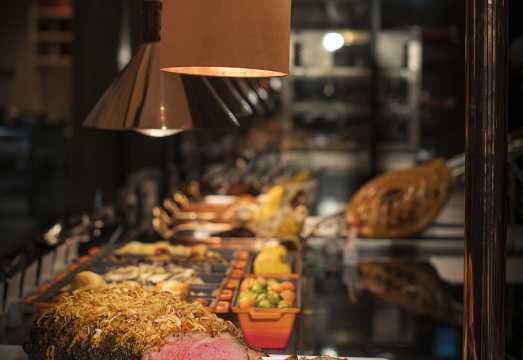
Pingxi Lantern Festival – dates, tips, how to go


How to Go: Getting to Pingxi & Shifen

By Public Shuttle (advised)

  • From Taipei MRT: Take the Brown (Wenshan–Neihu) Line to Taipei Zoo Station, then hop on the official festival shuttle bus (approx NT$50 one way; ~40 minutes).eWave+9gourmetflyer.com+9橘子貓TTtrips+9
    • Why use it: The festival area will be heavily traffic-controlled, banning most private vehicles.

By Train

  • Take a TRA local train from Taipei Main Station to Ruifang (~45 minutes).
  • Transfer to the Pingxi Line to reach Pingxi Station or Shifen Station—both near festival sites.Culture Trip+15The Sensible Fay+15gourmetflyer.com+15
  • Heads-up: Expect crowded trains and platforms—arrive early.

By Tour Bus


Planning & Participation Tips

  • Register early: To join the official mass lantern release, arrive before 10:30 AM to get a free ticket and lantern—these are limited!Rove+5The Sensible Fay+5Taiwan Obsessed+5
  • Release waves: Lanterns are sent off in 20-minute intervals between 6:00 PM and 9:00 PM—stay near your timeslot for the best experience.The Sensible FayRove
  • What if tickets run out? You can still buy a lantern from vendors along the railway tracks and release it independently—though not as part of the main ceremony.eWave+10The Sensible Fay+10AP News+10
  • Environmental note: Consider using eco-friendly lanterns (made of rice paper and bamboo) and visit cleanup initiatives—some are held after the festival.gourmetflyer.com+1

What Else to Do in the Area


Suggested Itinerary Layout

Time of DayActivity
MorningTake early train/shuttle to Pingxi
Late MorningRegister for lantern release (by 10:30 AM)
AfternoonExplore Old Streets, waterfall, snacks
EveningAttend the mass lantern release (6–9 PM)
NightReturn to Taipei via train/shuttle

Quick Picks: Book Trusted Tours & Tickets

FAQ

Is English widely spoken?

A: In major cities and tourist areas, yes. Carry hotel cards and use translation apps for taxis and rural areas.

Do I need cash?

A: Cards are common, but small eats and rural buses may be cash‑only. ATMs are easy to find.

What’s the best transport card?

A: EasyCard and iPASS both work on most public transport and convenience stores—buy whichever you see first.

Is Taiwan safe for solo travellers?

A: Very safe. Use standard city smarts and keep an eye on personal items in crowded night markets.

How far in advance should I book tours?

A: Popular day trips and high‑demand dates (festivals, weekends) can sell out—book 1–2 weeks ahead when possible.

Published 2025-08-27 on UnusedRooms.com
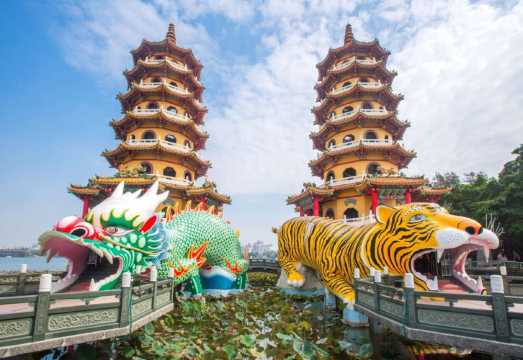
Exploring Taiwan’s indigenous culture respectfully

Exploring Taiwan’s Indigenous Culture Respectfully

Planning a trip to Taiwan? This guide covers what to see and do, how to get around, where to stay, and the best bookable tours to make the most of your time.

Taiwan is home to 16 officially recognized indigenous groups, each with unique traditions, music, cuisine, and festivals. From the Amis on the east coast to the Paiwan and Rukai in the south, Taiwan’s indigenous heritage is a vital part of the island’s identity. As a visitor, you can experience this culture in enriching and respectful ways.


🌏 Understanding Indigenous Taiwan

  • History: Taiwan’s indigenous peoples are Austronesian, sharing linguistic and cultural links with communities across the Pacific.
  • Where they live: Many communities are based in Hualien, Taitung, Nantou, and Pingtung, as well as mountain villages.
  • Today: Indigenous groups maintain traditional practices alongside modern life, with festivals, crafts, and eco-tourism helping preserve their heritage.

🎉 Festivals & Events

  • Amis Harvest Festival (Ilisin) – Held each July–August, celebrating harvest with music, dance, and feasting.
  • Paiwan & Rukai Ceremonies – Known for beadwork, weaving, and slate houses.
  • Thao Tribe at Sun Moon Lake – Performances and storytelling bring their lake-based traditions to life.

💡 Respectful Travel Tip: If you’re invited to observe or participate, ask before taking photos and avoid interrupting rituals.


🏞️ Where to Experience Indigenous Culture

1. Formosan Aboriginal Culture Village (Nantou)

  • A mix of theme park and cultural centre near Sun Moon Lake.
  • Live shows, reconstructed villages, and indigenous dance performances.
  • Easy to access via the Sun Moon Lake Ropeway.
  • Best for: Families and first-time visitors who want a broad introduction.

2. Lanyu (Orchid Island)

  • Home of the Tao/Yami people, famous for traditional canoes and fishing culture.
  • Remote and less touristy, offering deep cultural immersion.
  • Best for: Adventurous travellers seeking authentic experiences.

3. Hualien & Taitung

  • Strong Amis and Bunun communities, known for music, millet wine, and weaving.
  • Cultural tours often include dance, handicraft workshops, and cooking experiences.
  • Best for: Nature-lovers pairing indigenous tours with Taroko Gorge or East Coast trips.

4. Kenting & Pingtung

  • Paiwan and Rukai tribes showcase unique arts—especially beaded jewellery and slate houses.
  • Village homestays and guided tours help visitors connect directly with artisans.
  • Best for: Southern Taiwan explorers.

🚆 How to Get Around

  • HSR (High Speed Rail): Connects you quickly to Taichung, Chiayi, Tainan, and Kaohsiung before bus transfers to indigenous areas.
  • TRA Trains: Perfect for Hualien and Taitung on the east coast.
  • Guided Tours: Many include transport, meals, and cultural activities—ideal for travellers without Mandarin skills.

🏨 Where to Stay

  • Sun Moon Lake: Lakeside resorts with easy access to the Thao tribe’s performances.
  • Hualien/Taitung: Guesthouses and eco-lodges run by indigenous families.
  • Kenting/Pingtung: Village stays and B&Bs that support local communities.

🎟️ Best Bookable Tours

  • Indigenous Amis Harvest Festival Tour (Viator)
  • Sun Moon Lake Ropeway + Aboriginal Culture Village Package (Klook)
  • East Coast Indigenous Culture & Craft Experience (Musement)
  • Paiwan Beadwork & Village Tour in Pingtung (Viator)

🙏 How to Travel Respectfully

  • Ask before photographing people, homes, or rituals.
  • Buy local crafts directly from artisans rather than mass-market shops.
  • Participate mindfully in dances or activities if invited—follow local lead.
  • Respect traditions around food, sacred spaces, and clothing.
  • Support community-based tourism where your spending directly benefits indigenous families.

✨ Final Thoughts

Taiwan’s indigenous cultures offer some of the island’s most meaningful travel experiences. From dance festivals on the east coast to quiet homestays in mountain villages, each encounter is a chance to connect with people who have shaped Taiwan’s history for thousands of years.

By travelling respectfully—supporting local communities, learning before you go, and being mindful as a guest—you’ll leave with not just beautiful memories, but also a deeper appreciation for Taiwan’s living heritage.


Quick Picks: Book Trusted Tours & Tickets

FAQ

Is English widely spoken?

A: In major cities and tourist areas, yes. Carry hotel cards and use translation apps for taxis and rural areas.

Do I need cash?

A: Cards are common, but small eats and rural buses may be cash‑only. ATMs are easy to find.

What’s the best transport card?

A: EasyCard and iPASS both work on most public transport and convenience stores—buy whichever you see first.

Is Taiwan safe for solo travellers?

A: Very safe. Use standard city smarts and keep an eye on personal items in crowded night markets.

How far in advance should I book tours?

A: Popular day trips and high‑demand dates (festivals, weekends) can sell out—book 1–2 weeks ahead when possible.

Published 2025-08-27 on UnusedRooms.com

Top temples to visit in Taiwan (north to south)

Top Temples to Visit in Taiwan (North to South)

Planning a trip to Taiwan? This guide covers what to see and do, how to get around, where to stay, and the best bookable tours to make the most of your time.

Taiwan’s temples are not just religious sites—they’re cultural hubs blending Taoist, Buddhist, and folk traditions. Each temple tells a story through intricate carvings, smoky incense, and lively festivals. Here’s a north-to-south route covering the most iconic temples in Taiwan.


Northern Taiwan

Longshan Temple (龍山寺, Taipei)

  • Why visit: Built in 1738, it’s one of the most famous temples in Taiwan, dedicated to Guanyin (Goddess of Mercy). A mix of Taoist and Buddhist deities makes it a spiritual melting pot.
  • Getting there: MRT Blue Line → Longshan Temple Station.
  • Insider tip: Visit at dusk when lanterns glow and locals chant prayers.
  • Tours: Taipei City Highlights Tour

Quick Picks: Book Trusted Tours & Tickets

FAQ

Is English widely spoken?

A: In major cities and tourist areas, yes. Carry hotel cards and use translation apps for taxis and rural areas.

Do I need cash?

A: Cards are common, but small eats and rural buses may be cash‑only. ATMs are easy to find.

What’s the best transport card?

A: EasyCard and iPASS both work on most public transport and convenience stores—buy whichever you see first.

Is Taiwan safe for solo travellers?

A: Very safe. Use standard city smarts and keep an eye on personal items in crowded night markets.

How far in advance should I book tours?

A: Popular day trips and high‑demand dates (festivals, weekends) can sell out—book 1–2 weeks ahead when possible.

Published 2025-08-27 on UnusedRooms.com

Bubble tea shops you must visit in Taiwan

Bubble tea shops you must visit in Taiwan

Planning a trip to Taiwan? This guide covers what to see and do, how to get around, where to stay, and the best bookable tours to make the most of your time.

Quick Picks: Book Trusted Tours & Tickets

FAQ

Is English widely spoken?

A: In major cities and tourist areas, yes. Carry hotel cards and use translation apps for taxis and rural areas.


Do I need cash?

A: Cards are common, but small eats and rural buses may be cash‑only. ATMs are easy to find.


What’s the best transport card?

A: EasyCard and iPASS both work on most public transport and convenience stores—buy whichever you see first.


Is Taiwan safe for solo travellers?

A: Very safe. Use standard city smarts and keep an eye on personal items in crowded night markets.


How far in advance should I book tours?

A: Popular day trips and high‑demand dates (festivals, weekends) can sell out—book 1–2 weeks ahead when possible.


Published 2025-08-27 on UnusedRooms.com

Craft beer bars in Taipei – a local’s guide

Craft beer bars in Taipei – a local’s guide

Planning a trip to Taiwan? This guide covers what to see and do, how to get around, where to stay, and the best bookable tours to make the most of your time.

Quick Picks: Book Trusted Tours & Tickets

FAQ

Is English widely spoken?

A: In major cities and tourist areas, yes. Carry hotel cards and use translation apps for taxis and rural areas.


Do I need cash?

A: Cards are common, but small eats and rural buses may be cash‑only. ATMs are easy to find.


What’s the best transport card?

A: EasyCard and iPASS both work on most public transport and convenience stores—buy whichever you see first.


Is Taiwan safe for solo travellers?

A: Very safe. Use standard city smarts and keep an eye on personal items in crowded night markets.


How far in advance should I book tours?

A: Popular day trips and high‑demand dates (festivals, weekends) can sell out—book 1–2 weeks ahead when possible.


Published 2025-08-27 on UnusedRooms.com

Vegetarian and vegan restaurants in Taiwan

Vegetarian and vegan restaurants in Taiwan

Planning a trip to Taiwan? This guide covers what to see and do, how to get around, where to stay, and the best bookable tours to make the most of your time.

Quick Picks: Book Trusted Tours & Tickets

FAQ

Is English widely spoken?

A: In major cities and tourist areas, yes. Carry hotel cards and use translation apps for taxis and rural areas.


Do I need cash?

A: Cards are common, but small eats and rural buses may be cash‑only. ATMs are easy to find.


What’s the best transport card?

A: EasyCard and iPASS both work on most public transport and convenience stores—buy whichever you see first.


Is Taiwan safe for solo travellers?

A: Very safe. Use standard city smarts and keep an eye on personal items in crowded night markets.


How far in advance should I book tours?

A: Popular day trips and high‑demand dates (festivals, weekends) can sell out—book 1–2 weeks ahead when possible.


Published 2025-08-27 on UnusedRooms.com

Street food to try at Liuhe Night Market, Kaohsiung

Street food to try at Liuhe Night Market, Kaohsiung

Planning a trip to Taiwan? This guide covers what to see and do, how to get around, where to stay, and the best bookable tours to make the most of your time.

Quick Picks: Book Trusted Tours & Tickets

FAQ

Is English widely spoken?

A: In major cities and tourist areas, yes. Carry hotel cards and use translation apps for taxis and rural areas.


Do I need cash?

A: Cards are common, but small eats and rural buses may be cash‑only. ATMs are easy to find.


What’s the best transport card?

A: EasyCard and iPASS both work on most public transport and convenience stores—buy whichever you see first.


Is Taiwan safe for solo travellers?

A: Very safe. Use standard city smarts and keep an eye on personal items in crowded night markets.


How far in advance should I book tours?

A: Popular day trips and high‑demand dates (festivals, weekends) can sell out—book 1–2 weeks ahead when possible.


Published 2025-08-27 on UnusedRooms.com

Where to eat the best beef noodle soup in Taipei

Where to eat the best beef noodle soup in Taipei

Planning a trip to Taiwan? This guide covers what to see and do, how to get around, where to stay, and the best bookable tours to make the most of your time.

Quick Picks: Book Trusted Tours & Tickets

FAQ

Is English widely spoken?

A: In major cities and tourist areas, yes. Carry hotel cards and use translation apps for taxis and rural areas.


Do I need cash?

A: Cards are common, but small eats and rural buses may be cash‑only. ATMs are easy to find.


What’s the best transport card?

A: EasyCard and iPASS both work on most public transport and convenience stores—buy whichever you see first.


Is Taiwan safe for solo travellers?

A: Very safe. Use standard city smarts and keep an eye on personal items in crowded night markets.


How far in advance should I book tours?

A: Popular day trips and high‑demand dates (festivals, weekends) can sell out—book 1–2 weeks ahead when possible.


Published 2025-08-27 on UnusedRooms.com