Home » Warsaw Heritage » Warsaw Royal Castle Tickets and Guided Tour – Historic Landmark Experience
Warsaw Royal Castle Tickets and Guided Tour – Historic Landmark Experience
For travellers to Warsaw seeking both history and emotional depth, a visit here can be one of the most moving experiences in the city. Check current availability, inclusions and booking details before you go.
Warsaw’s Royal Castle (Polish: Zamek Królewski w Warszawie) is one of Poland’s most resonant symbols — a monument to Poland’s royal and parliamentary traditions, its traumas in war, and its remarkable will to rebuild. For travellers to Warsaw seeking both history and emotional depth, a visit here can be one of the most moving experiences in the city.
A brief history: palace, parliament, ruin, rebirth
Early origins and royal seat
The site of the Royal Castle dates back to the 14th century, when a tower and fortified structure stood on the Vistula escarpment.
Over the following centuries, the castle evolved. After the incorporation of the Masovian lands into Poland in 1526, it became one of the royal residences.
In the reign of Sigismund III Vasa (late 16th / early 17th century), Warsaw was increasingly chosen as a centre of political power, and the castle was expanded and remodeled into a grand five-winged building by Italian architects like Matteo Castelli and Giovanni Battista Trevano.
Throughout the 17th and 18th centuries, the castle saw further additions, refurbishment, and artistic enrichment, especially under the last king of Poland, Stanisław August Poniatowski (1764–1795). He furnished interiors in a refined neoclassical style (locally known as the “Stanisław August style”) and amassed art collections, including paintings, engravings, maps, and library holdings.
Centre of politics, culture & reform
The castle was not only a royal residence, but also a seat of the Sejm (Polish parliament) and the Senate, integral to the constitutional and political life of the Polish–Lithuanian Commonwealth.
Perhaps its most famous moment came in 1791, when the Constitution of 3 May — one of the first modern constitutions in Europe — was adopted. The debates and adoption occurred in rooms within the castle.
In subsequent political upheavals and partitions of Poland, the castle’s role shifted — under Russian rule, parts were used by Tsars when they visited Warsaw, and later it served as the presidential residence of the independent Polish state in the interwar period.
Destruction in World War II
With the outbreak of World War II, the Royal Castle was shelled and damaged in September 1939.
But its final destruction came in 1944, after the suppression of the Warsaw Uprising. The Germans systematically blew up the remains of the castle, reducing it to rubble.
Almost nothing was left intact except fragments of walls, cellars, and a few architectural remnants.
Reconstruction & rebirth
In 1949, Poland’s parliament passed legislation to reconstruct the castle as a monument to national heritage and identity.
The actual rebuilding began in 1971 and lasted until 1984, painstakingly restoring the castle to its 17th-/18th-century appearance.
The rebuilding was funded largely through public donations and contributions from Poles at home and abroad, as well as from allied countries.
In 1980, together with Warsaw’s Old Town, the Royal Castle was included in the UNESCO World Heritage Site listing.
What to see & how to visit
Location & approach
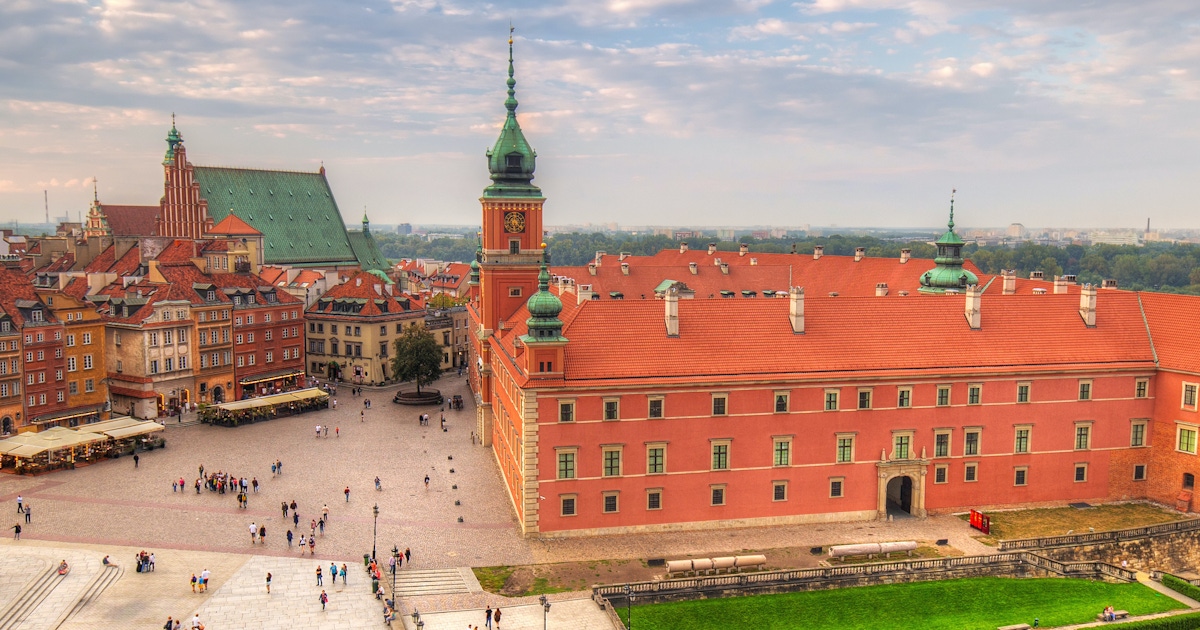
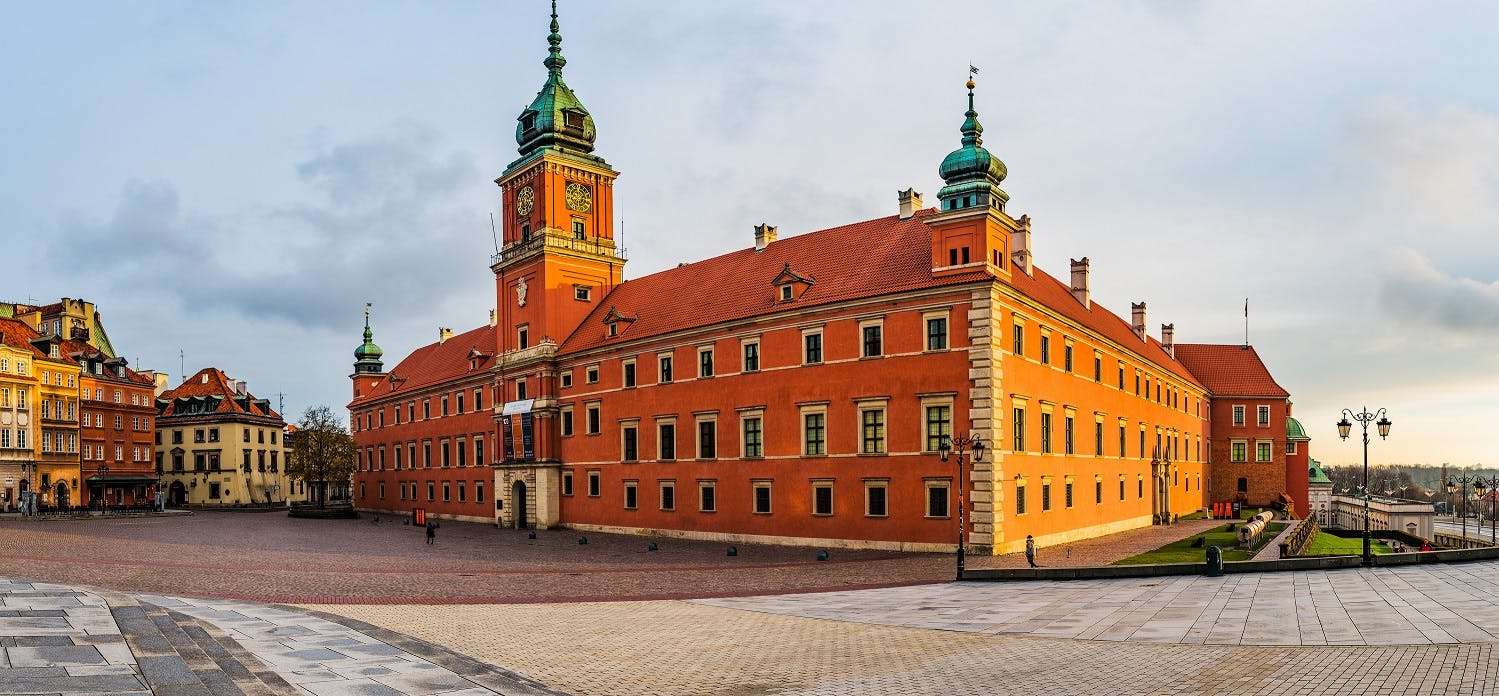
The Royal Castle stands at Plac Zamkowy (Castle Square), right at the entrance to Warsaw’s Old Town. Its towers and façades form one of the first iconic views when you walk into the historic district.
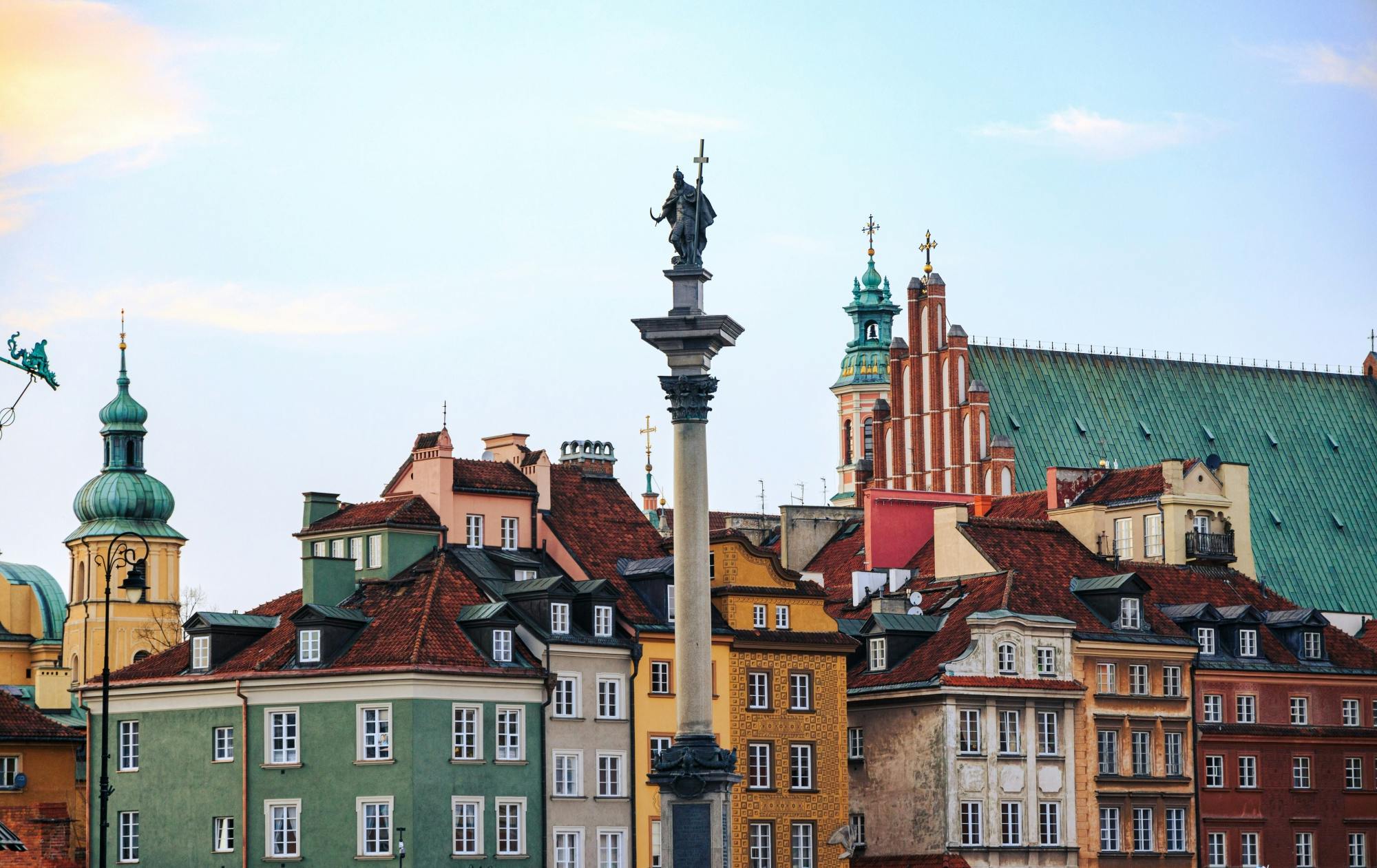
Nearby is Sigismund’s Column (Kolumna Zygmunta), a historic monument in front of the castle that often appears in many photographic compositions of Warsaw.
Museums, rooms & highlights
Today, the Royal Castle functions as a state museum and national monument.
The museum offers tours of many reconstructed rooms, including:
The Great Apartments / Royal Apartments — rooms where ceremonies, receptions, and public functions were held.
King Stanisław August’s private chambers — his study, bedroom, audience rooms, and more, decorated with paintings, furnishings, historic artworks and maps.
Senate & Parliament Rooms — historically where debates and legislative acts occurred (e.g. the 3 May Constitution).
Jagiellonian Rooms / Gallery of Painting, Sculpture & Decorative Arts — exhibitions of portraits and decorative works from various eras.
Copper-Roof Palace (Pałac Pod Blachą) — connected to the main complex, this part also hosts museum displays.
In the interiors, many of the decorative schemes, furnishings, and artworks have been recreated or restored based on archival sources. Wherever possible, original fragments saved from wartime destruction were reinserted into the reconstructions.
Practical info & visitor tips
Opening hours and ticketing vary; many sources list 10:00 to 17:00 as the core visiting window (though individual days may differ)
Photography inside may be restricted, especially in certain rooms. Always check with the museum on the day.
Because the castle is a major tourist highlight in Warsaw, it’s wise to book tickets in advance or arrive early to avoid queues.
Combined visits of the Castle and adjacent museums or Old Town walking tours make for a rich day of history and culture.
Why visit the Royal Castle?
Embodiment of national resilience The story of the Castle’s destruction and painstaking reconstruction mirrors Warsaw’s—and Poland’s—journey through devastation and recovery. To see it today is to witness a powerful symbol of hope and identity.
Layers of political & cultural meaning It was the stage for landmark events: the drafting of a constitution, royal courts, parliament, and later republican governance. Walking through it is stepping through centuries of Polish statecraft.
Art, architecture & interiors Even though much is reconstructed, the architectural styles (Mannerist, Baroque, Classical) and decorative programs are rich in symbolism and aesthetics. The rooms are elegant and immersive.
Prime position for exploring Warsaw It anchors the Old Town and the Royal Route (Trakt Królewski). From here you can walk to Warsaw Cathedral, the Barbican, Ulica Krakowskie Przedmieście, and more.
Self-Guided Warsaw Mystery Detective Game Poland Plan Self-Guided Warsaw Mystery Detective Game, a self-guided game or exploration experience, with practical tips on timing, inclusions and what to check before booking. Compare current availability, prices and booking conditions before you go.
Murder Mystery in Warsaw Poland Plan Murder Mystery in Warsaw, a self-guided game or exploration experience, with practical tips on timing, inclusions and what to check before booking. Compare current availability, prices and booking conditions before you go.
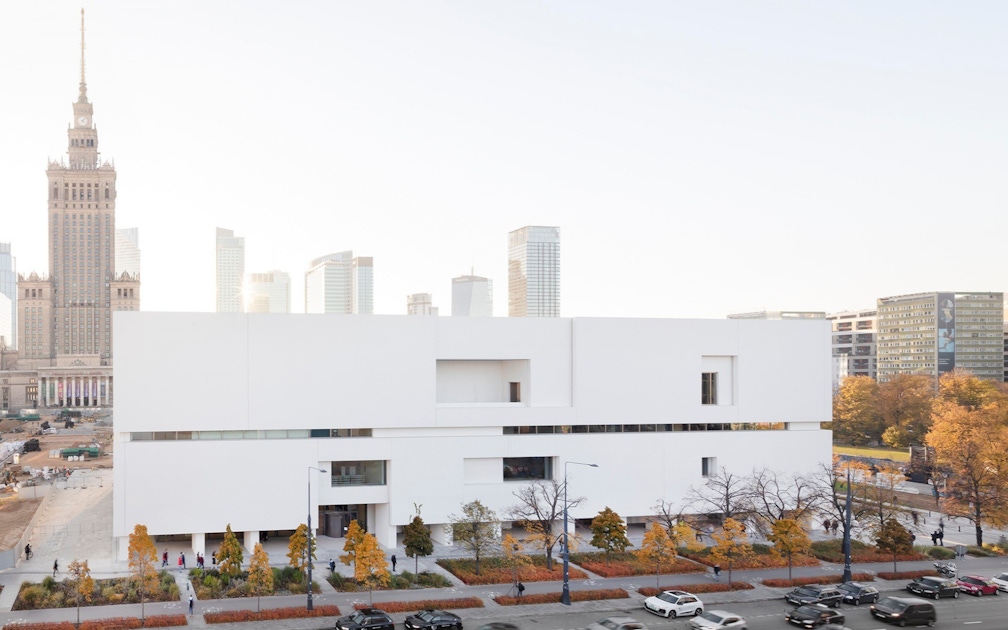
Warsaw Museum of Modern Art Entrance Ticket – Attraction Entry Poland Warsaw Museum of Modern Art Entrance Ticket Warsaw's Museum of Modern Art occupies a purpose-built white museum designed by Thomas Phifer beside Plac Defilad in the centre of the city. Check current availability, inclusions and booking details before you go.
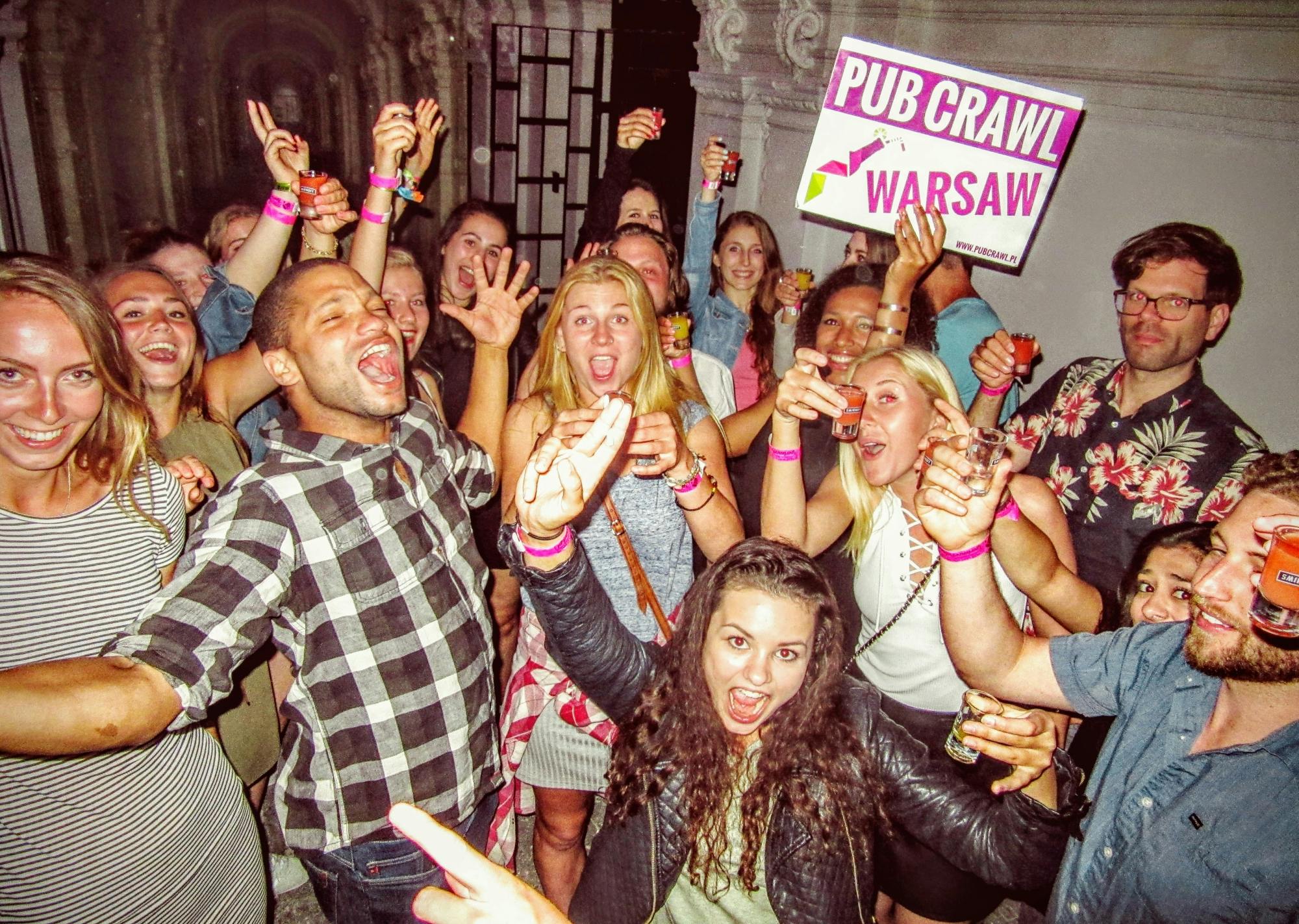
Pub Crawl Warsaw Tours, Tickets & Experiences Poland Book your tickets for this pub crawl and enjoy free drinks and a VIP entry. Check current availability, inclusions and booking details before you go.
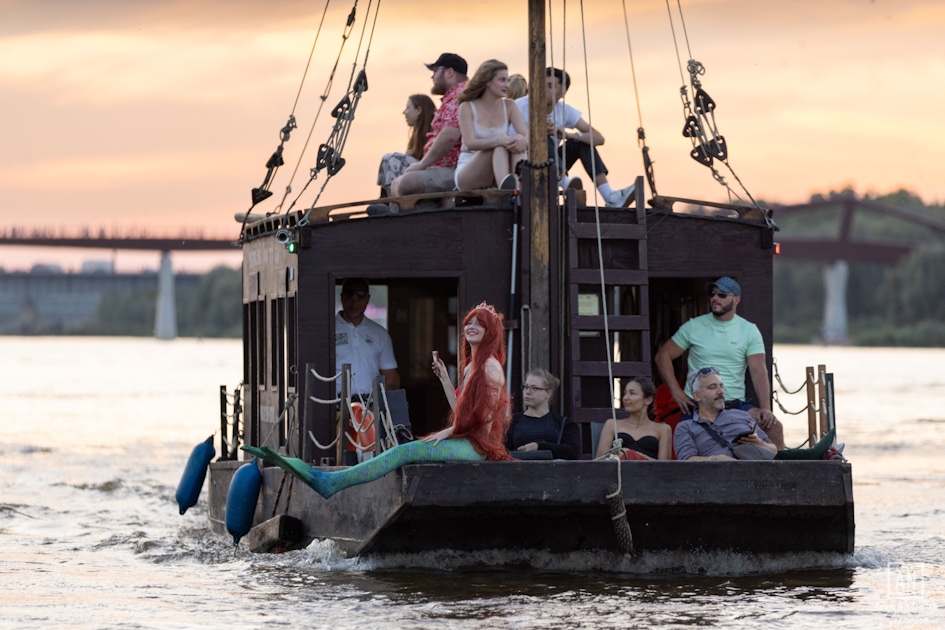
Warsaw Old Town Panorama Cruise – Scenic Water Experience Poland Planning Warsaw Old Town Panorama Cruise – Scenic Water Experience For a boat or water-based experience, live details matter because routes and schedules can change with weather and sea conditions. Check current availability, inclusions and booking details before you go.
Warsaw in a Nutshell City Walking Tour Poland Warsaw in a nutshell city walking tour is a convenient way to add structure, local context and purposeful sightseeing to the itinerary. Check current availability, inclusions and booking details before you go.
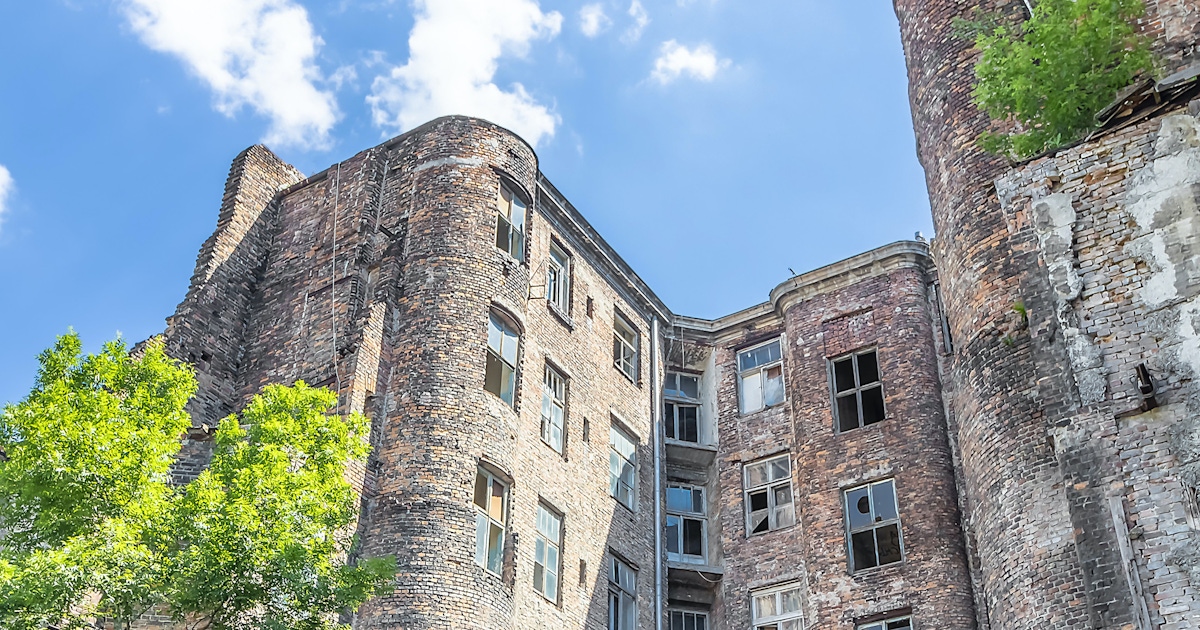
Private Jewish Heritage Walking Tour in Warsaw Poland Private Jewish heritage walking tour in Warsaw is a convenient way to add structure, local context and purposeful sightseeing to the itinerary. Check current availability, inclusions and booking details before you go.
Small-Group Tour to Auschwitz from Warsaw Poland Small Group Tour to Auschwitz from Warsaw is a convenient way to add structure, local context and purposeful sightseeing to the itinerary. Check current availability, inclusions and booking details before you go.
Wroclaw Day Tour in Small-Group from Warsaw Poland Wroclaw day tour in small group from Warsaw is a convenient way to add structure, local context and purposeful sightseeing to the itinerary. Check current availability, inclusions and booking details before you go.