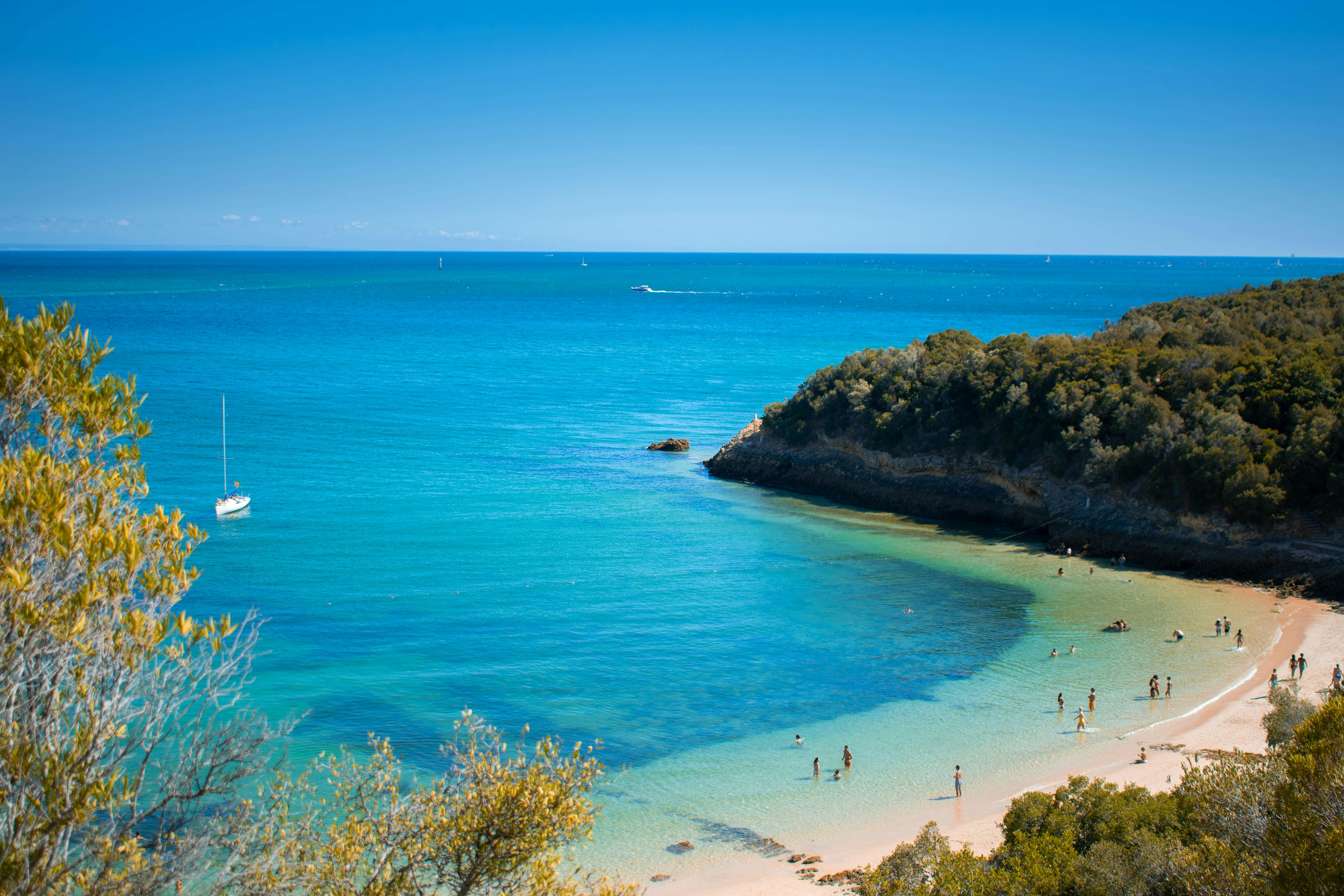
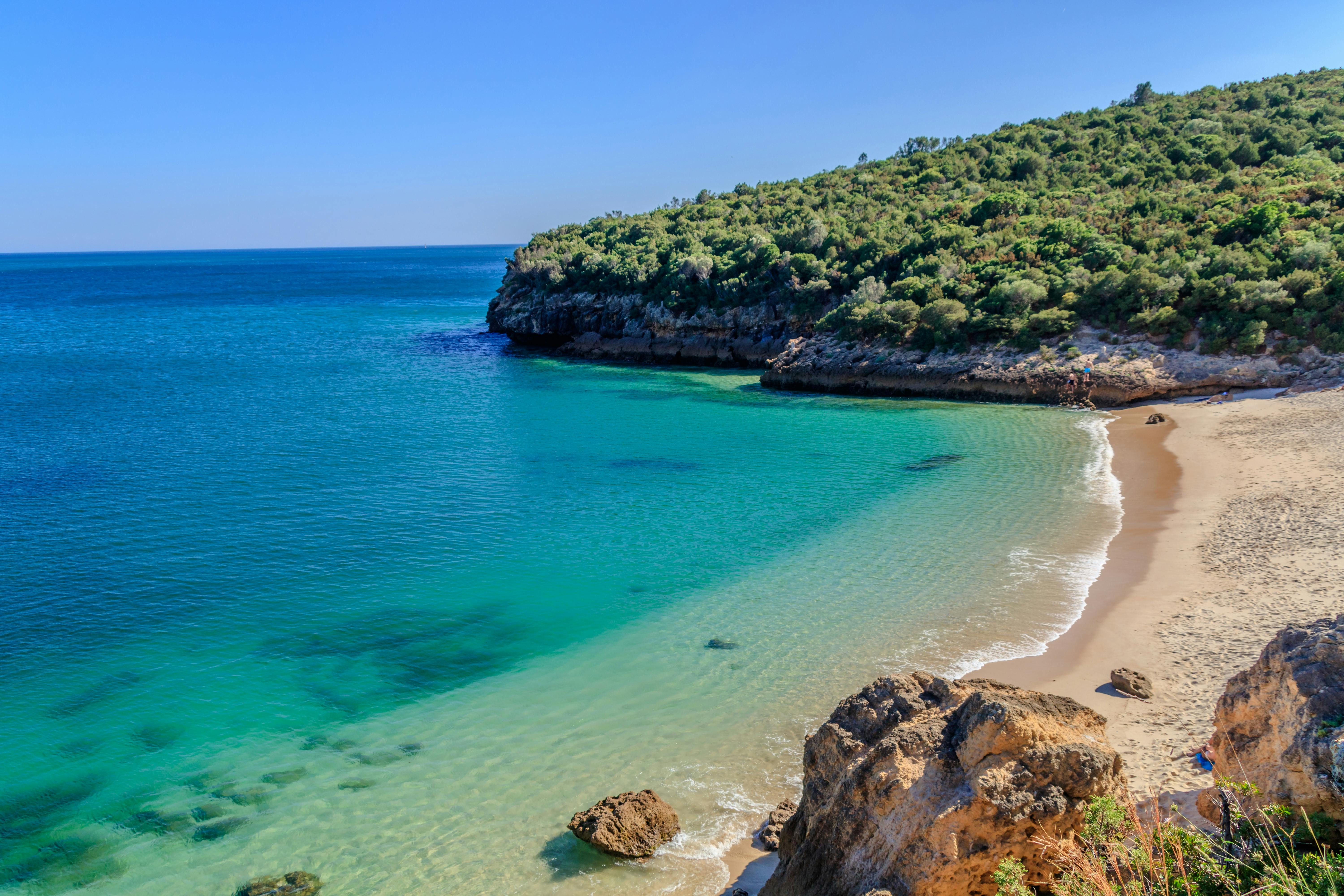
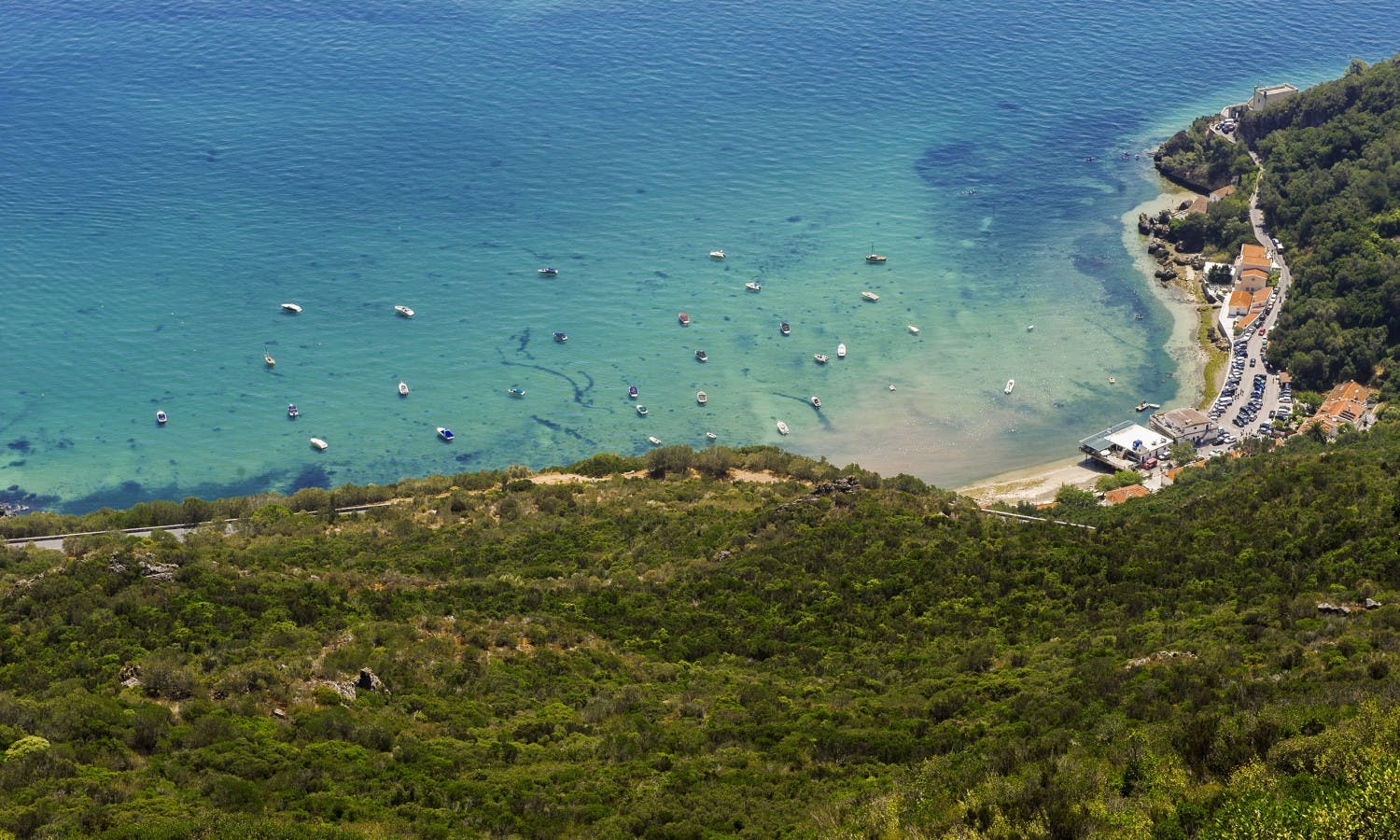
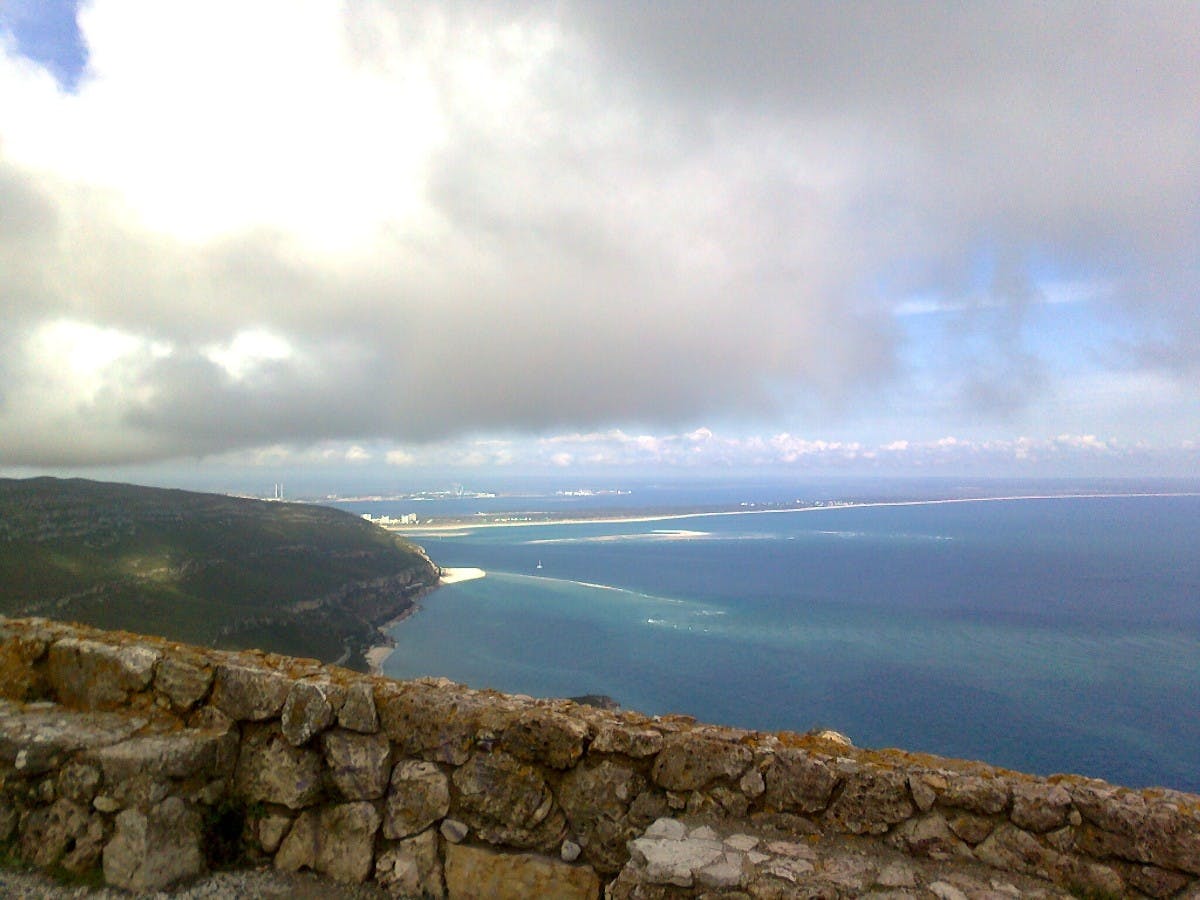
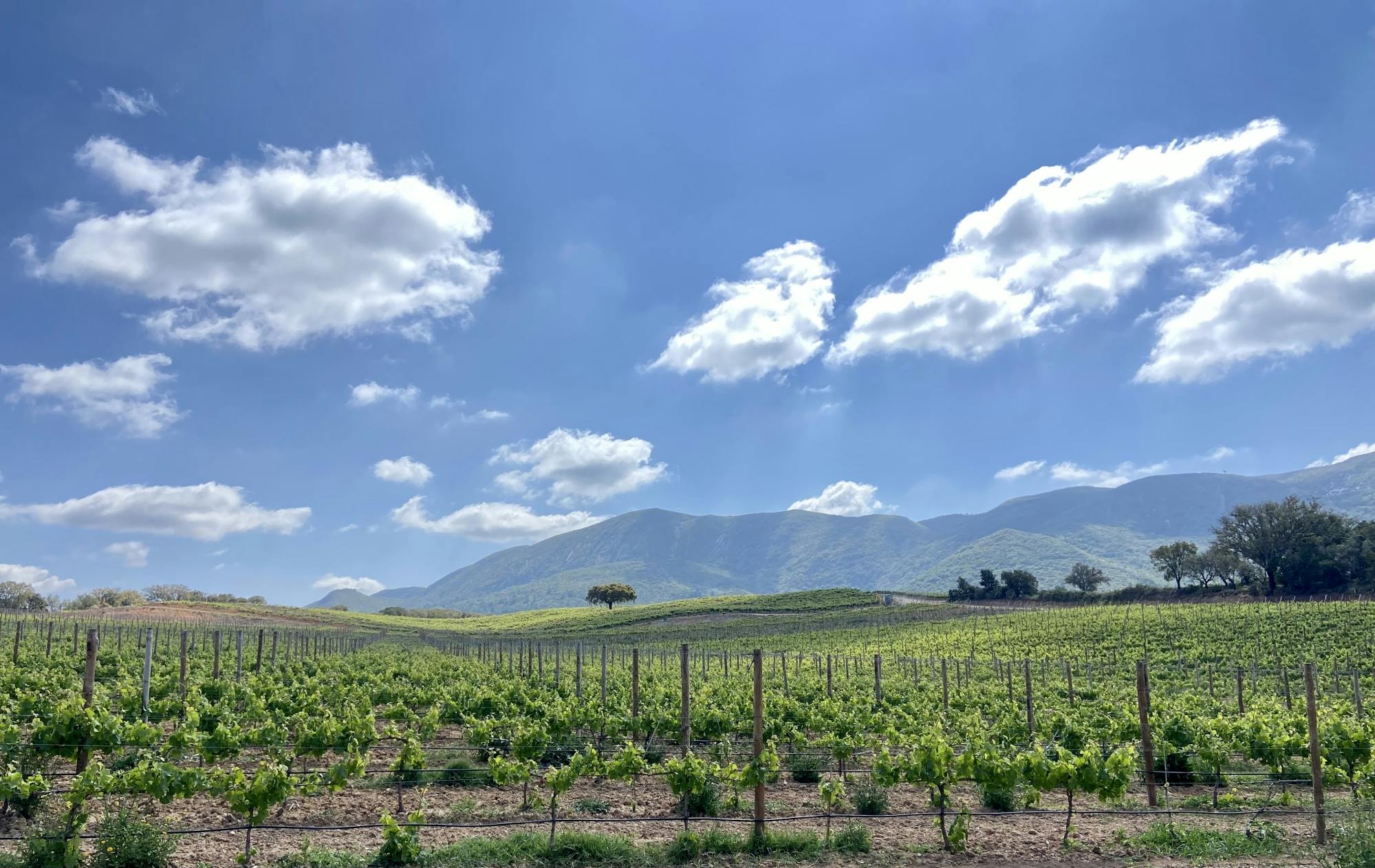
Arrábida is one of the most striking natural regions within easy reach of Lisbon. Forested limestone mountains rise above sheltered turquoise bays, while vineyards, old convents, fishing towns and panoramic roads fill the landscape between Setúbal, Azeitão and Sesimbra.
The centrepiece is Arrábida Natural Park, a protected area containing steep ridges, Mediterranean vegetation, hidden coves and a marine park known for clear water and rich underwater life.
Sponsored Popular Items
Quick take: Musement.com offers a worldwide selection of tours and attractions
Arrábida Snorkelling & Wine-Tasting Tour from Lisbon Portugal Arrábida snorkeling tour and wine tasting from Lisbon is for travellers who want movement, scenery and a more active element in their itinerary. Arrábida snorkeling tour and wine tasting from Lisbon: experience overview Explore the Arrábida Natural Park, admire the marine life and taste the local Portuguese wine. This makes the experience a useful option when planning time in Lisbon. The exact duration can depend on the selected date, option or operating schedule. Routes, start times, inclusions and meeting arrangements may vary, so the current booking page should be treated as the final source of operational information. At a glance…
Arrábida can be visited as a day trip from Lisbon, but transport requires careful planning. The beaches are spread along a narrow coast road, summer vehicle access is heavily restricted, and several attractions lie far from public transport.
A successful visit normally combines one beach, one scenic or cultural stop and either Setúbal, Azeitão or Sesimbra. Trying to see every beach, hike to the highest ridge, visit a winery and join a dolphin cruise in one day creates a rushed itinerary.
Arrábida Quick Facts
Visitor information
Details
Country
Portugal
Location
Setúbal Peninsula, south of Lisbon
Main protected area
Arrábida Natural Park
Park area
Approximately 17,641 hectares
Marine protected area
Approximately 5,311 hectares
Highest point
Pico do Formosinho, approximately 501 metres
Nearest major city
Setúbal
Distance from Lisbon
Approximately 40–50 kilometres, depending on the destination
Typical drive from Lisbon
Approximately 50–75 minutes before summer congestion
Recommended visit
One full day or two nights
Main attractions
Beaches, mountain scenery, walking, boating, wineries and historic towns
Best transport
Car outside restricted periods; train and beach bus during summer
Best seasons
May, June, September and October
Summer sea temperature
Often around 17°C, although conditions vary
National park entry
No single general admission charge
Important: Summer road rules change by year, weather and safety conditions. Check the Setúbal municipality’s current Arrábida beach-access plan before travelling.
What Is Arrábida?
Arrábida is a limestone mountain chain extending across part of the Setúbal Peninsula.
The protected region includes:
Serra da Arrábida.
Serra do Risco.
Serra de São Luís.
Serra dos Gaiteiros.
Coastal cliffs and coves.
Part of the seabed and marine environment.
Traditional villages, vineyards and rural estates.
The mountains rise abruptly from the sea, creating steep south-facing slopes that shelter small beaches from the strongest Atlantic weather.
The climate and terrain support an unusual mixture of Atlantic and Mediterranean vegetation. Dense scrub, evergreen woodland, aromatic plants, orchids, olive trees and limestone cliffs can all be found within a relatively small area.
Why Visit Arrábida?
Arrábida offers a strong contrast with central Lisbon.
Visitors come for:
Clear sheltered beaches.
Mountain and coastal views.
Short scenic drives.
Guided hiking.
Kayaking and snorkelling.
Traditional wine estates.
Fresh fish and seafood.
Dolphin-watching cruises.
Historic towns and villages.
The region is especially attractive to travellers who want a beach experience without travelling as far as the Algarve.
It should not be treated as one compact attraction. Distances, road restrictions and mountain terrain mean that planning matters.
Current 2026 Beach-Access Restrictions
The Arrábida Sem Carros programme regulates access during the official bathing season.
For 2026, restrictions operate from 4 June to 15 September, generally between 7:00 am and 8:00 pm.
Albarquel and Figueirinha
Private vehicles are prohibited on the controlled road section leading towards these beaches during the restricted hours.
Access remains available for:
Public buses.
Taxis and licensed ride services.
Motorcycles and selected two-wheeled vehicles.
Authorised residents and workers.
Vehicles displaying an eligible disability permit.
Emergency and official vehicles.
The normal Figueirinha car park is not available for ordinary private cars during the 2026 bathing season.
Portinho, Creiro, Galapos and Galapinhos
Private access from the Pinheiro junction is conditional rather than guaranteed.
The road can close when:
The Creiro parking area is full.
Permitted roadside spaces are occupied.
Police or municipal services consider conditions unsafe.
Reaching the control point does not guarantee that a car will be allowed through.
Creiro Parking
The principal authorised beach car park has around 140 spaces.
For 2026, the published charge is:
€5 for the full day.
€3 for entry after 1:00 pm.
Closed Coast-Road Section
Rua Círio da Arrábida remains closed between the Figueirinha tunnel area and Galapos because of rock instability.
This closure affects through-driving along the coastal road and makes older scenic-driving itineraries unreliable.
The Best Beaches in Arrábida
Arrábida’s beaches differ considerably in size, access and facilities.
Beach
Best for
Main limitation
Figueirinha
Families, space and public transport
No normal private-car access in summer
Galapos
Sheltered swimming
Steep access and limited space
Galapinhos
Scenery and clear water
Small and crowded in summer
Creiro
Sand, facilities and boat activities
Parking capacity fills quickly
Portinho
Views, restaurants and diving
Narrow shoreline and difficult access
Coelhos
Quieter natural setting
No facilities and rough foot access
Albarquel
Easy access from Setúbal
More urban than the mountain coves
Figueirinha Beach
Figueirinha is one of the broadest and most practical beaches in Arrábida.
Its long sandy area provides more space than Galapos or Galapinhos, while the shallow water near the shore makes it popular with families.
At low tide, a sandbank may extend into the bay, creating sheltered shallow water.
Facilities
Seasonal facilities generally include:
Lifeguard supervision during the official season.
Toilets.
Food and drink services.
Sunshade rental.
Bus stops.
Accessible beach arrangements.
Access
During the 2026 bathing season, ordinary private vehicles cannot drive to the beach.
The easiest approach is by bus from Setúbal, including Line 4474.
Galapos and Galapinhos
Galapos and Galapinhos are neighbouring beaches beneath steep green slopes.
They are known for calm-looking turquoise water and a more enclosed setting than Figueirinha.
Galapos
Galapos is generally the more developed of the two, with seasonal food service and beach support nearby.
Galapinhos
Galapinhos is smaller and more natural in appearance.
It became internationally known after being promoted as one of Europe’s most beautiful beaches.
Access Difficulties
Both beaches require descending steep paths or steps.
They are poor choices for visitors with:
Serious knee problems.
Limited balance.
Large pushchairs.
Heavy beach equipment.
There is no guarantee of nearby private-car parking during summer.
Creiro Beach
Creiro is one of the most convenient beaches for combining swimming with local history and boat activities.
It has a longer sandy stretch than Portinho and views towards Pedra da Anicha, the rocky islet offshore.
Why Choose Creiro?
Clear water.
Seasonal restaurants and beach facilities.
Kayak and small-boat activities.
Nearby Roman archaeological remains.
Authorised summer parking, subject to capacity.
The beach becomes busy early during July and August.
Portinho da Arrábida
Portinho da Arrábida is a small coastal settlement tucked beneath the forested mountain.
Its white buildings, restaurants and calm bay create one of the region’s classic views.
The shoreline near the village is narrower and more pebbly than the broad sand at Creiro.
Activities
Portinho is associated with:
Diving.
Snorkelling.
Small-boat excursions.
Seafood restaurants.
Views towards Pedra da Anicha.
The Oceanographic Museum.
Fishing restrictions apply within protected marine areas.
Praia dos Coelhos
Praia dos Coelhos is a small natural cove generally reached on foot.
It has no dependable commercial facilities and is unsuitable for anyone wanting easy transport, toilets, sunbeds or lifeguard services.
The path can be steep and rough.
Visitors should:
Wear proper shoes.
Carry all water and food.
Remove all rubbish.
Avoid overloaded beach bags.
Return before dark.
Do not create unofficial shortcuts through vegetation.
Albarquel Beach
Albarquel lies immediately west of Setúbal and is the easiest Arrábida-area beach to combine with the city.
It faces the Sado and Tróia Peninsula rather than the open Atlantic.
The promenade connection from Setúbal makes it suitable for walking and cycling.
It is more urban than the mountain coves but has important advantages:
Proximity to Setúbal.
Accessible beach infrastructure.
Restaurants and waterfront facilities.
No need for a full mountain excursion.
Views across the Sado estuary.
Swimming and Water Conditions
Arrábida’s bays are often calmer than exposed Atlantic beaches, but they are not permanently still.
Conditions vary with:
Wind direction.
Tides.
Boat movement.
Recent storms.
Beach orientation.
Water Temperature
The water is cooler than many visitors expect.
Even in summer, sea temperatures may be around 17°C.
Safety Advice
Swim near supervised areas where possible.
Observe beach flags.
Keep away from boat channels.
Do not dive from rocks without verified depth and permission.
Supervise children continuously.
Use water shoes on rocky sections.
Leave the water during thunderstorms.
Arrábida Marine Park
The marine section protects reefs, rocky seabeds, seagrass, fish, invertebrates and coastal habitats.
The clear water can make snorkelling rewarding, particularly around rocky areas.
Responsible Behaviour
Do not remove shells, animals or plants.
Do not touch octopus, starfish or other wildlife.
Do not stand on living reef or seagrass.
Do not feed fish.
Use authorised operators for diving and boating.
Respect fishing and anchoring restrictions.
Keep distance from nesting birds.
Protected does not mean untouched. Summer crowding, anchors, rubbish and careless swimming all place pressure on the ecosystem.
Walking and Hiking
Arrábida offers excellent walking, but many routes are more demanding than the moderate elevation suggests.
Common Challenges
Steep limestone slopes.
Loose stones.
Limited shade.
Cliff exposure.
Private land boundaries.
Unclear informal paths.
High wildfire risk.
Pico do Formosinho
Pico do Formosinho is the highest point in the range at approximately 501 metres.
The summit provides broad views, but routes can be rough and should not be treated as a casual roadside stroll.
Serra do Risco
The south-facing cliffs of Serra do Risco are among the most dramatic geological features in the park.
Exposed cliff routes are best approached with an experienced local guide.
Guided Walks
A guided hike is particularly valuable for visitors interested in:
Plants and orchids.
Geology.
Birdlife.
Historic farm paths.
Convent history.
Safer navigation.
Fire Restrictions
Trails and forest roads can close during extreme fire danger.
Never smoke, light a fire or enter a closed area.
Viewpoints and Scenic Roads
The mountain roads provide views over beaches, Setúbal Bay, Tróia and the Atlantic.
However, the famous uninterrupted coastal drive is not always possible because of road closures and seasonal access controls.
Viewpoint Advice
Stop only in marked bays.
Do not block narrow roads.
Remain behind walls and barriers.
Expect fog or haze.
Avoid walking on the carriageway.
The best views often appear on the approaches to the convent and higher mountain road, subject to current access.
Arrábida Convent
The Convent of Our Lady of Arrábida was founded in the 16th century on the forested southern slope of the mountain.
The complex includes:
The Old Convent higher on the slope.
The New Convent.
Gardens.
Chapels.
The Sanctuary of Bom Jesus.
Hermit cells and religious spaces.
Its white buildings appear to emerge from the vegetation above the sea.
Visiting
The convent is not a freely accessible roadside monument.
Guided visits are normally scheduled on selected Wednesdays, Saturdays and Sundays and should be booked in advance.
There is no regular public transport directly to the convent.
Check the Fundação Oriente programme for current dates and language options.
Creiro Archaeological Site
Near Creiro Beach are the remains of a Roman industrial complex associated with fish processing and salting.
The site helps explain the long relationship between local communities and the productive waters around the Sado and Arrábida coast.
Visitors can see foundations and tanks connected with the preparation of preserved fish products.
The ruins are easy to overlook when arriving mainly for the beach, but they add historical context to a swimming day.
Oceanographic Museum
The Oceanographic Museum occupies the Fortress of Santa Maria da Arrábida near Portinho.
Displays focus on the marine life, habitats and research associated with the Arrábida coast.
The museum can include:
Saltwater aquariums.
Marine specimens.
Temporary exhibitions.
Information about local biodiversity.
Opening arrangements may be limited or seasonal, so verify before making a special journey.
Boat Trips, Kayaking and Diving
Seeing Arrábida from the sea reveals cliffs and coves that are difficult or impossible to reach from the road.
Popular Activities
Kayaking from Creiro or Portinho.
Guided snorkelling.
Scuba diving.
Stand-up paddleboarding.
Coastal sightseeing cruises.
Private boat charters.
Before Booking
Confirm:
The exact departure point.
Whether transport is included.
Minimum age.
Swimming ability requirements.
Marine-park restrictions.
Weather cancellation policy.
Whether equipment and wetsuits are supplied.
Water can feel cold even during warm weather, making a wetsuit useful for longer snorkelling or diving sessions.
Dolphin Watching in the Sado
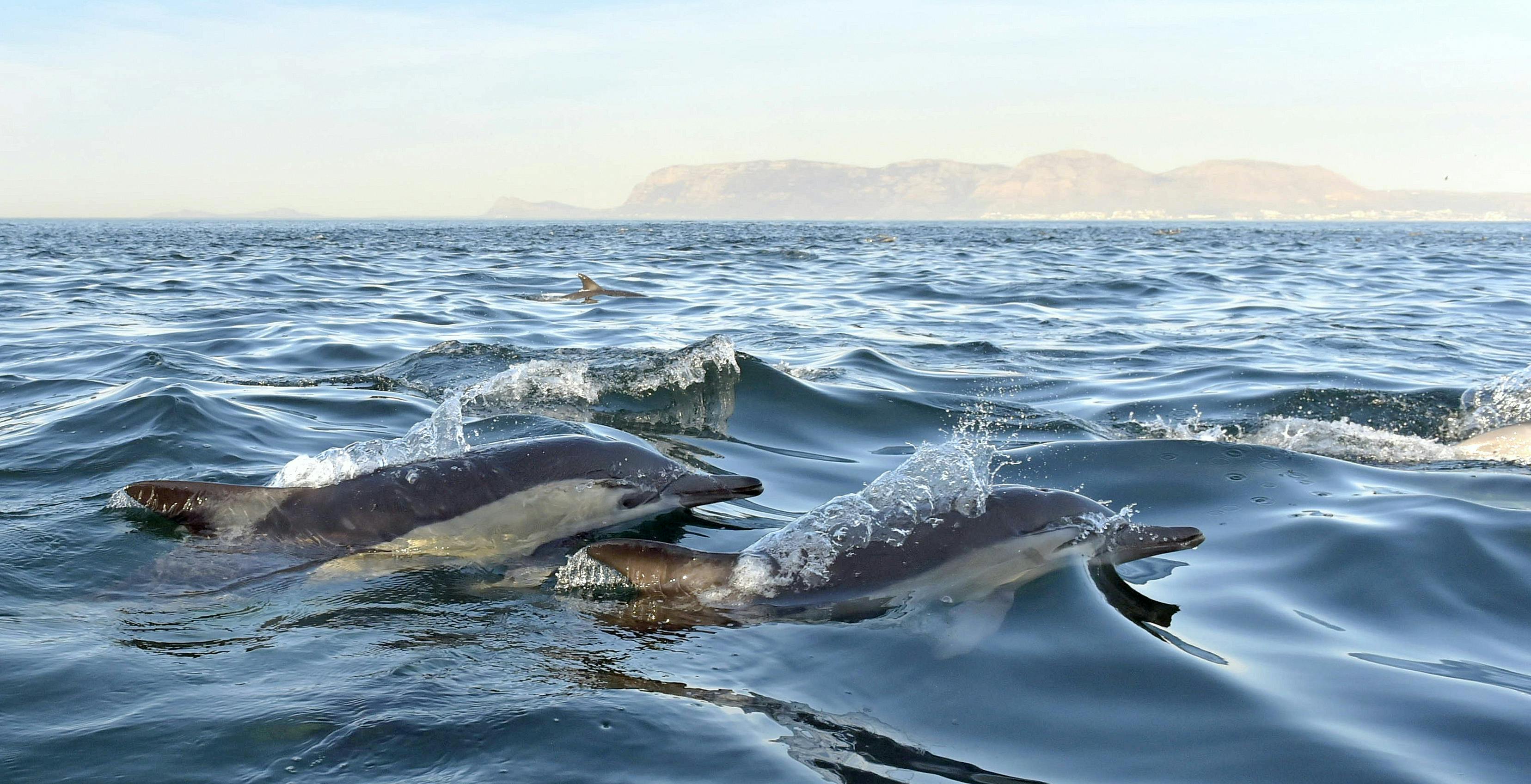
The Sado estuary supports a resident community of bottlenose dolphins.
Licensed cruises commonly depart from Setúbal and may travel through the estuary or along part of the Arrábida coast.
Dolphin sightings are never guaranteed.
Choosing a Responsible Operator
Look for a company that:
Uses licensed vessels.
Follows distance and speed rules.
Does not chase or surround animals.
Limits observation time.
Explains dolphin behaviour and conservation.
Adapts routes when exclusion zones apply.
Wildlife-protection measures may temporarily limit where boats can observe dolphins.
Azeitão, Wine and Cheese
Vila Nogueira de Azeitão lies north of the Arrábida hills and provides a useful cultural and food stop.
The area is known for:
Moscatel de Setúbal.
Red and white wines.
Queijo de Azeitão.
Traditional pastries.
Tile-making traditions.
Historic wine estates.
Wine Visits
Several wineries offer cellar tours and tastings.
Advance booking is recommended, especially during weekends and harvest season.
Use a designated driver or organised wine tour.
Queijo de Azeitão
This soft regional cheese is made from sheep’s milk and traditionally uses vegetable rennet from cardoon flowers.
It has a creamy interior and strong flavour.
Setúbal
Setúbal is the most practical base for exploring the eastern Arrábida coast.
It offers:
Rail connections with Lisbon.
Beach buses.
Dolphin cruises.
Restaurants and accommodation.
The Mercado do Livramento.
Waterfront walks.
Ferry connections towards Tróia.
Food
Setúbal is especially known for choco frito, fried cuttlefish generally served with chips and salad.
Other good choices include grilled fish, seafood rice, oysters and local wine.
Sesimbra
Sesimbra is a fishing town on the western side of the Arrábida region.
Its long beach, harbour, seafood restaurants and hilltop castle make it worth a separate visit.
It is a useful base for:
Boat tours.
Diving.
Coastal walks.
Cabo Espichel.
Western Arrábida beaches.
Travelling between Sesimbra and Setúbal through the mountain can be slower than expected.
Palmela
Palmela stands on a hill north of Setúbal and is dominated by its castle.
The castle terraces provide broad views across:
The Setúbal Peninsula.
The Sado estuary.
Arrábida’s mountain chain.
Vineyards and plains.
Palmela works well as a morning or sunset addition to a wine-focused itinerary.
Getting to Arrábida from Lisbon
By Train to Setúbal
Fertagus trains connect Lisbon with Setúbal from stations including:
Roma-Areeiro.
Entrecampos.
Sete Rios.
Campolide.
The journey typically takes around one hour, depending on the station and service.
From Setúbal station or the nearby bus terminal, continue by local bus, taxi or organised tour.
By Car
A car is useful for Azeitão, Palmela, remote trailheads and non-summer visits.
During the bathing season, it is often better to park in Setúbal or Azeitão and continue by beach bus.
Organised Tour
Day tours from Lisbon commonly combine:
Arrábida viewpoints.
One beach.
Setúbal or Sesimbra.
Azeitão wine tasting.
Palmela Castle.
Check how much time is actually allowed at the beach and whether swimming is part of the itinerary.
Public Transport to the Beaches
Setúbal reinforces beach transport during the summer access programme.
Useful 2026 Lines
4474: Setúbal and park-and-ride connections towards Figueirinha.
4470: Connections towards Creiro, including service from Setúbal and Azeitão.
4471: Access towards Albarquel.
4477: Additional beach-network service under the summer operation.
All four lines are integrated with the Navegante system under the current arrangements.
Park-and-Ride Locations
Free parking for bus users is available at:
Alegro Setúbal.
Várzea near the bus terminal.
The monthly-market site in Azeitão.
Check the current timetable before travelling, particularly for the final return bus.
Driving and Parking
Mountain roads are narrow, winding and busy in summer.
Important Driving Advice
Do not follow old routes through closed coast-road sections.
Never park on verges where prohibited.
Leave access for buses and emergency vehicles.
Expect police controls.
Use official car parks.
Drive slowly around cyclists and pedestrians.
Do not stop in the road to photograph views.
When Driving Works Best
A car is most useful:
Outside the bathing season.
For early starts.
For Azeitão and Palmela.
For pre-booked convent visits.
For guided hiking meeting points.
The Best Time to Visit
April and May
Spring brings green hills, flowers and comfortable walking conditions.
The sea is cold, but beaches are quieter.
June
June offers warm weather and long daylight, although summer road restrictions begin early in the month.
July and August
These are the busiest months.
Expect:
Full buses.
Crowded coves.
Parking restrictions.
High fire danger.
Long waits at beach stops.
September
September is often one of the best months because the sea is relatively warm and crowds begin to decrease.
Access restrictions continue until the end of the official bathing period.
October
October can provide excellent hiking and sightseeing weather, although beach facilities become less dependable.
Winter
Winter is quiet and suitable for wine, towns and clear landscape views.
Storms can make coastal routes, cliffs and boat trips unsafe.
Visiting with Children
Arrábida can be an excellent family destination when the beach and transport are chosen carefully.
Best Family Choices
Figueirinha for space and shallow water.
Albarquel for easier urban access.
Creiro for facilities and a historical stop.
Short boat trips with suitable safety equipment.
More Difficult Choices
Galapinhos and Coelhos involve steep paths and are less practical with toddlers, pushchairs and large beach equipment.
Family Safety
Use child-sized flotation equipment on boats.
Carry shade and drinking water.
Keep children away from cliffs.
Do not allow climbing on unstable rocks.
Confirm the final bus time.
Use water shoes on pebbly shorelines.
Accessibility
Accessibility varies greatly.
Better Options
Albarquel and Figueirinha generally offer the most developed accessible beach arrangements.
During summer restrictions, eligible vehicles displaying a disability permit may be allowed through controlled access points where suitable parking remains available.
Difficult Locations
Galapos, Galapinhos and Coelhos involve steep or rough foot access.
Portinho contains narrow roads and uneven shoreline areas.
Visitors should confirm current accessible facilities and transport before travelling.
What to Bring
Water: Carry more than expected, especially on walks.
Sun protection: Shade is limited on beaches and ridges.
Walking shoes: Needed for steep paths and limestone terrain.
Water shoes: Useful at Portinho and rocky beaches.
Swimwear and towel: Changing facilities vary.
Light wind layer: Boat trips and viewpoints can feel cool.
Offline map: Useful in the mountains.
Bus timetable: Keep the final return service available.
Small rubbish bag: Take waste away from natural coves.
Cash and card: Small beach businesses may use different payment methods.
Suggested One-Day Arrábida Itinerary
8:00 am: Travel from Lisbon to Setúbal
Take an early Fertagus train or drive to a park-and-ride location.
9:15 am: Continue to the Beach
Use Line 4474 for Figueirinha or Line 4470 towards Creiro.
10:00 am: Beach and Swimming
Spend the cooler morning beside the water before the main crowd arrives.
1:00 pm: Lunch
Eat at a beach restaurant where available or return to Setúbal.
3:00 pm: Explore Setúbal
Walk along Avenida Luísa Todi, visit the waterfront or explore the market area.
4:30 pm: Dolphin Interpretation Centre or Boat Trip
Visit the interpretation centre or take a pre-booked estuary cruise.
7:00 pm: Dinner
Try fried cuttlefish, grilled fish or local seafood before returning to Lisbon.
Suggested Two-Day Arrábida Itinerary
Day One: Coast and Setúbal
Arrive early.
Visit Figueirinha, Creiro or Portinho.
Swim or kayak.
Explore Setúbal.
Eat seafood beside the Sado.
Day Two: Mountains, Wine and Historic Towns
Pre-book a guided walk or convent visit.
Stop at mountain viewpoints.
Have lunch in Azeitão.
Visit a winery.
Finish at Palmela Castle.
This division avoids mixing beach-bus logistics with wine and mountain driving on the same day.
Is Arrábida Worth Visiting?
Arrábida is one of the best nature-and-coast excursions from Lisbon.
Main Advantages
Beautiful beaches close to Lisbon.
Clear sheltered water.
Mountain and marine scenery.
Wine and food experiences.
Historic towns nearby.
Dolphin cruises.
Activities suitable for both active and relaxed travellers.
Possible Drawbacks
Complicated summer access.
Cold sea water.
Limited parking.
Crowded small beaches.
Steep paths.
Road closures.
Public transport that requires timetable planning.
High fire danger during dry weather.
The region is most rewarding when visitors choose one section rather than trying to cover the entire park in a single day.
Frequently Asked Questions About Arrábida
Where is Arrábida?
Arrábida is on the Setúbal Peninsula south of Lisbon, between Setúbal, Azeitão and Sesimbra.
How far is Arrábida from Lisbon?
Most destinations are approximately 40–50 kilometres from central Lisbon.
Can Arrábida be visited as a day trip?
Yes. One beach and Setúbal or Azeitão make a realistic day trip.
Do I need a car?
No. Trains run to Setúbal, and summer buses connect the city and park-and-ride areas with several beaches.
Is driving easier?
It can be easier outside summer. During the bathing season, private-car access is restricted and parking is extremely limited.
When do the 2026 road restrictions apply?
They operate from 4 June to 15 September, generally from 7:00 am to 8:00 pm.
Can I drive to Figueirinha in summer?
Ordinary private cars cannot use the controlled access during the restricted hours.
Which bus goes to Figueirinha?
Line 4474 is the principal 2026 connection.
Which bus goes to Creiro?
Line 4470 serves the Creiro area from Setúbal and Azeitão.
Can I drive to Portinho?
Access is conditional and may close when permitted parking reaches capacity.
How much is Creiro parking?
The published 2026 rate is €5 for the day or €3 after 1:00 pm.
Is the coastal road fully open?
No. A section of Rua Círio da Arrábida remains closed because of rock instability.
Which is the best beach?
Figueirinha is best for families, Galapinhos for scenery and Creiro for facilities and activities.
Is Galapinhos easy to reach?
No. It normally requires descending a steep path and has no dependable nearby parking.
Is Portinho a sandy beach?
Parts are pebbly and narrow. The broader sandy area is closer to Creiro.
Is the water warm?
Usually not. Summer water temperatures can remain around 17°C.
Are the beaches safe for children?
Sheltered beaches can suit children, but conditions vary and continuous supervision is required.
Are there lifeguards?
Major classified beaches usually have seasonal supervision. Remote coves may not.
Can I snorkel?
Yes. Clear water and rocky seabeds make the area attractive for snorkelling.
Can I fish at Portinho?
Fishing is restricted or prohibited in protected marine zones. Check current regulations.
Can I take shells home?
Do not remove shells, rocks or marine life from protected areas.
Are there hiking trails?
Yes, but routes can be steep, poorly shaded and affected by fire restrictions or private land.
Can I hike Pico do Formosinho?
Yes on suitable routes, preferably with accurate navigation or a local guide.
What is the highest point?
Pico do Formosinho, at approximately 501 metres.
Can I visit Arrábida Convent?
Yes, through pre-booked guided visits on selected dates.
Is there public transport to the convent?
No regular public service reaches the convent directly.
Can I see dolphins?
Bottlenose dolphins live in the Sado estuary, but sightings on boat trips are not guaranteed.
Where do dolphin cruises depart?
Most depart from Setúbal waterfront or marina areas.
Is dolphin watching responsible?
It can be when the operator is licensed and follows distance, speed and observation rules.
What food is Arrábida known for?
The region is known for fish, fried cuttlefish, Azeitão cheese, wine and Moscatel de Setúbal.
Where should I stay?
Setúbal is best for transport and cruises, Sesimbra for beaches and diving, and Azeitão for wineries and countryside.
Can I visit wineries without booking?
Some cellar doors accept walk-ins, but tours and structured tastings should be reserved.
Is Arrábida suitable for wheelchair users?
Albarquel and Figueirinha are the strongest options. Many small coves and mountain trails are not accessible.
Can I take a pushchair to Galapinhos?
It is not practical because of the steep path and steps.
What is the best month?
June and September provide a good balance of beach weather and somewhat lower crowd levels than August.
Is Arrábida busy in August?
Yes. Beaches, buses and permitted parking can reach capacity early.
Can I visit in winter?
Yes. Winter is excellent for scenery, food and wine, but beach services and boat tours are more limited.
Can road access close unexpectedly?
Yes. Parking capacity, wildfire risk, rockfall, storms and safety assessments can cause closures.
Can I combine Arrábida and Sintra in one day?
No practical independent itinerary gives both regions enough time. Choose one.
Can I combine Arrábida with Tróia?
Yes, using the ferry from Setúbal, but it is better as a two-day visit or a carefully planned long day.
Is Arrábida better from Setúbal or Sesimbra?
Setúbal is better for eastern beaches, buses and dolphin cruises. Sesimbra is better for the western coast and diving.
Sponsored Popular Items
Quick take: Musement.com offers a worldwide selection of tours and attractions
Arrábida Snorkelling & Trekking Tour from Lisbon Arrábida snorkeling and trekking guided tour from Lisbon is for travellers who want movement, scenery and a more active element in their itinerary. Arrábida snorkeling and trekking guided tour from Lisbon: experience overview Admire the Arrábida landscapes, swim in the crystal-clear waters and discover the geological heritage of the region. This makes the experience a useful option when planning time in Lisbon. The exact duration can depend on the selected date, option or operating schedule. Routes, start times, inclusions and meeting arrangements may vary, so the current booking page should be treated as the final source of operational information. At…
Final Thoughts
Arrábida combines some of Portugal’s finest coastal scenery with mountain landscapes, marine wildlife, traditional wine estates and excellent regional food.
Its beauty also creates practical pressure. The smallest beaches fill quickly, mountain roads are narrow and summer vehicle restrictions are strict.
The best approach is to plan around transport rather than treating it as an afterthought. Use the train and beach buses during the high season, arrive early and choose one main coastal destination.
Figueirinha suits families, Creiro provides the strongest mix of sand and facilities, Portinho offers atmosphere and marine activities, while the inland villages add wine, cheese and history.
With realistic timing and respect for the protected landscape, Arrábida is one of the most memorable day trips or short breaks in the Lisbon region.
Sponsored Popular Items
Quick take: Musement.com offers a worldwide selection of tours and attractions
Arrábida Snorkelling & Wine-Tasting Tour from Lisbon Portugal Arrábida snorkeling tour and wine tasting from Lisbon is for travellers who want movement, scenery and a more active element in their itinerary. Arrábida snorkeling tour and wine tasting from Lisbon: experience overview Explore the Arrábida Natural Park, admire the marine life and taste the local Portuguese wine. This makes the experience a useful option when planning time in Lisbon. The exact duration can depend on the selected date, option or operating schedule. Routes, start times, inclusions and meeting arrangements may vary, so the current booking page should be treated as the final source of operational information. At a glance…
Arrábida Snorkelling & Trekking Tour from Lisbon Arrábida snorkeling and trekking guided tour from Lisbon is for travellers who want movement, scenery and a more active element in their itinerary. Arrábida snorkeling and trekking guided tour from Lisbon: experience overview Admire the Arrábida landscapes, swim in the crystal-clear waters and discover the geological heritage of the region. This makes the experience a useful option when planning time in Lisbon. The exact duration can depend on the selected date, option or operating schedule. Routes, start times, inclusions and meeting arrangements may vary, so the current booking page should be treated as the final source of operational information. At…
Arrábida Wine Tour Arrábida wine tour explores the destination through flavour, regional customs and the stories connected with food or drink. Arrábida wine tour: experience overview Enjoy a wine tour in Arrábida. Visit two cellars and taste its wines. Admire the Tagus river bay and cross the Ponte Vasco da Gama, the longest bridge in Europe This makes the experience a useful option when planning time in Lisbon. The exact duration can depend on the selected date, option or operating schedule. Routes, start times, inclusions and meeting arrangements may vary, so the current booking page should be treated as the final source of…
Dolphin Watching and Arrábida Tour – Lisbon Nature Experience Dolphin watching and Arrábida tour places landscapes, habitats or wildlife at the centre of the experience. Dolphin watching and Arrábida tour: experience overview Discover Arrábida Natural Park and enjoy a dolphin watching boat tour in Sado estuary booking this full-day private tour with pick-up included This makes the experience a useful option when planning time in Lisbon. The listing describes this as a full-day experience. Routes, start times, inclusions and meeting arrangements may vary, so the current booking page should be treated as the final source of operational information. At a glance Experience type: Nature and wildlife experience Destination: Lisbon…
Arrabida with Wine and Cheese Tasting at Mourisca Tide Mill Arrabida with wine and cheese tasting at Mourisca Tide Mill is a convenient way to add structure, local context and purposeful sightseeing to the itinerary. Arrabida with wine and cheese tasting at Mourisca Tide Mill: experience overview Visit Sesimbra, with its beautiful bay and one of the main fishing ports in Portugal, and enjoy a wine and cheese tasting at Mourisca Tide Mill. This makes the experience a useful option when planning time in Lisbon. The exact duration can depend on the selected date, option or operating schedule. Routes, start times, inclusions and meeting arrangements may vary, so the current…
Arrábida Small-Group Wine Tour from Lisbon - Food & Drink Experience Arrábida small-group wine tour from Lisbon explores the destination through flavour, regional customs and the stories connected with food or drink. Arrábida small-group wine tour from Lisbon: experience overview Enjoy the beautiful landscapes of the south region of Lisbon during a guided tour from Lisbon. This makes the experience a useful option when planning time in Lisbon. The exact duration can depend on the selected date, option or operating schedule. Routes, start times, inclusions and meeting arrangements may vary, so the current booking page should be treated as the final source of operational information. At a glance Experience type: Food…