Acre is one of Brazil’s least talked-about states, which is exactly why some travellers will find it so interesting. It does not have the big-name beaches of Rio de Janeiro, the polished tourism infrastructure of the south, or the heavy visitor numbers of better-known Amazon gateways. Instead, Acre offers a quieter, more grounded look at the western Amazon, with rainforest landscapes, river towns, rubber-tapper history, Indigenous culture, local markets, and a pace of travel that rewards curiosity.
This is a destination for travellers who enjoy nature, history, local food, rivers, forest reserves, and places that still feel relatively uncommercialised. It is not always the easiest part of Brazil to explore independently, especially once you leave Rio Branco, but for the right traveller Acre can be memorable, meaningful, and refreshingly different.
Where Is Acre?
Acre is in north-western Brazil, in the Amazon region, close to the borders with Peru and Bolivia. It sits far from Brazil’s better-known coastal cities and has a distinct frontier feel, shaped by rivers, rainforest, rubber extraction, Indigenous communities, and historic connections with neighbouring Andean and Amazonian regions.
Rio Branco is the state capital and the main arrival point for most visitors. It is the best place to begin a trip, organise onward transport, learn about Acre’s history, and get a feel for local life before travelling deeper into the state.
Why Visit Acre?
Acre is worth visiting if you are interested in the Amazon beyond the usual postcard version. The state has forest reserves, river landscapes, traditional markets, regional food, Indigenous heritage, and a powerful history connected to rubber tappers and conservation. It is especially associated with Chico Mendes, the rubber tapper and environmental activist whose work helped bring international attention to the protection of Amazon communities and forests.
Travel here is slower and more practical than glamorous. Distances can be long, public transport may be limited outside the capital, and some nature experiences require local guides or organised arrangements. But that is also part of Acre’s appeal. It suits travellers who prefer real places over heavily packaged attractions and who are comfortable with a little flexibility.
Best Places to Visit in Acre
Rio Branco
Rio Branco is the best starting point for most trips to Acre. The city sits on the Acre River and offers a useful introduction to the state’s history, food, architecture, and everyday life. It is not a huge tourist city, but it has several worthwhile stops, especially for travellers interested in Amazon culture and the rubber era.
Spend time walking near the river, visiting local markets, trying regional food, and exploring cultural spaces connected to Acre’s history. Rio Branco suits travellers who enjoy low-key city exploration rather than major sightseeing crowds. It is also the most practical base for arranging transport to Xapuri, forest areas, and other parts of the state.
Gameleira Historic District
The Gameleira area is one of Rio Branco’s most atmospheric historic districts. Located near the Acre River, it is linked to the early development of the city and the rubber boom period. Travellers can see restored buildings, riverside views, and public spaces that give a sense of old Rio Branco.
This area suits travellers who like history, photography, and relaxed wandering. It is not a large district, so it is best visited as part of a wider walk through central Rio Branco, possibly combined with Mercado Velho and the riverfront.
Mercado Velho
Mercado Velho, or the Old Market, is one of the most useful places to experience local life in Rio Branco. It is a good stop for regional snacks, juices, crafts, and everyday market atmosphere. Rather than expecting a polished tourist market, go with the idea of seeing how the city eats, shops, and gathers.
It is a good place to try Amazon flavours, chat with vendors if you speak some Portuguese, and pick up small local items. Mornings are usually the most interesting time for markets, although opening times and activity levels can vary.
Parque da Maternidade
Parque da Maternidade is a long urban park that runs through part of Rio Branco. It has walking paths, cycling areas, public spaces, places to sit, and casual food options nearby. For visitors, it is a pleasant way to stretch your legs, see local residents exercising or relaxing, and take a break from traffic and heat.
This is not a wilderness experience, but it is useful for travellers who want an easy outdoor activity within the city. Early morning and late afternoon are usually more comfortable than the middle of the day, when the Amazon heat and humidity can feel heavy.
Horto Florestal
Horto Florestal is another green space in Rio Branco, popular for walking, light exercise, and a quieter escape from the city centre. It suits travellers who want a simple nature break without leaving the capital. Depending on maintenance and local conditions, facilities may vary, so it is best approached as a relaxed local park rather than a major attraction.
Wear comfortable shoes, bring water, and go during daylight hours. It is a good choice if you have extra time in Rio Branco or want to balance museums and markets with greenery.
Chico Mendes Memorial and Xapuri
Xapuri is one of the most important places to visit in Acre for anyone interested in Amazon history and conservation. The town is strongly connected with Chico Mendes, who lived and worked there before he was killed in 1988. His story is central to understanding Acre’s rubber-tapper movement, forest communities, and environmental politics.
In Xapuri, travellers can visit sites associated with Chico Mendes and learn about the lives of rubber tappers, the struggle to protect forest livelihoods, and the wider history of land conflict in the Amazon. Xapuri is around 180 kilometres from Rio Branco by road, so it is possible as a long day trip, but an overnight stay or organised visit gives you more time and context.
This destination suits travellers who want meaningful cultural and historical experiences rather than quick sightseeing. A local guide can add a great deal, especially if you want to understand the background rather than simply see the locations.
Seringal Cachoeira
Seringal Cachoeira, near Xapuri, gives visitors a closer look at the traditional rubber plantation landscape. It is associated with rubber-tapper history, forest trails, local nature, and community-based experiences. Depending on arrangements, visitors may be able to walk forest paths, learn about rubber extraction, and experience a more rural side of Acre.
This is best organised in advance, as access, activities, meals, and accommodation can depend on local availability. It suits travellers who are genuinely interested in history, conservation, and forest life. Do not expect luxury infrastructure; the value is in the setting, the stories, and the connection to Acre’s past and present.
Parque Nacional da Serra do Divisor
Parque Nacional da Serra do Divisor is one of Acre’s most remarkable natural areas, but it is also one of the least straightforward to visit. Located in the far west of the state near the Peru border, the park is known for rainforest, rivers, waterfalls, wildlife, viewpoints, and rugged Amazon scenery. It is a destination for adventurous travellers rather than casual day-trippers.
The usual gateway is Cruzeiro do Sul, and access often involves river travel, local guides, permissions or organised arrangements, and flexible planning. Infrastructure is limited compared with more developed national parks, so it is important to research current access conditions before going.
Serra do Divisor suits travellers who are comfortable with remote travel, basic facilities, long journeys, and nature-focused experiences. It is not the place to rush. If you want a deeper Amazon adventure in Acre, this is one of the state’s most rewarding options, but it needs planning and realistic expectations.
Cruzeiro do Sul
Cruzeiro do Sul is Acre’s second major city and the main base for exploring the Juruá River region and Serra do Divisor. It is far from Rio Branco, and travel between the two can be time-consuming by road, so some travellers prefer to fly if schedules and budgets allow.
The city itself is useful as a staging point rather than a polished tourist hub. It has local markets, river connections, regional food, and access to surrounding nature. It suits travellers who want to go beyond Rio Branco and see a different side of Acre, especially the western Amazon around the Juruá basin.
Juruá River Region
The Juruá River region is one of Acre’s most distinctive areas, shaped by river travel, forest communities, fishing, wildlife, and remote settlements. This is where travellers can begin to understand how important rivers are in Amazon life, not just as scenery but as transport routes, food sources, and cultural connections.
Experiences in the Juruá region may include boat trips, birdwatching, forest visits, riverside villages, and local food. Travel conditions vary with the season, river levels, and local arrangements, so this area is best explored with knowledgeable local contacts or guides. It suits patient travellers who enjoy slow travel and are comfortable with limited infrastructure.
Nature and Wildlife Experiences
Acre’s nature experiences are closely tied to rainforest, rivers, and protected areas. Travellers may be able to enjoy forest walks, river trips, birdwatching, wildlife observation, and visits to reserves or rural communities. The experience is usually quieter and less packaged than in more famous Amazon destinations.
Birdlife can be excellent, especially in forested and riverine areas. You may also see monkeys, reptiles, butterflies, frogs, and a wide range of insects. Large mammals are much harder to spot and should never be expected on a short visit. The Amazon is rich in wildlife, but it is also dense, humid, and often subtle; patience matters.
For rainforest walks, river journeys, and remote areas, local guides are strongly recommended. They can help with navigation, safety, wildlife spotting, cultural context, and responsible behaviour in natural areas. In some places, guided access may be essential rather than optional.
Culture, History and Local Life
Acre’s identity is deeply connected to the rubber boom, forest livelihoods, Indigenous communities, and Amazon conservation. Rubber tappers played a major role in the state’s history, and the story of Chico Mendes remains central to how many visitors understand Acre today.
In Rio Branco and Xapuri, travellers can learn about the rubber era, the Acrean Revolution, forest communities, and the long struggle over land use in the Amazon. Museums, memorials, markets, and historic districts help connect these stories to real places.
Indigenous culture is also an important part of Acre, although visitors should approach it respectfully. Not every community is open to tourism, and cultural visits should only be arranged through appropriate local channels. Buying crafts from legitimate sources, listening carefully, and avoiding intrusive photography are simple ways to travel more respectfully.
What to Eat in Acre
Acre’s food reflects its Amazon setting, northern Brazilian influences, Indigenous traditions, and connections with neighbouring regions. Local markets and casual eateries are often the best places to start.
Look for tacacá, a hot Amazonian soup usually made with tucupi, jambu, and shrimp. Pirarucu, one of the Amazon’s best-known fish, may appear grilled, fried, or in regional dishes. Local fish dishes are common, often served simply with rice, farofa, salad, or cassava-based sides.
Açaí is widely enjoyed in the Amazon, often in a less dessert-like style than visitors may know from smoothie bowls elsewhere. Tapioca, market snacks, fresh juices, and Amazon fruits are also worth trying. Depending on the season, you may find cupuaçu, graviola, buriti, bacaba, and other regional fruits.
For the most realistic food experience, eat where locals eat. Markets, lunch spots, juice stands, and simple restaurants can be more rewarding than searching for tourist-style dining.
Best Time to Visit Acre
Acre is hot and humid for much of the year, with a wetter season and a drier season. The drier months, roughly from May or June to September, are generally easier for road travel, walking, and planning outdoor activities. This can be a practical time to visit Rio Branco, Xapuri, and forest areas where access depends on road conditions.
The rainy season, roughly from October to April, brings greener landscapes, fuller rivers, and a stronger sense of the Amazon’s wet environment. However, heavy rain can affect roads, river access, trails, and travel times. If you visit during the wetter months, build flexibility into your itinerary and avoid planning tight onward connections after remote trips.
How to Get to Acre
Most travellers arrive in Acre by air through Rio Branco. Flights usually connect through larger Brazilian cities, so it is worth checking schedules carefully when planning your route. Rio Branco is the most practical place to begin, especially if it is your first time in the state.
Travel around Acre may involve buses, private transfers, taxis, river transport, or organised tours. Xapuri can be reached by road from Rio Branco. Cruzeiro do Sul is much farther west and may require either a long overland journey or a domestic flight, depending on your plans. For remote nature areas such as Serra do Divisor, expect river travel and local coordination.
How Long Should You Spend in Acre?
For a short introduction, 2 to 3 days in Rio Branco is enough to visit the main city sights, try local food, see the historic centre, and get a feel for Acre’s culture.
With 4 to 5 days, you can combine Rio Branco with Xapuri and possibly Seringal Cachoeira, giving the trip a stronger historical and forest-focused angle.
For deeper nature travel, especially if you want to visit Cruzeiro do Sul, the Juruá River region, or Serra do Divisor, allow at least a week. Remote travel in Acre is not something to squeeze into a rushed schedule. Extra time gives you more flexibility for weather, transport, and local arrangements.
Travel Tips for Visiting Acre
Pack for heat and humidity: Lightweight clothing, breathable fabrics, and comfortable walking shoes are essential.
Use mosquito protection: Bring insect repellent, long sleeves for forest areas, and consider accommodation with screens or mosquito nets when travelling outside the city.
Protect yourself from the sun: A hat, sunglasses, sunscreen, and a refillable water bottle are useful even on cloudy days.
Carry some cash: Cards are common in cities, but smaller towns, markets, rural areas, and community visits may require cash.
Learn basic Portuguese: English is not widely spoken, especially outside tourist services. A few Portuguese phrases or a translation app will help a lot.
Use local guides for nature trips: Guides are important for safety, interpretation, access, and supporting local knowledge.
Check transport in advance: Distances can be long, road conditions may vary, and remote destinations may require careful coordination.
Be flexible with weather: Rain can change plans quickly, especially during the wet season.
Respect communities and natural areas: Ask before taking photos, stay on marked paths, avoid disturbing wildlife, and follow local guidance.
Take normal safety precautions: Use registered transport where possible, avoid isolated areas at night, keep valuables discreet, and ask locals about current conditions.
Is Acre Worth Visiting?
Acre is worth visiting, but not for everyone. It is not the easiest, most famous, or most heavily developed destination in Brazil. Travellers looking for beaches, luxury resorts, nightlife, or a simple checklist of major attractions may find it too quiet or logistically challenging.
For travellers who enjoy nature, history, Amazon culture, local food, rivers, forest communities, and places that feel less commercialised, Acre can be very rewarding. It offers a more thoughtful kind of travel, where the highlights are not always dramatic at first glance but become more meaningful with context.
If you arrive with patience, curiosity, and realistic expectations, Acre can show you a side of Brazil that many visitors never see.
FAQs About Visiting Acre
Is Acre safe for tourists?
Acre can be visited safely with normal travel precautions, especially in Rio Branco and organised destinations such as Xapuri. As in many parts of Brazil, it is sensible to avoid displaying valuables, use reliable transport, be cautious at night, and ask local accommodation or guides about current conditions. Remote areas require extra planning, especially for transport, weather, and medical access.
What is Acre best known for?
Acre is best known for its Amazon rainforest setting, rubber-tapper history, Indigenous cultures, river landscapes, and its connection to Chico Mendes and Amazon conservation. It is also known for being one of Brazil’s more remote and less touristy states.
Do you need a guide in Acre?
You do not need a guide for simple city sightseeing in Rio Branco, but a guide is highly recommended for forest walks, river trips, community visits, Xapuri historical context, and remote areas such as Serra do Divisor. In some places, guides or organised arrangements may be necessary for access and safety.
Is Acre good for first-time visitors to Brazil?
Acre is usually better for travellers who have some experience in Brazil or are comfortable with slower, less developed travel. First-time visitors can still enjoy Acre, especially with good planning, some Portuguese basics, and realistic expectations. However, it is not as easy or as tourist-oriented as destinations like Rio de Janeiro, São Paulo, Salvador, Foz do Iguaçu, or the more established Amazon gateway of Manaus.
What is the best time to visit Acre?
The drier months, roughly from May or June to September, are often the most practical time to visit because roads and outdoor activities may be easier to manage. The rainy season, roughly from October to April, can be beautiful and lush but may affect road travel, trails, river conditions, and timing.
How many days do you need in Acre?
Allow 2 to 3 days for Rio Branco, 4 to 5 days if you want to include Xapuri, and a week or more if you plan to visit Cruzeiro do Sul, the Juruá River region, or Serra do Divisor. Remote nature travel in Acre is best done slowly, with time for transport and weather changes.
Sponsored Popular Items
Quick take: Musement.com offers a worldwide selection of tours and attractions
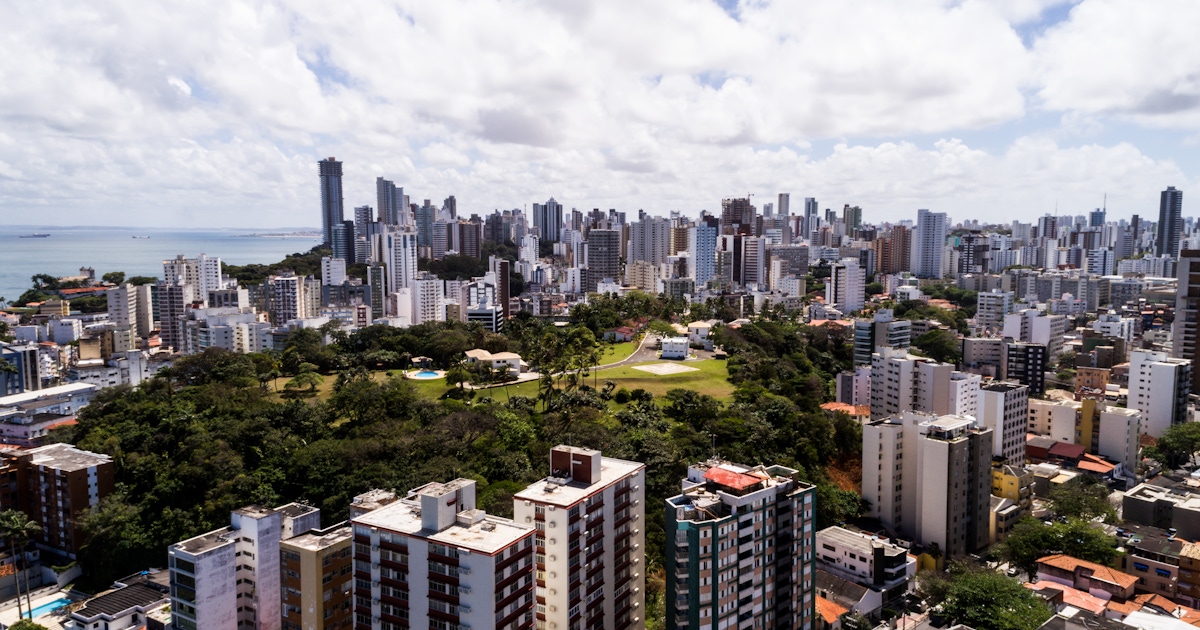
Salvador, Brazil Visitor Guide: Top Attractions, Tours & Activities Brazil Set on the coast of Bahia, it blends colonial architecture, Afro-Brazilian heritage, music, food, beaches, churches, islands and a warm tropical atmosphere that feels very different from Rio de Janeiro or…. Check current availability, inclusions and booking details before you go.
Best places to visit in the Whitsundays: Where to start Multiple Countries Lachlan lives in Paris and is the Head of Content and Community at misterb&b, an LGBTQ+ accommodation platform. He enjoys coffee and cocktails (not always in that order), and loves to… Check current availability, inclusions and booking conditions.
Valencia's Photogenic Places with Local Guide – Guided Tour – Guided Sightseeing Spain If you want a fast, practical way to photograph Valencia’s highlights—plus get local tips you’d normally miss—this 1 hour 30 minute guided walking experience is built for you. Check current availability, inclusions and booking details before you go.