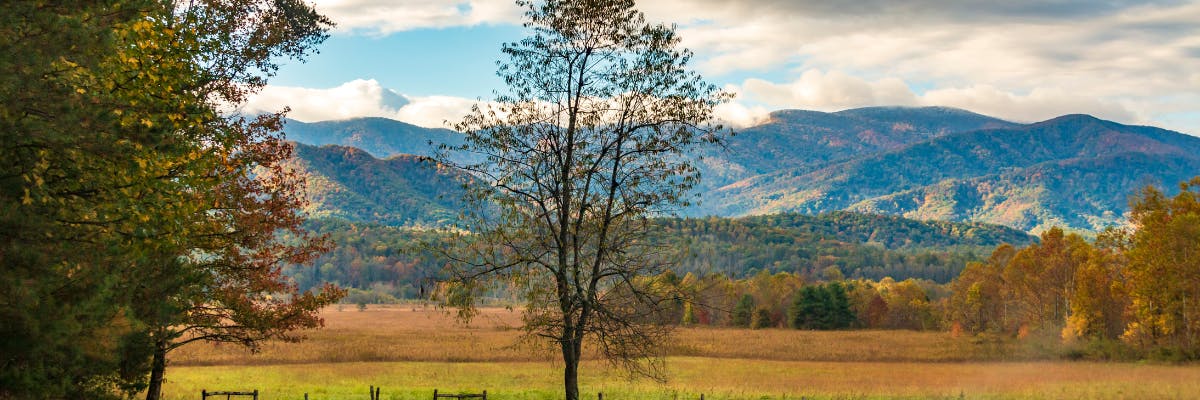
Tennessee is one of the most exciting travel destinations in the American South, known for live music, mountain scenery, barbecue, whiskey heritage, Civil War history, waterfalls, small towns, national parks, scenic drives and welcoming Southern culture. From Nashville’s country music landmarks to Memphis blues and soul, the Great Smoky Mountains, Chattanooga’s riverfront, Knoxville’s historic streets and the waterfalls of the Cumberland Plateau, Tennessee offers a rich mix of culture, nature and road-trip adventure.
Official Tennessee tourism promotes the state for music, outdoor adventures, food and history from Memphis to the Smokies, making it ideal for travellers who want variety in one itinerary. 2
Why Visit Tennessee?
Tennessee is perfect for travellers who enjoy music, food, mountains and history. The state stretches from the Mississippi River in the west to the Appalachian Mountains in the east, giving visitors a wide range of landscapes and experiences.
You can listen to live country music in Nashville, walk along Beale Street in Memphis, visit Graceland, hike in Great Smoky Mountains National Park, explore waterfalls near Cookeville, ride scenic roads through the Smokies, visit Civil War battlefields, enjoy family attractions in Pigeon Forge and discover creative neighbourhoods in Chattanooga and Knoxville.
Best Places to Visit in Tennessee
Nashville
Nashville is Tennessee’s capital and one of the most famous music cities in the world. Known as Music City, it is home to live music venues, recording history, museums, honky-tonks, restaurants, neighbourhood shopping, sports, riverfront views and Southern food.
Best for: live music, nightlife, country music history, food, city breaks, couples, groups and first-time Tennessee visitors.
Broadway Nashville
Broadway is Nashville’s most famous entertainment strip, known for honky-tonks, neon lights, rooftop bars, restaurants and live music throughout the day and night.
It is lively, loud and touristy, but it is also one of the classic Nashville experiences. Visitors who prefer a quieter music scene can explore areas such as The Gulch, East Nashville, Germantown or smaller listening rooms.
Best for: live music, nightlife, groups, first-time visitors and classic Nashville atmosphere.
Grand Ole Opry
The Grand Ole Opry is one of Nashville’s most important music landmarks. It is strongly associated with country music history and continues to host live performances from established stars and newer artists.
Seeing a show here is one of the best ways to experience Nashville’s music heritage beyond the bars of Broadway.
Best for: country music, live shows, families, couples and Nashville music history.
Ryman Auditorium
Ryman Auditorium is one of the most historic music venues in the United States. Often called the Mother Church of Country Music, it has hosted country, gospel, bluegrass, rock, folk and many other performances.
Visitors can take a tour, attend a concert or simply appreciate the building’s role in Nashville’s musical identity.
Best for: music history, concerts, architecture, culture and Nashville sightseeing.
Country Music Hall of Fame and Museum
The Country Music Hall of Fame and Museum is one of Nashville’s major cultural attractions. It tells the story of country music through instruments, costumes, recordings, vehicles, exhibits and artist histories.
It is a strong starting point for understanding why Nashville became such an important music city.
Best for: music lovers, museums, families, country music history and rainy-day sightseeing.
Memphis
Memphis is one of America’s great music and food cities, known for blues, soul, rock and roll, barbecue, Beale Street, the Mississippi River, Civil Rights history and Elvis Presley’s Graceland. It has a different feel from Nashville, with deep musical roots and a powerful cultural story.
Best for: blues, soul, rock and roll, barbecue, Civil Rights history, music museums and Mississippi River views.
Graceland
Graceland is one of Tennessee’s most famous attractions and the former home of Elvis Presley. Visitors can tour the mansion, see exhibits, view memorabilia and learn more about Elvis’s life, music and cultural influence.
It is a must-visit for Elvis fans and a major stop for anyone following Tennessee’s music history.
Best for: Elvis fans, music history, museums, families and Memphis first-timers.
Beale Street
Beale Street is Memphis’s famous music and entertainment district, closely associated with blues history. It offers live music venues, restaurants, bars, neon signs and a lively evening atmosphere.
Visitors can enjoy music, food and nightlife, then combine the area with nearby downtown attractions and the Mississippi riverfront.
Best for: blues music, nightlife, food, photography, groups and Memphis culture.
National Civil Rights Museum
The National Civil Rights Museum in Memphis is one of the most important history museums in the United States. It is located at the former Lorraine Motel and explores the Civil Rights Movement, including the life and legacy of Dr. Martin Luther King Jr.
This is a deeply meaningful stop and should be visited with enough time for reflection.
Best for: Civil Rights history, educational travel, museums, families and cultural understanding.
Sun Studio
Sun Studio is one of the most legendary recording studios in American music. It is associated with early rock and roll, blues, country and artists such as Elvis Presley, Johnny Cash, Jerry Lee Lewis and Carl Perkins.
A tour of Sun Studio pairs well with Graceland, Beale Street and the Stax Museum for a full Memphis music itinerary.
Best for: music history, rock and roll, blues, guided tours and Memphis sightseeing.
Great Smoky Mountains National Park
Great Smoky Mountains National Park is Tennessee’s most famous natural destination and one of the most visited national parks in the United States. The National Park Service lists activities such as hiking, waterfalls, fishing, camping, auto touring, bicycling and exploring historic areas such as Cades Cove. 3
Popular Tennessee-side areas include Gatlinburg, Cades Cove, Roaring Fork Motor Nature Trail, Newfound Gap Road, Kuwohi, Laurel Falls, Elkmont, Sugarlands Visitor Center and the Little River Road area. The park is especially beautiful in spring wildflower season and autumn foliage season.
Best for: hiking, waterfalls, scenic drives, wildlife, mountain views, families, camping and national park road trips.
Cades Cove
Cades Cove is one of the most popular areas of Great Smoky Mountains National Park. It is a broad valley surrounded by mountains, with historic cabins, churches, wildlife viewing, cycling opportunities and an 11-mile one-way loop road.
Visitors often come to see deer, black bears, wild turkeys, historic buildings and misty mountain views. Arrive early if visiting during peak seasons, as traffic can move slowly.
Best for: wildlife, scenic drives, history, photography, families and first-time Smokies visitors.
Gatlinburg
Gatlinburg is one of the main gateway towns to Great Smoky Mountains National Park. It offers hotels, restaurants, mountain attractions, shops, family entertainment, scenic chairlifts, aquariums and easy access to park entrances.
It is busy and commercial, but very convenient for travellers who want both national park access and plenty of evening activities.
Best for: Great Smoky Mountains access, families, restaurants, attractions, shopping and mountain-town stays.
Pigeon Forge
Pigeon Forge is a major family entertainment destination near the Smokies, known for Dollywood, dinner shows, museums, outlet shopping, go-karts, mini golf and cabin stays.
It is especially popular with families who want mountain scenery plus theme parks and easy attractions.
Best for: families, theme parks, cabins, shows, shopping and Smoky Mountains holidays.
Dollywood
Dollywood is one of Tennessee’s best-known family attractions. Located in Pigeon Forge, it combines rides, live entertainment, crafts, food, festivals and Smoky Mountains atmosphere.
It is a strong choice for families, groups and travellers who enjoy theme parks with a regional Southern character.
Best for: families, rides, live shows, festivals, food and Pigeon Forge holidays.
Sevierville
Sevierville is a practical and scenic base near Pigeon Forge and Gatlinburg. It is known as Dolly Parton’s hometown and offers shopping, restaurants, cabin stays, family attractions and access to the Smoky Mountains region.
It can be a useful option for visitors who want to stay close to the main attractions while avoiding the busiest parts of Gatlinburg.
Best for: cabins, families, shopping, Smoky Mountains access and relaxed stays near Pigeon Forge.
Chattanooga
Chattanooga is one of Tennessee’s most scenic and family-friendly cities. Set along the Tennessee River and surrounded by mountains, it is known for riverfront walks, the Tennessee Aquarium, Lookout Mountain, Ruby Falls, Rock City, the Walnut Street Bridge, museums, trails and a revitalised downtown. Official Chattanooga tourism promotes the city for hotels, restaurants, events and things to do for trip planning. 4
Top things to do include walking the Tennessee Riverwalk, visiting the Tennessee Aquarium, crossing the Walnut Street Bridge, exploring Lookout Mountain, riding the Incline Railway and enjoying restaurants around downtown and the North Shore.
Best for: families, riverfront walks, mountain views, aquariums, outdoor activities and weekend city breaks.
Lookout Mountain
Lookout Mountain is one of Chattanooga’s most famous attractions. It includes scenic viewpoints, Ruby Falls, Rock City, the Incline Railway and Civil War history at Point Park.
Visitors can combine several attractions in one day, though it is worth choosing carefully if you prefer nature and history over commercial sightseeing.
Best for: mountain views, families, caves, gardens, Civil War history and Chattanooga day trips.
Tennessee Aquarium
The Tennessee Aquarium is one of Chattanooga’s best family attractions. It focuses on freshwater and ocean habitats, with exhibits that connect naturally to the Tennessee River setting.
It pairs well with the riverfront, Walnut Street Bridge and downtown Chattanooga restaurants.
Best for: families, rainy days, wildlife, riverfront sightseeing and educational travel.
Knoxville
Knoxville is an appealing East Tennessee city with historic neighbourhoods, university energy, riverfront trails, restaurants, live music, museums and easy access to the Smoky Mountains.
Top things to do include exploring Market Square, walking along the Tennessee River, visiting the Sunsphere, enjoying the Old City, touring the University of Tennessee area and using Knoxville as a base for nearby lakes, trails and mountain drives.
Best for: food, history, university-town atmosphere, live music, river walks and Smoky Mountains access.
Market Square Knoxville
Market Square is one of Knoxville’s best gathering places, with restaurants, cafes, shops, events and a walkable downtown atmosphere.
It is a good place to start a Knoxville visit, especially for food, live music and relaxed evening exploring.
Best for: dining, walking, shopping, events, nightlife and first-time Knoxville visitors.
Franklin
Franklin is one of Tennessee’s prettiest historic towns, located south of Nashville. It is known for a walkable main street, boutiques, restaurants, Civil War history, live music, historic homes and nearby countryside.
Visitors can explore downtown Franklin, visit Civil War sites, enjoy local dining and take a scenic drive to nearby Leiper’s Fork.
Best for: small-town charm, shopping, food, Civil War history, couples and Nashville day trips.
Leiper’s Fork
Leiper’s Fork is a tiny village near Franklin with art galleries, live music, cafes, antiques and a relaxed countryside feel.
It is a favourite stop for visitors who want a slower, more local-feeling Tennessee experience close to Nashville.
Best for: art, music, countryside drives, cafes, couples and relaxed day trips.
Murfreesboro
Murfreesboro is a growing Middle Tennessee city with Civil War history, parks, restaurants and family attractions. It is home to Stones River National Battlefield, one of Tennessee’s important Civil War sites.
The city is an easy day trip from Nashville and a useful stop on a central Tennessee road trip.
Best for: Civil War history, family stops, parks, restaurants and Nashville-area exploring.
Stones River National Battlefield
Stones River National Battlefield preserves the site of a major Civil War battle near Murfreesboro. Visitors can explore trails, monuments, interpretive displays and battlefield landscapes.
It is a meaningful stop for travellers interested in Tennessee’s Civil War history.
Best for: Civil War history, walking trails, education, families and Middle Tennessee road trips.
Cookeville
Cookeville is one of the best bases for waterfall trips in Tennessee. Located between Nashville and Knoxville, it gives easy access to Cummins Falls, Burgess Falls, Fall Creek Falls and other Cumberland Plateau landscapes. Recent travel coverage has highlighted Cookeville as a standout destination for waterfall lovers because of its access to major state parks and scenic falls. 5
The town also has a historic square, local restaurants, breweries, shops and a relaxed small-city atmosphere.
Best for: waterfalls, state parks, hiking, small-town charm, weekend getaways and Cumberland Plateau road trips.
Fall Creek Falls State Park
Fall Creek Falls State Park is one of Tennessee’s best outdoor destinations. Tennessee State Parks describes Fall Creek Falls as a place with a beautiful gorge, scenic overlooks and magnificent waterfalls. 6
Visitors can see Fall Creek Falls, hike trails, enjoy overlooks, stay in cabins or the lodge, camp, bike and explore one of the most scenic parks on the Cumberland Plateau.
Best for: waterfalls, hiking, cabins, camping, families, photography and nature escapes.
Burgess Falls State Park
Burgess Falls State Park is known for its powerful waterfall scenery on the Falling Water River. Tennessee State Parks notes that the day-use park is known for natural beauty and four waterfalls that cascade down more than 250 feet in elevation. 7
The main waterfall is one of the most impressive in Tennessee, and the park is a strong addition to any Cookeville or Cumberland Plateau itinerary.
Best for: waterfalls, hiking, photography, day trips and Cookeville-area exploring.
Cummins Falls State Park
Cummins Falls State Park is another standout waterfall park near Cookeville. Tennessee State Parks promotes the park for its stunning waterfall scenery and trails. 8
Some routes can involve creek walking, slippery rocks and seasonal permit requirements, so visitors should check current park rules and conditions before going.
Best for: waterfalls, swimming-hole scenery, hiking, photography and adventurous day trips.
Rock Island State Park
Rock Island State Park is known for waterfalls, river gorges, rugged scenery and dramatic water features where the Caney Fork, Collins and Rocky rivers meet.
The park is excellent for photography, hiking, kayaking for experienced paddlers and scenic day trips through Middle Tennessee.
Best for: waterfalls, river scenery, photography, kayaking, hiking and outdoor weekends.
Big South Fork National River and Recreation Area
Big South Fork National River and Recreation Area protects rugged river gorges, sandstone bluffs, natural arches, forests and historic sites along the Cumberland Plateau region of Tennessee and Kentucky.
Visitors can hike, camp, paddle, ride horses and explore some of the state’s most scenic and less crowded outdoor landscapes.
Best for: hiking, camping, paddling, horseback riding, natural arches and rugged scenery.
Oak Ridge
Oak Ridge is one of Tennessee’s most interesting history destinations, known for its role in the Manhattan Project during World War II. It offers museums, science history, nearby lakes and access to East Tennessee outdoor areas.
Visitors interested in science, technology and wartime history will find Oak Ridge a worthwhile stop between Knoxville and the Cumberland Plateau.
Best for: science history, museums, World War II history, families and East Tennessee road trips.
Jonesborough
Jonesborough is Tennessee’s oldest town and one of the state’s most charming small destinations. It is known for historic buildings, storytelling traditions, shops, cafes and Appalachian heritage.
The town is especially appealing for travellers who enjoy walkable historic streets and cultural festivals.
Best for: history, storytelling, small-town charm, Appalachian culture and relaxed weekends.
Johnson City
Johnson City is a lively East Tennessee city with mountain access, breweries, restaurants, trails, music, university energy and access to the Tri-Cities region.
It is a useful base for exploring Jonesborough, Bristol, the Appalachian Trail, Watauga Lake and northeastern Tennessee scenery.
Best for: mountain access, breweries, local food, trails, music and East Tennessee road trips.
Bristol
Bristol sits on the Tennessee-Virginia border and is strongly associated with the birth of country music. It also offers motorsports, historic streets, local restaurants and Appalachian culture.
The Birthplace of Country Music Museum is a key attraction for travellers following Tennessee’s music story.
Best for: country music history, small-city charm, motorsports, museums and Appalachian travel.
Lynchburg
Lynchburg is a small Tennessee town best known for its historic square and whiskey heritage. Visitors often come for distillery history, local shops, Southern food and a quiet small-town atmosphere.
It can be combined with Tullahoma, Shelbyville or a Middle Tennessee countryside drive.
Best for: small-town charm, food, whiskey heritage, scenic drives and Middle Tennessee day trips.
Shiloh National Military Park
Shiloh National Military Park preserves one of the major Civil War battlefields in Tennessee. It is located in southwestern Tennessee near the Mississippi border and offers battlefield roads, monuments, cemeteries and interpretive sites.
It is one of the state’s most important destinations for Civil War history and reflective travel.
Best for: Civil War history, battlefield tours, educational travel, quiet road trips and history lovers.
Reelfoot Lake
Reelfoot Lake in northwestern Tennessee is one of the state’s most unusual natural areas. It is known for cypress trees, birdwatching, fishing, boating and a distinctive swamp-lake landscape.
It is especially popular for bald eagle viewing in season and for travellers wanting a quieter nature experience away from the main tourist route.
Best for: birdwatching, fishing, boating, wildlife, photography and peaceful nature trips.
Natchez Trace Parkway
The Natchez Trace Parkway is one of the best scenic drives through Tennessee. It follows a historic travel corridor through Tennessee, Alabama and Mississippi, with forest scenery, historic stops, overlooks, trails and peaceful picnic areas.
The Tennessee section is especially useful for travellers connecting Nashville, Franklin and southern Middle Tennessee.
Best for: scenic drives, history, cycling, quiet road trips, photography and relaxed travel.
Best National Parks and Historic Sites in Tennessee
Great Smoky Mountains National Park: Best for hiking, waterfalls, scenic drives, wildlife and mountain scenery.
Shiloh National Military Park: Best for Civil War history and reflective battlefield touring.
Stones River National Battlefield: Best for Civil War history near Nashville and Murfreesboro.
Big South Fork National River and Recreation Area: Best for rugged gorges, hiking, paddling and natural arches.
Obed Wild and Scenic River: Best for rock climbing, paddling, hiking and gorge scenery.
Natchez Trace Parkway: Best for scenic driving, cycling, history and peaceful road trips.
Andrew Johnson National Historic Site: Best for presidential history in Greeneville.
Manhattan Project National Historical Park, Oak Ridge: Best for World War II and science history.
Best State Parks in Tennessee
Fall Creek Falls State Park: Best for waterfalls, gorges, hiking, camping and cabins.
Burgess Falls State Park: Best for dramatic waterfall views and Cookeville-area day trips.
Cummins Falls State Park: Best for adventurous waterfall hikes and creek scenery.
Rock Island State Park: Best for waterfalls, river gorges, photography and kayaking scenery.
South Cumberland State Park: Best for hiking, overlooks, waterfalls and rugged plateau landscapes.
Frozen Head State Park: Best for forest hiking, mountain views and quieter East Tennessee nature.
Rogersville: Historic streets, East Tennessee scenery and relaxed road-trip appeal.
Best Outdoor Adventures in Tennessee
Drive Cades Cove: Look for wildlife, mountain views and historic buildings in the Smokies.
Hike to waterfalls: Visit Fall Creek Falls, Burgess Falls, Cummins Falls, Laurel Falls or Rainbow Falls.
Explore Lookout Mountain: Enjoy Chattanooga viewpoints, caves, gardens and Civil War history.
Walk the Natchez Trace: Drive, cycle or stop at historic pullouts and scenic trails.
Paddle the Tennessee River: Try river sections near Chattanooga, Knoxville or Pickwick.
Visit Big South Fork: Hike sandstone arches, river gorges and rugged plateau trails.
Go boating on Norris Lake: Enjoy clear water, coves, fishing and East Tennessee lake scenery.
Birdwatch at Reelfoot Lake: Look for eagles, waterbirds and cypress-lined lake views.
Hike South Cumberland: Explore overlooks, waterfalls and rocky plateau scenery.
Cycle or walk urban greenways: Try routes in Nashville, Knoxville, Chattanooga or Memphis.
Best Scenic Drives in Tennessee
Newfound Gap Road: Best for classic Great Smoky Mountains views and high-elevation scenery.
Cades Cove Loop Road: Best for wildlife, historic cabins and mountain valley scenery.
Roaring Fork Motor Nature Trail: Best for forest scenery, streams, cabins and Smokies atmosphere.
Natchez Trace Parkway: Best for peaceful driving, history, cycling and forest scenery.
Cherohala Skyway: Best for mountain views between Tennessee and North Carolina.
Foothills Parkway: Best for sweeping Smoky Mountains overlooks.
Sequatchie Valley route: Best for rural landscapes, cliffs and Cumberland Plateau scenery.
Great River Road: Best for Mississippi River views and West Tennessee history.
Ocoee Scenic Byway: Best for river scenery, whitewater culture and forested mountain drives.
Tennessee Whiskey Trail routes: Best for countryside drives, small towns and heritage stops.
Best Places in Tennessee for Music and Culture
Nashville: Best for country music, honky-tonks, the Grand Ole Opry, Ryman Auditorium and recording history.
Memphis: Best for blues, soul, rock and roll, Beale Street, Graceland, Sun Studio and Stax history.
Bristol: Best for country music origins and Appalachian music heritage.
Chattanooga: Best for festivals, riverfront arts, museums and creative neighbourhoods.
Knoxville: Best for live music, historic venues, university culture and East Tennessee arts.
Franklin: Best for historic streets, local music, boutiques and Southern charm.
Jonesborough: Best for storytelling, Appalachian heritage and historic small-town culture.
Oak Ridge: Best for science history and World War II heritage.
Best Places in Tennessee for Food Lovers
Memphis: Best for barbecue, soul food, blues clubs, diners and riverfront meals.
Nashville: Best for hot chicken, Southern restaurants, biscuits, live-music dining and modern food halls.
Chattanooga: Best for riverfront dining, bakeries, breweries, brunch and casual Southern food.
Knoxville: Best for Market Square restaurants, cafes, craft beer and Appalachian-influenced food.
Franklin: Best for refined Southern dining, cafes, bakeries and historic main street restaurants.
Cookeville: Best for local diners, breweries, doughnuts and waterfall-road-trip meals.
Gatlinburg and Pigeon Forge: Best for family dining, pancakes, barbecue and mountain-trip comfort food.
West Tennessee small towns: Best for barbecue, catfish, diners and Southern road-trip food.
Best Time to Visit Tennessee
Tennessee can be visited year-round, but the best season depends on your itinerary.
Spring: Excellent for wildflowers in the Smokies, waterfalls, city breaks, hiking and comfortable road trips.
Summer: Best for family trips, Dollywood, lake holidays, festivals, river activities and mountain escapes, though humidity can be high.
Autumn: Ideal for Great Smoky Mountains foliage, scenic drives, outdoor festivals, Nashville, Knoxville and Chattanooga.
Winter: Good for music weekends, museums, quieter Smokies trips, holiday events and cosy cabin stays.
For a first visit, spring and autumn are often the easiest seasons. Autumn is especially popular in the Smoky Mountains, while spring is excellent for waterfalls and wildflowers.
Suggested 7-Day Tennessee Road Trip Itinerary
Day 1: Memphis
Start in Memphis. Visit the National Civil Rights Museum, walk Beale Street, enjoy barbecue and take in Mississippi River views.
Day 2: Memphis Music History
Visit Graceland, Sun Studio and the Stax Museum of American Soul Music. Spend the evening with live music or a relaxed dinner downtown.
Day 3: Nashville
Drive to Nashville. Explore Broadway, the Country Music Hall of Fame, Ryman Auditorium and neighbourhoods such as 12 South, Germantown or East Nashville.
Day 4: Franklin and Natchez Trace Parkway
Take a day trip to Franklin and Leiper’s Fork. Add a scenic section of the Natchez Trace Parkway before returning to Nashville or continuing east.
Day 5: Cookeville and Waterfalls
Travel toward Cookeville and the Cumberland Plateau. Visit Burgess Falls, Cummins Falls or Fall Creek Falls, depending on time, trail conditions and your fitness level.
Day 6: Chattanooga
Drive to Chattanooga. Visit the Tennessee Aquarium, walk the Walnut Street Bridge, explore the riverfront and spend time at Lookout Mountain.
Day 7: Great Smoky Mountains
Finish in East Tennessee. Stay in Gatlinburg, Pigeon Forge, Townsend or Knoxville and explore Great Smoky Mountains National Park with a scenic drive, short hike or Cades Cove visit.
Longer 10-Day Tennessee Itinerary
Days 1 to 2: Memphis, Beale Street, Graceland, Sun Studio, Stax Museum and the National Civil Rights Museum.
Days 3 to 4: Nashville, Broadway, Grand Ole Opry, Ryman Auditorium, Country Music Hall of Fame and local food.
Day 5: Franklin, Leiper’s Fork, Natchez Trace Parkway and Middle Tennessee countryside.
Day 6: Cookeville, Burgess Falls, Cummins Falls or Fall Creek Falls State Park.
Day 7: Chattanooga, Tennessee Aquarium, Lookout Mountain and riverfront walks.
Day 8: Knoxville, Market Square, riverfront trails and East Tennessee food.
Days 9 to 10: Gatlinburg, Pigeon Forge, Great Smoky Mountains National Park, Cades Cove, Roaring Fork and scenic mountain drives.
Travel Tips for Visiting Tennessee
Rent a car: Tennessee is best explored by road, especially if you want to connect Memphis, Nashville, Chattanooga and the Smokies.
Book Smokies stays early: Gatlinburg, Pigeon Forge, Townsend and nearby cabins can be busy during summer and autumn foliage season.
Check park conditions: Great Smoky Mountains roads, waterfall trails and high-elevation routes can be affected by weather, repairs or seasonal closures.
Plan music nights ahead: Nashville and Memphis have excellent live music, but popular venues and shows may need advance booking.
Wear proper shoes: Waterfall trails, city walks, battlefield sites and Smoky Mountains paths can involve uneven ground.
Prepare for humidity: Summer can be hot and humid, especially in cities and lowland areas.
Respect historic and cultural sites: Civil Rights museums, battlefields and Indigenous or Appalachian heritage sites deserve thoughtful attention.
Drive slowly in the Smokies: Wildlife, curves, cyclists, pedestrians and traffic can make mountain roads slow.
Try regional food: Look for Memphis barbecue, Nashville hot chicken, biscuits, catfish, meat-and-three restaurants, banana pudding, fried green tomatoes and local pies.
Mix music and nature: A strong Tennessee itinerary includes at least one music city, one mountain region, one historic site and one scenic outdoor area.
Final Thoughts on the Best Places to Visit in Tennessee
Tennessee is a state of music, mountains, food, history and scenic road trips. It offers the energy of Nashville, the soul of Memphis, the beauty of the Great Smoky Mountains, the riverfront charm of Chattanooga, the history of Franklin and Shiloh, and the waterfall landscapes of the Cumberland Plateau.
For a first visit, consider Memphis, Nashville, Franklin, Chattanooga, Knoxville, Gatlinburg, Pigeon Forge and Great Smoky Mountains National Park. Travellers with more time should add Cookeville, Fall Creek Falls, Burgess Falls, Cummins Falls, Big South Fork, Oak Ridge, Jonesborough, Bristol, Reelfoot Lake and the Natchez Trace Parkway.
Whether you are planning a family holiday, music road trip, mountain escape, food-focused weekend, Civil War history journey or waterfall adventure, Tennessee offers memorable places to visit in every season.
Frequently Asked Questions About Visiting Tennessee
What is the prettiest place in Tennessee?
Some of the prettiest places in Tennessee include Great Smoky Mountains National Park, Cades Cove, Fall Creek Falls, Burgess Falls, Cummins Falls, Chattanooga’s Lookout Mountain, Big South Fork, Reelfoot Lake and the Natchez Trace Parkway.
What is Tennessee best known for?
Tennessee is best known for Nashville country music, Memphis blues and barbecue, Graceland, Great Smoky Mountains National Park, Dollywood, whiskey heritage, Civil War history, hot chicken, waterfalls and scenic mountain drives.
Is Tennessee good for a family holiday?
Yes, Tennessee is excellent for families. Families can visit Pigeon Forge, Dollywood, Gatlinburg, Great Smoky Mountains National Park, Chattanooga, the Tennessee Aquarium, Nashville music attractions, Memphis museums and waterfall state parks.
How many days do you need to visit Tennessee?
You can enjoy one region in 3 to 4 days, such as Nashville and Franklin, Memphis, or Gatlinburg and the Smokies. For a broader road trip covering Memphis, Nashville, Chattanooga and the Smokies, 7 to 10 days is ideal.
What is the best time of year to visit Tennessee?
Spring and autumn are the best overall seasons for Tennessee because the weather is comfortable and scenery is strong. Spring is good for waterfalls and wildflowers, while autumn is best for Smoky Mountains foliage. Summer is popular for family attractions and lakes, while winter is quieter for cities and cabins.
Is Tennessee good for a road trip?
Yes, Tennessee is excellent for road trips. Popular routes include Memphis to Nashville, Nashville to Chattanooga, Chattanooga to the Smokies, the Natchez Trace Parkway, Cades Cove Loop Road, Newfound Gap Road, Foothills Parkway and the Cumberland Plateau waterfall route.
Where should first-time visitors go in Tennessee?
First-time visitors should consider Memphis, Nashville, Franklin, Chattanooga, Knoxville, Gatlinburg, Pigeon Forge and Great Smoky Mountains National Park.
Does Tennessee have good hiking?
Yes, Tennessee has excellent hiking, especially in Great Smoky Mountains National Park, Fall Creek Falls, South Cumberland State Park, Big South Fork, Frozen Head, Burgess Falls, Cummins Falls, Rock Island and the Chattanooga area.
What are the best small towns in Tennessee?
Some of the best small towns in Tennessee include Franklin, Jonesborough, Leiper’s Fork, Lynchburg, Cookeville, Townsend, Bell Buckle, Greeneville, Paris and Rogersville.
What should I pack for a Tennessee trip?
Pack comfortable walking shoes, layered clothing, sun protection, insect repellent, a refillable water bottle and weather-appropriate clothes. For the Smokies and waterfall hikes, bring sturdy footwear and a rain jacket. For Nashville and Memphis, bring casual evening clothes for restaurants and live music venues.
Sponsored Popular Items
Quick take: Musement.com offers a worldwide selection of tours and attractions