Utah is one of the most spectacular travel destinations in the United States, known for red rock canyons, sandstone arches, desert landscapes, alpine mountains, salt flats, ski towns, national parks, scenic byways, ancient rock art, family-friendly outdoor adventures and unforgettable road trips. From Zion National Park and Bryce Canyon to Arches, Canyonlands, Capitol Reef, Salt Lake City, Park City, Moab, Monument Valley and the Great Salt Lake, Utah offers some of the most dramatic scenery in the American West.
The state is especially famous for its “Mighty 5” national parks: Arches, Bryce Canyon, Canyonlands, Capitol Reef and Zion. Visit Utah describes these five national parks as anchor points for broader travel regions, encouraging visitors to explore not only the parks but also nearby state parks, national monuments and small towns. 2
Why Visit Utah?
Utah is ideal for travellers who love national parks, scenic drives, hiking, photography, stargazing and outdoor adventure. It is one of the best states in America for a road trip because its landscapes change dramatically from one region to the next. You can walk beneath massive sandstone cliffs in Zion, photograph hoodoos at Bryce Canyon, hike to arches near Moab, explore the rugged canyons of Canyonlands, drive through Capitol Reef’s Waterpocket Fold, ski in the Wasatch Mountains and watch sunset over the Great Salt Lake.
Utah is also much more than its national parks. The state has excellent ski resorts, family-friendly cities, dinosaur fossil sites, desert state parks, mountain lakes, scenic byways, hot springs, historic towns and some of the clearest night skies in the country.
Best Places to Visit in Utah
Zion National Park
Zion National Park is one of Utah’s most famous destinations and one of the most visited national parks in the United States. The National Park Service describes Zion as a place of massive sandstone cliffs in cream, pink and red, narrow slot canyons, rich history and diverse plant and animal life. 3
Popular things to do include walking the Riverside Walk, hiking to Emerald Pools, exploring Zion Canyon, driving the Zion-Mount Carmel Highway, viewing the Court of the Patriarchs and applying for permits for special hikes such as Angels Landing when required. The park also has shuttle systems and permit rules that can change seasonally, so visitors should check current conditions before travelling.
Best for: first-time Utah visitors, hiking, canyon scenery, photography, families, scenic drives and national park road trips.
Springdale
Springdale is the main gateway town for Zion National Park. It sits just outside the park entrance and offers hotels, restaurants, shops, outfitters, galleries and shuttle access into Zion Canyon during operating periods.
It is one of the best places to stay if Zion is the focus of your trip, especially if you want to reduce driving and enjoy canyon views from town.
Best for: Zion access, restaurants, hotels, galleries, couples, families and canyon views.
Bryce Canyon National Park
Bryce Canyon National Park is famous for its hoodoos, which are tall, thin rock spires that create one of the most unusual landscapes in the American Southwest. Visit Utah describes Bryce Canyon as an alpine forest landscape with red rock hoodoos, while the National Park Service lists popular routes such as the Rim Trail, Queen’s Garden and Navajo Loop. 4
Top experiences include sunrise at Sunrise Point, sunset at Sunset Point, walking the Rim Trail, hiking the Queen’s Garden and Navajo Loop combination, and stargazing under the park’s dark skies. Bryce sits at higher elevation than many other southern Utah parks, so temperatures can be cooler, especially in the morning and evening.
Best for: hoodoos, sunrise photography, stargazing, short hikes, families, scenic overlooks and high-elevation desert scenery.
Arches National Park
Arches National Park near Moab is one of Utah’s most iconic landscapes. Visit Utah notes that Arches contains more than 2,000 natural arches, making it one of the great sandstone destinations in the country. 5
Popular stops include Delicate Arch, Landscape Arch, Double Arch, Windows Section, Balanced Rock, Park Avenue and Devils Garden. Delicate Arch is the classic Utah postcard view, but many shorter walks also offer excellent scenery for families and less experienced hikers.
Best for: natural arches, photography, hiking, geology, families, sunset views and Moab-based trips.
Moab
Moab is one of the best adventure towns in the American Southwest. The official Moab visitor site describes the area as a red rock canyon destination along the Colorado River and a base for mountain biking, hiking, off-roading and whitewater rafting. 6
Moab is the main base for Arches National Park, Canyonlands National Park, Dead Horse Point State Park, Colorado River rafting, mountain biking trails, scenic drives and off-road tours. It has a lively mix of outfitters, restaurants, hotels, campgrounds and tour operators.
Best for: Arches, Canyonlands, adventure travel, rafting, mountain biking, off-roading, hiking and red rock scenery.
Canyonlands National Park
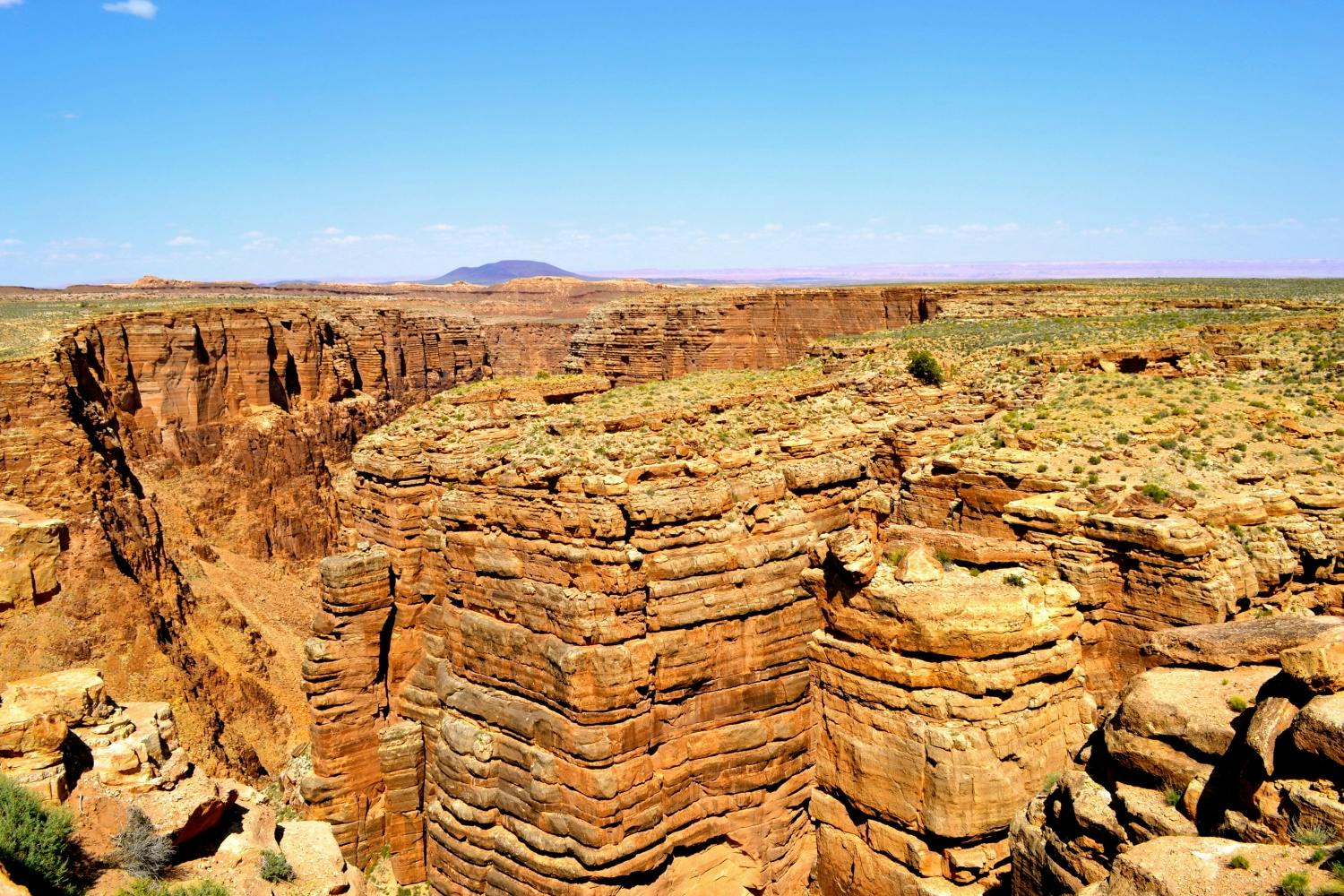
Canyonlands National Park is a vast wilderness of canyons, buttes and spires carved by the Colorado and Green rivers. The National Park Service notes that the park is divided into four districts and that no roads connect the districts within the park. 7
The most accessible district for first-time visitors is Island in the Sky, near Moab. Highlights include Mesa Arch, Grand View Point, Green River Overlook and Shafer Canyon views. The Needles district is more remote and excellent for hiking, while the Maze is best suited to highly prepared backcountry travellers.
Best for: canyon views, remote scenery, photography, hiking, scenic overlooks, solitude and Moab road trips.
Dead Horse Point State Park
Dead Horse Point State Park is one of Utah’s most dramatic state parks, located near Canyonlands and Moab. Utah State Parks describes Dead Horse Point as a viewpoint 2,000 feet above a gooseneck in the Colorado River. 8
The main overlook is especially beautiful at sunrise or sunset, and the park also has trails, camping and mountain biking routes. It is a must-add stop for travellers staying in Moab.
Best for: canyon views, photography, sunsets, short walks, families and Moab-area sightseeing.
Capitol Reef National Park
Capitol Reef National Park is one of Utah’s most underrated national parks. The National Park Service describes it as a hidden treasure in south-central Utah, with cliffs, canyons, domes and bridges in the Waterpocket Fold, a geologic monocline extending nearly 100 miles. 9
Top things to do include driving the Scenic Drive, exploring Fruita, seeing petroglyphs, hiking to Hickman Bridge, visiting Capitol Gorge, photographing the Waterpocket Fold and enjoying pies or fruit in season in the historic Fruita area.
Best for: quieter national park scenery, scenic drives, geology, hiking, history, photography and southern Utah road trips.
Torrey
Torrey is the main gateway town for Capitol Reef National Park. It offers lodging, restaurants, galleries and access to one of Utah’s most scenic regions.
It is also a good base for exploring Highway 12, Boulder Mountain, Grand Staircase-Escalante and the wider south-central Utah landscape.
Best for: Capitol Reef access, quiet stays, scenic drives, photography and relaxed desert travel.
Scenic Byway 12
Scenic Byway 12 is one of the most beautiful drives in Utah. It links the Bryce Canyon area with Escalante, Boulder, Grand Staircase-Escalante and Capitol Reef country.
The drive passes red rock canyons, forests, high plateaus, small towns and dramatic viewpoints. It is one of the best routes for travellers who want to connect multiple southern Utah landscapes without rushing.
Best for: scenic drives, road trips, photography, small towns, red rock scenery and national park connections.
Grand Staircase-Escalante
Grand Staircase-Escalante is a vast southern Utah landscape of canyons, cliffs, slickrock, slot canyons, desert plateaus and remote roads. It is best suited to travellers who enjoy rugged scenery and careful route planning.
Popular areas include Escalante, Hole-in-the-Rock Road, Calf Creek Falls, Boulder, Kodachrome Basin nearby and scenic viewpoints along Highway 12. Road and trail conditions can change quickly, so always check locally before travelling into remote areas.
Best for: slot canyons, scenic drives, hiking, photography, solitude and adventurous road trips.
Escalante
Escalante is a small town surrounded by some of Utah’s most impressive desert landscapes. It is a practical base for Grand Staircase-Escalante, Calf Creek Falls, Hole-in-the-Rock Road and Highway 12.
Visitors can use Escalante for lodging, food, outfitters and local advice before heading into more remote canyon country.
Best for: desert hiking, slot canyons, scenic drives, road-trip bases and quiet stays.
Kanab
Kanab is one of Utah’s best bases for exploring the southern border region. It sits close to Zion, Bryce Canyon, Coral Pink Sand Dunes, Grand Staircase-Escalante, Lake Powell, Buckskin Gulch, the Wave permit area and the Arizona border.
The town has a friendly road-trip atmosphere, with hotels, restaurants, outfitters and easy access to many day trips.
Best for: road-trip bases, slot canyons, Zion and Bryce access, photography, families and southern Utah exploring.
Coral Pink Sand Dunes State Park
Coral Pink Sand Dunes State Park protects a colourful landscape of shifting red-orange sand dunes. Utah State Parks notes that the dunes can move as much as 50 feet per year and that the park offers both motorized and non-motorized recreation. 10
Visitors can walk on the dunes, photograph the sand at sunrise or sunset, ride off-highway vehicles in designated areas and combine the park with Kanab, Zion or the Arizona border region.
Best for: sand dunes, photography, families, off-highway vehicle recreation and southern Utah road trips.
Goblin Valley State Park
Goblin Valley State Park is one of Utah’s most unusual landscapes. Utah State Parks describes it as a strange and colourful valley covered with sandstone goblins. 11
The park is fun for families because visitors can wander among the formations and explore an almost otherworldly landscape. It pairs well with Capitol Reef, Hanksville and Little Wild Horse Canyon.
Best for: families, unusual rock formations, photography, short walks, stargazing and road-trip stops.
Monument Valley
Monument Valley is one of the most recognisable landscapes in the American Southwest, known for towering sandstone buttes, desert roads and wide-open views. It lies on Navajo Nation land near the Utah-Arizona border and should be visited with respect for local rules, culture and access requirements.
Visitors can take scenic drives, join guided tours, photograph sunrise or sunset and learn more about Navajo culture and the desert landscape. Always check current Navajo Tribal Park access rules before travelling.
Best for: iconic desert scenery, photography, guided tours, cultural travel and Utah-Arizona road trips.
Lake Powell and Glen Canyon
Lake Powell and Glen Canyon sit along the Utah-Arizona border and offer dramatic desert-water scenery, boating, kayaking, beaches, canyons and red rock views. The area is vast and access varies by water levels, marina operations and seasonal conditions.
Popular Utah-side areas include Bullfrog, Halls Crossing and nearby canyon country. Page, Arizona, is often used for southern Lake Powell access.
Best for: boating, kayaking, desert water scenery, photography, family trips and warm-weather escapes.
Salt Lake City
Salt Lake City is Utah’s capital and a practical gateway for visitors flying into the state. Visit Salt Lake promotes the city for skiing, hiking, food, live music, museums, outdoor adventure and access to the Wasatch Mountains. 12
Best for: city breaks, museums, skiing, hiking, food, families, airport access and northern Utah itineraries.
Great Salt Lake
The Great Salt Lake is one of Utah’s most distinctive natural landmarks. It is the largest saltwater lake in the Western Hemisphere and creates a unique landscape of shoreline, wetlands, islands, salt flats and bird habitat.
Visitors often experience the lake through Antelope Island State Park, Great Salt Lake State Park, birding areas or sunset viewpoints west of Salt Lake City.
Best for: sunsets, birdwatching, photography, geology, unusual landscapes and Salt Lake City day trips.
Antelope Island State Park
Antelope Island State Park sits in the Great Salt Lake and is one of the best places near Salt Lake City for wildlife, hiking and lake views. Utah State Parks highlights hiking, mountain biking and horseback riding on the island’s backcountry trails, with views of the lake and island scenery. 13
Visitors may see bison, pronghorn, birds and broad views of the Wasatch Mountains. Sunsets are especially memorable, but bugs can be intense in some seasons.
Best for: wildlife, sunsets, hiking, biking, photography and Salt Lake City day trips.
Park City
Park City is Utah’s best-known mountain resort town, famous for skiing, snowboarding, Historic Main Street, restaurants, festivals, mountain biking and year-round outdoor activities. Visit Park City lists popular summer activities such as hiking, mountain biking, scenic chairlift rides, outdoor concerts, festivals, golf, fly fishing and exploring Historic Main Street. 14
In winter, Park City is a major ski destination. In summer and autumn, it becomes a base for hiking, biking, scenic drives, markets and mountain events.
Best for: skiing, mountain biking, restaurants, festivals, couples, families and mountain resort stays.
The region is a good choice for travellers who want northern Utah scenery without staying in Salt Lake City or Park City.
Best for: mountain views, waterfalls, family trips, university-town energy, scenic drives and northern Utah exploring.
Bear Lake
Bear Lake sits on the Utah-Idaho border and is known for its bright turquoise-blue water, beaches, boating, fishing, camping and summer holidays. Utah State Parks notes that minerals suspended in the water create Bear Lake’s distinctive aqua-blue colour. 15
The area is popular in summer for lake recreation and in quieter seasons for scenic drives and relaxed small-town stays.
Best for: boating, beaches, families, camping, fishing, summer holidays and northern Utah road trips.
Bonneville Salt Flats
The Bonneville Salt Flats are one of Utah’s most surreal landscapes. Located west of Salt Lake City near Wendover, the flats create a vast white expanse that feels almost otherworldly.
Visitors come for photography, road-trip stops and the landscape’s strong connection to land-speed racing history. Conditions can vary with weather, and the flats should be treated carefully because the surface can be fragile or impassable when wet.
Best for: photography, road trips, unusual landscapes, wide-open views and western Utah travel.
Dinosaur National Monument
Dinosaur National Monument spans parts of Utah and Colorado and is one of the best places in the region to learn about fossils, geology, river canyons and ancient life. The National Park Service notes that dinosaur fossils remain embedded in rocks there, while the area also includes mountains, desert, river canyons, petroglyphs and human history. 16
The Utah side near Vernal is especially known for the Quarry Exhibit Hall, where visitors can see dinosaur bones in the rock face.
Best for: fossils, families, geology, river canyons, history and northeastern Utah road trips.
Vernal
Vernal is the main Utah base for Dinosaur National Monument and northeastern Utah’s fossil country. It has museums, restaurants, lodging and access to nearby scenic drives, lakes and outdoor recreation.
It is a strong stop for families or anyone interested in dinosaurs, geology and lesser-known Utah landscapes.
Best for: dinosaur history, museums, families, road-trip bases and northeastern Utah exploring.
Cedar City
Cedar City is a useful base for southern Utah travel, especially for Cedar Breaks National Monument, Brian Head, Zion, Bryce Canyon and the Shakespeare Festival. It has hotels, restaurants, galleries and access to cooler high-elevation landscapes.
The city works well for travellers who want a less crowded base than Springdale or Bryce Canyon City.
Best for: Cedar Breaks access, arts, festivals, road-trip bases, families and southern Utah exploring.
Cedar Breaks National Monument
Cedar Breaks National Monument is a high-elevation amphitheatre of colourful cliffs, bristlecone pines, wildflowers and dark skies. The National Park Service describes Cedar Breaks as sitting above 10,000 feet and looking down into a half-mile-deep geologic amphitheatre. 17
Because of its elevation, the area is cooler than nearby desert parks and access can be seasonal. It is especially beautiful in summer wildflower season and autumn.
Best for: high-elevation views, wildflowers, bristlecone pines, stargazing, photography and Cedar City day trips.
Best National Parks in Utah
Zion National Park: Best for sandstone cliffs, canyon walks, scenic drives and famous hikes.
Bryce Canyon National Park: Best for hoodoos, sunrise viewpoints, stargazing and short hikes.
Arches National Park: Best for natural arches, sunset photography and Moab-based exploring.
Canyonlands National Park: Best for vast canyon views, Mesa Arch, remote landscapes and backcountry adventure.
Capitol Reef National Park: Best for scenic drives, quieter hiking, geology, Fruita history and wide-open desert views.
Best State Parks in Utah
Dead Horse Point State Park: Best for Colorado River canyon views near Moab.
Goblin Valley State Park: Best for strange sandstone formations and family exploring.
Coral Pink Sand Dunes State Park: Best for red-orange dunes, photography and off-highway vehicle recreation.
Antelope Island State Park: Best for Great Salt Lake views, bison, hiking and sunsets.
Snow Canyon State Park: Best for lava flows, red cliffs, desert trails and St. George-area scenery.
Kodachrome Basin State Park: Best for colourful rock formations near Bryce Canyon and Grand Staircase-Escalante.
Salt Lake City: Best for modern restaurants, international food, bakeries, coffee, breweries and food halls.
Park City: Best for mountain-town dining, après-ski meals, upscale restaurants and cosy winter food.
Moab: Best for casual adventure-town dining, coffee, breweries, food trucks and post-hike meals.
St. George: Best for southwestern dining, cafes, family restaurants and access to Snow Canyon and Zion.
Provo: Best for casual restaurants, dessert shops, cafes and university-town food.
Fredericksburg-style? No: Utah’s food identity is more about regional diners, fry sauce, funeral potatoes, artisan bakeries, local produce, ice cream shops and mountain-resort dining.
Best Time to Visit Utah
Utah can be visited year-round, but the best season depends on your region and activities.
Spring: Excellent for southern Utah national parks, desert hiking, wildflowers, scenic drives and comfortable temperatures.
Summer: Best for high-elevation areas, mountain lakes, Park City, Salt Lake canyons and family holidays, though desert parks can be very hot.
Autumn: Ideal for Zion, Bryce, Capitol Reef, Moab, Highway 12, fall colour and cooler hiking weather.
Winter: Best for skiing in northern Utah, snow-covered Bryce Canyon, quieter desert parks and cosy mountain stays.
For a first Utah national parks road trip, spring and autumn are usually the easiest seasons. Summer can still be rewarding, but desert heat can be intense, so early starts, water and shade planning are essential.
Suggested 7-Day Utah Road Trip Itinerary
Day 1: Salt Lake City
Start in Salt Lake City. Visit downtown, the Utah State Capitol, Temple Square area, the Natural History Museum of Utah or Red Butte Garden. If time allows, head to Antelope Island for Great Salt Lake sunset views.
Day 2: Moab and Arches National Park
Drive to Moab and spend the afternoon in Arches National Park. Visit Balanced Rock, Windows Section, Double Arch and Delicate Arch viewpoint or hike, depending on time and ability.
Day 3: Canyonlands and Dead Horse Point
Explore Canyonlands National Park’s Island in the Sky district. Visit Mesa Arch, Green River Overlook and Grand View Point, then finish the day at Dead Horse Point State Park for sunset.
Day 4: Capitol Reef and Torrey
Drive from Moab toward Capitol Reef National Park. Explore Fruita, see petroglyphs, hike Hickman Bridge or drive the Scenic Drive if conditions allow. Stay overnight in Torrey.
Day 5: Scenic Byway 12 and Bryce Canyon
Drive Scenic Byway 12 through Boulder and Escalante toward Bryce Canyon. Stop for viewpoints along the way, then enjoy sunset over Bryce Canyon’s hoodoos.
Day 6: Bryce Canyon to Zion
Spend the morning walking the Rim Trail or hiking Queen’s Garden and Navajo Loop, then continue to Springdale for Zion National Park.
Day 7: Zion National Park
Explore Zion Canyon. Choose Riverside Walk, Emerald Pools, Canyon Overlook, scenic shuttle stops or permitted hikes depending on your plans. Stay in Springdale or continue toward Las Vegas or Salt Lake City.
Longer 10-Day Utah Itinerary
Day 1: Salt Lake City, Great Salt Lake and Antelope Island.
Day 2: Drive to Moab and explore Arches National Park.
Day 3: Canyonlands Island in the Sky and Dead Horse Point State Park.
Day 4: Moab adventure day, with rafting, mountain biking, off-roading or Corona Arch.
Day 5: Capitol Reef National Park and Torrey.
Day 6: Scenic Byway 12, Boulder, Escalante and Calf Creek Falls area.
Day 7: Bryce Canyon National Park and nearby Red Canyon.
Day 8: Kanab, Coral Pink Sand Dunes or Grand Staircase-Escalante side trips.
Day 9: Zion National Park and Springdale.
Day 10: St. George, Snow Canyon State Park or return to Salt Lake City or Las Vegas.
Travel Tips for Visiting Utah
Rent a car: Utah is best explored by road, especially if you want to connect national parks, state parks and small towns.
Check current park rules: Shuttle systems, permits, entry requirements, road closures and trail access can change seasonally.
Book early: Springdale, Moab, Bryce Canyon, Torrey and Park City can fill quickly in peak seasons.
Carry water: Southern Utah is dry, exposed and hot for much of the year.
Start hikes early: Early starts help avoid heat, parking pressure and crowded viewpoints.
Pack layers: Elevation changes are significant, especially between Bryce Canyon, desert parks and mountain regions.
Respect fragile landscapes: Stay on trails, avoid walking on biological soil crust and do not carve or mark sandstone.
Protect rock art: Never touch, trace or climb on petroglyphs or pictographs.
Check road conditions: Remote dirt roads can become impassable after storms.
Plan fuel stops: Distances between services can be long in southern and eastern Utah.
Final Thoughts on the Best Places to Visit in Utah
Utah is one of the most visually unforgettable states in America. Its red rock canyons, sandstone arches, hoodoos, desert highways, mountain towns, salt flats, alpine lakes and national parks make it a dream destination for road trippers, photographers, hikers and families.
For a first visit, consider Salt Lake City, Moab, Arches, Canyonlands, Dead Horse Point, Capitol Reef, Scenic Byway 12, Bryce Canyon, Kanab, Zion and Springdale. Travellers with more time should add Park City, Antelope Island, Bear Lake, Dinosaur National Monument, Cedar Breaks, Grand Staircase-Escalante, Monument Valley, Goblin Valley, Coral Pink Sand Dunes and Snow Canyon.
Whether you are planning a Mighty 5 national parks adventure, a ski holiday, a family road trip, a desert photography journey, a mountain escape or a scenic drive through the Southwest, Utah offers some of the most remarkable places to visit in the United States.
Frequently Asked Questions About Visiting Utah
What is the prettiest place in Utah?
Some of the prettiest places in Utah include Zion National Park, Bryce Canyon, Arches, Canyonlands, Capitol Reef, Monument Valley, Dead Horse Point, Lake Powell, Snow Canyon, Antelope Island and Scenic Byway 12.
What is Utah best known for?
Utah is best known for the Mighty 5 national parks, red rock scenery, arches, canyons, hoodoos, skiing, Salt Lake City, Park City, Moab, the Great Salt Lake, Monument Valley and scenic desert road trips.
Is Utah good for a family holiday?
Yes, Utah is excellent for families. Families can visit Salt Lake City, Park City, Moab, Arches, Bryce Canyon, Zion, Goblin Valley, Antelope Island, Bear Lake, Dinosaur National Monument and many state parks.
How many days do you need to visit Utah?
You can enjoy one region in 3 to 4 days, such as Moab, Zion and Bryce, or Salt Lake City and Park City. For a broader Mighty 5 road trip, 7 to 10 days is ideal. For a slower itinerary with state parks and scenic byways, allow 10 to 14 days.
What is the best time of year to visit Utah?
Spring and autumn are the best overall seasons for southern Utah national parks because the weather is more comfortable for hiking and scenic drives. Winter is best for skiing and quieter desert parks, while summer is better for mountain areas, lakes and high-elevation destinations.
Is Utah good for a road trip?
Yes, Utah is one of the best road-trip states in the United States. Popular routes include the Mighty 5, Scenic Byway 12, Moab to Monument Valley, Salt Lake City to Park City, the Logan Canyon route to Bear Lake and the southern Utah loop through Zion, Bryce and Capitol Reef.
Where should first-time visitors go in Utah?
First-time visitors should consider Salt Lake City, Moab, Arches National Park, Canyonlands National Park, Dead Horse Point State Park, Capitol Reef National Park, Bryce Canyon National Park, Zion National Park and Springdale.
Does Utah have good hiking?
Yes, Utah has outstanding hiking, especially in Zion, Bryce Canyon, Arches, Canyonlands, Capitol Reef, Grand Staircase-Escalante, Moab, Snow Canyon, Cedar Breaks, the Wasatch Mountains and the Uinta Mountains.
What are the best small towns in Utah?
Some of the best small towns in Utah include Moab, Springdale, Torrey, Escalante, Kanab, Park City, Helper, Garden City, Bluff and Panguitch.
What should I pack for a Utah trip?
Pack comfortable hiking shoes, sun protection, sunglasses, a hat, layered clothing, a refillable water bottle, snacks and weather-appropriate gear. For desert parks, bring extra water and sun protection. For high-elevation areas such as Bryce Canyon, Cedar Breaks, Park City and the Wasatch Mountains, bring warm layers even outside winter.
Sponsored Popular Items
Quick take: Musement.com offers a worldwide selection of tours and attractions
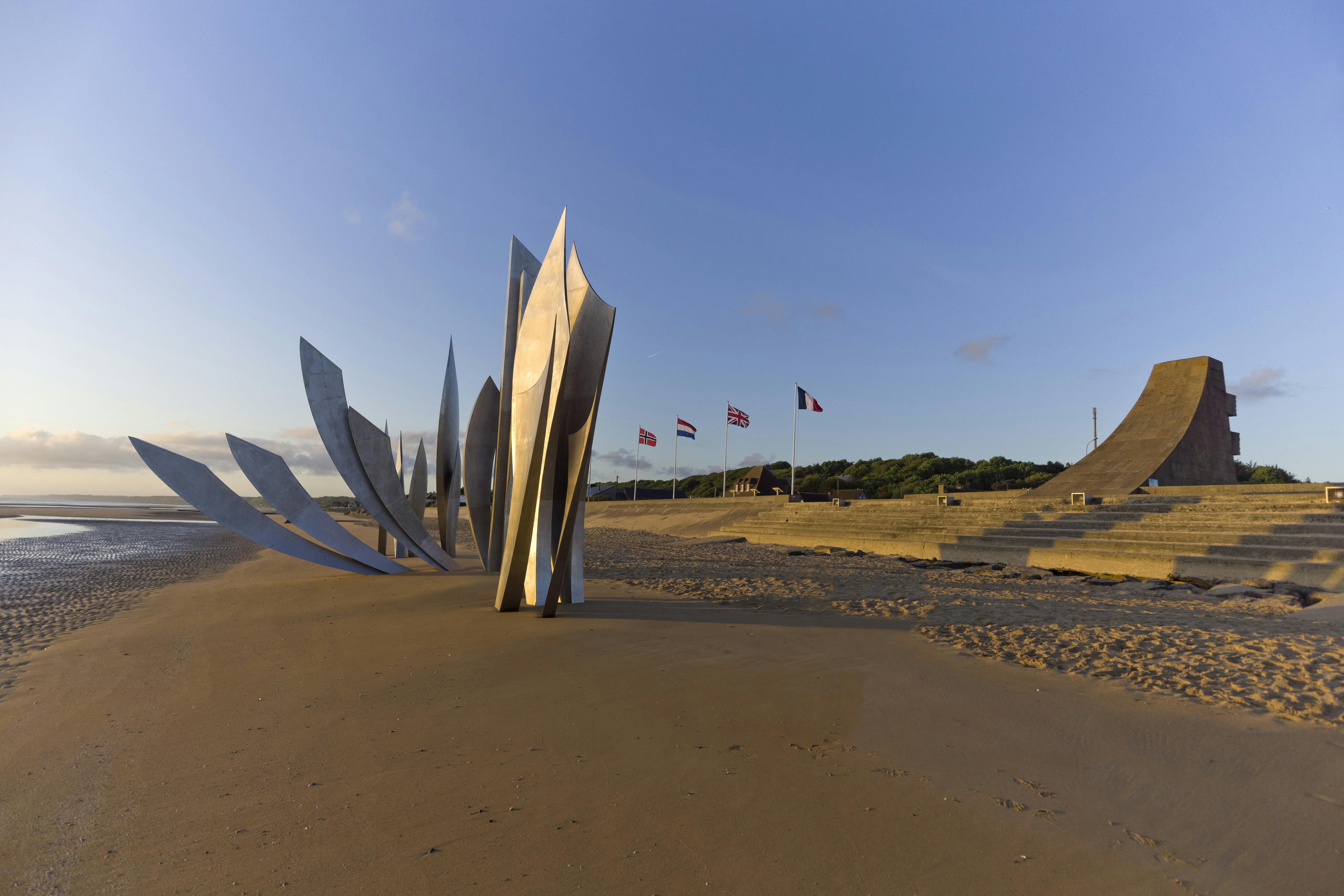
Full-Day Tour of Utah, Omaha and US Airborne Sectors – Bayeux Guided Tour France Full-day tour of Utah, Omaha and US airborne sectors is a convenient way to add structure, local context and purposeful sightseeing to the itinerary. Check current availability, inclusions and booking details before you go.
Utah National Parks Bundle Self-Guided Driving Tour United States Ultimate Utah National Parks bundle self-guided driving tour offers a nature-focused break from urban sightseeing and a closer look at the destination’s environment. Check current availability, inclusions and booking details before you go.