Virginia is one of the most rewarding travel destinations in the eastern United States, offering Blue Ridge mountain scenery, Atlantic beaches, colonial towns, presidential homes, Civil War sites, national parks, wineries, rivers, caverns, scenic drives and walkable historic cities. Known as the Old Dominion, Virginia is ideal for road trips, family holidays, romantic weekends, outdoor adventures and history-focused travel.
From Shenandoah National Park and Skyline Drive to Williamsburg, Richmond, Virginia Beach, Charlottesville, Alexandria, the Blue Ridge Parkway and the Shenandoah Valley, Virginia offers a strong mix of nature, culture and heritage. Official Virginia tourism highlights the state for Blue Ridge trails, serene lakes, picturesque beaches, small towns, wineries and outdoor adventures. 2
Why Visit Virginia?
Virginia is ideal for travellers who want variety without crossing huge distances. You can drive a mountain road in Shenandoah, explore colonial streets in Williamsburg, tour historic homes in Charlottesville and Mount Vernon, relax on the beaches of Virginia Beach, walk through Richmond’s museums and riverfront districts, or visit small towns in the Shenandoah Valley.
The state is especially strong for history and scenic driving. Shenandoah National Park is about 75 miles from Washington, D.C. and protects more than 200,000 acres with waterfalls, vistas, wildflowers, wooded hollows and wildlife such as deer, songbirds and black bear. 3
Best Places to Visit in Virginia
Shenandoah National Park
Shenandoah National Park is one of Virginia’s most beautiful natural destinations. It protects a long stretch of the Blue Ridge Mountains and offers waterfalls, scenic overlooks, forests, wildlife, hiking trails, lodges, campgrounds and one of the most famous drives in the eastern United States.
Popular things to do include driving Skyline Drive, hiking to waterfalls, walking sections of the Appalachian Trail, visiting Big Meadows, exploring Hawksbill Mountain, hiking Old Rag if properly prepared, and enjoying sunrise or sunset from mountain overlooks. The park is especially popular in autumn, when the Blue Ridge turns red, orange and gold.
Best for: mountain scenery, hiking, waterfalls, wildlife, fall foliage, photography, camping and first-time Virginia visitors.
Skyline Drive
Skyline Drive is the signature road through Shenandoah National Park. The National Park Service says Skyline Drive runs 105 miles north and south along the crest of the Blue Ridge Mountains and is the only public road through the park. It takes about three hours to drive the full length on a clear day without long stops. 4
The drive has many overlooks, trailheads and picnic areas, making it one of the easiest ways to experience Shenandoah’s scenery. Weather can affect access, so check conditions before travelling, especially in winter or after storms.
Best for: scenic drives, fall foliage, mountain views, road trips, photography and relaxed outdoor sightseeing.
Luray and Luray Caverns
Luray is a classic Shenandoah Valley base, located close to Shenandoah National Park and Skyline Drive. It is best known for Luray Caverns, one of Virginia’s most famous underground attractions, with large cave chambers, limestone formations and family-friendly tours.
Visitors can pair the caverns with Shenandoah National Park, the Shenandoah River, local museums, scenic drives and small-town dining.
Best for: caverns, families, Shenandoah Valley road trips, rainy-day activities and national park access.
Charlottesville
Charlottesville is one of Virginia’s best destinations for history, wine country, food, university culture and Blue Ridge scenery. It is home to the University of Virginia and sits close to Monticello, Shenandoah National Park, the Blue Ridge Parkway and several wineries.
Top things to do include visiting Monticello, walking the Downtown Mall, exploring local restaurants, touring wineries, visiting nearby historic homes and taking scenic drives toward the Blue Ridge Mountains.
Best for: history, wineries, food, university-town atmosphere, couples, culture and Blue Ridge day trips.
Monticello
Monticello is the historic home of Thomas Jefferson in Charlottesville and one of Virginia’s most important heritage sites. Official Monticello information lists the estate at 1050 Monticello Loop in Charlottesville, and tours explore Jefferson’s life, the home’s architecture and slavery on the plantation. 5
Visitors can tour the house, walk the grounds, visit gardens, explore Mulberry Row and learn more about the people who lived and worked at Monticello.
Best for: American history, architecture, gardens, educational travel, Charlottesville itineraries and cultural sightseeing.
Williamsburg
Williamsburg is one of the best places in the United States to experience colonial history. It is part of Virginia’s Historic Triangle, along with Jamestown and Yorktown, and offers living history, museums, historic buildings, family attractions, restaurants and nearby resorts. Visit Williamsburg provides current visitor planning information for attractions, hotels, restaurants, shopping and events. 6
Best for: colonial history, families, museums, walking, educational travel and classic Virginia heritage trips.
Colonial Williamsburg
Colonial Williamsburg is the centrepiece of the Williamsburg historic experience. It recreates and interprets life in Virginia’s colonial capital through historic streets, trades, buildings, gardens, costumed interpretation and museum experiences.
It is best visited slowly, with time for walking, exhibits, demonstrations and guided tours. Families, history lovers and first-time visitors to Virginia should strongly consider adding it to their itinerary.
Best for: living history, families, colonial architecture, walking tours and educational travel.
Jamestown
Jamestown is one of the most important historic destinations in Virginia because of its role in early English settlement in North America. Visitors can explore archaeological and interpretive sites, museums and riverfront history connected to the beginnings of colonial Virginia.
Jamestown pairs naturally with Williamsburg and Yorktown for a full Historic Triangle itinerary.
Best for: early American history, archaeology, museums, families and heritage road trips.
Yorktown
Yorktown is known for Revolutionary War history and its location along the York River. Visitors can explore battlefield sites, museums, riverfront walks, historic streets and waterfront dining.
It is a quieter but essential stop when visiting Williamsburg and Jamestown.
Best for: Revolutionary War history, riverfront walks, museums, families and Historic Triangle trips.
Virginia Beach
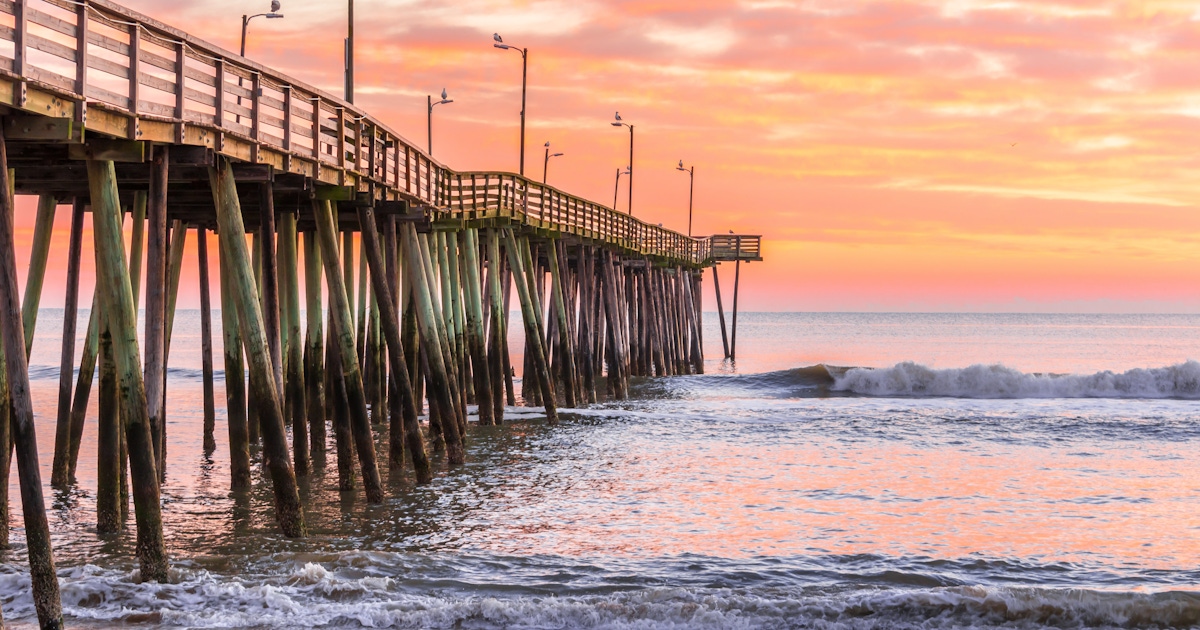
Virginia Beach is Virginia’s best-known seaside destination, offering Atlantic beaches, a long boardwalk, family attractions, restaurants, festivals, surfing, fishing, state parks and easy access to Chesapeake Bay scenery. Visit Virginia Beach highlights outdoor experiences including the boardwalk, bike-friendly trails and First Landing State Park. 7
Top things to do include walking or cycling the Virginia Beach Boardwalk, relaxing on the oceanfront, visiting the Virginia Aquarium, exploring the ViBe Creative District, heading to Sandbridge Beach and spending time at First Landing State Park.
Best for: beach holidays, families, boardwalks, seafood, surfing, cycling and coastal road trips.
First Landing State Park
First Landing State Park is one of the best natural escapes in Virginia Beach. Virginia State Parks notes that the park has 20 miles of trails and 1.5 miles of sandy Chesapeake Bay beach frontage. 8
The park is excellent for hiking, biking, beach walks, camping, picnics, nature programs, boating and calmer Chesapeake Bay views away from the busiest oceanfront area.
Best for: nature trails, beach walks, families, camping, biking, Chesapeake Bay scenery and Virginia Beach day trips.
Chincoteague Island
Chincoteague Island is one of Virginia’s most charming coastal escapes. It is known for wildlife, quiet streets, boat tours, seafood, beach access and its connection to nearby Assateague Island and wild ponies.
Visitors can enjoy birdwatching, kayaking, cycling, beach walks, wildlife drives and relaxed island dining. It is a strong choice for travellers who want a slower, nature-focused coast trip.
Best for: wildlife, birdwatching, beaches, kayaking, families, quiet coastal stays and nature photography.
Richmond
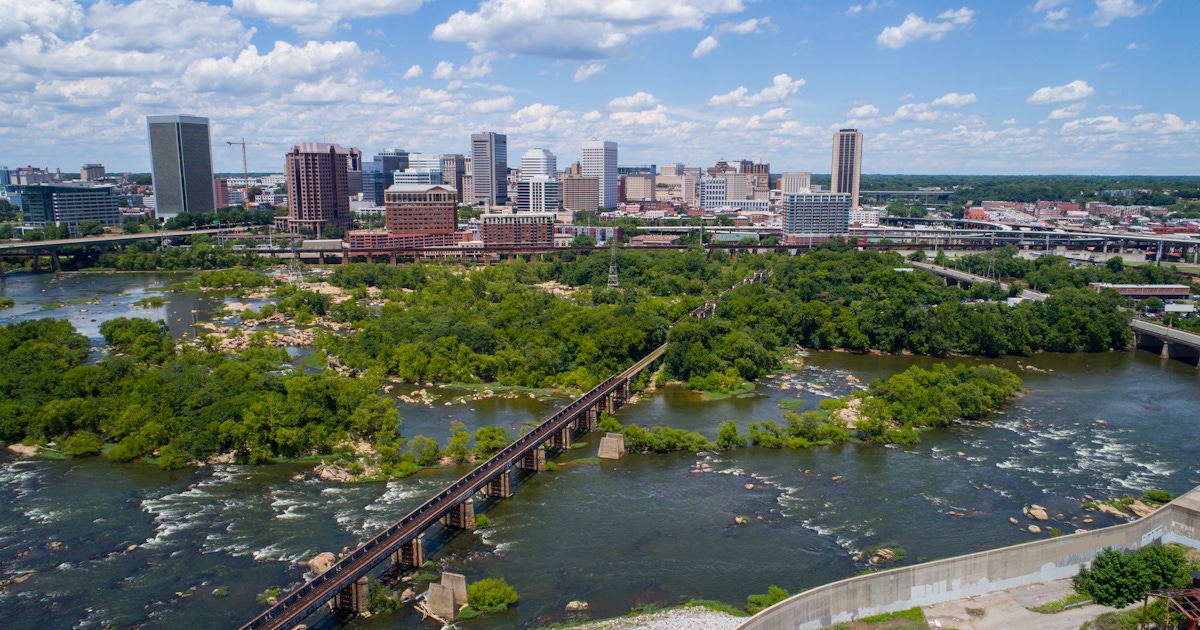
Richmond is Virginia’s capital and one of the state’s most interesting city destinations. It offers museums, Civil War and Civil Rights history, food, murals, riverfront recreation, historic neighbourhoods, breweries, gardens and a growing arts scene.
Best for: museums, food, history, murals, river walks, breweries, architecture and city breaks.
Virginia Museum of Fine Arts
The Virginia Museum of Fine Arts is one of Richmond’s standout cultural attractions and is known for broad collections, special exhibitions, sculpture gardens and free general admission. Recent local reporting also noted that VMFA has remained free to the public while many other museums have raised admission prices. 9
It is a strong stop for art lovers and also works well as a relaxed indoor activity during hot, rainy or cold weather.
Best for: art, museums, families, rainy days, cultural travel and Richmond sightseeing.
Alexandria
Alexandria is one of Virginia’s most walkable historic cities, set along the Potomac River just outside Washington, D.C. Old Town Alexandria is known for cobblestone streets, historic townhouses, waterfront dining, boutiques, galleries and easy access to Mount Vernon.
Visitors can walk King Street, explore the waterfront, take a river cruise, browse shops and use Alexandria as a base for northern Virginia and Washington-area sightseeing.
Best for: historic streets, waterfront dining, shopping, couples, walking and northern Virginia trips.
George Washington’s Mount Vernon
George Washington’s Mount Vernon is one of Virginia’s most important historic estates. Official Mount Vernon information notes that entry to the Mansion is by guided tour only and that visitors can explore the home Washington shared with Martha Washington, along with the estate grounds and museum experiences. 10
Mount Vernon pairs well with Alexandria, the Potomac River, Arlington and Washington, D.C.-area itineraries.
Best for: presidential history, gardens, river views, museums, families and northern Virginia sightseeing.
Arlington
Arlington sits across the Potomac River from Washington, D.C. and is best known for Arlington National Cemetery, memorials, skyline views and easy access to the nation’s capital.
Visitors can combine Arlington with Alexandria, Mount Vernon and Washington, D.C. for a history-rich northern Virginia itinerary.
Best for: memorials, history, city views, walking, museums nearby and Washington-area travel.
Roanoke
Roanoke is a scenic city in southwest Virginia, set near the Blue Ridge Parkway. It is known for mountain views, the Roanoke Star, museums, breweries, cycling, hiking and access to outdoor adventures.
Visitors can drive the Blue Ridge Parkway, visit Mill Mountain, explore downtown, hike nearby trails and use Roanoke as a base for the Appalachian Trail, Natural Bridge and Smith Mountain Lake.
Best for: mountain scenery, outdoor adventure, Blue Ridge Parkway access, food, cycling and southwest Virginia road trips.
Blue Ridge Parkway
The Blue Ridge Parkway begins near Shenandoah National Park in Virginia and continues south toward North Carolina. It is one of the most scenic drives in the eastern United States, passing mountain overlooks, forests, historic sites, hiking areas and small towns.
Road conditions can change after storms, maintenance and winter weather, so check current access before planning a long drive.
Best for: scenic drives, mountain views, hiking stops, photography, fall foliage and slow road trips.
Natural Bridge State Park
Natural Bridge State Park is one of Virginia’s most striking natural landmarks. Virginia State Parks describes the Natural Bridge as a 200-foot-tall limestone formation in a gorge carved by Cedar Creek, with 10 miles of hiking trails and a Cedar Creek Trail leading under the bridge toward Lace Falls. 11
The park combines geology, history, walking trails and Blue Ridge scenery, making it a strong stop between Lexington and Roanoke.
Best for: geology, short hikes, families, photography, history and Blue Ridge road trips.
Lexington
Lexington is a charming Shenandoah Valley town known for historic architecture, colleges, museums, local shops, restaurants and easy access to Natural Bridge and the Blue Ridge Parkway.
Visitors can walk the compact downtown, explore historic campuses, browse boutiques and use Lexington as a relaxed base for mountain and valley drives.
Best for: small-town charm, history, architecture, college-town atmosphere and Shenandoah Valley stays.
Staunton
Staunton is one of Virginia’s most appealing small cities, known for historic architecture, performing arts, independent shops, restaurants and Shenandoah Valley scenery.
It is a good stop between Charlottesville, Shenandoah National Park and Lexington, especially for travellers who enjoy walkable downtowns and cultural attractions.
Best for: architecture, theatre, food, small-city charm, couples and Shenandoah Valley road trips.
Winchester
Winchester is a historic town in the northern Shenandoah Valley, known for Old Town streets, Civil War history, apple country, museums and access to scenic valley drives.
It is a useful stop for travellers entering Virginia from the north or exploring the Shenandoah Valley without going deep into the Blue Ridge.
Best for: history, small-town walks, apple orchards, museums and northern Shenandoah Valley trips.
Abingdon
Abingdon is one of southwest Virginia’s best small towns, known for historic streets, theatre, restaurants, galleries and access to the Virginia Creeper Trail.
It has a refined but relaxed mountain-town feel and is ideal for travellers heading toward Damascus, Grayson Highlands or the Appalachian region.
Best for: theatre, cycling, historic streets, mountain scenery, food and southwest Virginia road trips.
Virginia Creeper Trail
The Virginia Creeper Trail is one of the best cycling and walking routes in Virginia. It runs through scenic southwest Virginia countryside, with forest, farmland, trestles, rivers and mountain views.
Many visitors ride the downhill section from Whitetop toward Damascus or Abingdon, using local shuttle services.
Best for: cycling, families, rail-trail scenery, gentle outdoor adventure and southwest Virginia travel.
Grayson Highlands State Park
Grayson Highlands State Park is one of Virginia’s most scenic mountain parks. It is known for high-elevation meadows, rocky outcrops, access to Mount Rogers, Appalachian Trail connections and wild pony viewing.
This is one of the best places in Virginia for hikers who want open mountain scenery rather than forest-only trails.
Best for: hiking, mountain views, wild ponies, Appalachian Trail access, photography and outdoor adventure.
Smith Mountain Lake
Smith Mountain Lake is one of Virginia’s most popular lake destinations, offering boating, fishing, swimming, waterfront rentals, family holidays and mountain views.
It is a good summer escape for travellers who want water recreation without going to the coast.
Best for: lake holidays, boating, fishing, families, swimming and relaxed summer stays.
Norfolk
Norfolk is a major waterfront city in the Hampton Roads region, known for naval history, museums, performing arts, waterfront dining, gardens and access to beaches and harbour cruises.
Best for: waterfront culture, museums, naval history, art, harbour views and Hampton Roads trips.
Hampton
Hampton is one of the oldest English-speaking communities in the United States and offers coastal history, museums, beaches, seafood and access to Fort Monroe.
It works well as part of a Hampton Roads itinerary with Norfolk, Virginia Beach, Newport News and Williamsburg.
Best for: coastal history, museums, beaches, family trips and Hampton Roads travel.
Chesapeake Bay Region
Virginia’s Chesapeake Bay region offers quiet waterfront towns, fishing villages, wildlife areas, seafood, kayaking, sailing and slower coastal scenery. The Northern Neck, Middle Peninsula and Eastern Shore are especially appealing for travellers who enjoy low-key coastal road trips.
Popular experiences include eating oysters, visiting small towns, taking boat tours, exploring wildlife refuges and enjoying peaceful bay sunsets.
Best for: seafood, kayaking, birdwatching, quiet coastal drives, romantic stays and slow travel.
Best Beaches in Virginia
Virginia Beach Oceanfront: Best for boardwalks, family resorts, restaurants, events and classic beach holidays.
Sandbridge Beach: Best for quieter beach rentals, dunes, families and a more relaxed coastal stay.
Chincoteague Island: Best for wildlife, ponies nearby, birdwatching and nature-focused beach trips.
First Landing State Park: Best for Chesapeake Bay beach walks, trails and calmer water scenery.
Cape Charles: Best for a charming small-town beach feel on the Eastern Shore.
Assateague Island area: Best for wild beach scenery, wildlife and natural coastal landscapes.
Norfolk beaches: Best for bayfront swimming, local seafood and Hampton Roads stays.
Best State Parks in Virginia
First Landing State Park: Best for Virginia Beach trails, Chesapeake Bay beach frontage, camping and family activities.
Natural Bridge State Park: Best for limestone gorge scenery, short hikes, geology and Blue Ridge road trips.
Grayson Highlands State Park: Best for mountain views, hiking, wild ponies and Appalachian Trail access.
Fairy Stone State Park: Best for lake recreation, cabins, camping and family holidays near the Blue Ridge. 12
Sky Meadows State Park: Best for northern Virginia hiking, countryside views and access to the Appalachian Trail.
Hungry Mother State Park: Best for lake activities, cabins, trails and southwest Virginia scenery.
Pocahontas State Park: Best for Richmond-area mountain biking, walking, camping and outdoor recreation.
Westmoreland State Park: Best for Potomac River views, fossils, cabins and Northern Neck getaways.
Best Places in Virginia for Families
Williamsburg: Colonial Williamsburg, Jamestown, Yorktown, Busch Gardens and family resorts.
Virginia Beach: Boardwalk, beaches, aquarium, parks, cycling and oceanfront hotels.
Shenandoah National Park: Scenic drives, waterfalls, wildlife and family-friendly trails.
Richmond: Museums, river walks, gardens, murals and family-friendly food districts.
Charlottesville: Monticello, wineries with outdoor space, mountain drives and local food.
Luray: Caverns, Shenandoah access, small-town stays and valley scenery.
Natural Bridge: Short hikes, dramatic geology and Blue Ridge road-trip appeal.
Smith Mountain Lake: Boating, swimming, rentals and summer family holidays.
Best Small Towns to Visit in Virginia
Lexington: Historic streets, college-town charm, museums and Natural Bridge access.
Staunton: Architecture, theatre, food and Shenandoah Valley character.
Abingdon: Theatre, historic streets, galleries and Virginia Creeper Trail access.
Middleburg: Horse country, wineries, boutiques and countryside inns.
Winchester: Old Town charm, apple country, Civil War history and valley scenery.
Chincoteague: Wildlife, seafood, quiet island stays and beach access.
Cape Charles: Eastern Shore charm, bay beaches, sunsets and seafood.
Floyd: Music, Blue Ridge scenery, local food and creative mountain culture.
Farmville: Trails, college-town energy, local shops and central Virginia charm.
Occoquan: Riverfront shops, historic streets and northern Virginia day-trip appeal.
Best Outdoor Adventures in Virginia
Drive Skyline Drive: Follow the Blue Ridge crest through Shenandoah National Park.
Hike in Shenandoah: Try waterfall trails, overlook hikes, Appalachian Trail sections or challenging routes such as Old Rag if prepared.
Cycle the Virginia Creeper Trail: Ride through forests, trestles and mountain scenery in southwest Virginia.
Explore Natural Bridge: Walk through the limestone gorge and along Cedar Creek Trail.
Visit Grayson Highlands: Hike highland meadows and look for wild ponies.
Kayak the Chesapeake Bay: Paddle quiet creeks, marshes and wildlife-rich waterways.
Beach-hop Virginia Beach: Explore the oceanfront, Sandbridge and First Landing State Park.
Drive the Blue Ridge Parkway: Enjoy mountain overlooks, hiking stops and slow scenic travel.
Go boating at Smith Mountain Lake: Enjoy lake recreation with mountain views.
Walk Richmond’s James River trails: Combine city views with riverfront nature.
Best Scenic Drives in Virginia
Skyline Drive: Best for Shenandoah National Park, Blue Ridge views and fall foliage.
Blue Ridge Parkway: Best for mountain overlooks, slow road trips and southwest Virginia scenery.
Colonial Parkway: Best for Williamsburg, Jamestown, Yorktown and Historic Triangle travel.
George Washington Memorial Parkway: Best for Mount Vernon, Alexandria and Potomac River views.
Route 11 through the Shenandoah Valley: Best for small towns, farms, caverns and historic stops.
Virginia Eastern Shore drive: Best for coastal villages, seafood, marshes and Chesapeake Bay scenery.
Crooked Road music route: Best for southwest Virginia music heritage, mountain towns and culture.
Nelson 151 route: Best for wineries, breweries, cideries and Blue Ridge views near Charlottesville.
Best Places in Virginia for History and Culture
Williamsburg: Colonial history, living history, museums and the Historic Triangle.
Jamestown: Early colonial history, archaeology and riverfront heritage.
Yorktown: Revolutionary War history, battlefield sites and York River scenery.
Richmond: State history, Civil War sites, museums, murals and riverfront culture.
Monticello: Thomas Jefferson’s home, architecture, gardens and plantation history.
Mount Vernon: George Washington’s estate, mansion tour, museum experiences and Potomac views.
Alexandria: Historic streets, waterfront, architecture and northern Virginia heritage.
Arlington: National memorials, cemetery landscapes and Washington-area history.
Staunton: Historic architecture, theatre and Shenandoah Valley culture.
Abingdon: Appalachian heritage, theatre and mountain-town culture.
Best Places in Virginia for Food Lovers
Richmond: Best for modern Southern food, breweries, bakeries, markets and creative restaurants.
Charlottesville: Best for wineries, farm-to-table restaurants, bakeries and Blue Ridge dining.
Virginia Beach: Best for seafood, oyster bars, beach cafes and casual coastal dining.
Alexandria: Best for waterfront dining, historic taverns, cafes and international food.
Norfolk: Best for seafood, craft beer, waterfront restaurants and arts-district dining.
Williamsburg: Best for tavern dining, family restaurants, colonial-style meals and resort food.
Shenandoah Valley: Best for farm markets, cideries, wineries, comfort food and small-town cafes.
Southwest Virginia: Best for Appalachian food, barbecue, local music venues and country diners.
Best Time to Visit Virginia
Virginia can be visited year-round, but the best season depends on your itinerary.
Spring: Excellent for gardens, historic towns, wineries, waterfalls, Shenandoah wildflowers and comfortable city sightseeing.
Summer: Best for Virginia Beach, Chesapeake Bay, Smith Mountain Lake, family holidays and mountain escapes.
Autumn: Ideal for Skyline Drive, Shenandoah National Park, the Blue Ridge Parkway, wineries, apple orchards and fall foliage.
Winter: Good for museums, historic cities, cosy mountain stays, quieter beaches and northern Virginia sightseeing.
For a first Virginia road trip, spring and autumn are usually the easiest seasons. Summer is best for beaches and lakes, while autumn is the classic season for Shenandoah and Blue Ridge scenery.
Suggested 7-Day Virginia Road Trip Itinerary
Day 1: Alexandria and Mount Vernon
Start in northern Virginia. Walk Old Town Alexandria, enjoy the Potomac waterfront and visit George Washington’s Mount Vernon.
Day 2: Shenandoah National Park and Skyline Drive
Drive to Shenandoah National Park. Spend the day on Skyline Drive, stopping at overlooks and choosing a short waterfall or viewpoint hike.
Day 3: Luray, Staunton or Charlottesville
Visit Luray Caverns or continue through the Shenandoah Valley toward Staunton or Charlottesville. Enjoy a walkable downtown, local food and mountain views.
Day 4: Charlottesville and Monticello
Tour Monticello, explore Charlottesville’s Downtown Mall and add a winery, orchard or Blue Ridge scenic drive if time allows.
Day 5: Richmond
Travel to Richmond. Visit the Virginia Museum of Fine Arts, walk along the James River, explore Carytown or learn about the city’s layered history through museums and historic districts.
Day 6: Williamsburg, Jamestown and Yorktown
Drive to the Historic Triangle. Visit Colonial Williamsburg, then add Jamestown or Yorktown depending on your interests and available time.
Day 7: Virginia Beach
Finish at the coast. Walk the Virginia Beach Boardwalk, relax on the sand, explore First Landing State Park or head to Sandbridge for a quieter beach experience.
Longer 10-Day Virginia Itinerary
Days 1 to 2: Alexandria, Mount Vernon, Arlington and northern Virginia historic sites.
Day 3: Shenandoah National Park, Skyline Drive, waterfalls and mountain overlooks.
Day 4: Luray, Winchester, Staunton or Shenandoah Valley towns.
Day 5: Charlottesville, Monticello, wineries and Blue Ridge scenery.
Day 6: Richmond, museums, James River walks, Carytown and historic neighbourhoods.
Day 7: Williamsburg and Colonial Williamsburg.
Day 8: Jamestown, Yorktown and Colonial Parkway.
Day 9: Norfolk, Hampton or Chesapeake Bay waterfront areas.
Day 10: Virginia Beach, First Landing State Park, Sandbridge or the Eastern Shore.
Travel Tips for Visiting Virginia
Rent a car: Virginia is best explored by road, especially for Shenandoah, the Blue Ridge, Williamsburg, beaches and small towns.
Check Skyline Drive conditions: Weather can close sections of the road, especially in winter or after storms.
Book popular stays early: Virginia Beach, Williamsburg, Shenandoah lodges, Charlottesville and fall foliage towns can fill during peak periods.
Plan for history: Williamsburg, Jamestown, Yorktown, Richmond, Monticello and Mount Vernon are best visited slowly.
Wear comfortable shoes: Historic streets, trails, museums, campuses and waterfront areas involve a lot of walking.
Pack layers: Blue Ridge elevations can be cooler than the coast and cities.
Respect natural areas: Stay on trails, keep distance from wildlife and follow park rules in Shenandoah and state parks.
Try local food: Look for Virginia ham, oysters, blue crab, peanuts, Brunswick stew, barbecue, cider, wine, craft beer and apple doughnuts.
Mix regions: A strong Virginia itinerary includes at least one mountain area, one historic town, one city and one coastal destination.
Final Thoughts on the Best Places to Visit in Virginia
Virginia is one of the most varied states in the eastern United States, offering mountains, beaches, historic towns, presidential homes, wineries, museums, national parks, rivers and scenic drives. It is equally suited to family holidays, romantic weekends, road trips, outdoor adventures and history-focused travel.
For a first visit, consider Shenandoah National Park, Skyline Drive, Charlottesville, Monticello, Richmond, Williamsburg, Jamestown, Yorktown, Virginia Beach, Alexandria and Mount Vernon. Travellers with more time should add Luray, Staunton, Lexington, Natural Bridge, Roanoke, Abingdon, Grayson Highlands, Chincoteague Island, Norfolk and the Chesapeake Bay region.
Whether you are planning a Blue Ridge road trip, beach holiday, colonial history itinerary, wine-country weekend or family adventure, Virginia offers memorable places to visit in every season.
Frequently Asked Questions About Visiting Virginia
What is the prettiest place in Virginia?
Some of the prettiest places in Virginia include Shenandoah National Park, Skyline Drive, the Blue Ridge Parkway, Natural Bridge, Grayson Highlands State Park, Luray, Charlottesville wine country, Chincoteague Island and the Chesapeake Bay region.
What is Virginia best known for?
Virginia is best known for Shenandoah National Park, Skyline Drive, Williamsburg, Jamestown, Yorktown, Virginia Beach, Richmond, Charlottesville, Monticello, Mount Vernon, Civil War history, wineries, Blue Ridge scenery and Chesapeake Bay seafood.
Is Virginia good for a family holiday?
Yes, Virginia is excellent for families. Families can visit Williamsburg, Jamestown, Yorktown, Virginia Beach, Shenandoah National Park, Luray Caverns, Richmond museums, Natural Bridge, First Landing State Park and Smith Mountain Lake.
How many days do you need to visit Virginia?
You can enjoy one region in 3 to 4 days, such as Williamsburg and Virginia Beach, Shenandoah and Charlottesville, or Alexandria and Mount Vernon. For a broader road trip covering mountains, history, cities and coast, 7 to 10 days is ideal.
What is the best time of year to visit Virginia?
Spring and autumn are the best overall seasons for Virginia because the weather is comfortable and scenery is strong. Summer is best for beaches and lakes, while autumn is ideal for Skyline Drive, Shenandoah and Blue Ridge foliage.
Is Virginia good for a road trip?
Yes, Virginia is excellent for road trips. Popular routes include Skyline Drive, the Blue Ridge Parkway, the Colonial Parkway, the Shenandoah Valley, the Eastern Shore, the George Washington Memorial Parkway and the route from Richmond to Williamsburg and Virginia Beach.
Where should first-time visitors go in Virginia?
First-time visitors should consider Shenandoah National Park, Skyline Drive, Charlottesville, Monticello, Richmond, Williamsburg, Jamestown, Yorktown, Virginia Beach, Alexandria and Mount Vernon.
Does Virginia have good hiking?
Yes, Virginia has excellent hiking, especially in Shenandoah National Park, along the Appalachian Trail, in Grayson Highlands, Natural Bridge, the Blue Ridge Parkway region, Great Falls Park, Sky Meadows and southwest Virginia.
What are the best small towns in Virginia?
Some of the best small towns in Virginia include Lexington, Staunton, Abingdon, Middleburg, Winchester, Chincoteague, Cape Charles, Floyd, Farmville and Occoquan.
What should I pack for a Virginia trip?
Pack comfortable walking shoes, layered clothing, sun protection, insect repellent, a refillable water bottle and weather-appropriate clothing. For Shenandoah and the Blue Ridge, bring sturdy shoes and layers. For Virginia Beach and the Eastern Shore, bring swimwear, sandals, sunscreen and a light jacket for breezy evenings.
Sponsored Popular Items
Quick take: Musement.com offers a worldwide selection of tours and attractions
Richmond Virginia Tours & Experiences Guide United States Richmond Virginia What You Can Book + Direct Links Richmond is a history-rich Virginia capital with riverfront scenery. Check current availability, inclusions and booking details before you go.
Virginia Beach Tours & Activities Guide United States Virginia Beach Things to Do (Quick Summary + Direct Links) Virginia Beach sits where the Chesapeake Bay meets the Atlantic Ocean—beaches, easy coastal day-trip. Check current availability, inclusions and booking details before you go.
Christmastide in Virginia Guided Tour United States Discover the history of Christmas in Virginia while exploring the handcrafted decorations that adorn the historic buildings. Check current availability, inclusions and booking details before you go.