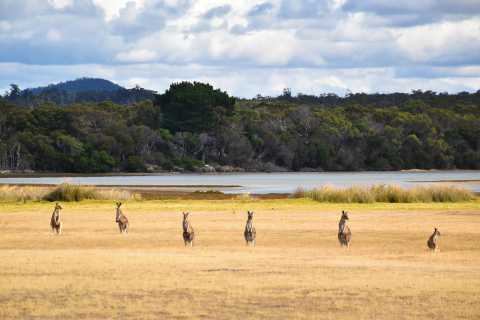
Tasmania is one of Australia’s most beautiful and distinctive travel destinations. This island state is known for wild coastlines, cool-climate food and wine, heritage towns, convict history, alpine wilderness, ancient forests, dramatic mountains, wildlife, beaches and peaceful road trips.
From Hobart’s waterfront and Salamanca Market to Cradle Mountain, Freycinet National Park, Bruny Island, the Bay of Fires and the rugged West Coast, Tasmania is ideal for travellers who enjoy nature, food, history and scenic drives.
Whether you are planning a romantic escape, a family holiday, a walking trip, a food and wine weekend or a longer self-drive adventure, this guide covers the best places to visit in Tasmania.
Hobart
Hobart is Tasmania’s capital and one of Australia’s most atmospheric small cities. Set between the River Derwent and kunanyi / Mount Wellington, it offers historic streets, waterfront dining, galleries, markets, gardens, harbour views and easy access to nearby day trips.
Best things to do: Visit Salamanca Market, explore Battery Point, wander the waterfront, enjoy fresh seafood, visit the Tasmanian Museum and Art Gallery, and drive or walk on kunanyi / Mount Wellington.
Why visit: Hobart combines heritage, food, art, scenery and a relaxed waterfront lifestyle.
Best time to go: Spring and autumn are ideal for sightseeing, while summer is popular for festivals, markets and outdoor dining.
Good for: Couples, families, food lovers, history lovers, art lovers and first-time visitors to Tasmania.
kunanyi / Mount Wellington
Rising above Hobart, kunanyi / Mount Wellington is one of the best places to enjoy sweeping views over the city, river, islands and surrounding wilderness. The mountain can be visited by road, but it is also popular for walking, cycling and photography.
Best things to do: Drive to the summit, stop at lookouts, walk short trails, enjoy views over Hobart and visit in different weather for dramatic scenery.
Why visit: It offers one of the easiest and most memorable nature experiences close to Hobart.
Best time to go: Clear days are best for views, but conditions can change quickly at higher altitude.
Good for: Photographers, couples, walkers, nature lovers and short trips from Hobart.
MONA
The Museum of Old and New Art, known as MONA, is one of Tasmania’s most famous cultural attractions. Located north of Hobart, it offers bold contemporary art, unusual exhibitions, architecture, dining and a memorable ferry trip along the River Derwent.
Best things to do: Take the ferry from Hobart, explore the galleries, enjoy the grounds, dine on site and combine the visit with nearby wine or food experiences.
Why visit: MONA is one of Australia’s most distinctive art experiences and adds a modern cultural edge to a Hobart stay.
Best time to go: It can be visited year-round, making it a good option in any season.
Good for: Art lovers, couples, adults, culture travellers and rainy-day sightseeing.
Port Arthur and the Tasman Peninsula
Port Arthur is one of Australia’s most important historic sites and a key destination for understanding Tasmania’s convict past. The surrounding Tasman Peninsula adds dramatic sea cliffs, coastal walks, wildlife cruises and natural rock formations.
Best things to do: Visit the Port Arthur Historic Site, see the Tessellated Pavement, Tasman Arch and Devil’s Kitchen, walk coastal trails and consider a wildlife or sea cliff cruise.
Why visit: This region combines history, rugged coastline and some of Tasmania’s most dramatic coastal scenery.
Best time to go: Spring, summer and autumn are ideal for walking and coastal touring.
Good for: History lovers, families, couples, walkers, photographers and day trips from Hobart.
Bruny Island
Bruny Island is a beautiful island escape south of Hobart, known for beaches, wildlife, local produce, sea cliffs, forest walks and sweeping coastal views. It is reached by ferry from Kettering and is best enjoyed slowly, either as a long day trip or overnight stay.
Best things to do: Visit The Neck lookout, taste local cheese, oysters and chocolate, explore South Bruny National Park, walk to Cape Bruny Lighthouse and join a wilderness cruise.
Why visit: Bruny Island offers food, wildlife, beaches and wild coastal scenery close to Hobart.
Best time to go: Summer is popular for beaches, while autumn and spring are excellent for food, walks and quieter travel.
Good for: Couples, food lovers, families, wildlife lovers, photographers and island escapes.
Freycinet National Park and Wineglass Bay
Freycinet National Park is one of Tasmania’s most famous coastal destinations. Its pink granite peaks, clear water, white beaches and walking trails make it a highlight of the East Coast. Wineglass Bay is the star attraction and one of the most photographed views in Tasmania.
Best things to do: Walk to the Wineglass Bay lookout, visit Honeymoon Bay, explore Cape Tourville, kayak if conditions suit and stay in or near Coles Bay.
Why visit: Freycinet offers a classic mix of beaches, mountains, coastal walks and spectacular views.
Best time to go: Spring and autumn are excellent for walking, while summer is best for swimming and beach time.
Good for: Couples, walkers, photographers, families, beach lovers and road trippers.
Coles Bay
Coles Bay is the main village beside Freycinet National Park and a convenient base for exploring Wineglass Bay and the surrounding coastline. It has a quiet holiday feel and beautiful views across Great Oyster Bay.
Best things to do: Stay near the water, take scenic photos of the Hazards, join a kayak tour, visit local beaches and use the village as a base for Freycinet walks.
Why visit: Coles Bay gives travellers easy access to one of Tasmania’s most beautiful national parks.
Best time to go: Summer is lively and beach-focused, while spring and autumn are ideal for a quieter stay.
Good for: Couples, families, walkers, nature lovers and East Coast holidays.
Bay of Fires
The Bay of Fires is famous for clear blue water, white sand and orange-lichen-covered granite rocks. Located on Tasmania’s north-east coast, it is one of the most visually striking coastal areas in the state and is ideal for relaxed beach walks, photography and scenic touring.
Best things to do: Visit Binalong Bay, explore coastal beaches, photograph the orange rocks, swim in clear water and take time to enjoy quiet seaside scenery.
Why visit: The Bay of Fires is one of Tasmania’s most beautiful coastal regions and perfect for a peaceful escape.
Best time to go: Summer is best for swimming, while spring and autumn are excellent for walking and photography.
Good for: Couples, photographers, beach lovers, walkers, families and road trippers.
St Helens and Binalong Bay
St Helens is a practical base for exploring the Bay of Fires and the north-east coast. Nearby Binalong Bay is especially scenic, with bright sand, clear water and easy access to the region’s famous orange rocks.
Best things to do: Visit Binalong Bay, explore beaches north of town, enjoy seafood, take coastal drives and use St Helens as a base for the East Coast.
Why visit: St Helens and Binalong Bay are ideal for travellers wanting beach scenery with convenient facilities nearby.
Best time to go: Summer is popular for beach holidays, while autumn offers calmer conditions and fewer crowds.
Good for: Families, couples, beach lovers, seafood lovers and coastal road trips.
Maria Island
Maria Island is a peaceful national park island off Tasmania’s east coast. It is known for wildlife, convict history, walking tracks, fossil cliffs, beaches and a car-free atmosphere. Visitors arrive by ferry from Triabunna and explore on foot or by bike.
Best things to do: Walk to the Painted Cliffs, see wildlife, explore Darlington’s historic buildings, cycle around the island and enjoy quiet beaches.
Why visit: Maria Island is one of Tasmania’s best places for wildlife, walking and peaceful island scenery.
Best time to go: Spring, summer and autumn are best for walking, cycling and ferry-based day trips.
Good for: Families, walkers, cyclists, wildlife lovers, history lovers and nature travellers.
Launceston
Launceston is Tasmania’s second-largest city and a charming base in the island’s north. It offers heritage architecture, parks, restaurants, cool-climate wine nearby and easy access to Cataract Gorge, one of the city’s most loved natural attractions.
Best things to do: Visit Cataract Gorge, explore City Park, enjoy local restaurants, admire historic streets and take day trips to the Tamar Valley.
Why visit: Launceston combines city comfort, heritage and nature in a compact and easy-to-explore setting.
Best time to go: Spring and autumn are ideal for sightseeing, gardens and nearby wine touring.
Good for: Couples, families, food lovers, wine lovers, history lovers and northern Tasmania road trips.
Cataract Gorge
Cataract Gorge is one of Launceston’s standout attractions and is only a short distance from the city centre. It features walking paths, cliffs, gardens, a suspension bridge, swimming areas and scenic lookouts.
Best things to do: Walk the gorge trails, cross the suspension bridge, enjoy the gardens, take the chairlift and relax by the water.
Why visit: Cataract Gorge is a rare natural attraction so close to a city centre.
Best time to go: It can be visited year-round, with spring and summer especially pleasant for outdoor time.
Good for: Families, couples, walkers, photographers and easy sightseeing in Launceston.
Tamar Valley
The Tamar Valley is one of Tasmania’s best food and wine regions, stretching north from Launceston toward the coast. It is known for cool-climate wines, cellar doors, river scenery, orchards, lavender fields and relaxed rural drives.
Best things to do: Visit wineries, enjoy a long lunch, drive along the river, explore small towns and stop at local produce stores.
Why visit: The Tamar Valley is ideal for food and wine lovers who want an easy day trip from Launceston.
Best time to go: Autumn and spring are excellent for wine tasting and countryside scenery.
Good for: Couples, food lovers, wine lovers, scenic drivers and relaxed weekends.
Cradle Mountain-Lake St Clair National Park
Cradle Mountain-Lake St Clair National Park is one of Tasmania’s most iconic wilderness areas. It is part of the Tasmanian Wilderness World Heritage Area and is known for alpine scenery, glacial lakes, ancient rainforest, wildlife and world-class walking tracks.
Best things to do: Walk around Dove Lake, see Cradle Mountain, explore short rainforest walks, look for wombats and consider longer hikes such as sections of the Overland Track.
Why visit: Cradle Mountain is one of Australia’s great wilderness destinations and a must-see for nature lovers.
Best time to go: Summer and autumn are popular for walking, while winter offers snow-dusted scenery for prepared travellers.
Good for: Walkers, photographers, nature lovers, couples, wildlife watchers and adventure travellers.
Lake St Clair
Lake St Clair sits at the southern end of Cradle Mountain-Lake St Clair National Park and is Australia’s deepest lake. It has a quieter atmosphere than the Cradle Mountain area and is an excellent place for forest walks, lake views and wilderness experiences.
Best things to do: Walk lakeside trails, take in mountain views, enjoy peaceful forest scenery and use the area as the finish point for the Overland Track.
Why visit: Lake St Clair offers a calm and atmospheric wilderness experience in central Tasmania.
Best time to go: Spring, summer and autumn are best for walking and lake views.
Good for: Nature lovers, walkers, couples, photographers and quiet wilderness escapes.
Strahan and the West Coast
Strahan is a picturesque harbour town on Tasmania’s wild West Coast. It is known for Macquarie Harbour, rainforest, convict history, river cruises and access to some of the island’s most remote scenery.
Best things to do: Cruise the Gordon River, visit Sarah Island, walk along Ocean Beach, explore the waterfront and enjoy the dramatic atmosphere of the West Coast.
Why visit: Strahan is one of the best bases for experiencing Tasmania’s wild western wilderness.
Best time to go: Summer and autumn are popular for cruises and road trips, while winter feels moody and atmospheric.
Good for: Couples, nature lovers, history lovers, photographers and road trippers.
Queenstown
Queenstown is one of Tasmania’s most distinctive towns, surrounded by dramatic, rugged hills shaped by mining history. It has a raw and unusual landscape that feels very different from the forests and beaches elsewhere on the island.
Best things to do: Explore the town’s mining history, ride the West Coast Wilderness Railway if available, drive scenic roads and photograph the surrounding hills.
Why visit: Queenstown offers a unique look at Tasmania’s mining heritage and wild western landscapes.
Best time to go: Spring, summer and autumn are easiest for road touring, though the area has character year-round.
Good for: History lovers, photographers, road trippers and travellers seeking something different.
Mount Field National Park
Mount Field National Park is one of Tasmania’s oldest national parks and an easy nature escape from Hobart. It is known for waterfalls, tall trees, rainforest walks, alpine scenery and wildlife.
Best things to do: Visit Russell Falls, walk among tall trees, explore forest tracks and continue higher into the park for alpine scenery if conditions allow.
Why visit: Mount Field offers waterfalls and rainforest within a manageable distance of Hobart.
Best time to go: It can be visited year-round, with spring and autumn especially lovely for walking.
Good for: Families, couples, walkers, photographers and day trips from Hobart.
Richmond
Richmond is one of Tasmania’s most charming historic villages. Located near Hobart, it is known for colonial buildings, galleries, cafes, antique shops and Australia’s oldest stone bridge still in use.
Best things to do: Walk across Richmond Bridge, browse boutiques, visit historic sites, enjoy cafes and combine the village with a Coal River Valley wine trip.
Why visit: Richmond is easy to reach from Hobart and offers a gentle heritage experience.
Best time to go: Spring and autumn are ideal for walking and countryside touring.
Good for: Couples, families, history lovers, shoppers and easy day trips from Hobart.
Huon Valley
The Huon Valley is a beautiful region south of Hobart, known for orchards, cider, rivers, forests, small towns and access to Tasmania’s far south. It is a relaxing area for food, scenery and slower travel.
Best things to do: Visit local cider producers, explore Huonville and Cygnet, drive through farmland and forests, and continue toward the Tahune region or southern coastal areas.
Why visit: The Huon Valley offers food, countryside and peaceful scenery close to Hobart.
Best time to go: Autumn is especially appealing for orchards, produce and country drives.
Good for: Food lovers, couples, scenic drivers, families and slow travel.
Stanley and The Nut
Stanley is a beautiful historic village on Tasmania’s north-west coast, best known for The Nut, a dramatic volcanic plug rising above the town. The area has coastal charm, heritage buildings, wildlife and sweeping views.
Best things to do: Walk or take the chairlift up The Nut, explore Stanley’s historic streets, visit beaches and enjoy fresh local produce.
Why visit: Stanley is one of Tasmania’s prettiest small towns and a highlight of the north-west coast.
Best time to go: Spring, summer and autumn are best for coastal views and walking.
Good for: Couples, photographers, history lovers, road trippers and coastal escapes.
Devonport
Devonport is a key arrival point for many travellers coming to Tasmania by ferry. It is also a useful base for exploring the north-west, with beaches, coastal walks, cafes and nearby attractions.
Best things to do: Walk along the Mersey Bluff, visit local beaches, explore cafes and use the city as a starting point for Cradle Mountain, Sheffield, Stanley or the north-west coast.
Why visit: Devonport is a practical and pleasant gateway to northern Tasmania.
Best time to go: Spring to autumn is ideal for coastal walks and road trips.
Good for: Families, ferry travellers, road trippers and north-west Tasmania itineraries.
Sheffield
Sheffield is known as Tasmania’s town of murals and is a popular stop on the way to Cradle Mountain. Its colourful murals, mountain views and small-town atmosphere make it a pleasant detour on a northern Tasmania road trip.
Best things to do: Walk around the town murals, visit local cafes, browse shops and enjoy views toward Mount Roland.
Why visit: Sheffield adds art, colour and country charm to a Cradle Mountain journey.
Best time to go: It can be visited year-round, with spring and autumn especially comfortable for walking.
Good for: Road trippers, families, photographers and travellers heading to Cradle Mountain.
Flinders Island
Flinders Island is a remote island in Bass Strait, known for wild beaches, granite mountains, wildlife, walking tracks and a peaceful off-the-beaten-path atmosphere. It is a wonderful choice for travellers who want a quieter and more adventurous island escape.
Best things to do: Walk coastal tracks, climb or view Strzelecki Peaks, explore beaches, enjoy local produce and experience a slower island pace.
Why visit: Flinders Island offers remote natural beauty and a strong sense of escape.
Best time to go: Spring, summer and autumn are best for walking, beaches and scenic touring.
Good for: Nature lovers, walkers, couples, photographers and travellers seeking solitude.
King Island
King Island is famous for produce, rugged coastline, surf, golf and a remote Bass Strait setting. It has a strong food identity and appeals to travellers who enjoy windswept scenery, quiet roads and local flavours.
Best things to do: Taste local produce, explore coastal lookouts, visit beaches, play golf if that interests you and enjoy the island’s slow pace.
Why visit: King Island is ideal for food lovers and travellers looking for a remote island experience.
Best time to go: Spring to autumn is best for touring, food experiences and coastal exploring.
Good for: Food lovers, golfers, couples, photographers and quiet island escapes.
Best Road Trips in Tasmania
Tasmania is one of Australia’s best road trip destinations because distances are manageable and the scenery changes quickly. Even short drives can include beaches, mountains, forests, historic towns and farm-gate produce.
Hobart to Freycinet: A classic East Coast drive through Orford, Swansea, Coles Bay and Wineglass Bay.
Great Eastern Drive: A scenic coastal route linking beaches, seafood towns, Maria Island, Freycinet, Bicheno, St Helens and the Bay of Fires.
Hobart to Bruny Island: A short island escape with food, wildlife, beaches and sea cliffs.
Hobart to Port Arthur: A rewarding trip through the Tasman Peninsula, combining history and dramatic coastal scenery.
Launceston to Cradle Mountain: A northern route through heritage towns, farmland and alpine wilderness.
West Coast road trip: Explore Queenstown, Strahan, rainforest, harbour scenery and remote wilderness.
North-west coast route: Visit Devonport, Sheffield, Stanley, The Nut and coastal towns.
Full Tasmania loop: Combine Hobart, the East Coast, Launceston, Cradle Mountain, the West Coast and the south for a longer island-wide itinerary.
Best Places to Visit in Tasmania for Families
Families will find plenty of rewarding places to visit in Tasmania. Hobart is a great starting point with markets, museums, waterfront walks, kunanyi / Mount Wellington and easy day trips. Bruny Island is excellent for wildlife, beaches and local produce, while Port Arthur and the Tasman Peninsula combine history with dramatic coastal scenery.
Launceston is another strong family base thanks to Cataract Gorge and nearby food and wine regions. Freycinet, Bay of Fires, Devonport, Stanley and Mount Field National Park are also good choices for families who enjoy short walks, beaches, wildlife and scenic drives.
Best Places to Visit in Tasmania for Couples
Tasmania is ideal for romantic escapes. Hobart offers boutique accommodation, waterfront dining, galleries and mountain views. Bruny Island, Freycinet, Coles Bay, Bay of Fires and Stanley are excellent for coastal romance, while the Tamar Valley and Huon Valley suit couples who enjoy food, wine and countryside scenery.
For a more atmospheric wilderness escape, consider Cradle Mountain, Lake St Clair, Strahan or the West Coast. These areas offer cosy stays, dramatic landscapes and a slower pace.
Best Places to Visit in Tasmania for Nature Lovers
Nature lovers should place Cradle Mountain-Lake St Clair National Park, Freycinet National Park, Bruny Island, Maria Island, Mount Field National Park, the Bay of Fires and the West Coast high on their list. These destinations offer mountains, beaches, rainforest, wildlife, waterfalls and walking trails.
For remote natural beauty, Flinders Island and King Island are also excellent options. Travellers who enjoy wilderness scenery should allow time for the West Coast, Lake St Clair and the alpine regions of central Tasmania.
Best Places to Visit in Tasmania for Food and Wine
Tasmania has a strong reputation for food, wine and local produce. Hobart is excellent for seafood, markets, restaurants and bars. The Tamar Valley is a top wine region near Launceston, while the Coal River Valley, Huon Valley and East Coast also offer wineries and farm-gate experiences.
Bruny Island is especially popular for cheese, oysters, chocolate, berries and local produce. King Island is known for its produce, while coastal towns across Tasmania are excellent for seafood, bakeries, cafes and relaxed regional dining.
Best Time to Visit Tasmania
The best time to visit Tasmania depends on the type of holiday you want. Summer, from December to February, is the warmest and busiest season. It is ideal for beaches, festivals, road trips, national parks and outdoor dining, especially around Hobart, Bruny Island, Freycinet and the East Coast.
Autumn, from March to May, is one of the most beautiful times to visit Tasmania. The weather is often settled, the crowds are smaller and places such as Cradle Mountain, the Tamar Valley, Huon Valley and historic towns look especially attractive.
Winter, from June to August, is cold but atmospheric. It is a good season for cosy Hobart stays, wilderness lodges, moody West Coast scenery, snow-dusted mountains and food-focused escapes.
Spring, from September to November, is excellent for gardens, waterfalls, wildlife, walking tracks and fresh green landscapes. It is also a good time for a road trip before peak summer crowds arrive.
Frequently Asked Questions About Visiting Tasmania
What is the most beautiful place in Tasmania?
Some of the most beautiful places in Tasmania include Cradle Mountain-Lake St Clair National Park, Freycinet National Park, Wineglass Bay, Bay of Fires, Bruny Island, Maria Island, Mount Field National Park and the wild West Coast.
How many days do you need to visit Tasmania?
You can enjoy Hobart and nearby day trips in three to five days. For a broader Tasmania road trip covering Hobart, the East Coast, Launceston, Cradle Mountain and the West Coast, allow at least 10 to 14 days.
Is Tasmania good for a road trip?
Yes, Tasmania is one of Australia’s best road trip destinations. The island has scenic coastal drives, mountain roads, heritage towns, national parks, food regions and relatively manageable distances compared with mainland Australia.
What are the best places to visit near Hobart?
The best places to visit near Hobart include kunanyi / Mount Wellington, MONA, Richmond, Bruny Island, Port Arthur, the Tasman Peninsula, Mount Field National Park, the Huon Valley and the Coal River Valley.
What are the best places to visit near Launceston?
Great places near Launceston include Cataract Gorge, the Tamar Valley, Bridestowe Lavender Estate, Evandale, Cradle Mountain, Devonport, Sheffield and the north coast.
Where can you see wildlife in Tasmania?
Good places to see wildlife in Tasmania include Maria Island, Bruny Island, Cradle Mountain, Narawntapu National Park, Freycinet, the Tasman Peninsula and many quieter coastal and forest areas. Always view wildlife respectfully and never feed wild animals.
What is the best time of year to visit Tasmania?
Summer is best for warm-weather travel, beaches and festivals. Autumn is excellent for road trips, food and changing colours. Winter is atmospheric for cosy stays and wilderness scenery, while spring is ideal for gardens, waterfalls and walking.
What are the best hidden gems in Tasmania?
Some underrated places in Tasmania include Stanley, Sheffield, the Huon Valley, Lake St Clair, Mount Field National Park, Binalong Bay, Maria Island, Flinders Island, King Island and smaller towns along the West Coast and north-west coast.
Is Cradle Mountain worth visiting?
Yes, Cradle Mountain is one of Tasmania’s most iconic natural attractions. It is worth visiting for Dove Lake, alpine scenery, wildlife, rainforest walks and access to some of Tasmania’s best hiking experiences.
Is Bruny Island worth visiting?
Yes, Bruny Island is worth visiting for beaches, wildlife, food, coastal scenery and its easy access from Hobart. It can be visited as a day trip, but staying overnight gives you more time to explore.
Final Thoughts
Tasmania is a destination that rewards slow travel. It offers Hobart’s waterfront charm, Freycinet’s coastal beauty, Cradle Mountain’s alpine wilderness, Bruny Island’s food and wildlife, Launceston’s heritage, the Bay of Fires’ colourful coastline and the West Coast’s wild landscapes.
Whether you are planning a short Hobart escape, a family road trip, a romantic getaway or a longer island-wide adventure, the best places to visit in Tasmania offer nature, history, food, wine, wildlife and scenery that feels completely different from mainland Australia.
For more travel inspiration, this article pairs well with guides to Australia road trips, best island holidays in Australia, things to do in Hobart, best national parks in Australia and scenic places to visit in Australia.
Sponsored Popular Items
Quick take: Musement.com offers a worldwide selection of tours and attractions
Tasmania: Hop-on Hop-off tours Australia Book the most popular Hop-on Hop-off tours in Tasmania. Best price and money back guarantee! Read the reviews of your fellow travelers.
Tasmania: Canoe & kayak tours Australia Book the most popular Canoe & kayak tours in Tasmania. Best price and money back guarantee! Read the reviews of your fellow travelers.
Tasmania: Activities for couples Australia Book the most popular Activities for couples in Tasmania. Best price and money back guarantee! Read the reviews of your fellow travelers.
Hobart: Full-Day Tasmania Gourmet Seafood Cruise Australia Enjoy the freshest seafood on this all-day cruise from Hobart including rock lobster, salmon, and freshly shucked oysters accompanied by gourmet local produce and wines, beers, ciders, and juice.
Tasmania: Private Distillers Reserve Distillery Tour Australia Discover Tasmania's finest distilleries on a private tour, sampling small-batch spirits & meeting passionate distillers. Enjoy exclusive tastings & learn the art of distillation in a stunning setting.
Tasmania: Lawrenny Distillery Fill Your Own Whisky Bottle Australia Fill, label, and seal your own bottle of single malt whisky at Lawrenny Estate in Tasmania. Learn about the production process and take home a unique bottle marked with its cask and origin.
Tasmania: 7-Day West to East Tour Australia Explore Tasmania's nature, wildlife, and history on this 7-day highlights tour. See the best of the island from the wild west coast to the east coast, Cradle Mountain, and the Tasman Peninsula.
Tasmania: 6-Day Comfort Tour for Wilderness and Wildlife Australia Mature active travellers can explore Tasmania in comfort over 6 days. From Hobart, discover the West & East Coasts, Cradle Mountain, and Port Arthur. Expertly guided, small group, relaxed pace.