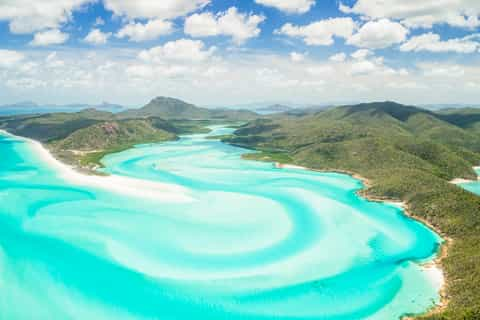
The Gold Coast is one of Queensland’s best-known holiday destinations, famous for its beaches, theme parks, shopping, nightlife and hinterland escapes. But Queensland is much more than one sparkling stretch of coastline. Travel beyond the Gold Coast and you will find tropical islands, ancient rainforests, reef adventures, country towns, outback landscapes, cool-climate wine regions and some of Australia’s most unforgettable road trips.
Whether you want a relaxed beach break, a family-friendly holiday, a romantic island escape, a nature-focused adventure or a big Queensland road trip, there are plenty of incredible places to explore. This guide covers the best places to visit in Queensland beyond the Gold Coast, including coastal favourites, reef gateways, hinterland towns and outback highlights.
Why Explore Queensland Beyond the Gold Coast?
Queensland is one of Australia’s most diverse travel destinations. In a single state, you can snorkel the Great Barrier Reef, walk through ancient rainforest, sail between tropical islands, explore dramatic gorges, visit country markets, enjoy cool-climate wineries and watch the sun set over the outback.
Exploring beyond the Gold Coast gives you a better sense of Queensland’s scale and personality. The south-east has lively cities, beaches and hinterland villages. Central Queensland offers islands, reef access and national parks. Tropical North Queensland combines rainforest, reef and Indigenous cultural experiences. Inland Queensland brings big skies, pioneering history, dinosaur country, rodeo culture and red-dirt road trips.
The key is choosing the right region for your travel style, the time of year and how far you want to travel. Some destinations are ideal for a weekend from Brisbane, while others are best enjoyed as part of a longer holiday.
Best Places to Visit in Queensland Beyond the Gold Coast
1. Brisbane
Brisbane is Queensland’s capital and a natural starting point for exploring the state. It has a relaxed river-city feel, warm weather, excellent dining, cultural precincts, river walks and easy access to both the Sunshine Coast and Gold Coast.
Top things to do include exploring South Bank, visiting the Queensland Art Gallery and Gallery of Modern Art, walking along the Brisbane River, taking a ferry ride, dining at Howard Smith Wharves and enjoying views from Mount Coot-tha. Families can visit the parklands, museums and nearby wildlife attractions, while couples will enjoy rooftop bars, riverside restaurants and boutique hotels.
Best for: city breaks, food lovers, families, short stays and first-time Queensland visitors.
Best time to visit: autumn, winter and spring, when the weather is warm but generally comfortable.
Travel tip: Stay near South Bank, the CBD, Fortitude Valley or Kangaroo Point if you want easy access to restaurants, river transport and attractions.
2. Sunshine Coast
The Sunshine Coast is one of the best alternatives to the Gold Coast for travellers who want beaches, nature and a slower pace. Stretching from Caloundra to Noosa and into the hinterland, the region offers surf beaches, family-friendly swimming spots, markets, waterfalls, national parks and stylish coastal towns.
Popular places to visit include Mooloolaba, Maroochydore, Coolum, Alexandra Headland and Caloundra. Inland, the Glass House Mountains, Maleny and Montville add scenic drives, boutique shops, cheese, chocolate, gardens and rainforest walks.
Best for: families, couples, beach lovers, nature lovers and relaxed road trips.
Best time to visit: spring and autumn for pleasant beach weather and fewer peak-season crowds.
Travel tip: Combine a beach stay with a hinterland day trip to Maleny, Montville and the Glass House Mountains.
3. Noosa
Noosa is one of Queensland’s most stylish coastal destinations. It combines beautiful beaches, national park walks, boutique shopping, excellent dining and a relaxed holiday atmosphere. Hastings Street is the main dining and shopping strip, while Noosa Main Beach is popular for swimming and gentle surf.
Noosa National Park is a highlight, with coastal walking tracks, scenic lookouts and the chance to spot koalas in the trees. Nearby, Noosaville offers riverfront dining and boating, while the Noosa Everglades provide a quieter nature-based experience.
Best for: couples, food lovers, beach holidays, walking trails and stylish short breaks.
Best time to visit: May to October for mild weather, although it is popular year-round.
Travel tip: Book accommodation early during school holidays, Easter and Christmas, as Noosa fills quickly.
4. K’gari / Fraser Island
K’gari, formerly known as Fraser Island, is one of Queensland’s most extraordinary natural destinations. It is famous for long beaches, freshwater lakes, rainforest growing from sand, dramatic dunes and remote camping areas. Lake McKenzie, Eli Creek, the Maheno Shipwreck, Central Station and 75 Mile Beach are among the island’s best-known sights.
K’gari is a destination for travellers who enjoy nature, 4WD adventures and guided touring. Driving conditions can be challenging, so many visitors choose an organised tour rather than driving themselves.
Best for: nature lovers, adventure travellers, 4WD travellers, photographers and wildlife watchers.
Best time to visit: autumn and spring for comfortable conditions; whale-watching season near Hervey Bay is usually a major winter and spring highlight.
Travel tip: Only 4WD vehicles are suitable for K’gari. Check beach driving conditions, tide times, permits and dingo safety information before you go.
5. Hervey Bay
Hervey Bay is a relaxed coastal city best known as a gateway to K’gari and one of Australia’s most popular whale-watching destinations. Its calm beaches, long esplanade, pier, cafes and gentle pace make it a great choice for families and retirees.
Visitors can take whale-watching cruises in season, join K’gari day tours, cycle along the esplanade, explore Urangan Pier or enjoy a quiet beach holiday. Hervey Bay is also a practical stop on a Queensland road trip between Brisbane and Bundaberg.
Best for: whale watching, families, older travellers, relaxed coastal stays and K’gari access.
Best time to visit: winter to early spring for whale watching.
Travel tip: Choose accommodation near the Esplanade or Urangan if you want easy access to cafes, walking paths and tour departures.
6. Bundaberg
Bundaberg is a great base for exploring the Southern Great Barrier Reef, local food experiences and turtle encounters. The region is known for Bundaberg Rum, sugarcane fields, farm produce, nearby beaches and access to Lady Elliot Island and Lady Musgrave Island.
One of the most memorable experiences is visiting Mon Repos during turtle season, when visitors may see nesting turtles or hatchlings under guided conditions. Bargara, just outside Bundaberg, offers a relaxed beachside base.
Best for: reef access, turtle encounters, food trails, families and road-trippers.
Best time to visit: turtle season is generally a major draw from late spring through summer, while the broader region is enjoyable most of the year.
Travel tip: Stay at Bargara for a beach feel, or in Bundaberg if you want easier access to tours, shops and local attractions.
7. Lady Elliot Island
Lady Elliot Island is a coral cay at the southern end of the Great Barrier Reef and one of Queensland’s best destinations for snorkelling, diving and marine life. It is especially well known for manta rays, turtles, coral gardens and clear lagoon waters.
The island is ideal for travellers who want a reef experience without the crowds of larger resort islands. Accommodation is limited, which helps keep the experience peaceful and nature-focused.
Best for: snorkellers, divers, eco-travellers, couples and marine wildlife lovers.
Best time to visit: year-round, although marine life sightings vary by season.
Travel tip: Book well ahead, as accommodation and day-trip flight seats are limited.
8. Airlie Beach and the Whitsundays
Airlie Beach is the mainland gateway to the Whitsundays, one of Queensland’s most iconic holiday regions. The Whitsundays are famous for sailing, island resorts, snorkelling, Whitehaven Beach and the brilliant blue waters of the Great Barrier Reef.
Airlie Beach suits travellers who want a lively base with restaurants, tours, nightlife and easy access to island day trips. Hamilton Island, Daydream Island and other island stays offer a more resort-style experience.
Best for: couples, honeymooners, sailing trips, reef tours, island holidays and first-time Great Barrier Reef visitors.
Best time to visit: May to October for generally drier, milder conditions.
Travel tip: Consider a scenic flight over Heart Reef and Whitehaven Beach if your budget allows, as it is one of Queensland’s most memorable views.
9. Cairns
Cairns is one of the best-known gateways to the Great Barrier Reef and Tropical North Queensland. It is a practical, lively base with reef cruises, island tours, rainforest excursions, markets, restaurants and easy access to the Atherton Tablelands.
Popular experiences include snorkelling or diving the reef, visiting Green Island or Fitzroy Island, taking the Skyrail Rainforest Cableway, riding the Kuranda Scenic Railway, exploring waterfalls and enjoying the Cairns Esplanade Lagoon.
Best for: reef trips, families, adventure travellers, backpackers, rainforest tours and tropical holidays.
Best time to visit: May to October for drier weather and comfortable conditions.
Travel tip: Cairns does not have a surf-style city beach, so use the lagoon, visit nearby beaches or take island day trips for swimming.
10. Port Douglas
Port Douglas is a polished tropical town north of Cairns, known for Four Mile Beach, relaxed resort stays, dining, reef tours and easy access to Mossman Gorge and the Daintree. It has a more laid-back, boutique feel than Cairns, making it popular with couples and travellers wanting a quieter tropical escape.
Top things to do include visiting the Great Barrier Reef, walking Four Mile Beach, browsing the Sunday markets, dining along Macrossan Street and taking a day trip to the Daintree Rainforest.
Best for: couples, resort holidays, reef tours, food lovers and relaxed tropical escapes.
Best time to visit: May to October for drier conditions.
Travel tip: Port Douglas is smaller than Cairns, so it is best for travellers who prefer a resort-town atmosphere over a busier city base.
11. Daintree Rainforest and Cape Tribulation
The Daintree Rainforest and Cape Tribulation region is one of Queensland’s most remarkable natural areas. It is where ancient rainforest meets reef, creating a landscape of jungle, beaches, rivers, boardwalks and wildlife.
Visitors can explore Mossman Gorge, take a Daintree River wildlife cruise, walk rainforest boardwalks, join an Indigenous cultural experience and continue north to Cape Tribulation. This region feels wild, lush and deeply atmospheric.
Best for: nature lovers, photographers, eco-travellers, birdwatchers and travellers interested in rainforest and culture.
Best time to visit: the dry season, usually May to October, is generally the most comfortable time for exploring.
Travel tip: Hire a car or join a guided tour. Some areas north of the Daintree River are more remote, so check road and ferry conditions before travelling.
12. Townsville and Magnetic Island
Townsville is a sunny North Queensland city with a waterfront esplanade, heritage buildings, reef and island access, and a strong military and marine history. Just offshore, Magnetic Island is the real highlight for many visitors.
Magnetic Island offers beaches, walking tracks, snorkelling, wildlife and a relaxed island atmosphere only a short ferry ride from the mainland. The Forts Walk is especially popular for views and the chance to spot koalas.
Best for: island escapes, families, wildlife watchers, walkers and travellers heading along the Queensland coast.
Best time to visit: autumn, winter and spring for warm but more comfortable conditions.
Travel tip: Spend at least one night on Magnetic Island rather than rushing it as a day trip.
13. Mackay
Mackay is often overlooked, but it makes a rewarding stop for travellers who enjoy uncrowded beaches, rainforest, wildlife and access to lesser-known parts of the Great Barrier Reef. The region is close to Eungella National Park, one of the best places in Queensland to try spotting platypus in the wild.
Other highlights include Cape Hillsborough, where wallabies and kangaroos are often seen near the beach at sunrise, the Bluewater Trail, Finch Hatton Gorge and nearby islands.
Best for: road-trippers, wildlife lovers, nature travellers and visitors wanting a quieter coastal base.
Best time to visit: May to October for comfortable touring weather.
Travel tip: Set your alarm early for Cape Hillsborough, as sunrise is the best-known time to experience the beach setting.
14. Toowoomba
Toowoomba, known as the Garden City, sits on the edge of the Great Dividing Range west of Brisbane. It offers a different Queensland experience, with cooler air, heritage streets, gardens, cafes, lookouts, street art and country charm.
Top attractions include Queens Park, Picnic Point, the Cobb+Co Museum, the street art trail and nearby country drives. The Toowoomba Carnival of Flowers is one of Queensland’s major annual events and a highlight for garden lovers.
Best for: garden lovers, weekend escapes, food lovers, couples, families and travellers wanting a cooler inland break.
Best time to visit: spring for flowers, autumn for colour and winter for crisp country air.
Travel tip: Toowoomba is an easy drive from Brisbane, making it a strong choice for a short break without heading to the coast.
15. Stanthorpe and the Granite Belt
Stanthorpe and the Granite Belt feel different from the tropical and coastal image many travellers associate with Queensland. This region is known for cool-climate wine, granite landscapes, orchards, local produce, cosy accommodation and Girraween National Park.
It is one of the best places in Queensland for a food and wine escape. Visitors can explore cellar doors, taste local cheese, visit farm shops, walk among giant granite boulders and enjoy fireside winter stays.
Best for: wine lovers, food travellers, couples, winter escapes and scenic drives.
Best time to visit: autumn and winter for cool weather, fireside stays and wine touring.
Travel tip: Book wine tours or nominate a driver, as cellar doors are spread across the region.
16. Longreach
Longreach is one of the best places to experience Outback Queensland. It is strongly connected to Australian pioneering history, aviation, agriculture and life on the land. The wide streets, big skies and country hospitality make it a memorable contrast to Queensland’s coast.
Major attractions include the Australian Stockman’s Hall of Fame, the Qantas Founders Museum, Thomson River cruises and outback station experiences. Longreach can be reached by road, rail or air, making it more accessible than many travellers expect.
Best for: outback experiences, history lovers, grey nomads, families and road-trippers.
Best time to visit: April to September, when temperatures are generally more comfortable for outback travel.
Travel tip: Allow several nights, as Longreach has enough major attractions to justify more than a quick stop.
17. Mount Isa
Mount Isa is a rugged outback city in north-west Queensland, known for mining history, rodeo culture, red landscapes and big-distance road trips. It is a strong choice for travellers who want to see a more remote and industrial side of Queensland.
Things to do include visiting Outback at Isa, exploring Lake Moondarra, learning about the region’s mining history and timing a trip around the Mount Isa Rodeo. The city can also be part of longer routes such as the Overlander’s Way.
Best for: outback road-trippers, rodeo fans, mining history, big landscapes and adventurous travellers.
Best time to visit: the cooler dry-season months, especially if planning a long road trip.
Travel tip: Distances are large in north-west Queensland, so plan fuel, water, accommodation and driving times carefully.
18. Carnarvon Gorge
Carnarvon Gorge is one of Queensland’s most spectacular inland natural attractions. Located within Carnarvon National Park, it features sandstone cliffs, side gorges, walking tracks, Aboriginal rock art, wildlife and pockets of lush vegetation.
This is a destination for travellers who enjoy hiking, nature and quiet nights under the stars. Highlights include the main gorge walking track, Moss Garden, Amphitheatre, Wards Canyon and ancient cultural sites.
Best for: hikers, nature lovers, photographers, families with active children and road-trippers.
Best time to visit: the cooler months are generally more comfortable for walking.
Travel tip: Book accommodation or camping early during peak periods and carry enough water for long walks.
Best Queensland Destinations by Travel Style
Best for Beaches
Noosa for stylish beach holidays and national park walks.
Sunshine Coast for family-friendly beaches and relaxed coastal towns.
Airlie Beach and the Whitsundays for island beaches and sailing.
Magnetic Island for quiet coves and a relaxed island feel.
Bargara near Bundaberg for a low-key beach base.
Best for Families
Brisbane for museums, parklands and easy transport.
Sunshine Coast for beaches, wildlife attractions and hinterland day trips.
Hervey Bay for calm beaches and whale-watching tours.
Cairns for reef trips, island days and rainforest experiences.
Longreach for interactive outback history and family-friendly attractions.
Best for Nature and Wildlife
Daintree Rainforest and Cape Tribulation for rainforest, rivers and wildlife.
K’gari for lakes, dunes, rainforest and coastal scenery.
Lady Elliot Island for turtles, manta rays and reef life.
Mackay and Eungella National Park for rainforest and platypus spotting.
Carnarvon Gorge for walking, wildlife and sandstone landscapes.
Best for Road Trips
Brisbane to Sunshine Coast and Noosa for an easy coastal drive.
Brisbane to Hervey Bay, Bundaberg and the Southern Great Barrier Reef.
Cairns to Port Douglas and the Daintree for a tropical north itinerary.
Toowoomba to Stanthorpe for a country food and wine drive.
Longreach and Mount Isa for a true Outback Queensland adventure.
Best for Food and Wine
Brisbane for restaurants, bars and riverfront dining.
Noosa for beachside dining and stylish restaurants.
Sunshine Coast Hinterland for local produce, cafes and scenic dining.
Stanthorpe and the Granite Belt for wineries, cheese, orchards and winter escapes.
Toowoomba for cafes, produce and country hospitality.
Best for Adventure
K’gari for 4WD touring and remote island landscapes.
Whitsundays for sailing, snorkelling and scenic flights.
Cairns for reef trips, rainforest tours and outdoor activities.
Daintree and Cape Tribulation for rainforest exploration.
Carnarvon Gorge for hiking and nature-based adventure.
Best for a Quiet Escape
Lady Elliot Island for a peaceful reef stay.
Magnetic Island for a slower island holiday.
Stanthorpe for cosy cottages, wine and cool weather.
Mackay’s surrounding beaches and rainforest areas for fewer crowds.
Carnarvon Gorge for nature, walking and nights under the stars.
Suggested Queensland Itinerary Ideas
3-Day Brisbane and Sunshine Coast Escape
Day 1: Explore Brisbane’s South Bank, riverfront dining and cultural precinct.
Day 2: Drive to the Sunshine Coast, stopping at the Glass House Mountains or Australia Zoo before staying near Mooloolaba or Maroochydore.
Day 3: Visit Maleny and Montville, then return to Brisbane via scenic hinterland roads.
5-Day Noosa and K’gari Trip
Day 1: Travel to Noosa and enjoy Hastings Street, Main Beach and sunset by the river.
Day 2: Walk Noosa National Park and relax at the beach.
Day 3: Travel towards Hervey Bay or Rainbow Beach.
Day 4: Join a guided K’gari day tour or overnight tour.
Day 5: Return slowly, stopping at coastal towns or the Sunshine Coast hinterland.
7-Day Whitsundays and Reef Holiday
Day 1: Arrive in Airlie Beach and explore the lagoon and marina.
Day 2: Take a Whitehaven Beach and Hill Inlet tour.
Day 3: Enjoy a snorkelling or reef tour.
Day 4: Join a sailing day trip or scenic flight.
Day 5: Transfer to an island resort or enjoy a relaxed Airlie Beach day.
Day 6: Explore Conway National Park or nearby beaches.
Day 7: Depart or continue north towards Townsville or Cairns.
10-Day Cairns, Port Douglas and Daintree Itinerary
Days 1-3: Stay in Cairns and enjoy the Esplanade, reef tours, Green Island or Fitzroy Island.
Day 4: Visit Kuranda using the scenic railway and Skyrail combination.
Days 5-6: Move to Port Douglas for Four Mile Beach, dining and reef access.
Day 7: Visit Mossman Gorge and explore nearby rainforest areas.
Days 8-9: Travel to the Daintree and Cape Tribulation for rainforest walks and guided tours.
Day 10: Return to Cairns for departure.
14-Day Queensland Road Trip Idea
Days 1-2: Brisbane city break.
Days 3-4: Sunshine Coast and Noosa.
Days 5-6: Hervey Bay and K’gari.
Days 7-8: Bundaberg and Southern Great Barrier Reef experiences.
Days 9-10: Airlie Beach and the Whitsundays.
Days 11-12: Townsville and Magnetic Island.
Days 13-14: Cairns, reef tours or rainforest experiences.
If you prefer inland travel, swap the northern coast for Toowoomba, Stanthorpe, Carnarvon Gorge and Longreach. Queensland is huge, so avoid trying to cover every region in one short trip.
Travel Tips for Visiting Queensland
Plan around distance: Queensland is much larger than many visitors expect. Driving times between regions can be long, especially once you leave the south-east.
Choose the right season: Tropical North Queensland is usually most comfortable in the dry season, while southern Queensland is pleasant for much of the year.
Respect reef safety: Use reef-safe practices, follow tour operator instructions and avoid touching coral or marine life.
Be sun smart: Queensland sun can be strong. Wear sunscreen, a hat, sunglasses and protective clothing, even on cloudy days.
Book key tours early: Reef cruises, whale-watching tours, island accommodation and national park stays can sell out during peak periods.
Understand wet season conditions: In the tropical north, summer can bring heavy rain, humidity and changing road conditions.
Check wildlife advice: Follow local guidance about marine stingers, crocodile warnings, dingoes, snakes and national park safety.
Use visitor information centres: Local visitor centres are helpful for maps, road updates, tour advice and regional tips.
Do not overpack the itinerary: Queensland rewards slower travel. Allow time for beach days, scenic drives and unexpected stops.
Final Thoughts
The Gold Coast is a fantastic holiday destination, but it is only one part of Queensland’s travel story. Beyond the Gold Coast, you can discover Brisbane’s riverfront energy, the Sunshine Coast’s relaxed beaches, Noosa’s national park walks, K’gari’s wild landscapes, the Whitsundays’ island beauty, Cairns and Port Douglas reef adventures, the ancient Daintree Rainforest, country towns, wine regions and unforgettable outback experiences.
The best Queensland trip depends on your interests. Choose the Sunshine Coast or Noosa for a relaxed beach escape, the Whitsundays or Lady Elliot Island for reef and island experiences, Cairns and Port Douglas for tropical adventure, Stanthorpe for food and wine, or Longreach and Carnarvon Gorge for inland landscapes and outback character.
For the most rewarding holiday, combine two or three regions rather than trying to see everything at once. Queensland is a state made for return trips, and every region offers a different reason to come back.
Frequently Asked Questions
What is the best place to visit in Queensland besides the Gold Coast?
Some of the best places to visit in Queensland beyond the Gold Coast include Brisbane, Noosa, the Sunshine Coast, K’gari, the Whitsundays, Cairns, Port Douglas, the Daintree Rainforest, Lady Elliot Island and Carnarvon Gorge. The best choice depends on whether you want beaches, reef, rainforest, food, wine or outback scenery.
Is Cairns or Port Douglas better?
Cairns is better if you want a larger base with more tour options, nightlife, transport connections and family-friendly attractions. Port Douglas is better if you prefer a smaller, more relaxed resort-style town with easy access to Four Mile Beach, reef tours and the Daintree.
When is the best time to visit Queensland?
The best time depends on the region. South-east Queensland is enjoyable most of the year, although spring and autumn are especially pleasant. Tropical North Queensland is generally most comfortable during the dry season from around May to October. Outback Queensland is usually best in the cooler months from autumn to early spring.
Where can I see the Great Barrier Reef in Queensland?
Popular places to experience the Great Barrier Reef include Cairns, Port Douglas, the Whitsundays, Townsville, Bundaberg, Lady Elliot Island and Lady Musgrave Island. Each region offers a different style of reef experience, from day cruises and snorkelling trips to island stays and scenic flights.
What are the best Queensland destinations for families?
Great family destinations include Brisbane, the Sunshine Coast, Noosa, Hervey Bay, Bundaberg, Cairns, Townsville and Longreach. Families often enjoy places with easy accommodation, safe swimming options, wildlife attractions, short tours and plenty of casual dining.
What are the best quiet places to visit in Queensland?
For quieter Queensland escapes, consider Lady Elliot Island, Magnetic Island, Stanthorpe, Carnarvon Gorge, Mackay’s nearby beaches, the Sunshine Coast hinterland or smaller towns around the Granite Belt. These destinations are ideal if you want nature, slower travel and fewer crowds.
Is K’gari worth visiting?
Yes, K’gari is worth visiting if you enjoy wild landscapes, lakes, beaches, dunes, rainforest and 4WD touring. It is one of Queensland’s most unique natural destinations. Visitors should plan carefully, follow safety advice and consider a guided tour if they are not experienced with beach driving.
How many days do you need to travel around Queensland?
You can enjoy a short Queensland escape in three to five days if you focus on one region, such as Brisbane and the Sunshine Coast or Cairns and Port Douglas. For a broader coastal road trip, allow at least 10 to 14 days. To include the outback, reef, rainforest and islands, you may need several weeks.
What is the best Queensland road trip?
A classic coastal road trip from Brisbane to Cairns is one of the best Queensland journeys, with stops such as the Sunshine Coast, Noosa, Hervey Bay, Bundaberg, Airlie Beach, Townsville and Cairns. For a different experience, an inland road trip through Toowoomba, Stanthorpe, Carnarvon Gorge and Longreach offers country towns, national parks and outback scenery.
What is the best island to visit in Queensland?
For reef and marine life, Lady Elliot Island is a standout. For resort holidays, Hamilton Island is popular. For a relaxed and accessible island escape, Magnetic Island is a great choice. For wild natural scenery and 4WD adventure, K’gari is one of Queensland’s most memorable islands.
SEO Title
Best Places to Visit in Queensland Beyond the Gold Coast
Meta Description
Discover the best places to visit in Queensland beyond the Gold Coast, including Brisbane, Noosa, K’gari, the Whitsundays, Cairns, Port Douglas, the Daintree, Stanthorpe, Longreach and Carnarvon Gorge.
Sponsored Popular Items
Quick take: Musement.com offers a worldwide selection of tours and attractions
Queensland: Zip line adventures Australia Book the most popular Zip line adventures in Queensland. Best price and money back guarantee! Read the reviews of your fellow travelers. Check current availability, inclusions and booking conditions.
Queensland: Wellness & spas Australia Book the most popular Wellness & spas in Queensland. Best price and money back guarantee! Read the reviews of your fellow travelers. Check current availability, inclusions and booking conditions.
Queensland: Theme & amusement parks Australia Book the most popular Theme & amusement parks in Queensland. Best price and money back guarantee! Read the reviews of your fellow travelers. Check current availability, inclusions and booking conditions.
Queensland: Shark diving Australia Book the most popular Shark diving in Queensland. Best price and money back guarantee! Read the reviews of your fellow travelers. Check current availability, inclusions and booking conditions.
Queensland: Rainy-day activities Australia Book the most popular Rainy-day activities in Queensland. Best price and money back guarantee! Read the reviews of your fellow travelers. Check current availability, inclusions and booking conditions.
Queensland: Rail tours Australia Book the most popular Rail tours in Queensland. Best price and money back guarantee! Read the reviews of your fellow travelers. Check current availability, inclusions and booking conditions.
Queensland: Quad & ATV tours Australia Book the most popular Quad & ATV tours in Queensland. Best price and money back guarantee! Read the reviews of your fellow travelers. Check current availability, inclusions and booking conditions.
Queensland: Outdoor activities Australia Book the most popular Outdoor activities in Queensland. Best price and money back guarantee! Read the reviews of your fellow travelers. Check current availability, inclusions and booking conditions.
Queensland: Museums & exhibitions Australia Book the most popular Museums & exhibitions in Queensland. Best price and money back guarantee! Read the reviews of your fellow travelers. Check current availability, inclusions and booking conditions.