Yellow Crane Tower Guide: Wuhan’s Famous Landmark, Yangtze River Views, Poetry, History and Travel Tips
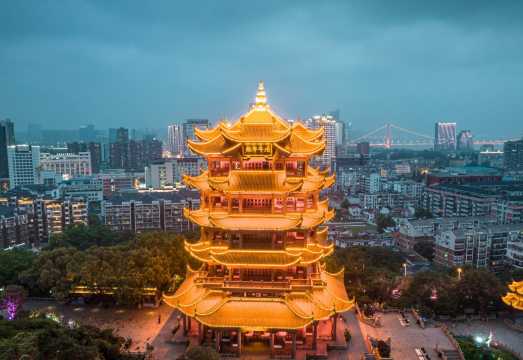
Yellow Crane Tower, or Huanghe Lou, is one of the most famous landmarks in Wuhan, Hubei Province, China. Rising above Snake Hill in the Wuchang district, close to the Yangtze River and the Wuhan Yangtze River Bridge, the tower is known for its sweeping city views, layered golden roofs, legendary crane stories and deep connection with Chinese poetry.
For many travellers, Yellow Crane Tower is the essential first stop in Wuhan. It gives you a sense of the city’s geography: the Yangtze River, the Han River, the old Wuchang area, modern high-rises, bridges, rail lines and the historic importance of Wuhan as a river city.
The tower seen today is a modern reconstruction completed in the 1980s, but the cultural identity of Yellow Crane Tower reaches back many centuries. It has been destroyed, rebuilt, praised in poems, painted by artists and remembered as one of China’s great historic towers.
Sponsored Popular Items
Quick take: Trip.com offers a worldwide selection of tours and attractions and hotels
Wuhan, China: Self-Guided Tour with Private Charter to Wuhan University… Best deals for Wuhan, China: Self-Guided Tour with Private Charter to Wuhan University + East Lake Cherry Blossom Garden + Yellow Crane Tower + Qingchuan Pavilion.... Wuhan Cherry Blossom Season: Customized Services for a Hassle-Free Journey;Private group tours with multilingual services;Enjoy a flexible itinerary, travel with peace of mind, and feel right at home Available from trip.com.
Quick take: Trip.com helps you compare prices across accommodations. Use it to shortlist hotels, then click through to confirm the final price, room type, and inclusions on the booking site.
Yellow Crane Tower is worth visiting because it combines Wuhan’s history, skyline, river scenery and literary culture in one place. It is not just a viewing tower. It is a symbol of the city and one of the best places to understand how Wuhan grew around rivers, bridges and historic districts.
The tower is especially useful for first-time visitors because it sits close to several other Wuhan experiences, including the Yangtze River Bridge, Wuchang old streets, ferry routes, Hubu Alley food area, Tanhualin, Liangdao Street and riverfront views.
Yellow Crane Tower is best for:
First-time visitors to Wuhan
Travellers interested in Chinese poetry and history
City-view photography
Yangtze River and bridge views
Families wanting an easy cultural attraction
Visitors staying in Wuchang
Short Wuhan city breaks
Combining sightseeing with local food streets
Travellers who want one landmark that explains the city’s identity
Where Is Yellow Crane Tower?
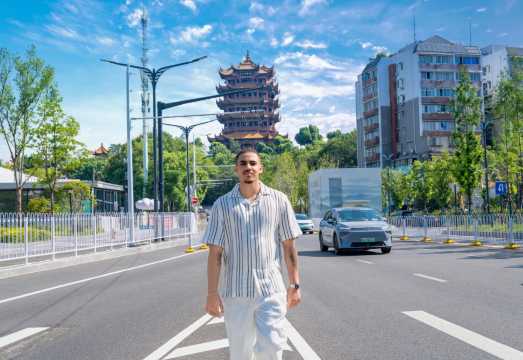
Yellow Crane Tower is in Wuchang District, Wuhan, Hubei Province. It stands on Snake Hill, close to the Yangtze River and the Wuhan Yangtze River Bridge. This position gives the tower its famous river and city views.
Location Detail
Traveller Notes
Attraction
Yellow Crane Tower / Huanghe Lou / 黄鹤楼
City
Wuhan
Province
Hubei, China
District
Wuchang
Setting
Snake Hill, near the Yangtze River
Nearby landmark
Wuhan Yangtze River Bridge
Chinese name
黄鹤楼
Suggested visit length
2 to 3 hours for the tower, park and photos
What to Expect
Expect a landscaped scenic area built around a large historic-style tower. The main tower has multiple levels, decorative eaves, cultural displays, poems, murals and viewing areas. Around it, you will find gates, pavilions, gardens, stone inscriptions, photo spots, souvenir shops and paths up and down the hill.
What you may see
The main Yellow Crane Tower building
Traditional-style roofs and painted details
Views over the Yangtze River
Wuhan Yangtze River Bridge
Wuchang rooftops and modern skyline
Poetry displays and cultural exhibits
Garden paths, smaller pavilions and courtyards
Night lighting or performances if visiting during evening sessions
Crowds during weekends and public holidays
What not to expect
Do not expect the current tower to be the original ancient building.
Do not expect empty viewpoints during peak travel periods.
Do not expect every ticket type to include night shows.
Do not expect the park to be flat; there are slopes and steps.
Do not expect clear views on very hazy or rainy days.
Do not rely on old ticket prices without checking current information.
History of Yellow Crane Tower
Yellow Crane Tower has a long and complicated history. Its origins are usually linked to the Three Kingdoms period, and over the centuries it became famous as a military lookout, scenic tower, literary landmark and symbol of Wuhan. The tower was destroyed and rebuilt many times through history.
The building standing today is a reconstruction completed in the 1980s. It was designed to preserve the spirit of the historic tower while allowing modern visitors to climb, view exhibits and look across Wuhan from a safe scenic platform.
Key history points
The tower’s origins are traditionally linked to the Three Kingdoms period.
It stood above the Yangtze River in the Wuchang area.
It became famous through poetry, paintings and legends.
The tower was destroyed and rebuilt many times.
The present structure is a modern reconstruction.
Today it functions as a cultural landmark, viewing tower and scenic park.
The Yellow Crane Legend
Yellow Crane Tower is surrounded by legend. One well-known story tells of an immortal who rode away on a yellow crane, giving the tower its poetic name and spiritual atmosphere. Another version involves a grateful immortal who painted a crane on a tavern wall; the crane danced for guests, bringing prosperity, before the immortal returned and flew away on it.
The legend matters because it gives the tower more than architectural value. It links the site with ideas of farewell, immortality, travel, longing and the mysterious space between earth and sky.
Why the legend is important
It explains the tower’s name.
It gives the site a romantic and mythical identity.
It connects the tower with Daoist and immortal imagery.
It influenced poems, paintings and visitor imagination.
It makes the tower memorable for families and cultural travellers.
Yellow Crane Tower in Chinese Poetry
Yellow Crane Tower is one of China’s most famous literary landmarks. It is closely associated with Tang dynasty poetry, especially the famous poem by Cui Hao, often translated as “Yellow Crane Tower”. The tower is also linked in popular culture with Li Bai, one of China’s greatest poets.
For Chinese visitors, the tower is not simply a scenic spot. It is a place where poetry, memory and landscape overlap. The image of the yellow crane, the river, distant sky and departing friends has made the tower a symbol of longing and farewell.
Literary themes connected with the tower
Farewell and travel
Longing for home
River journeys
Immortals and cranes
Clouds, sky and distant horizons
The passing of time
Wuhan’s position as a river crossing
If you enjoy literature, take time to read about Cui Hao and Li Bai before visiting. The tower becomes much richer when you understand why it mattered to poets.
Architecture and Design
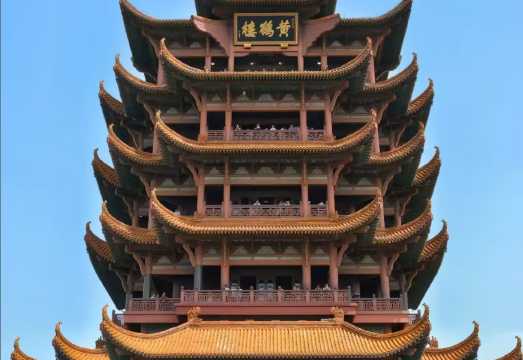
The current Yellow Crane Tower is a large, multi-storey pavilion-style building with sweeping eaves, golden-yellow roof tiles, decorative brackets, red columns and broad viewing levels. It is designed to look impressive from every side, and its height makes it visible from surrounding roads, rail lines and river viewpoints.
Inside and around the tower, visitors can find cultural displays, murals, calligraphy, poems and interpretive material related to the tower’s history and legends.
Architectural features to notice
Layered rooflines
Upturned eaves
Yellow glazed tiles
Red columns and traditional colour contrasts
Calligraphy plaques
Interior murals and cultural displays
Balcony-style viewing areas
Symmetrical appearance from multiple angles
Positioning above Snake Hill for skyline impact
Best Views from Yellow Crane Tower
The biggest reward for climbing Yellow Crane Tower is the view over Wuhan. On a clear day, you can see the Yangtze River, the Wuhan Yangtze River Bridge, Wuchang, Hanyang, parts of Hankou and the mix of old neighbourhoods and modern towers that define the city.
Best things to look for from the tower
Yangtze River: the great river that shaped Wuhan’s history.
Wuhan Yangtze River Bridge: one of the city’s most important modern landmarks.
Wuchang rooftops: useful for understanding the old city setting.
Modern Wuhan skyline: high-rises across the river and beyond.
Snake Hill parkland: the green setting around the tower.
Rail and road lines: a reminder of Wuhan’s role as a transport hub.
Sunset views: especially good when the weather is clear.
Photography tips
Visit on a clear day for better river views.
Use late afternoon light for warmer tower photos.
Photograph the tower from the park before climbing.
Use wide-angle mode for the building and courtyards.
Use zoom for Yangtze River Bridge details.
Expect haze in some weather conditions.
Return after dark if night lighting is available and you have the right ticket.
Yellow Crane Tower Park
The tower is part of a larger scenic park rather than a single standalone building. Paths, gates, pavilions, courtyards and garden areas make the visit more interesting if you allow time to wander.
Things to do in the park
Walk the main approach toward the tower.
Photograph the tower from different levels and angles.
Look for calligraphy and poetry displays.
Explore smaller pavilions and courtyards.
Pause at viewpoints over Wuhan.
Visit souvenir shops for cultural gifts.
Enjoy seasonal flowers and landscaped paths.
Park tips
Wear comfortable shoes because there are slopes and steps.
Allow time for the park, not only the main tower.
Enter earlier in the day if visiting during school holidays or national holidays.
Bring water in summer.
Check map boards or digital maps inside the scenic area.
Day Visit or Night Visit?
Yellow Crane Tower can be experienced in different ways depending on ticket type and opening arrangements. A daytime visit is best for city views, architecture, history and photography. Evening sessions or night shows, when operating, offer lighting, atmosphere and a more theatrical experience.
Visit Type
Best For
Traveller Notes
Day visit
History, views, first-time visitors and photography
Best if you want to climb the tower and see Wuhan clearly.
Late afternoon visit
Sunset, golden light and cooler weather
Good balance if opening hours allow enough time.
Night visit / light show
Atmosphere, lighting and performance-style experience
Usually requires a separate ticket or ticket type; check current rules.
Quick photo stop outside
Travellers short on time
You can see the tower from nearby streets and viewpoints, but the full experience is inside the park.
Tickets, Opening Hours and Entry Tips
Yellow Crane Tower is a ticketed scenic area. Ticket prices, opening hours, discounts, night-show arrangements and last-entry times can change by season, holiday period and booking platform. Check the official scenic area information or a reliable ticketing platform before you go.
Before visiting, check:
Current daytime opening hours
Current last-entry time
Current adult ticket price
Student, senior or child discounts
Whether passport or ID is required for booking
Whether tickets must be booked in advance
Night-show ticket availability
Whether daytime and night tickets are separate
Which entrance gate is best for your route
Weather and visibility conditions
Entry tips
Book ahead during weekends and Chinese public holidays.
Arrive early if you want fewer crowds.
Use late afternoon for softer light and potential sunset views.
Bring your passport if ticket verification may be required.
Check whether luggage storage is available before arriving with large bags.
Do not rely on old blog prices because ticket policies may change.
How to Get to Yellow Crane Tower
Yellow Crane Tower is well connected by Wuhan’s metro, taxis, buses and local sightseeing routes. The easiest option for many visitors is to use the metro and then walk from the nearest station or take a short taxi ride.
Transport Option
Best For
Traveller Notes
Wuhan Metro
Independent travellers
Use nearby stations such as Simenkou & Yellow Crane Tower or Shouyi Road depending on your route and entrance.
Taxi / ride-hailing
Families, hot weather and direct access
Useful if travelling from Hankou, Hanyang, a hotel or railway station.
Bus
Budget travellers
Several city buses serve nearby roads; use a local map app for current routes.
Walking from nearby food streets
Visitors staying in Wuchang
Possible from nearby old-town areas, but expect slopes and busy roads.
Guided city tour
First-time visitors wanting context
Often combines the tower with Hubu Alley, Hubei Provincial Museum, East Lake or river activities.
Useful Chinese names
Yellow Crane Tower: 黄鹤楼
Yellow Crane Tower Park: 黄鹤楼公园
Wuchang District: 武昌区
Snake Hill: 蛇山
Wuhan Yangtze River Bridge: 武汉长江大桥
Nearby Places to Visit
Wuhan Yangtze River Bridge
The Wuhan Yangtze River Bridge is one of the most important nearby landmarks. From Yellow Crane Tower, you can see the bridge and understand how it links the river city together.
Hubu Alley
Hubu Alley is a famous food street area near Yellow Crane Tower. It is touristy, but useful if you want snacks, local atmosphere and an easy food stop after sightseeing.
Liangdao Street
Liangdao Street is a good nearby food area for local Wuhan snacks and casual eating. It can feel more neighbourhood-based than some tourist-focused food streets.
Tanhualin
Tanhualin is a historic and creative street area in Wuchang, with cafés, old buildings, small shops and a slower walking atmosphere.
Hubei Provincial Museum
Hubei Provincial Museum is one of Wuhan’s most important cultural attractions. It is best visited separately or as part of a full-day Wuhan cultural itinerary.
East Lake
East Lake is Wuhan’s major scenic lake area, good for cycling, walking, gardens and a very different landscape from the urban tower area.
Yangtze River Ferry
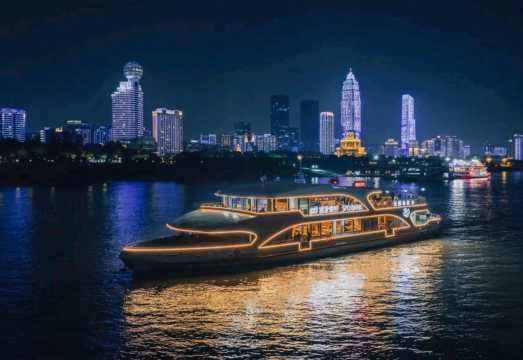
A Yangtze River ferry ride is a memorable way to experience Wuhan’s river setting. It pairs well with Yellow Crane Tower because the tower is part of the city’s river identity.
Jianghan Road
Jianghan Road in Hankou is a major pedestrian shopping street with historic commercial buildings, food, shops and evening atmosphere.
Food and Local Stops Nearby
Yellow Crane Tower sits close to several useful food areas in Wuchang. After climbing the tower, many visitors look for Wuhan snacks, noodles, breakfast foods, drinks or simple local meals nearby.
Wuhan foods to try
Hot dry noodles: Wuhan’s most famous breakfast dish, known as re gan mian.
Doupi: a sticky rice and bean-skin snack, often eaten for breakfast or lunch.
Wuhan duck neck: spicy local snack, popular across the city.
Tangbao: soup-filled dumplings where available.
Lotus root soup: a Hubei comfort dish, especially good in cooler weather.
Street skewers: common around food streets and night areas.
Mung bean drinks or local cold drinks: useful in hot Wuhan summers.
Food tips
Eat before or after the tower rather than carrying messy food inside.
Try local breakfast if visiting in the morning.
Use translation apps for smaller restaurants.
Bring cash or use Chinese mobile payment if available.
Expect crowds at popular food streets during holidays.
Morning: Travel to Yellow Crane Tower by metro or taxi.
Mid-morning: Explore the park and climb the tower.
Viewpoint: Photograph the Yangtze River and Wuhan Yangtze River Bridge.
Lunch: Walk or taxi to Hubu Alley or Liangdao Street for local snacks.
Afternoon: Continue to Tanhualin or return to your hotel.
Option 2: Yellow Crane Tower and Yangtze River Route
Morning: Visit Yellow Crane Tower.
Next: Walk or transfer toward the riverfront.
Midday: See the Wuhan Yangtze River Bridge from a viewpoint.
Afternoon: Take a ferry across the Yangtze if services and timing suit.
Evening: Explore Jianghan Road in Hankou.
Option 3: Wuhan Cultural Day
Morning: Yellow Crane Tower and Snake Hill views.
Lunch: Wuchang local food stop.
Afternoon: Hubei Provincial Museum.
Late afternoon: East Lake or Tanhualin.
Evening: Riverfront walk or night view.
Option 4: Photography-Focused Visit
Morning: Photograph the tower exterior before crowds build.
Midday: Capture architectural details, rooflines and plaques.
Late afternoon: Climb the tower for warmer river light.
Sunset: Photograph Wuhan Yangtze River Bridge if visibility is clear.
Night: Return for illuminated tower photos if night access is available.
Option 5: Easy First-Day Wuhan Plan
Morning: Arrive in Wuhan and check into accommodation.
Afternoon: Visit Yellow Crane Tower.
Late afternoon: Explore nearby Wuchang streets.
Dinner: Try Wuhan hot dry noodles, lotus root soup or local snacks.
Evening: Walk along the river or visit Jianghan Road if you still have energy.
Best Time to Visit Yellow Crane Tower
Time / Season
What to Expect
Advice
Morning
Cooler weather and fewer crowds
Best for a relaxed visit and clearer photos.
Midday
Brighter light and more tour groups
Good if combining with nearby lunch stops.
Late afternoon
Warmer light and possible sunset views
Best for photography if visibility is good.
Night session
Illuminated tower and possible performance atmosphere
Check whether a separate night ticket is required.
Spring
Milder weather and pleasant park walking
One of the best seasons.
Summer
Hot, humid and sometimes crowded
Visit early, bring water and sun protection.
Autumn
Comfortable weather and clearer views
Excellent for city photography.
Winter
Cooler and less crowded
Bring layers and check seasonal hours.
Chinese public holidays
Very busy
Book ahead and expect queues.
Where to Stay in Wuhan for Yellow Crane Tower
Area
Best For
Traveller Notes
Wuchang
Yellow Crane Tower, universities, East Lake and museums
Best if the tower, Hubei Provincial Museum and East Lake are your focus.
Hankou
Shopping, historic concessions, Jianghan Road and riverfront
Good for nightlife, food and old commercial architecture.
Hanyang
Quieter riverside stays and bridge views
Useful for travellers wanting a different angle on the Yangtze.
Jianghan Road area
Shopping, restaurants and evening atmosphere
Good if you want a lively base and easy metro access.
East Lake area
Nature, cycling and relaxed stays
Better for longer Wuhan trips, less convenient for late-night city food.
Near Wuhan Railway Station
High-speed rail convenience
Practical for short stays, but not the most atmospheric base.
Useful Booking Resources for Yellow Crane Tower and Wuhan
Yellow Crane Tower can be visited independently, but booking platforms are useful for entry tickets, night-show tickets, Wuhan day tours, hotel planning, train travel and local transport. Skimlinks may automatically convert some merchant links into affiliate links if the merchant is active in your Skimlinks account.
Trip.com – useful for Yellow Crane Tower tickets, Wuhan hotels, China train planning, flights, local tours and attraction bookings.
Klook – useful for China eSIMs, attraction tickets, transport products and selected Wuhan activities depending on availability.
GetYourGuide – offers selected Wuhan tickets, tours and China travel experiences depending on current listings.
Viator – useful for private Wuhan tours, guided day trips and city experiences depending on availability.
Booking.com – useful for comparing hotels in Wuchang, Hankou, Jianghan Road and East Lake areas.
Agoda – useful for hotel deals in Wuhan and other China city stays.
China Travel – useful for broader China destination planning, Wuhan itinerary ideas and private trip arrangements.
Booking tip: Before booking, check whether you are buying a daytime ticket, night ticket, guided tour or performance ticket. Daytime and night sessions may have different rules, entry times and prices.
Yellow Crane Tower Travel Tips
Check current opening hours
Opening times and last-entry rules can change by season, holiday period and ticket type. Confirm before travelling.
Book ahead during holidays
Yellow Crane Tower is one of Wuhan’s biggest landmarks and can be very busy during weekends and Chinese public holidays.
Visit on a clear day if views matter
The tower is best when you can see the Yangtze River, bridge and skyline clearly.
Wear comfortable shoes
The scenic area includes slopes, stairs and walking paths.
Allow enough time
A rushed 30-minute visit misses much of the park, poetry displays and viewing areas. Allow 2 to 3 hours if possible.
Use the metro where practical
Traffic in Wuhan can be busy. Metro access is usually more predictable than road travel during peak times.
Combine with nearby food streets
Hubu Alley and Liangdao Street are convenient food stops after visiting the tower.
Bring water in summer
Wuhan can be hot and humid, especially in July and August.
Read the poetry before visiting
The tower is more meaningful if you understand its connection with Cui Hao, Li Bai and Tang poetry.
Consider a night visit carefully
Night lighting can be beautiful, but make sure you have the correct ticket and understand the schedule.
Is Yellow Crane Tower Worth Visiting?
Yes, Yellow Crane Tower is worth visiting, especially if it is your first time in Wuhan. It gives you architecture, history, poetry, legends and some of the best symbolic views in the city.
It may not suit travellers looking for an untouched ancient structure, because the present tower is a modern reconstruction. But as a cultural landmark, scenic viewpoint and introduction to Wuhan, it remains one of the city’s strongest attractions.
The best way to enjoy Yellow Crane Tower is to visit on a clear day, allow enough time for the park, climb for the river views, read about the poetry and then continue to nearby Wuchang food streets, the Yangtze River Bridge, Tanhualin or a ferry across the Yangtze.
FAQs About Yellow Crane Tower
Where is Yellow Crane Tower?
Yellow Crane Tower is in Wuchang District, Wuhan, Hubei Province, China. It stands on Snake Hill near the Yangtze River and the Wuhan Yangtze River Bridge.
What is Yellow Crane Tower famous for?
Yellow Crane Tower is famous for its history, legends, Tang dynasty poetry, traditional-style architecture and views over the Yangtze River and Wuhan skyline.
Is Yellow Crane Tower the original ancient building?
No. The tower standing today is a modern reconstruction completed in the 1980s. The original tower and later versions were destroyed and rebuilt many times over history.
How long do you need at Yellow Crane Tower?
Allow 2 to 3 hours if you want to explore the park, climb the tower, take photos and enjoy the views. A shorter visit is possible but less rewarding.
Can you see the Yangtze River from Yellow Crane Tower?
Yes. On a clear day, the tower offers views over the Yangtze River, Wuhan Yangtze River Bridge and surrounding city districts.
What is the Chinese name for Yellow Crane Tower?
The Chinese name is 黄鹤楼, pronounced Huanghe Lou.
Is Yellow Crane Tower good at night?
It can be beautiful at night when lighting or evening shows are operating, but night visits usually require the correct ticket type and current schedule confirmation.
How do you get to Yellow Crane Tower?
You can reach Yellow Crane Tower by Wuhan Metro, taxi, ride-hailing service, bus or guided tour. Nearby stations include Simenkou & Yellow Crane Tower and Shouyi Road, depending on your route.
What should I visit near Yellow Crane Tower?
Nearby places include Wuhan Yangtze River Bridge, Hubu Alley, Liangdao Street, Tanhualin, the Yangtze River ferry, Jianghan Road, Hubei Provincial Museum and East Lake.
Is Yellow Crane Tower worth visiting?
Yes. Yellow Crane Tower is worth visiting for its Wuhan symbolism, poetry, legends, Yangtze River views, historic atmosphere and convenient location near other Wuchang attractions.
::contentReference[oaicite:1]{index=1}
Sponsored Popular Items
Quick take: Trip.com offers a worldwide selection of tours and attractions and hotels
Wuhan travel : East lake | Yellow Crane Tower | Hankou district Guided Tour Best deals for Wuhan travel : East lake | Yellow Crane Tower | Hankou district Guided Tour. Licensed English guides lead 11h trips, weaving 3,000-yr Chu culture through Yellow Crane Tower, East Lake & Hankow.;Blends scenic (Yangtze/lake views), historical, & 1930s jazz feast vibes—plus private transfers & crowd-avoiding routes.;Unique thrills: Li Bai's Yangtze vista, Chu royal dance, & Hankow's 1920s glamour feast. Available from trip.com.
Sense-sational Wuhan (Yellow Crane Tower + Hubu lane+Hubei Provincial Museum + East Lake) Best deals for Sense-sational Wuhan (Yellow Crane Tower + Hubu lane+Hubei Provincial Museum + East Lake). In-depth explanations by professional English-speaking tour guides;Ride China's autonomous taxi “Baidu's Apollo Go” and touch the future of mobility.;Ascend famous towers, stroll through ancient alleys, listen to chime bells, and roam the great lake—discover Wuhan's diverse charm in one go. Available from trip.com.
Yellow Crane Tower - Yangtze River Bridge - East Lake Scenic Area - Han Street 1-day Tour (Bilingual Service/Multiple Vehicle Types Available) Best deals for Yellow Crane Tower - Yangtze River Bridge - East Lake Scenic Area - Han Street 1-day Tour (Bilingual Service/Multiple Vehicle Types Available). Visit the Yellow Crane Tower and experience ancient charm amidst its upturned eaves and bracket sets.;Stroll along the Yangtze River Bridge, admire the scenery on both banks, and witness the blend of history and modernity;Chinese/English services available - Multiple vehicle types to choose from - Round-trip transfer - Optional guide service Available from trip.com.
Wuhan Liangjiang Tour · Miaojia Pier/Wuhan Pass No.2 Pier (Night Tour of the Yangtze River) - Experience the Spectacular Light Show, Immerse in... Best deals for Wuhan Liangjiang Tour · Miaojia Pier/Wuhan Pass No.2 Pier (Night Tour of the Yangtze River) - Experience the Spectacular Light Show, Immerse in.... Prime viewing spot at the confluence of two rivers, where illuminated waterscapes meet clearly visible landmarks, offering an immersive experience of Wuhan's dazzling and magnificent nightscape.;Take in the magnificent view of the Wuhan Liangjiang Tour · Miaojia Pier/Wuhan Pass No.2 Pier (Night Tour of the Yangtze River) confluence, where gentle evening breezes blend with joyful ambiance.;Nighttime cityscape and cultural heritage, a flowing cultural feast of Wuhan Available from trip.com.
Quick take: Trip.com helps you compare prices across accommodations. Use it to shortlist hotels, then click through to confirm the final price, room type, and inclusions on the booking site.
[Zhuhai Jiuzhou Port to Hong Kong Tsim Sha Tsui/China Hong Kong City Ferry Terminal] Zhuhai Jiuzhou Port to Hong Kong Tsim Sha Tsui/China Hong Kong... Best deals for [Zhuhai Jiuzhou Port to Hong Kong Tsim Sha Tsui/China Hong Kong City Ferry Terminal] Zhuhai Jiuzhou Port to Hong Kong Tsim Sha Tsui/China Hong Kong.... With frequent ferry services, there are 8 daily sailings from Zhuhai Jiuzhou Port to Hong Kong China Ferry Terminal, which can meet the travel time needs of different passengers. Whether it is business travel or leisure travel, it is relatively easy to find a suitable departure time.;Comfortable journey: The ferry trip from Zhuhai Jiuzhou Port to Zhonggang City Terminal takes about 90 minutes. The ship is well-equipped with comfortable facilities, spacious seats,…
Sunset Kayaking in Wuhan HouGuan Lake lotus garden with a photographer for travel-shoot Best deals for Sunset Kayaking in Wuhan HouGuan Lake lotus garden with a photographer for travel-shoot. Sunset kayaking on Houguan Lake: Glide through lush wetlands, enjoy high water-oxygen serenity away from city bustle.;Professional sunset photography + guided tour, plus complimentary refreshments and snacks included.;Explore Wuhan's hidden gem: 90+ bird species, perfect for nature lovers to capture unforgettable memories. Available from trip.com.
The Han Show Theatre show/concert ticket in Wuhan (The "Red Lantern" by East Lake + immersive land, water, and air feast) Best deals for The Han Show Theatre show/concert ticket in Wuhan (The "Red Lantern" by East Lake + immersive land, water, and air feast). By the East Lake, the "Red Lantern" structure blends traditional symbols with modern design—serene by day and radiant by night, standing as a visually stunning art landmark.;Created in collaboration with international teams by Wanda, this multidimensional fantasy show combines diverse forms like acrobatics and diving, utilizing top-tier stage equipment to deliver a spectacular "land, water, and air" performance.;The 270-degree circular cockpit and movable audience seats, combined with interactive scenes like the "waterfall soaking zone," transform spectators…
Explore Wuhan East Lake Moshan lotus garden with a photographer for travel-shoot Best deals for Explore Wuhan East Lake Moshan lotus garden with a photographer for travel-shoot. Your bilingual guide provides cultural narration while a dedicated photographer captures your journey.;Row through lotus blooms for photos and stories, then continue along the scenic shore.;Enjoy lotus-themed dishes by the water, then make a cultural souvenir to take home. Available from trip.com.
Wuhan East Lake Mo Mountain Guided Trekking Tour: Natural Landscape Exploration in Hubei Best deals for Wuhan East Lake Mo Mountain Guided Trekking Tour: Natural Landscape Exploration in Hubei. Enjoy breathtaking East Lake panoramic views from Mo Mountain pavilions. Gentle trekking trails wind along the lake, with fresh breezes all the way. ;Explore China's top Chu culture scenic area on Mo Mountain. Visit Chucai Garden with Chu historical sculptures.;Wander Mo Mountain's quiet forest trails and hidden sky walk, with gurgling streams in Azalea Garden. Available from trip.com.
Wuhan East Lake: Cherry Blossom & Cycling, Nature Scenery Tour Best deals for Wuhan East Lake: Cherry Blossom & Cycling, Nature Scenery Tour. 20km Non-Retraceable Ride: Enjoy a smooth 20km lakeside ride through East Lake's classic spots with no repeated paths.;Cherry Blossom & Scenic Immersion: Cycle and admire breathtaking cherry blossoms at East Lake Moshan in spring.;Flexible Half/Full-Day Tour: Relaxed half-day or full-day options to explore East Lake at your own pace. Available from trip.com.
Quick take: Trip.com helps you compare prices across accommodations. Use it to shortlist hotels, then click through to confirm the final price, room type, and inclusions on the booking site.

![[Zhuhai Jiuzhou Port to Hong Kong Tsim Sha Tsui/China Hong Kong City Ferry Terminal] Zhuhai Jiuzhou Port to Hong Kong Tsim Sha Tsui/China Hong Kong...](https://ak-d.tripcdn.com/images//0584u12000r5ptif1301E_C_960_660_Q50.jpg "[Zhuhai Jiuzhou Port to Hong Kong Tsim Sha Tsui/China Hong Kong City Ferry Terminal] Zhuhai Jiuzhou Port to Hong Kong Tsim Sha Tsui/China Hong Kong...")