Belfast to Giant’s Causeway Guide: Day Trip, Coastal Route, Basalt Columns, Tours and Travel Tips
Belfast to Giant’s Causeway is one of Northern Ireland’s classic day trips. In a single day, you can leave the city, follow part of the dramatic Causeway Coastal Route, visit the world-famous Giant’s Causeway basalt columns, stop at ruined castles, sea cliffs, harbour villages, rope bridges, beaches and whiskey country, then return to Belfast by evening.
The Giant’s Causeway sits on the north coast of County Antrim, close to Bushmills, Portrush, Dunluce Castle and the wider Causeway Coast. It is Northern Ireland’s only UNESCO World Heritage Site and is famous for around 40,000 naturally formed basalt columns that step down toward the Atlantic Ocean.
For travellers staying in Belfast, the Giant’s Causeway can be visited by guided coach tour, private tour, rental car, or public transport using a Belfast-to-Causeway bus or a train-and-bus combination via Coleraine. The easiest option is usually a guided day tour, while a rental car gives the most flexibility for coastal stops.
Sponsored Popular Items
Quick take: Trip.com offers a worldwide selection of tours and attractions and hotels
Belfast Must-Sees: Titanic Belfast, Giant’s Causeway, City Tours & Game… Belfast must-sees combine maritime history, political storytelling, Victorian architecture, whiskey heritage, street art, Game of Thrones filming locations and easy access to Northern Ireland’s dramatic Causeway Coast. The Musement Must-sees in Belfast collection brings together city tours, day trips, themed experiences and attraction-based activities. Options include Titanic Belfast, Giant’s Causeway tours, Game of Thrones routes, political taxi tours, Belfast walking tours, Cathedral Quarter experiences, whiskey tastings and self-guided audio tours. If you are planning a Belfast city break, this guide helps you choose which experiences are most useful, what to expect, what to wear, and how to build a strong…
Quick take: Trip.com helps you compare prices across accommodations. Use it to shortlist hotels, then click through to confirm the final price, room type, and inclusions on the booking site.
The Giant’s Causeway is worth visiting from Belfast because it combines natural wonder, coastal scenery, Irish mythology and easy day-trip logistics. It is one of the most recognisable places in Northern Ireland and a strong contrast to Belfast’s urban history, Titanic Quarter, murals, pubs and museums.
The site itself is fascinating, but the journey is part of the appeal. Depending on your route, you may pass glens, sea cliffs, ruined castles, small harbours, beaches, rope bridges, whiskey country and windswept coastal viewpoints.
Belfast Giant’s Causeway day trips are best for:
First-time visitors to Northern Ireland
Travellers wanting a scenic day trip from Belfast
Photography lovers
Geology and nature enthusiasts
Families looking for a memorable outdoor experience
Visitors interested in Irish legends and folklore
People who want to combine the Causeway Coast with castles and villages
Cruise visitors with a full day in Belfast
Travellers without a car who prefer organised tours
Where Is the Giant’s Causeway?
The Giant’s Causeway is on the north coast of County Antrim, Northern Ireland. It is near the village of Bushmills, between Portrush and Ballycastle, and forms part of the wider Causeway Coast.
Location Detail
Traveller Notes
Destination
Giant’s Causeway
Region
County Antrim, Northern Ireland
Nearest village
Bushmills
Nearest rail hub
Coleraine
Nearby towns
Portrush, Portballintrae, Ballycastle and Coleraine
Managed by
National Trust
UNESCO status
Giant’s Causeway and Causeway Coast World Heritage Site
Distance from Belfast
Usually around 1.5 to 2 hours by direct road route, longer with scenic coastal stops
Best visit length
2 to 3 hours at the Causeway; full day from Belfast with extra stops
What to Expect at the Giant’s Causeway
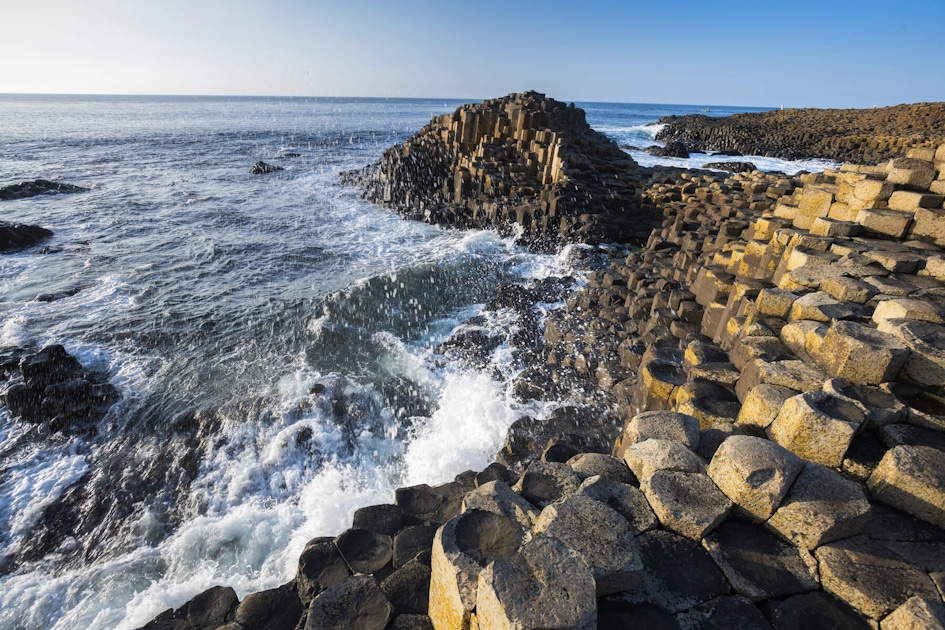
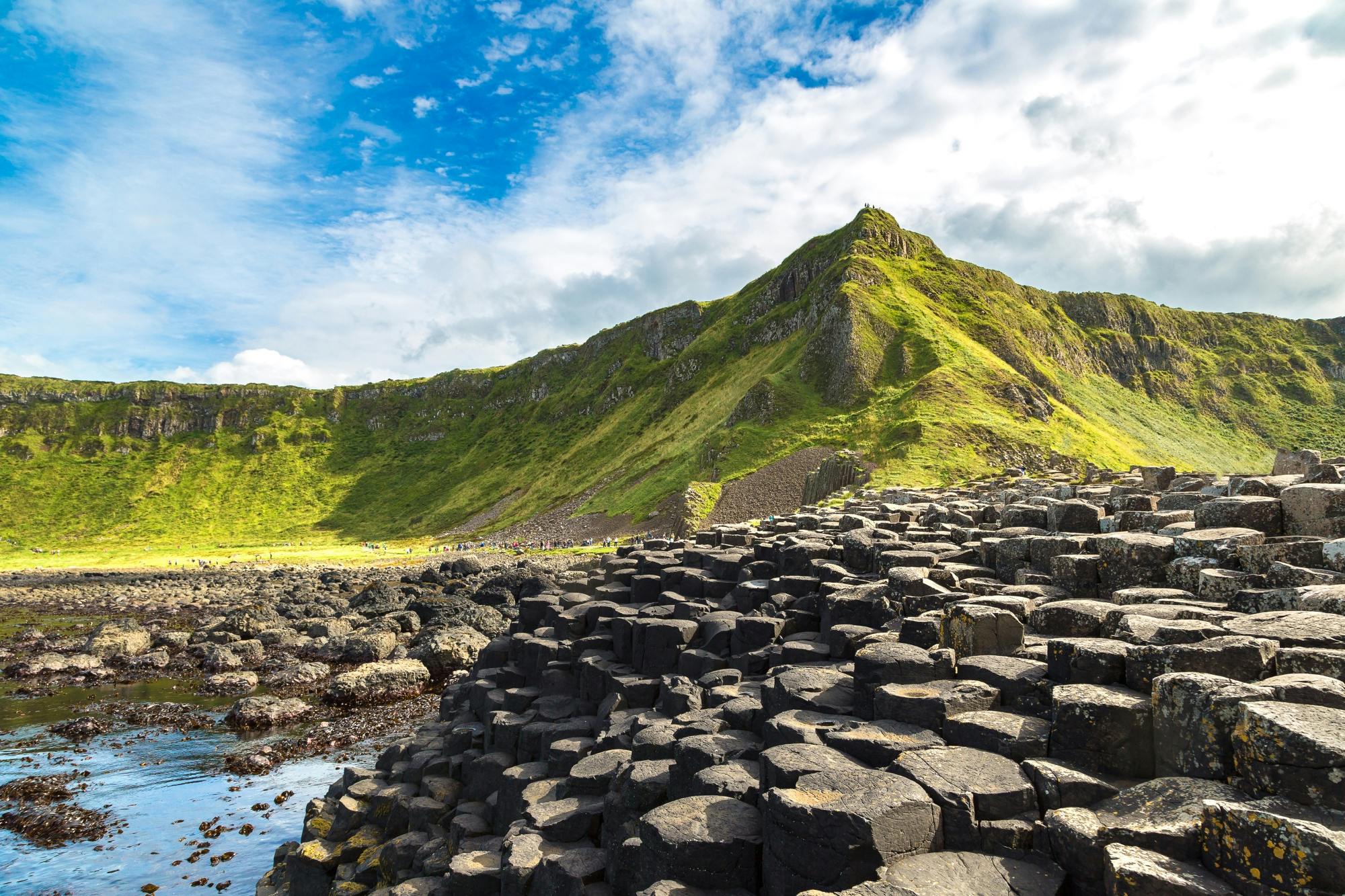
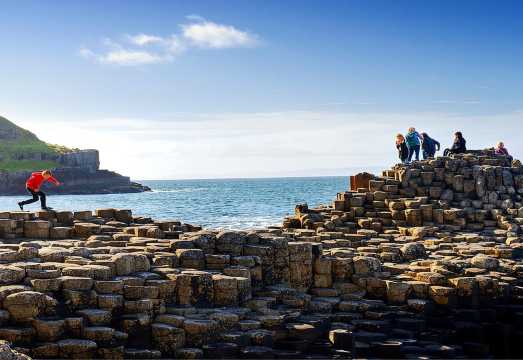
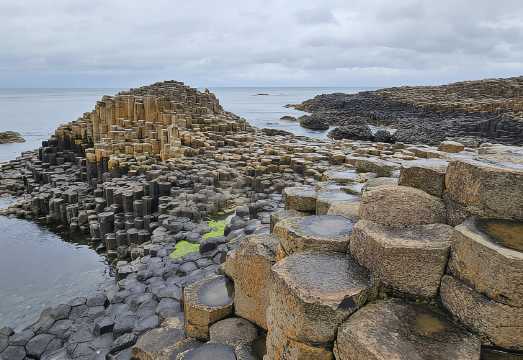
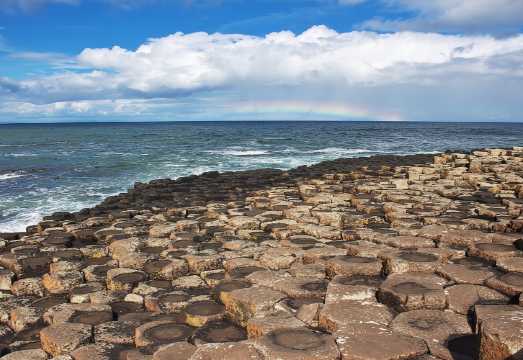
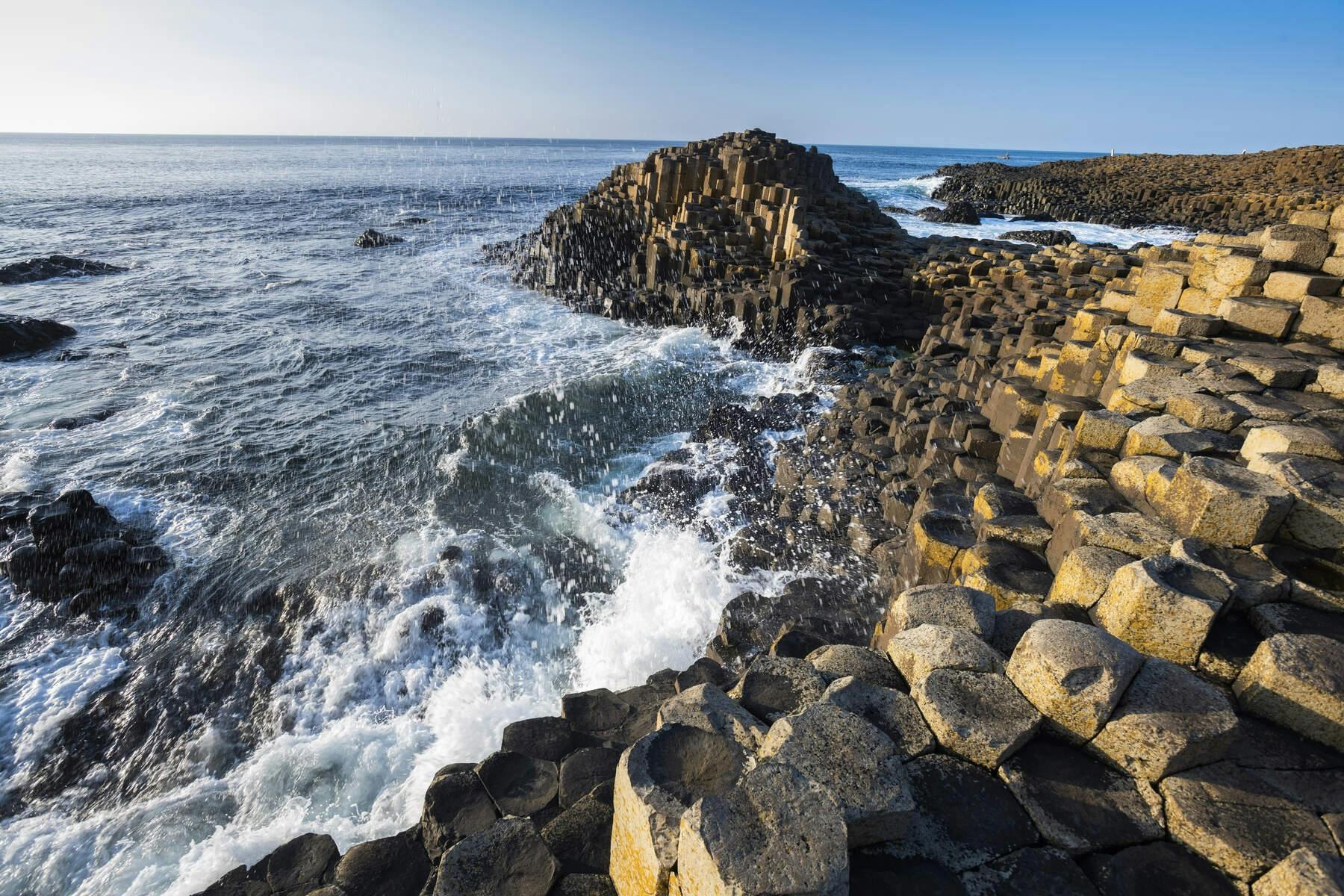
Expect a rugged coastal landscape rather than a polished indoor attraction. The main sight is the natural rock formation at sea level, where thousands of basalt columns create stepping-stone patterns along the shore. Some are low and flat, while others rise like organ pipes or honeycomb walls.
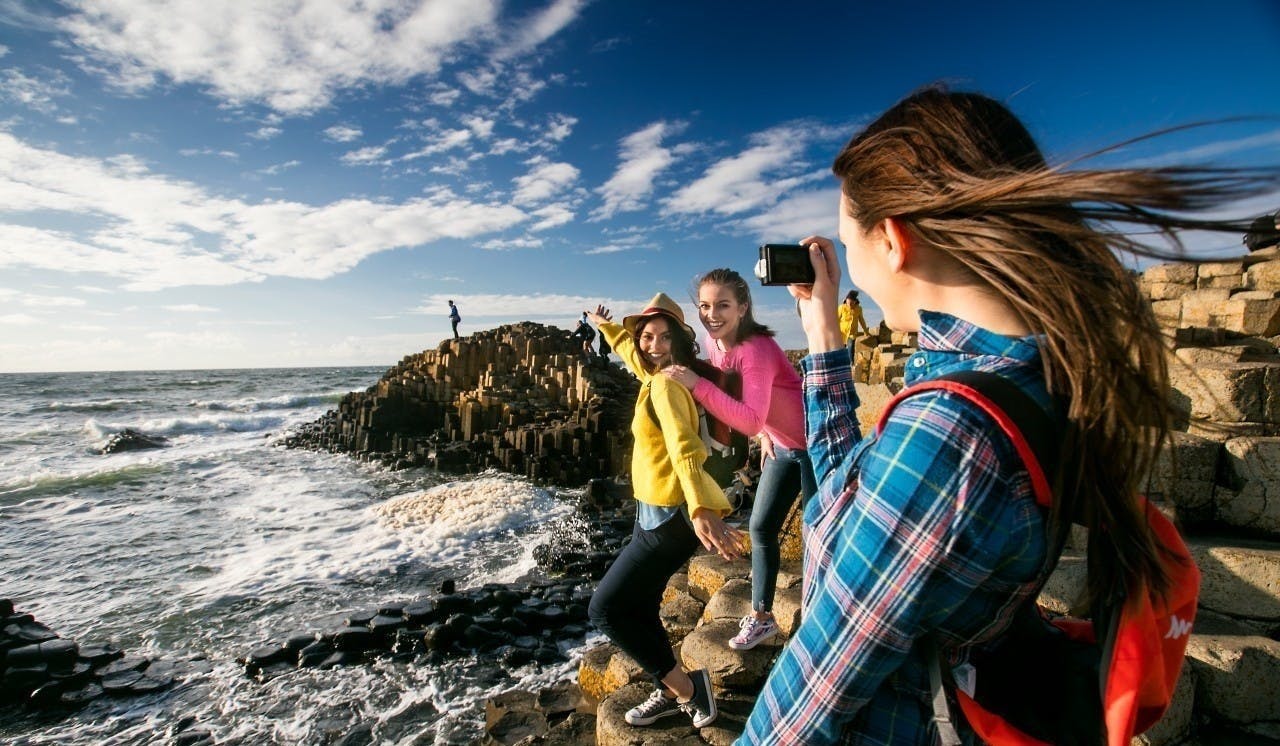
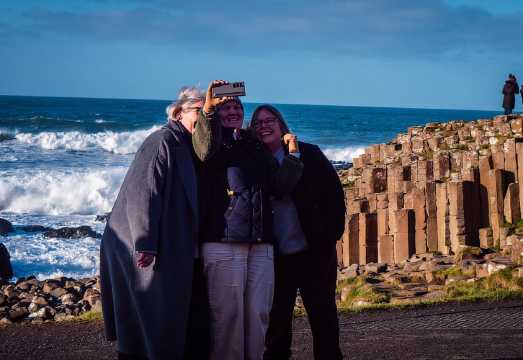
The walk down from the visitor area to the stones is part of the experience. The coastline is exposed, the weather can change quickly, and the rocks may be slippery when wet. It is beautiful, but it deserves sensible footwear and care.
What you may see
Hexagonal basalt columns
The Grand Causeway stepping-stone area
Cliff views and Atlantic waves
Rock formations linked to local legends
Causeway Coast walking trails
Visitor Centre exhibits if you choose the Visitor Experience
Shuttle bus option between the Visitor Centre area and stones, subject to operation
Sea birds and coastal vegetation
Changing weather, wind and dramatic light
What not to expect
Do not expect completely flat walking.
Do not expect the rocks to be dry or non-slip.
Do not expect calm weather just because Belfast is dry.
Do not expect empty views during peak tour hours.
Do not expect the Visitor Centre ticket to be the same thing as access to the stones.
Do not climb risky wet rocks for photos.
Do not underestimate wind near the cliffs.
Giant’s Causeway Geology
The Giant’s Causeway is famous because of its extraordinary basalt columns. These columns formed from ancient volcanic activity, when lava cooled and contracted, creating polygonal cracks. Many of the columns are hexagonal, although other shapes also appear.
UNESCO describes the site as globally important because of the exposed basalt columns, cliff formations and evidence of volcanic processes on the edge of the Antrim Plateau. For visitors, the result is a natural stone pavement that looks almost engineered, even though it is entirely geological.
Geology highlights to notice
Polygonal basalt columns
Mostly hexagonal shapes
Different column heights and textures
The “Organ” formation in the cliffs
Stepping-stone formations leading toward the sea
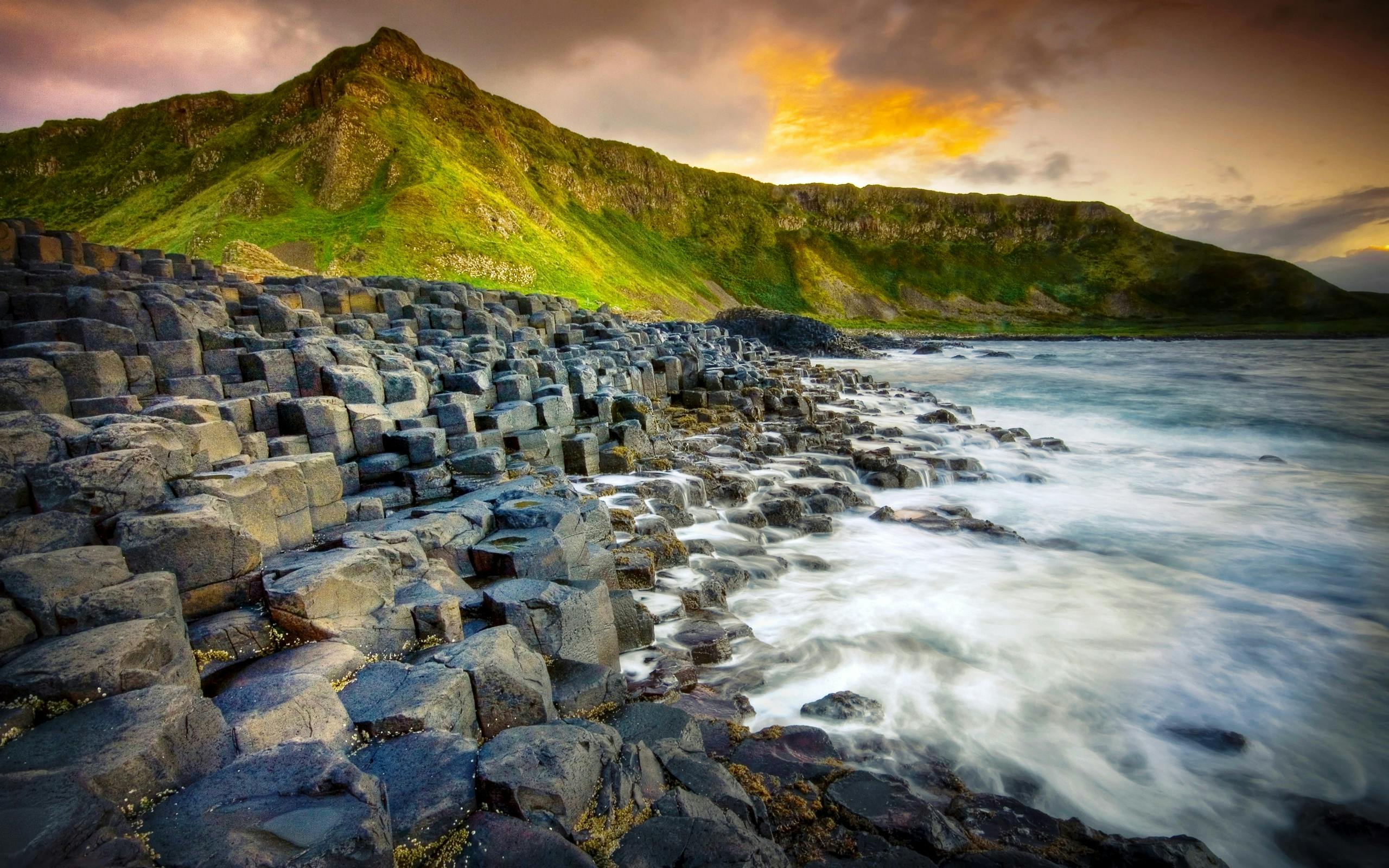
Dark basalt against green cliffs and blue-grey Atlantic water
Layered cliff exposures along the Causeway Coast
Finn McCool and the Giant’s Causeway Legend
The Giant’s Causeway is also famous for the legend of Finn McCool, the Irish giant. In the best-known version, Finn built the Causeway as a path across the sea to Scotland to confront the Scottish giant Benandonner. When Finn realised his rival was enormous, his clever wife disguised him as a baby. Benandonner saw the “baby”, imagined how huge the father must be, and fled back to Scotland, destroying the Causeway behind him.
This legend explains why similar basalt formations can also be found at Fingal’s Cave on the Scottish island of Staffa. The science and the story sit side by side, giving the place both geological and folklore appeal.
Why the legend matters
It gives the site a strong Irish folklore identity.
It makes the Causeway fun for families and children.
It connects Northern Ireland and Scotland through story.
It adds character to the visitor experience beyond geology.
It explains the name “Giant’s Causeway”.
Visitor Centre, Tickets and Access
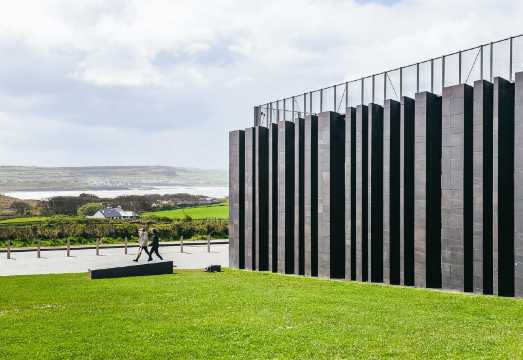
The Giant’s Causeway is managed by the National Trust. The Visitor Experience usually includes access to the Visitor Centre, interpretation, audio guide facilities or guided elements depending on the ticket, and use of the main car park for ticket holders or members. The stones themselves are reached by the coastal access route.
It is important to understand the difference between visiting the stones and using the Visitor Experience. Many visitors choose to pay for the Visitor Experience because it supports conservation and gives easier facilities, parking and interpretation. Others arrive by foot, public transport or coastal path and visit the stones without using the Visitor Centre package. Parking rules and access arrangements can change, so check the official National Trust page before travelling.
Before you go, check:
Current Visitor Centre opening times
Current Visitor Experience ticket prices
Parking availability and whether pre-booking is required
Shuttle bus operation between visitor area and stones
Weather warnings and path closures
Accessibility arrangements
Guided walk options
Public transport timetable updates
Walking Routes at the Giant’s Causeway
There are several ways to experience the Giant’s Causeway depending on your time, fitness and weather. Most visitors take the main downhill route from the Visitor Centre area to the stones and return the same way. More active visitors can add cliff-top paths or sections of the Causeway Coast Way.
Route
Best For
Traveller Notes
Main Causeway walk
Most first-time visitors
Walk from the visitor area down to the basalt columns and back.
Shuttle-supported visit
Visitors with limited mobility or time
Check current shuttle operation and conditions before relying on it.
Cliff-top path
Views and photography
More exposed; avoid in dangerous wind or poor visibility.
Causeway Coast Way sections
Hikers and slow travellers
Good if staying locally around Bushmills, Portballintrae or Portrush.
Dunseverick to Giant’s Causeway walk
Experienced walkers
Scenic coastal approach; check route conditions and transport logistics.
Walking tips
Wear grippy shoes.
Allow extra time for photos and careful footing.
Use the lower path for the classic stone-level experience.
Use cliff paths only in safe weather.
Keep children close near rocks, waves and edges.
Do not walk onto closed paths or unsafe areas.
How to Get from Belfast to the Giant’s Causeway
There are three main ways to visit the Giant’s Causeway from Belfast: guided tour, self-drive or public transport. The best choice depends on your budget, confidence driving, time available and how many coastal stops you want to include.
Transport Option
Best For
Traveller Notes
Guided coach tour
First-time visitors, no car, simple day trip
Easiest option from Belfast; often includes several coastal stops.
Private tour
Couples, families, photographers and flexible travellers
More expensive, but allows better timing and custom stops.
Rental car
Independent travellers
Best flexibility for the Causeway Coastal Route and photo stops.
Public transport
Budget travellers and slow travellers
Possible using bus or train-and-bus routes, but check timetables carefully.
Multi-day coastal trip
Travellers with more time
Best if combining Belfast, Ballycastle, Bushmills, Portrush and Derry-Londonderry.
Guided Tours from Belfast
A guided day tour is the easiest way to visit the Giant’s Causeway from Belfast. Most tours depart from central Belfast in the morning, travel north, stop at the Causeway, and add nearby places such as Dunluce Castle, Carrick-a-Rede, the Dark Hedges, Bushmills or coastal viewpoints depending on the route.
Why choose a guided tour?
No need to drive on unfamiliar roads.
Easy pickup from central Belfast or designated meeting point.
Efficient route planning.
Guide commentary about history, geology and legends.
Several coastal stops in one day.
Good value for solo travellers.
Useful if you have only one full day.
Tour booking tips
Check the exact departure point and time.
Confirm whether Giant’s Causeway Visitor Experience tickets are included or not.
Check whether Carrick-a-Rede rope bridge crossing is included or only a photo stop.
Read recent reviews for timing and crowd management.
Check how long you actually get at the Giant’s Causeway.
Bring snacks and water for the coach.
Be back at the bus on time; tours run to a schedule.
Self-Drive from Belfast
Driving from Belfast to the Giant’s Causeway gives the most flexibility. You can take a faster inland route if your priority is the stones, or a slower scenic route along the Causeway Coastal Route if you want the full coastal experience.
Self-drive advantages
Stop where you want, when you want.
Visit early or late to avoid peak tour crowds.
Add beaches, castles, villages and viewpoints.
Stay overnight in Bushmills, Portrush or Ballycastle.
Spend longer at the Causeway if the weather is good.
Self-drive tips
Pre-book official parking if using the main Visitor Centre car park.
Allow more time than the map suggests if taking scenic coastal roads.
Drive carefully on narrow coastal sections.
Do not park illegally on verges or private land.
Plan fuel, food and toilets before remote stretches.
Build in weather flexibility.
Public Transport from Belfast
Public transport from Belfast to the Giant’s Causeway is possible, but it requires timetable planning. Options may include a direct seasonal or scheduled Belfast-to-Giant’s Causeway bus, or a train from Belfast to Coleraine followed by the 402 Causeway Rambler bus toward the Giant’s Causeway and Ballycastle.
Translink timetables can change by season, day of week and public holiday, so always check the official journey planner before travelling.
Common public transport options
Goldliner 221: Belfast to Giant’s Causeway route where operating.
Train to Coleraine: useful rail hub for the Causeway Coast.
Ulsterbus 402 Causeway Rambler: links Coleraine, Portrush, Dunluce Castle, Bushmills, Giant’s Causeway, Dunseverick, Ballintoy and Ballycastle depending on service pattern.
Bus from Portrush: useful if staying on the north coast.
Public transport tips
Check the first and last services before committing.
Allow enough time for connections at Coleraine.
Do not assume evening buses run frequently.
Download timetables or screenshots in case mobile signal is weak.
Carry a card or cash for bus payment where accepted.
Use Translink’s official planner for the latest route and fare information.
Best Nearby Stops on a Belfast to Giant’s Causeway Trip
A Belfast to Giant’s Causeway day trip is often better when you add one or two nearby stops. Do not overpack the day, especially in winter when daylight is shorter, but the Causeway Coast has several excellent places nearby.
Stop
Best For
Traveller Notes
Dunluce Castle
Ruined castle photos and coastal drama
One of the easiest and most rewarding add-ons.
Carrick-a-Rede Rope Bridge
Cliff scenery and rope bridge experience
Requires separate booking / access checks when crossing.
Bushmills
Village stop, food and whiskey heritage
Close to the Giant’s Causeway.
Old Bushmills Distillery
Whiskey history
Book tours or tastings ahead where required.
The Dark Hedges
Tree avenue photography
Popular tour stop, but often crowded.
Portrush
Seaside town, beaches and food
Good if staying overnight or using public transport.
Whiterocks Beach
Beach, cliffs and coastal photos
Best in good weather and low wind.
Ballycastle
Harbour, food and coastal base
Good for a slower Causeway Coast trip.
Dunluce Castle
Dunluce Castle is one of the most photogenic castle ruins in Northern Ireland. It sits dramatically on a cliff edge between Portrush and the Giant’s Causeway, making it an easy stop on a Causeway Coast route.
Even if you do not go inside, the outside views are impressive. The castle ruins, sea cliffs and coastal backdrop make it a favourite photography stop on guided tours and self-drive itineraries.
Why visit Dunluce Castle?
Stunning cliffside ruins
Easy add-on near the Giant’s Causeway
Strong photography location
Historic atmosphere
Good stop between Portrush and Bushmills
Dunluce tips
Check opening times if you want to enter.
Bring a wind layer.
Stay behind barriers and away from cliff edges.
Visit in late afternoon for atmospheric light if self-driving.
Carrick-a-Rede Rope Bridge
Carrick-a-Rede Rope Bridge is another famous Causeway Coast attraction, located east of the Giant’s Causeway near Ballintoy. The rope bridge links the mainland cliffs to a small island and offers dramatic sea views.
Many Belfast tours include a stop nearby, but not all include crossing the bridge. Access can depend on weather, opening times, ticket availability and safety conditions.
Why visit Carrick-a-Rede?
Coastal cliff scenery
Memorable rope bridge crossing
Views toward Rathlin Island and Scotland in clear weather
Good walking and photography
Strong add-on to a Causeway Coast day
Carrick-a-Rede tips
Book ahead if crossing the bridge is important.
Check wind conditions.
Wear sturdy shoes.
Allow enough time; it is not only a quick roadside stop.
Do not rely on a tour including the crossing unless clearly stated.
Bushmills
Bushmills is the nearest village to the Giant’s Causeway and a practical stop for food, accommodation, parking alternatives and whiskey heritage. It is also home to the famous Old Bushmills Distillery.
If you are self-driving or staying overnight, Bushmills is one of the best bases for the Causeway. It is close enough for early or late visits when the main site is quieter.
Why stop in Bushmills?
Closest village to the Giant’s Causeway
Food, cafés and local services
Old Bushmills Distillery
Good overnight base
Useful for visitors without wanting to stay in a busy seaside resort
Bushmills tips
Book distillery experiences ahead if they matter to your itinerary.
Do not drink and drive.
Use Bushmills as a base for early morning Causeway photography.
Check local bus connections if travelling without a car.
The Dark Hedges
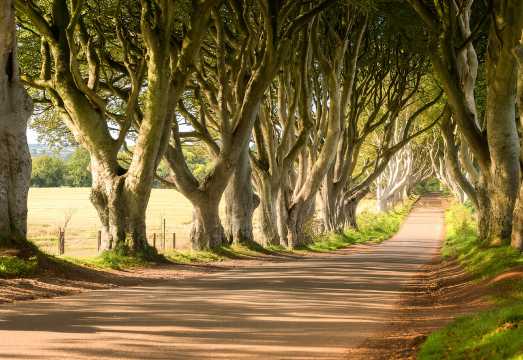
The Dark Hedges is a beech tree avenue made famous by photography and screen tourism. It is often added to Giant’s Causeway tours from Belfast, especially those with a Game of Thrones theme.
It is a beautiful stop in the right light, but it can be crowded. It is best enjoyed as a short add-on rather than the main reason for the trip.
Dark Hedges tips
Visit early or late if self-driving and hoping for quieter photos.
Use designated parking areas.
Do not damage trees or private property.
Expect tour groups during peak daytime hours.
Check current access and parking arrangements before travelling.
Portrush and Whiterocks Beach
Portrush is a seaside town near the Giant’s Causeway, useful for overnight stays, beach walks, restaurants and public transport links. Nearby Whiterocks Beach is known for limestone cliffs, sand, surf and coastal views toward Dunluce Castle.
Portrush works especially well if you want to turn the Belfast to Giant’s Causeway day trip into a slower north-coast break.
Why add Portrush?
Seaside town atmosphere
Food and accommodation options
Rail access via Coleraine connections
Whiterocks Beach and coastal walks
Good base for Dunluce Castle and the Giant’s Causeway
Suggested Belfast to Giant’s Causeway Itinerary Ideas
Option 1: Easy Guided Day Tour from Belfast
Morning: Depart central Belfast by coach tour.
En route: Stop at Dark Hedges, coastal viewpoints or castles depending on the tour.
Midday: Visit the Giant’s Causeway and walk down to the basalt columns.
Afternoon: Add Dunluce Castle, Bushmills or Carrick-a-Rede depending on itinerary.
Evening: Return to Belfast.
Option 2: Self-Drive Causeway Coast Day
Early morning: Leave Belfast and drive toward the north coast.
Stop 1: Carrickfergus Castle or Antrim Coast viewpoint if taking the scenic route.
Stop 2: Carrick-a-Rede Rope Bridge area.
Stop 3: Giant’s Causeway for 2 to 3 hours.
Stop 4: Dunluce Castle.
Optional: Dinner in Bushmills or Portrush before returning to Belfast.
Option 3: Public Transport Day Trip
Morning: Take a Belfast service toward the Giant’s Causeway where operating, or train to Coleraine.
Connection: Use the 402 Causeway Rambler bus from Coleraine toward the Giant’s Causeway.
Midday: Explore the Causeway stones and walking route.
Afternoon: Bus to Bushmills, Portrush or Coleraine depending on timetable.
Evening: Return to Belfast.
Option 4: Overnight Causeway Coast Break
Day 1: Travel from Belfast to Portrush, Bushmills or Ballycastle.
Afternoon: Visit Dunluce Castle and local coastal viewpoints.
Night: Stay near the Causeway Coast.
Day 2 morning: Visit the Giant’s Causeway early before most day tours arrive.
Afternoon: Add Carrick-a-Rede, Ballintoy or Bushmills before returning to Belfast.
Option 5: Photography-Focused Route
Sunrise: Giant’s Causeway if staying locally.
Morning: Photograph basalt columns before crowds build.
Midday: Cliff-top views and Visitor Centre.
Afternoon: Dunluce Castle and Whiterocks Beach.
Sunset: Coastal viewpoint near Portrush, Portballintrae or Dunluce if weather allows.
Best Time to Visit the Giant’s Causeway from Belfast
Time / Season
What to Expect
Advice
Early morning
Fewer people and softer light
Best if staying locally or self-driving very early.
Late morning to afternoon
Peak tour activity
Good for convenience, but expect more visitors.
Late afternoon
Better light and fewer crowds after some tours leave
Good for self-drivers and overnight visitors.
Spring
Milder weather and fresh coastal scenery
Excellent for walking and photography.
Summer
Longest daylight and busiest visitor season
Book tours and parking ahead.
Autumn
Dramatic light, fewer crowds and changeable weather
Great for photos, but bring waterproof layers.
Winter
Short daylight, wind and fewer tourists
Atmospheric but plan carefully around weather and transport.
What to Wear and Bring
The Causeway Coast is exposed to Atlantic weather. Even on a pleasant day in Belfast, the north coast can be windy, wet or slippery. Dress for changeable weather rather than city conditions.
Packing list
Comfortable walking shoes with good grip
Waterproof jacket
Warm layer or fleece
Hat or beanie in cold weather
Sunglasses in bright weather
Small day bag
Water bottle
Snacks if travelling independently
Phone with offline maps
Camera or phone with waterproof protection
Cash or card for food, bus fares, parking or tickets
Motion sickness tablets if travelling by coach on winding coastal roads
What to avoid
Smooth-soled shoes
High heels or unstable footwear
Umbrellas in strong wind
Standing too close to waves for photos
Carrying too much luggage on the coastal paths
Safety Tips
The Giant’s Causeway is a natural coastal site. The basalt columns can be uneven, wet and slippery, and waves can be unpredictable. Most visits are straightforward, but care is essential.
Safety tips
Stay on marked paths where required.
Keep children close on the rocks.
Do not turn your back on the sea near the waterline.
Do not climb wet or unstable columns for photos.
Wear proper footwear.
Avoid cliff paths in dangerous wind or poor visibility.
Respect barriers and closure signs.
Allow enough time to return before dark.
Check the weather before travelling.
Follow National Trust staff or guide advice.
Where to Stay for the Giant’s Causeway
Area
Best For
Traveller Notes
Belfast
First-time visitors and easy tours
Best if you want city attractions plus a simple Causeway day trip.
Bushmills
Closest village base
Good for early or late Causeway visits and distillery access.
Portrush
Seaside stay, restaurants and beaches
Good for a north-coast break with rail connections.
Portballintrae
Quiet coastal base
Good for walkers and slower travellers.
Ballycastle
Causeway Coast, Rathlin Island and eastern coast
Useful for combining Carrick-a-Rede, Ballintoy and the Causeway.
Derry-Londonderry
Wider northern route
Good if travelling the Causeway Coastal Route across multiple days.
Food and Local Stops
Food options vary depending on whether you are on a guided tour, self-driving or using public transport. Bushmills, Portrush and Ballycastle offer more choice than the immediate Causeway site.
Food ideas nearby
Irish stew: hearty choice in pubs and cafés.
Seafood chowder: good along the north coast.
Fish and chips: especially in Portrush or coastal towns.
Soda bread: classic Northern Irish bakery item.
Ulster fry: filling breakfast before a full day trip.
Whiskey tasting: Bushmills area, but do not drink if driving.
Coffee and cake: useful before or after the Causeway walk.
Food tips
Eat breakfast before leaving Belfast.
Bring snacks on public transport day trips.
Check lunch stops on guided tours before booking.
Book dinner in popular coastal towns during peak season.
Allow time for food if self-driving; do not rely on everything being open late.
Useful Booking Resources for Belfast and the Giant’s Causeway
The Giant’s Causeway can be visited independently or through a tour. Official sources are best for access, parking and public transport updates, while booking platforms are useful for tours, accommodation and transfers. Skimlinks may automatically convert some merchant links into affiliate links if the merchant is active in your Skimlinks account.
National Trust Giant’s Causeway – official visitor information, Visitor Experience tickets, parking, facilities, access updates and conservation information.
Discover Northern Ireland – official tourism information for the Causeway Coast, Belfast, castles, towns, beaches and itinerary planning.
Visit Belfast – useful for Belfast attractions, city tours, hotels, events and Giant’s Causeway trip ideas.
Translink – official Northern Ireland public transport planner for Belfast, Coleraine, Giant’s Causeway, Portrush, Ballycastle and bus / rail timetables.
GetYourGuide – offers Belfast to Giant’s Causeway day tours, Causeway Coast trips, Game of Thrones-themed tours and private options.
Viator – useful for Belfast day trips, private tours, shore excursions, Causeway Coast tours and guided Northern Ireland itineraries.
Trip.com – useful for Belfast hotels, flights, car hire and travel planning.
Booking.com – useful for accommodation in Belfast, Bushmills, Portrush, Ballycastle and the Causeway Coast.
Agoda – useful for comparing hotel deals in Belfast and Northern Ireland.
Booking tip: Before booking a Belfast to Giant’s Causeway tour, confirm departure time, meeting point, how long you get at the Causeway, whether Visitor Experience admission is included, whether Carrick-a-Rede crossing is included, what lunch arrangements are, and whether the tour still runs in poor weather.
Belfast Giant’s Causeway Travel Tips
Start early
Whether you are touring, driving or using public transport, an early start gives more daylight and more flexibility.
Understand the ticket situation
Access to the coastal stones and the Visitor Experience are not always the same thing. Check the official National Trust page so you know what you are paying for.
Book parking or tours ahead
In peak season, the main car park and popular tours can fill quickly.
Wear proper shoes
The basalt columns are uneven and can be slippery. Good grip matters.
Check the weather twice
Look at Belfast weather and north coast weather. They can be different.
Do not overpack the itinerary
The Causeway, Dunluce Castle and one other coastal stop make a good day. Too many stops can feel rushed.
Use public transport carefully
It can work well, but only if you check current Translink timetables and return options.
Stay overnight for better light
If photography matters, stay in Bushmills, Portrush or Portballintrae and visit the Causeway early or late.
Respect the site
Stay on safe routes, do not climb dangerous rocks and do not leave litter.
Keep Belfast as your easy base
If you only have limited time in Northern Ireland, Belfast plus a guided Giant’s Causeway day tour is the simplest plan.
Is the Giant’s Causeway Worth Visiting from Belfast?
Yes, the Giant’s Causeway is absolutely worth visiting from Belfast. It is one of Northern Ireland’s most iconic natural landmarks and combines geology, folklore, coastal scenery and easy day-trip access from the capital.
It may not suit travellers who dislike walking on uneven rocks, strong wind or busy tourist sites. It is also more rewarding if you allow enough time rather than treating it as a quick photo stop.
The best way to enjoy the trip is to choose the transport style that suits you: guided tour for convenience, rental car for flexibility, public transport for budget travel, or an overnight Causeway Coast stay for quieter light and slower exploring.
FAQs About Belfast and the Giant’s Causeway
Can you visit the Giant’s Causeway from Belfast in one day?
Yes. The Giant’s Causeway is one of the most popular day trips from Belfast and can be visited by guided tour, rental car or public transport.
How far is the Giant’s Causeway from Belfast?
The Giant’s Causeway is on the north coast of County Antrim. The direct road journey from Belfast is usually around 1.5 to 2 hours, while scenic coastal routes and tours take longer because they include extra stops.
What is the easiest way to visit the Giant’s Causeway from Belfast?
The easiest way is a guided coach tour from central Belfast. It removes the need to drive, plan parking or manage public transport connections.
Can you get to the Giant’s Causeway by public transport from Belfast?
Yes. Public transport is possible using Translink services, including Belfast-to-Causeway bus routes where operating, or train to Coleraine followed by the 402 Causeway Rambler bus. Always check current timetables before travelling.
Do you have to pay to see the Giant’s Causeway?
You should check current National Trust information before visiting. The Visitor Experience and main car park usually require a ticket or membership arrangement, while access to the coastal stones may be possible via public routes without using the Visitor Centre package.
How long do you need at the Giant’s Causeway?
Allow at least 2 hours for the main walk to the stones and photos. Allow 3 hours or more if you want the Visitor Centre, guided interpretation, cliff paths or a slower visit.
What should I wear to the Giant’s Causeway?
Wear grippy walking shoes, a waterproof jacket and layers. The coast can be windy, wet and slippery even when Belfast is calm.
What else should I see near the Giant’s Causeway?
Good nearby stops include Dunluce Castle, Bushmills, Old Bushmills Distillery, Carrick-a-Rede Rope Bridge, Ballintoy, Portrush, Whiterocks Beach and the Dark Hedges.
Is the Giant’s Causeway good for children?
Yes, it can be excellent for children because of the rocks, sea, legend of Finn McCool and outdoor space. Keep children close on wet rocks, near waves and around cliff paths.
Is the Giant’s Causeway worth visiting from Belfast?
Yes. The Giant’s Causeway is worth visiting from Belfast for its UNESCO-listed basalt columns, dramatic coast, Irish legend, photography and easy combination with Causeway Coast attractions.
::contentReference[oaicite:2]{index=2}
Sponsored Popular Items
Quick take: Trip.com offers a worldwide selection of tours and attractions and hotels
Belfast Must-Sees: Titanic Belfast, Giant’s Causeway, City Tours & Game of Thrones Belfast must-sees combine maritime history, political storytelling, Victorian architecture, whiskey heritage, street art, Game of Thrones filming locations and easy access to Northern Ireland’s dramatic Causeway Coast. The Musement Must-sees in Belfast collection brings together city tours, day trips, themed experiences and attraction-based activities. Options include Titanic Belfast, Giant’s Causeway tours, Game of Thrones routes, political taxi tours, Belfast walking tours, Cathedral Quarter experiences, whiskey tastings and self-guided audio tours. If you are planning a Belfast city break, this guide helps you choose which experiences are most useful, what to expect, what to wear, and how to build a strong…
Giant's Causeway, GOT Film Locations and Belfast City Sightseeing Tour Best deals for Giant's Causeway, GOT Film Locations and Belfast City Sightseeing Tour. Admire the unique stone formations at the Giant's Causeway, visit the unofficial 8th -World wonder, check out the most popular tourist attractions in Belfast. Available from Musement.
Giant's Causeway and Belfast Titanic tour from Dublin Best deals for Giant's Causeway and Belfast Titanic tour from Dublin. Book your Giant's Causeway and Belfast Titanic tour from Dublin to enjoy sets from Game of Thrones including the Dark Hedges and Dunluce Castle. Available from Musement.
Game of Thrones tour with Giant’s Causeway from Belfast Best deals for Game of Thrones tour with Giant’s Causeway from Belfast. Buy your Game of Thrones Tour with Giant’s Causeway now to dive into fantasy and join your favorite characters in iconic locations. Available from Musement.
Giant's Causeway, Dark Hedges, and Belfast Tour from Dublin Best deals for Giant's Causeway, Dark Hedges, and Belfast Tour from Dublin. Join this full-day tour which takes in the Giant's Causeway, Dark Hedges, and a Belfast tour. Available from Musement.
Dublin to Belfast Black Cab, Dunluce Castle and Giant's Causeway Best deals for Dublin to Belfast Black Cab, Dunluce Castle and Giant's Causeway. Get this SIM/eSIM for high-speed Internet from Trip.com in Dublin. Stay connected with family and friends. Available from trip.com.
Quick take: Trip.com helps you compare prices across accommodations. Use it to shortlist hotels, then click through to confirm the final price, room type, and inclusions on the booking site.
Belfast: Giant's Causeway & Irish Castles Tour Guided Tour Best deals for Belfast: Giant's Causeway & Irish Castles Tour Guided Tour. 5 Star Quality Accreditation Award from the Northern Ireland Tourist Board;Full live guided tour;Option to enter both castles to explore with additional fee Available from trip.com.
From Dublin: Giant's Causeway & Belfast Titanic with Ticket Best deals for From Dublin: Giant's Causeway & Belfast Titanic with Ticket. Discover the Giant's Causeway, a UNESCO World Heritage Site;Enjoy a drive along the coast of Northern Ireland on the way to Belfast;Make the most of a photo stop at Dunluce Castle Available from trip.com.
From Belfast: Giant's Causeway Full-Day Guided Trip Best deals for From Belfast: Giant's Causeway Full-Day Guided Trip. Capture one-of-a-kind photos at Carrickfergus Castle and the Dark Hedges;Climb the ancient stones and marvel at the UNESCO-listed Giant's Causeway;Experience the wild natural beauty of the rugged Causeway Coastal Route Available from trip.com.
From Belfast: Giant's Causeway and Game of Thrones Day Tour Best deals for From Belfast: Giant's Causeway and Game of Thrones Day Tour. Explore breathtaking Game of Thrones filming locations;Learn about local myths & legends & Game of thrones from your guide;Travel the full Causeway coastal route voted one of the worlds best drives Available from trip.com.
Belfast Giant's Causeway + The Dark Hedges + Dunluce Castle|Game of Thrones filming location + round-trip car service Best deals for Belfast Giant's Causeway + The Dark Hedges + Dunluce Castle|Game of Thrones filming location + round-trip car service. Embark on a fascinating adventure to explore the iconic filming locations of "Game of Thrones";Immerse yourself in the fascinating world of Giant's Causeway, a UNESCO World Heritage Site, and marvel at the intricate hexagonal basalt columns.;Embark on a journey along a route that offers breathtaking coastal views and a symphony of natural and historical landmarks Available from trip.com.
Giant’s Causeway and Best of Northern Ireland Tour from Belfast Guide The Giant’s Causeway and Best of Northern Ireland tour from Belfast is a scenic full-day coach experience that takes travellers from the city to some of Northern Ireland’s most dramatic coastal landscapes, castle ruins, Game of Thrones filming scenery and one of the country’s most famous natural landmarks. This Musement activity is listed as Giants Causeway and the best of northern Ireland from Belfast. It includes a guided tour, transportation in an air-conditioned vehicle, pickup and drop-off from designated areas, and stops such as Dunluce Castle, the Giant’s Causeway and the Dark Hedges. If you want to see the Antrim…
Quick take: Trip.com helps you compare prices across accommodations. Use it to shortlist hotels, then click through to confirm the final price, room type, and inclusions on the booking site.