Đông Hồ folk painting heritage is one of Vietnam’s most distinctive traditional art forms. Originating in Đông Hồ village in Bắc Ninh Province, this handmade woodblock-printing craft is known for bold outlines, natural colours, symbolic subjects, handmade điệp paper and scenes that capture Vietnamese family life, folk humour, prosperity, worship and the spirit of Tết, the Lunar New Year.
For generations, Vietnamese families bought Đông Hồ prints before Tết to decorate their homes, welcome good fortune and express wishes for happiness, fertility, learning, harmony and prosperity. Today, the craft is much rarer than it once was, which is why it has been recognised as a heritage tradition in need of urgent safeguarding.
Quick take: Musement.com offers a worldwide selection of tours and attractions
Hanoi: Private Tour dia tang phi lai, trang an, bich dong Vietnam Discover the beauty of Ninh Binh on a private day trip from Hanoi. Visit Dia Tang Phi Lai Pagoda, hike to Bich Dong Pagoda, and enjoy a bamboo boat ride through the Trang An landscape
For travellers, Đông Hồ is not a big theme park or major museum complex. It is a quiet craft village experience, best visited for workshops, artisan homes, cultural learning, handmade souvenirs and a deeper understanding of Vietnamese folk art. It pairs well with a Hanoi stay, Bắc Ninh cultural route, But Thap Pagoda, Dau Pagoda or other Red River Delta heritage sites.
Why Visit Đông Hồ Folk Painting Village?
Đông Hồ is worth visiting if you enjoy traditional crafts, handmade art, Vietnamese culture and meaningful souvenirs. The village gives travellers a chance to see how folk paintings are printed from carved woodblocks, coloured by hand or block-printed in layers, and finished on shimmering điệp paper.
Unlike mass-produced souvenir prints, true Đông Hồ paintings carry stories. Roosters can symbolise strength and good fortune. Pigs with yin-yang markings suggest fertility and abundance. Children, teachers, weddings, village life and satirical scenes reveal what ordinary Vietnamese families valued, laughed about and hoped for.
Đông Hồ folk painting village is best for:
Travellers interested in Vietnamese folk art and craft traditions
Visitors looking for a meaningful day trip from Hanoi
Families wanting an educational workshop-style experience
Art lovers, printmakers and designers interested in woodblock printing
People who want handmade souvenirs with cultural value
Photography lovers who enjoy workshops, paper, pigments and old prints
Travellers combining Bắc Ninh heritage, pagodas and village culture
Where Is Đông Hồ Folk Painting Village?
Đông Hồ village is in Bắc Ninh Province, east of Hanoi, in the Thuận Thành area. Older travel listings often describe it as being in Song Hồ commune, Thuận Thành district. Administrative names can change, so when travelling locally, search using the Vietnamese name Làng tranh Đông Hồ.
Location Detail
Traveller Notes
Vietnamese name
Làng tranh Đông Hồ
English name
Dong Ho Folk Painting Village / Đông Hồ Painting Village
Province
Bắc Ninh, Vietnam
Region
Red River Delta, east of Hanoi
Distance from Hanoi
Commonly listed at around 30–35 km, depending on route and starting point
Best visit style
Half-day cultural trip, artisan workshop visit or Bắc Ninh heritage day
The village is close enough for a half-day trip from Hanoi, but it is better as part of a slower cultural day if you want to include pagodas, local food and other Bắc Ninh heritage stops.
What Is Đông Hồ Folk Painting?
Đông Hồ folk painting is a traditional Vietnamese woodblock-printing craft. Artisans carve images into wooden blocks, apply natural colours and print each layer onto handmade paper. The finished works are simple at first glance, but their themes are rich with symbolism, humour and social meaning.
Historically, Đông Hồ paintings were strongly connected with Tết. Families bought new prints at the end of the lunar year, hung them at home for good fortune, then replaced them the following year. The paintings were affordable, popular and deeply connected to everyday life.
What makes Đông Hồ paintings distinctive?
Woodblock printing – images are printed from carved wooden blocks.
Natural pigments – colours traditionally come from natural materials.
Điệp paper – handmade paper coated with shell powder for a subtle shimmering surface.
Folk themes – village life, animals, children, festivals, legends and satire.
Bold outlines – strong black lines give the images clarity and charm.
Symbolic meaning – each subject usually carries wishes for luck, harmony or prosperity.
How Đông Hồ Paintings Are Made
The craft process is one of the most interesting reasons to visit Đông Hồ village. Although techniques vary by artisan and workshop, the traditional process usually involves paper preparation, woodblock carving, pigment making, layer printing and finishing.
Step
What Happens
Why It Matters
1. Preparing điệp paper
Handmade paper is coated with shell powder and natural adhesive.
This gives Đông Hồ prints their pale, slightly sparkling surface.
2. Designing the image
The picture is planned with strong outlines and symbolic composition.
The design must work clearly when printed in layers.
3. Carving woodblocks
Artisans carve separate blocks for outlines and colours.
Each block must align carefully with the next layer.
4. Preparing pigments
Traditional colours are made from natural materials such as leaves, minerals, soot or flowers.
The colours give the paintings their earthy, folk-art palette.
5. Printing layers
Each colour is printed separately, followed by the black outline block.
The final picture emerges through careful layering.
6. Drying and finishing
The print is dried and checked by the artisan.
Small irregularities are part of handmade character.
Some modern works may use adapted materials or hand-colouring, but the core identity remains tied to woodblocks, folk subjects and the shimmering điệp-paper base.
Popular Đông Hồ Painting Themes and Symbols
Đông Hồ paintings are easy to enjoy visually, but they become more meaningful when you understand their symbols. Many prints are wishes in picture form: prosperity, family happiness, good children, moral learning, social harmony or humour about everyday behaviour.
Common themes to look for
Rooster paintings – often linked with strength, protection, vitality and good fortune.
Pig family paintings – symbolise fertility, abundance and prosperity.
Boy with rooster or duck – expresses wishes for healthy children and happiness.
Teacher and student scenes – reflect respect for learning and education.
Wedding scenes – celebrate marriage, family continuity and village customs.
Mouse wedding – a famous satirical image often read as social commentary on corruption and power.
Harvest and village life – show farming, work, animals and rural community scenes.
Deity and worship prints – connected with household protection and spiritual life.
When buying a print, ask the artisan or guide what the image means. The story behind the picture is often as valuable as the artwork itself.
What to Expect When Visiting Đông Hồ Folk Painting Village
Expect a quiet craft-village atmosphere rather than a major tourist attraction. Many visitors come to see one or two artisan workshops, learn the printing process, buy handmade prints and possibly try printing a small design themselves.
The village may feel modest compared with more commercial tourist sites. That is part of its appeal. The best visits are usually arranged with a guide, local contact or workshop appointment so you can actually meet artisans and understand the craft.
What you may find
Artisan homes and family workshops
Woodblocks used for printing outlines and colour layers
Stacks of handmade paper and completed prints
Natural pigment demonstrations
Traditional images such as pigs, roosters, children and village scenes
Hands-on printing activities where available
Small display rooms or private collections
Opportunities to buy prints directly from craft families
What not to expect
Do not expect a large commercial museum with constant English tours.
Do not expect every house in the village to still make paintings.
Do not assume workshops are open without prior arrangement.
Do not expect all prints to be antique or handmade in the same way.
Do not bargain aggressively with artisans preserving a vulnerable craft.
Best Things to Do in Đông Hồ Folk Painting Village
1. Visit an artisan workshop
The best experience is visiting a family workshop where artisans explain the woodblocks, paper, pigments and printing process. This gives the craft real meaning beyond simply seeing finished pictures.
2. Try woodblock printing
Some workshops allow visitors to try printing a small design. It is a simple but memorable way to understand the skill required to align blocks, apply pigment and create a clean image.
3. Learn about điệp paper
Ask to see or learn about điệp paper. The shell-coated surface is one of the defining features of Đông Hồ prints, giving them their soft, luminous texture.
4. Study the symbols
Take time to compare different prints. The pig, rooster, child, wedding, scholar and satirical images each reveal part of Vietnamese folk belief and social life.
5. Buy a handmade print
Buying directly from a reputable artisan supports the craft. Choose an image whose meaning you understand, and ask how it was made.
6. Photograph the workshop details
Woodblocks, pigments, brushes, paper stacks and drying prints are excellent photo subjects. Always ask permission before photographing artisans or private spaces.
7. Combine with Bắc Ninh cultural sites
Đông Hồ is best paired with nearby pagodas, temples or Bắc Ninh cultural villages so the day feels full and worthwhile.
8. Visit before Tết if possible
The craft has strong Lunar New Year associations. If you visit in the lead-up to Tết, the cultural meaning of the paintings feels especially relevant, though availability and opening times should be checked carefully.
Things to Do Near Đông Hồ Folk Painting Village
But Thap Pagoda
But Thap Pagoda is one of Bắc Ninh’s most important Buddhist sites, known for elegant architecture, historic statues and peaceful grounds. It pairs well with Đông Hồ for a cultural day from Hanoi.
Dau Pagoda
Dau Pagoda is often considered one of Vietnam’s oldest Buddhist pagodas. It is an excellent nearby stop for travellers interested in religious history.
Bắc Ninh City
Bắc Ninh City is useful for meals, transport and a wider look at the province. It is also associated with Quan họ folk singing culture.
Quan họ folk singing villages
Bắc Ninh is famous for Quan họ, a UNESCO-recognised folk singing tradition. Combining Đông Hồ painting with Quan họ culture creates a strong intangible-heritage day.
Phat Tich Pagoda
Phat Tich Pagoda is another major Buddhist heritage site in Bắc Ninh, known for history, hillside setting and temple architecture.
Hanoi Old Quarter
Many travellers visit Đông Hồ as a day trip from Hanoi. After returning, the Old Quarter is a good place to continue the folk-art theme through galleries, craft shops and traditional streets.
Suggested Đông Hồ Folk Painting Itinerary Ideas
Option 1: Simple Half-Day from Hanoi
Morning: Leave Hanoi with a private driver or guided tour.
Mid-morning: Arrive at Đông Hồ village and visit an artisan workshop.
Late morning: Watch a printing demonstration and buy a handmade print.
Midday: Return to Hanoi or continue to a nearby pagoda.
Option 2: Bắc Ninh Heritage Day
Morning: Visit Đông Hồ folk painting village.
Lunch: Eat local food in Bắc Ninh or nearby Thuận Thành area.
Afternoon: Visit But Thap Pagoda and Dau Pagoda.
Late afternoon: Return to Hanoi.
Option 3: Folk Culture and Music Route
Morning: Visit Đông Hồ village for painting heritage.
Midday: Stop for a local meal.
Afternoon: Explore a Quan họ folk singing village or cultural site if arrangements are available.
Evening: Return to Hanoi with a broader understanding of Bắc Ninh’s intangible heritage.
Option 4: Art Lover’s Day Trip
Morning: Spend extra time with an artisan learning about woodblocks and paper.
Midday: Try a hands-on printing activity if available.
Afternoon: Return to Hanoi and visit a Vietnamese art gallery or craft shop.
Evening: Compare traditional folk prints with modern Vietnamese art.
Option 5: Family-Friendly Craft Visit
Morning: Travel from Hanoi after breakfast.
Mid-morning: Let children watch the block-printing process.
Workshop: Try a simple print activity if offered.
Lunch: Eat nearby or return to Hanoi.
Afternoon: Keep the day light rather than adding too many stops.
Useful Booking Resources for Đông Hồ Folk Painting Village and Hanoi Day Trips
Đông Hồ folk painting village can be visited independently, but a guide or private driver is useful because workshops may need arrangements and English interpretation can be limited. Booking platforms can also help with Hanoi cultural tours, Bắc Ninh day trips, craft workshops, transport and broader Vietnam itineraries. The suppliers below are useful places to compare travel products. Skimlinks may automatically convert these merchant links into affiliate links if the merchant is active in your Skimlinks account.
GetYourGuide – offers Hanoi day trips, craft village tours, private guides, food tours and cultural experiences that may be adapted to include Đông Hồ, Bắc Ninh or nearby heritage stops.
Viator – offers private Hanoi tours, custom day trips, traditional village visits, cultural workshops, transport and Bắc Ninh-style itineraries where available.
Klook – offers Vietnam-focused tours, Hanoi activities, attraction tickets, transfers, SIM/eSIM products and cultural experiences useful before or after a Đông Hồ visit.
KKday – offers local tours, attraction tickets, transport services and cultural activities across Asia. It is useful for comparing Hanoi, Bắc Ninh and northern Vietnam travel add-ons.
Tiqets – offers mobile-friendly tickets for museums, attractions and landmarks. It is more useful for ticketed sightseeing in Hanoi and major cities before or after a craft-village trip.
Musement – offers city tours, attraction tickets, cultural activities and local experiences. It can help travellers compare Hanoi sightseeing and wider Vietnam travel options.
G Adventures – offers small-group and multi-day adventure tours. It is best suited to travellers planning a broader Vietnam itinerary rather than a standalone Đông Hồ visit.
Go City – offers bundled city attraction passes in selected destinations. It is not a main Đông Hồ booking option, but it can help readers planning multi-city stopovers before or after Vietnam.
CityPASS – offers bundled attraction passes mainly for selected North American cities. It is not designed for Vietnam, but may suit readers planning a wider international trip.
Booking tip: Before booking a Đông Hồ craft-village tour, check whether the price includes hotel pickup, private transport, English-speaking guide, workshop visit, hands-on printing activity, artisan donation or purchase expectation, lunch, nearby pagoda stops, cancellation rules and exact return time. A private tour is usually more useful than a large group tour if you want proper craft explanation.
Đông Hồ Folk Painting Travel Tips
Arrange the workshop before you go
Do not assume every artisan home is open to casual visitors. A local guide or private tour can help arrange a proper demonstration.
Use the Vietnamese name
Search for Làng tranh Đông Hồ when using maps, taxis or local search tools. English names vary between Dong Ho Painting Village, Dong Ho folk painting village and Đông Hồ village.
Visit in the morning
Morning is usually better for workshops, photography and combining the village with nearby pagodas before returning to Hanoi.
Bring cash
Small workshops and village sellers may not accept foreign cards. Carry Vietnamese dong for purchases, tips or donations.
Buy directly from artisans where possible
This gives more support to the families preserving the craft and helps you learn the story behind your print.
Ask about the meaning of each print
The symbolism matters. A pig, rooster, child or wedding scene is not just decorative; it usually carries wishes, humour or social commentary.
Protect prints when travelling
Bring a flat folder, tube or protective envelope if you plan to buy paintings. Paper can bend easily in luggage.
Be respectful with photography
Ask before photographing artisans, family altars, private rooms or unfinished works.
Combine it with other Bắc Ninh sites
Đông Hồ alone may be a short visit, so pair it with But Thap Pagoda, Dau Pagoda, Phat Tich Pagoda or Quan họ cultural sites.
Do not over-bargain
This is a vulnerable heritage craft, not a mass-market souvenir stall. Fair purchases help preserve the tradition.
Is Đông Hồ Folk Painting Heritage Worth Visiting?
Yes, Đông Hồ folk painting heritage is worth visiting if you are interested in Vietnamese culture, traditional art, craft villages and meaningful handmade souvenirs. It is one of the most distinctive folk-art traditions in northern Vietnam and gives travellers a quieter, more thoughtful experience than Hanoi’s major tourist attractions.
It may not suit travellers wanting a large museum, polished attraction or full-day entertainment complex. The value is in the craft, the artisans and the stories behind the prints.
The best way to visit is to arrange a workshop stop, learn the printing process, buy a handmade print directly from a craft family, and combine the trip with nearby Bắc Ninh heritage sites. For anyone interested in intangible cultural heritage, it is one of the most meaningful short trips from Hanoi.
FAQs About Đông Hồ Folk Painting Heritage
What is Đông Hồ folk painting?
Đông Hồ folk painting is a traditional Vietnamese woodblock-printing craft from Bắc Ninh Province. It uses carved woodblocks, natural pigments and handmade điệp paper to create symbolic folk images.
Where is Đông Hồ painting village?
Đông Hồ painting village is in Bắc Ninh Province, east of Hanoi, in the Thuận Thành area. It is commonly listed as around 30 to 35 kilometres from central Hanoi.
Is Đông Hồ folk painting recognised by UNESCO?
Yes. The craft of making Đông Hồ folk woodblock printings was inscribed in 2025 on UNESCO’s List of Intangible Cultural Heritage in Need of Urgent Safeguarding.
Why is Đông Hồ folk painting important?
It is important because it preserves Vietnamese folk beliefs, Tết traditions, village humour, family values, worship practices and traditional handmade printmaking techniques.
What is điệp paper?
Điệp paper is handmade paper traditionally coated with shell powder and adhesive, giving Đông Hồ paintings their pale, slightly shimmering background.
What are common Đông Hồ painting subjects?
Common subjects include roosters, pigs, children, weddings, teachers, village scenes, worship images, harvest life and satirical works such as the famous mouse wedding theme.
Can visitors try making a Đông Hồ print?
Some workshops may offer hands-on printing activities, especially for tours or pre-arranged visits. It is best to organise this in advance.
How long do you need at Đông Hồ village?
Allow one to two hours for a simple workshop visit, or half a day if combining Đông Hồ with nearby pagodas and Bắc Ninh cultural sites.
What should I buy in Đông Hồ village?
Buy a handmade print directly from an artisan if possible. Choose a design whose meaning you understand, such as prosperity pigs, protective roosters, happy children or Tết blessing images.
Is Đông Hồ folk painting village worth visiting from Hanoi?
Yes, especially for travellers interested in traditional crafts, Vietnamese art and cultural heritage. It is best visited with a guide or private driver and combined with other Bắc Ninh attractions.
Sponsored Popular Items
Quick take: Musement.com offers a worldwide selection of tours and attractions
Hanoi: Private Tour dia tang phi lai, trang an, bich dong Vietnam Discover the beauty of Ninh Binh on a private day trip from Hanoi. Visit Dia Tang Phi Lai Pagoda, hike to Bich Dong Pagoda, and enjoy a bamboo boat ride through the Trang An landscape
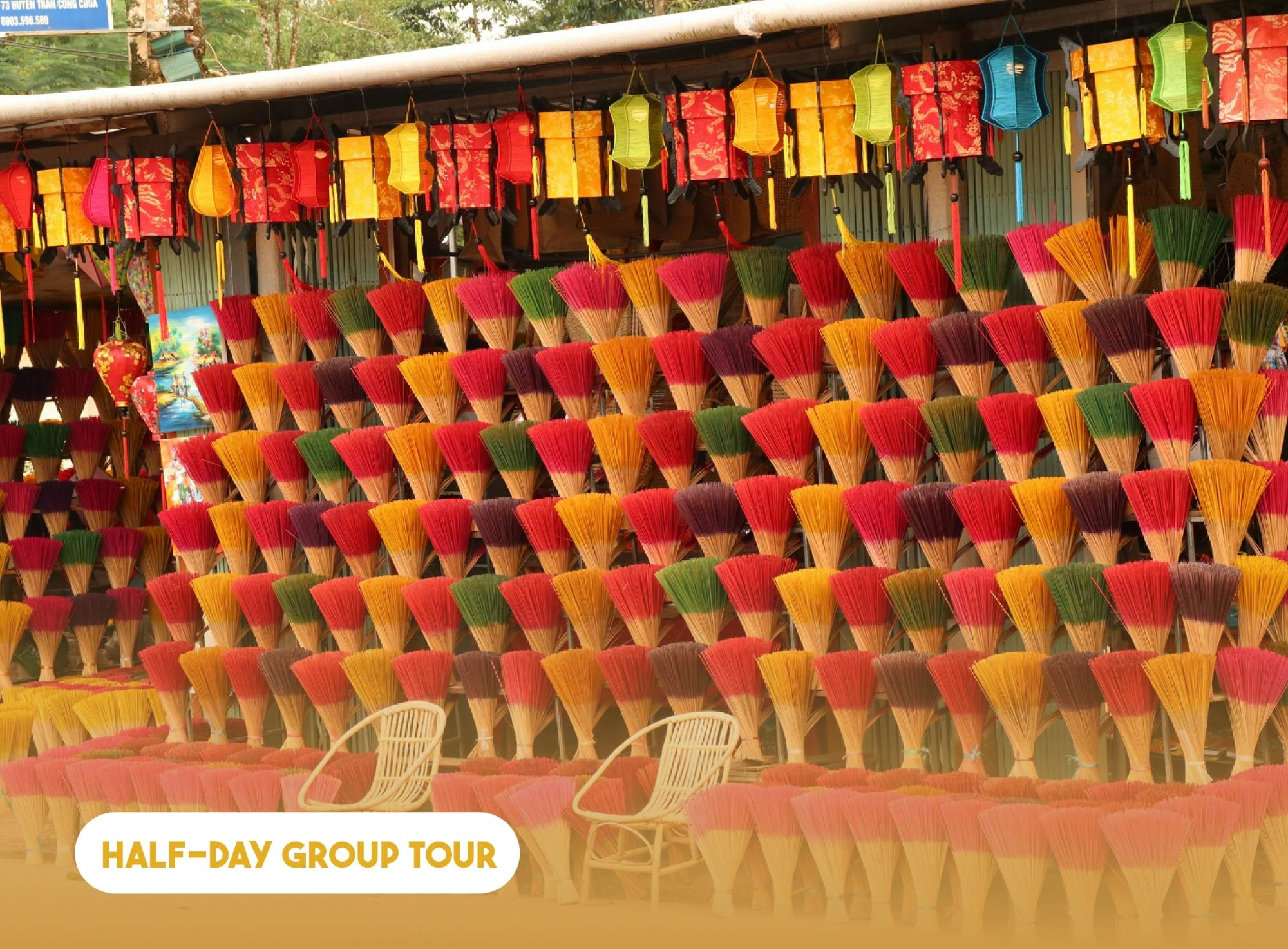
Sinh Village Painting & Thuy Xuan Incense Half-Day Tour from Hue Vietnam Half-day tour from Hue - The ancient painting crafts of Sinh Village and the Thuy Xuan incense village is a convenient way to add structure, local context and purposeful sightseeing to the itinerary. Check current availability, inclusions and booking details before you go.
Dublin: Drinking & Painting Party with Art Instructor (BYOB) Best deals for Dublin: Drinking & Painting Party with Art Instructor (BYOB). Have fun while creating your own masterpiece with this painting party in Dublin. Purchase your own alcohol while an instructor helps you to craft your own painting to take home. Available from getyourguide.com.
Ninh Binh Jeep: Trang An Boat, Bich Dong & Mua Cave Sunset Vietnam Choose a morning or afternoon Jeep tour to explore Ninh Binh's highlights. Enjoy a Trang An boat ride, visit Bich Dong Pagoda, and climb Mua Cave for panoramic views and sunset on afternoon tours
Ninh Binh: Trang An Boat Ride, Bich Dong, Mua Cave Sunset Vietnam Discover the heart of Ninh Binh in style on this unique 6-hour Jeep adventure. Ride through villages, take a boat trip through Trang An, visit ancient Bich Dong Pagoda, and climb to Mua Cave viewpoint
Ninh Binh E-bike Tour: Tam Coc Rural Life, Bich Dong & Dundj Vietnam Explore the beauty of Ninh Binh on this eco-friendly small-group e-bike tour. Ride through villages and visit Bich Dong Pagoda and Thai Vi Temple while discovering Dundj Valley's untouched and authentic nature
Ninh Binh Cycling & Jeep Tour: Trang An, Bich Dong, Mua Cave Vietnam Cycle through peaceful countryside villages and rice fields, visit Thai Vi Templ, Bich Dong Pagoda, then enjoy lunch. In the afternoon, Jeep ride to Trang An boat ride and hike to Mua Cave for sunset
Ninh Binh: Hoa Lu, Bich Dong, Trang An & Mua Cave Small Group Vietnam Discover the ancient capital of Hoa Lu, explore the hidden Bich Dong pagoda, and enjoy a sampan boat trip through the Trang An Landscape Complex on this day trip from Ninh Binh