Xishuangbanna and Pu’er make one of the most rewarding travel combinations in southern Yunnan, China. Together, they offer tropical rainforest scenery, Dai minority culture, Buddhist temples, night markets, ancient tea forests, mountain villages, coffee farms and a slower borderland atmosphere very different from Beijing, Shanghai or even Kunming.
Xishuangbanna is best known for its warm climate, tropical plants, Dai culture, Buddhist temples, elephant and rainforest attractions, and lively night markets in Jinghong. Pu’er, just north of Xishuangbanna, is famous for tea culture, ancient tea mountains, forest-grown tea landscapes, coffee production and relaxed city life.
Quick take: Musement.com offers a worldwide selection of tours and attractions
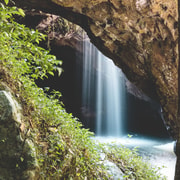
Brisbane: Rainforests, Waterfalls and Glow Worm Cave Tour Australia Explore the World Heritage-listed Gondwana rainforests near Brisbane. See stunning waterfalls, a natural bridge, and tour the glow worm caves at Cedar Creek on this unforgettable… Check current availability, inclusions and booking conditions.
This route is ideal for travellers who want Yunnan beyond the classic Dali, Lijiang and Shangri-La circuit. It is warmer, greener and more tropical, with strong links to Southeast Asia through culture, food, architecture and geography.
Why Visit Xishuangbanna and Pu’er Together?
Xishuangbanna and Pu’er work beautifully as a combined itinerary because they are close enough to travel between easily, yet different enough to give a rich and varied trip. Xishuangbanna feels tropical, colourful and lively, while Pu’er feels greener, quieter and more focused on tea, coffee and mountain culture.
In Xishuangbanna, visitors can explore Dai villages, tropical botanical gardens, rainforest parks, Buddhist temples and the Starlight Night Market. In Pu’er, the pace slows down with tea mountains, ancient tea culture, coffee experiences, old villages and forest landscapes.
This route is best for:
Travellers interested in tropical Yunnan and Dai culture
Tea lovers wanting to explore Pu’er tea origins
Visitors looking for a warm-weather China itinerary
Photographers wanting rainforest, temples, markets and tea mountains
Families wanting nature, culture and easier train travel
Food lovers interested in Dai cuisine, tea and Yunnan coffee
Travellers who want a softer alternative to high-altitude Yunnan routes
Where Are Xishuangbanna and Pu’er?
Xishuangbanna Dai Autonomous Prefecture is in the far south of Yunnan Province, near the borders with Laos and Myanmar. Its main city and transport hub is Jinghong.
Pu’er lies north of Xishuangbanna, also in southern Yunnan. It is strongly associated with tea culture, especially Pu’er tea, and also has a growing reputation for coffee production.
Place
Best For
Travel Notes
Xishuangbanna
Tropical rainforest, Dai culture, temples, night markets, botanical gardens
Base yourself in Jinghong for the easiest access to attractions.
Pu’er
Tea culture, coffee, forests, relaxed city atmosphere, mountain villages
A good stop between Kunming and Xishuangbanna.
Jingmai Mountain
Ancient tea forests, Blang and Dai villages, UNESCO-listed cultural landscape
Best visited with a driver or organised tea-focused tour.
Kunming
Main Yunnan gateway and rail/flight hub
Many travellers start in Kunming, then continue south by train or flight.
Xishuangbanna Highlights
Xishuangbanna is the tropical heart of Yunnan. Its palm-lined streets, Dai-style temples, warm evenings, night markets and lush vegetation make it feel closer to mainland Southeast Asia than northern China.
1. Jinghong
Jinghong is the main city of Xishuangbanna and the best base for most travellers. It has hotels, restaurants, riverfront areas, night markets, transport links and access to nearby temples and parks.
2. Starlight Night Market
The Starlight Night Market is one of the most popular evening attractions in Xishuangbanna. Expect food stalls, clothing, souvenirs, bright lights, photo studios, Dai-style architecture and a lively tourist atmosphere.
3. Manting Park
Manting Park is a historic royal garden-style park in Jinghong, with Dai architecture, tropical plants and cultural performances depending on the schedule. It is one of the easiest cultural stops in the city.
4. Xishuangbanna Tropical Botanical Garden
The Xishuangbanna Tropical Botanical Garden is one of the region’s most important nature attractions. It is especially worthwhile for travellers interested in tropical plants, rainforest ecosystems, giant water lilies, palms and botanical photography.
5. Wild Elephant Valley
Wild Elephant Valley is a popular rainforest and wildlife-themed attraction. While sightings of wild elephants are never guaranteed, the area is associated with Asian elephant habitat and rainforest scenery.
6. Dai Villages
Dai villages around Xishuangbanna give travellers a chance to see traditional-style houses, temples, food culture and local customs. Some villages are heavily developed for tourism, so choose carefully if you want a more authentic experience.
7. Temples and pagodas
Xishuangbanna has strong Theravada Buddhist influence. Look for golden stupas, Dai-style temple roofs, murals, monks, prayer spaces and Southeast Asian architectural details.
Pu’er Highlights
Pu’er is quieter than Xishuangbanna and is best appreciated slowly. It is a good place to learn about tea, drink coffee, visit plantations, explore forest parks and understand how Yunnan’s tea culture connects with ethnic minority communities and mountain landscapes.
1. Pu’er City
Pu’er City is a relaxed base for exploring tea culture and the surrounding countryside. It is not as flashy as Jinghong, but it has a calmer rhythm and a strong connection with tea, coffee and regional food.
2. Tea culture experiences
Pu’er is one of the best places in China to learn about fermented Pu’er tea, tea cakes, tea tasting, tea storage, old tea trees and mountain tea villages. A guided tea tasting or plantation visit can make the region far more meaningful.
3. Coffee experiences
Pu’er is also known for coffee production. Travellers can look for cafés, roasters, coffee farms or local coffee experiences that show how Yunnan has become important to China’s coffee scene.
4. Forest and nature areas
Pu’er’s landscape is green and mountainous, with forest parks, tea hills, rivers and rural roads. It is a good region for slow drives and nature-focused stops.
5. Ethnic minority culture
The wider Pu’er region is home to communities including Dai, Blang, Lahu, Wa, Hani and others. Cultural experiences vary by village and route, so travel with respect and avoid treating villages as staged photo props.
Jingmai Mountain and the Ancient Tea Forests
Jingmai Mountain is one of the most important cultural landscapes in Pu’er. The UNESCO-listed Cultural Landscape of Old Tea Forests of the Jingmai Mountain in Pu’er includes old tea groves, tea plantations, protective forests and traditional villages shaped by Blang and Dai communities over more than a thousand years.
This is not a simple tea plantation where rows of bushes are grown like a modern farm. The Jingmai landscape is famous for tea grown within forest systems, where old tea trees and surrounding woodland form part of a long-developed cultural and ecological relationship.
Why Jingmai Mountain is special
It is connected with ancient tea-growing traditions.
It includes old tea forests and traditional villages.
It reflects Blang and Dai cultural practices.
It offers misty mountain views and village photography.
It is one of the most meaningful tea destinations in Yunnan.
Good to know before visiting Jingmai
It is best visited with a driver or organised tea-focused tour.
Roads can be winding and travel times can be longer than expected.
Weather can be misty, wet or changeable.
Village stays may be simple compared with city hotels.
Tea tastings are best when guided by someone who can explain the culture and production methods.
Food, Tea and Coffee in Xishuangbanna and Pu’er
This route is excellent for food and drink lovers. Xishuangbanna brings tropical Dai flavours, herbs, sticky rice, grilled dishes and night-market snacks. Pu’er adds tea culture, coffee, mountain ingredients and Yunnan-style home cooking.
Foods and drinks to try
Dai-style grilled fish – often seasoned with herbs, chilli, lemongrass-style flavours and local spices.
Sticky rice – a common part of Dai meals and snacks.
Cold Dai-style dishes – fresh, sour, spicy and herb-heavy flavours are common.
Yunnan mushrooms – seasonal and popular, but only eat mushrooms from reputable restaurants.
Pu’er tea – try raw and ripe Pu’er tea to understand the difference.
Ancient tree tea – often more expensive and best sampled with a knowledgeable guide.
Yunnan coffee – Pu’er is a good place to try locally grown beans and specialty coffee.
Tropical fruit – Xishuangbanna markets are good for fruit, juices and desserts.
Food travel tip
If you are sensitive to chilli, oil or unfamiliar herbs, learn a few useful Mandarin phrases or use a translation app. Xishuangbanna and Pu’er food can be fresh and delicious, but flavours may be stronger than expected.
How to Travel Between Xishuangbanna and Pu’er
The easiest way to combine Xishuangbanna and Pu’er is by train. The rail line between Kunming, Pu’er and Xishuangbanna has made this southern Yunnan route much easier than it used to be.
Route
Best Transport
Notes
Xishuangbanna to Pu’er
High-speed / fast train
Often listed at around 40 minutes for the fastest direct services.
Pu’er to Xishuangbanna
High-speed / fast train
Useful for building a north-to-south or south-to-north itinerary.
Kunming to Pu’er
Train or flight plus transfer
Train is practical for travellers building a Yunnan rail itinerary.
Kunming to Xishuangbanna
Train or flight
Flight is faster; train gives a slower overland route through Yunnan.
Pu’er to Jingmai Mountain
Private driver or tour
Best arranged in advance because mountain routes take time.
Train schedules change, so always check current times and ticket availability before finalising your itinerary, especially during Chinese public holidays.
Suggested Xishuangbanna and Pu’er Itinerary Ideas
Option 1: Simple 4-Day Xishuangbanna and Pu’er Route
Day 1: Arrive in Jinghong, explore the riverfront and Starlight Night Market.
Day 2: Visit Manting Park, Dai cultural areas and temples around Jinghong.
Day 3: Travel by train to Pu’er and enjoy tea tasting or coffee stops.
Day 4: Visit a tea area, forest park or countryside route before continuing to Kunming.
Option 2: 6-Day Rainforest and Tea Route
Day 1: Arrive in Xishuangbanna and settle in Jinghong.
Day 2: Visit Xishuangbanna Tropical Botanical Garden.
Day 3: Explore Manting Park, temples and the night market.
Day 4: Train to Pu’er and enjoy city cafés, tea shops and local food.
Day 5: Day trip to tea mountains or a tea village with a driver or guide.
Day 6: Continue to Kunming or extend toward Jingmai Mountain.
Option 3: 8-Day Tea Lover’s Route
Day 1: Arrive in Kunming.
Day 2: Train to Pu’er and begin tea tastings.
Day 3: Visit Pu’er tea areas, markets or museums.
Day 4: Travel toward Jingmai Mountain.
Day 5: Explore ancient tea forests and traditional villages around Jingmai.
Day 6: Return toward Pu’er or continue south.
Day 7: Train to Xishuangbanna and explore Jinghong.
Day 8: Visit botanical gardens, Dai villages or rainforest attractions.
Option 4: Family-Friendly Southern Yunnan Route
Day 1: Arrive in Jinghong and visit the night market.
Day 2: Visit Manting Park and easy city attractions.
Day 3: Visit the Tropical Botanical Garden or a rainforest park.
Day 4: Take the train to Pu’er for a quieter tea and coffee day.
Day 5: Return to Kunming or continue the Yunnan trip.
Option 5: Slow Travel Route
Days 1–3: Stay in Jinghong for temples, markets, gardens and Dai culture.
Days 4–5: Stay in Pu’er for tea, coffee and local food.
Days 6–7: Stay near Jingmai Mountain or another tea village if transport allows.
Day 8: Return to Pu’er or continue north toward Kunming.
Things to Do Nearby
Kunming
Kunming is the main gateway to Yunnan and a practical starting or ending point for a Xishuangbanna and Pu’er itinerary. It has flights, rail connections, markets, parks and city attractions.
Mohan and the Laos border
Travellers continuing south from Xishuangbanna can head toward Mohan on the China-Laos border. Check visa and train requirements carefully before planning an international crossing.
Laos rail route
The China-Laos Railway makes longer overland travel between Yunnan and Laos possible, but international train rules, visas and ticketing should be checked before booking.
Lancang County
Lancang is important for travellers interested in Jingmai Mountain and ancient tea forest culture. It is best reached with careful transport planning.
Ning’er County
Ning’er is linked with Pu’er tea history and regional tea culture. It can be added to a tea-focused Pu’er itinerary.
Menglun
Menglun is associated with the Xishuangbanna Tropical Botanical Garden and can be a useful overnight or day-trip stop for plant and nature lovers.
Useful Booking Resources for Xishuangbanna, Pu’er and Yunnan Tours
Xishuangbanna and Pu’er can be visited independently by train, but tours, ticket platforms and private drivers can be useful for rainforest parks, Dai villages, tea mountains, Jingmai Mountain, airport transfers and multi-day Yunnan routes. The suppliers below are useful places to compare travel products. Skimlinks may automatically convert these merchant links into affiliate links if the merchant is active in your Skimlinks account.
GetYourGuide – offers China tours, private guides, cultural experiences, food tours and regional sightseeing options where available. It is useful for comparing broader Yunnan and China itinerary ideas.
Viator – offers private tours, custom drivers, regional sightseeing and China day trips. It may be useful for arranging a personalised Xishuangbanna, Pu’er or tea-culture route.
Klook – offers China-focused attraction tickets, transport products, SIM/eSIM options, activity passes and selected Yunnan experiences where available.
KKday – offers local tours, attraction tickets, transfers and cultural activities across Asia. It is useful for comparing China travel add-ons and private regional experiences.
Tiqets – offers mobile-friendly tickets for attractions, museums and landmarks. It is more useful for major city sightseeing before or after a southern Yunnan trip.
Musement – offers city tours, attraction tickets, cultural activities and local experiences. It can help travellers compare China sightseeing and broader Asia travel options.
G Adventures – offers small-group and multi-day adventure tours. It is best suited to travellers planning a broader China or Southeast Asia itinerary rather than a standalone Xishuangbanna or Pu’er visit.
Go City – offers bundled city attraction passes in selected destinations. It is not a main Yunnan booking option, but it can help readers planning multi-city stopovers before or after China.
CityPASS – offers bundled attraction passes mainly for selected North American cities. It is not designed for Yunnan, but may suit readers planning a wider international trip.
Booking tip: Before booking Xishuangbanna or Pu’er tours, check whether the price includes hotel pickup, train station transfer, English-speaking guide, rainforest park tickets, tea tasting, coffee farm visit, Dai village entry, meals, child pricing, cancellation rules and exact travel times. For Jingmai Mountain, confirm transport carefully because it is not a quick city-centre attraction.
Travel Tips for Xishuangbanna and Pu’er
Use Jinghong as your Xishuangbanna base
Jinghong has the best range of hotels, restaurants, transport, markets and tour departures. It is the easiest base for first-time visitors.
Book trains ahead during holidays
Trains between Pu’er and Xishuangbanna can be popular during peak seasons and Chinese public holidays. Book ahead where possible.
Expect a warmer climate
Xishuangbanna is tropical and can be hot and humid. Pack light clothing, sun protection, insect repellent and a rain layer.
Respect temples and Dai customs
Dress modestly at temples, remove shoes where required, and avoid loud behaviour in religious spaces.
Do not overpack the itinerary
Distances to rainforest parks, tea mountains and villages can be longer than they look. Leave space for slow meals, markets and unexpected delays.
Use a translation app
English may be limited outside major hotels and tourist services. A translation app is very useful for menus, taxis, tickets and tea tastings.
Prepare Chinese payment options
Foreign cards may not work in small shops, markets or rural areas. Carry cash and set up suitable digital payment options where possible.
Be careful with tea purchases
Pu’er tea quality and pricing vary widely. Taste before buying, compare shops and avoid pressure purchases, especially with expensive “ancient tree” tea claims.
Try Yunnan coffee in Pu’er
Tea is the region’s traditional star, but Pu’er coffee is increasingly worth trying. Visit a local café or roaster if you enjoy specialty coffee.
Check rainy-season conditions
Rain can make the landscape lush and beautiful, but it can also affect roads, hiking paths and outdoor attractions. Check conditions before long drives.
Is Xishuangbanna and Pu’er Worth Visiting?
Yes, Xishuangbanna and Pu’er are absolutely worth visiting if you want a southern Yunnan itinerary rich in rainforest scenery, Dai culture, tea heritage, coffee, tropical food and slower regional travel.
Xishuangbanna is better for lively markets, temples, tropical gardens and Dai cultural atmosphere. Pu’er is better for tea, coffee, quieter city life and ancient tea mountain routes. Together, they create a balanced itinerary that feels very different from China’s big cities and northern cultural capitals.
The best way to enjoy the route is to spend at least four to six days across both areas, use the train between Xishuangbanna and Pu’er, and add Jingmai Mountain if tea culture is a major interest.
FAQs About Xishuangbanna and Pu’er
Where are Xishuangbanna and Pu’er?
Xishuangbanna and Pu’er are in southern Yunnan Province, China. Xishuangbanna is farther south near Laos and Myanmar, while Pu’er is north of Xishuangbanna.
Can you visit Xishuangbanna and Pu’er together?
Yes. They are easy to combine, especially by train. Many travellers visit Xishuangbanna for rainforest and Dai culture, then continue to Pu’er for tea, coffee and mountain scenery.
How long is the train from Xishuangbanna to Pu’er?
The fastest direct train services are commonly listed at around 40 minutes, but schedules and travel times can change. Always check current train times before booking.
What is Xishuangbanna famous for?
Xishuangbanna is famous for tropical rainforest landscapes, Dai culture, Buddhist temples, night markets, botanical gardens, elephants and warm southern Yunnan scenery.
What is Pu’er famous for?
Pu’er is famous for Pu’er tea, ancient tea mountains, coffee production, green mountain scenery, ethnic minority culture and relaxed city life.
Is Jingmai Mountain in Pu’er worth visiting?
Yes. Jingmai Mountain is one of the most important tea landscapes in Yunnan and is especially worthwhile for travellers interested in ancient tea forests, Blang and Dai villages and tea culture.
How many days do you need for Xishuangbanna and Pu’er?
Allow at least four to six days for both areas. Add more time if you want Jingmai Mountain, tea village stays, rainforest parks or a slower travel pace.
Should I start in Pu’er or Xishuangbanna?
Either direction works. If travelling from Kunming by train, Pu’er comes before Xishuangbanna. If flying directly into Jinghong, start in Xishuangbanna and then continue north to Pu’er.
Is Xishuangbanna hot?
Yes. Xishuangbanna has a warm tropical climate, so expect heat, humidity and seasonal rain. Pack light clothing, sunscreen, insect repellent and rain protection.
Is this route good for families?
Yes. Families can enjoy botanical gardens, markets, temples, easy train travel, tea tastings, coffee stops and nature attractions. Plan carefully around heat, walking distances and long drives to mountain areas.
Sponsored Popular Items
Quick take: Musement.com offers a worldwide selection of tours and attractions
Brisbane: Rainforests, Waterfalls and Glow Worm Cave Tour Australia Explore the World Heritage-listed Gondwana rainforests near Brisbane. See stunning waterfalls, a natural bridge, and tour the glow worm caves at Cedar Creek on this unforgettable… Check current availability, inclusions and booking conditions.
Gold Coast Hinterland Tours, Rainforests & Waterfall Day Trips Australia Compare water-based experiences in Gold Coast Hinterland Tours, Rainforests & Waterfall, with practical tips on timing, inclusions and choosing the right option. Check current availability, prices and booking conditions before you go.
Ao Dai Museum Guided Tour with Try-On and Tea Break Vietnam Plan Ao Dai Museum Guided Tour with Try-On and Tea Break, a cultural or heritage experience, with practical tips on timing, inclusions and what to check before booking. Compare current availability, prices and booking conditions before you go.
Hanoi Coffee Workshop: Taste Salt, Coconut and Egg Coffee Vietnam Explore the world of Vietnamese coffee culture by making 6 unique brews, including the iconic salt coffee. Learn about from farm to cup with our host (English/Mandarin) while making a cup coffee
Traditional Ao Dai Rental with Guide in Nha Trang Vietnam Plan Traditional Ao Dai Rental with Guide in Nha Trang, a travel service, with practical tips on timing, inclusions and what to check before booking. Compare current availability, prices and booking conditions before you go.
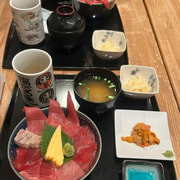
Tokyo Toyosu Tuna Auction + Breakfast (Sushi Dai or Bentomi) Best deals for Tokyo Toyosu Tuna Auction + Breakfast (Sushi Dai or Bentomi). Experience Toyosu’s famous tuna auction from your choice of viewing level—public or exclusive. Finish with options including a tuna bowl at Bentomi or sushi at Sushi Dai. Available from getyourguide.com.
HCM City: Black Virgin Mountain, Cao Dai temple & Cu Chi Vietnam Discover Black Virgin Mountain, ride a scenic cable car, visit the colorful Cao Dai Holy See, explore the legendary Cu Chi Tunnels, water fall and enjoy breakfast and lunch on this full-day tour