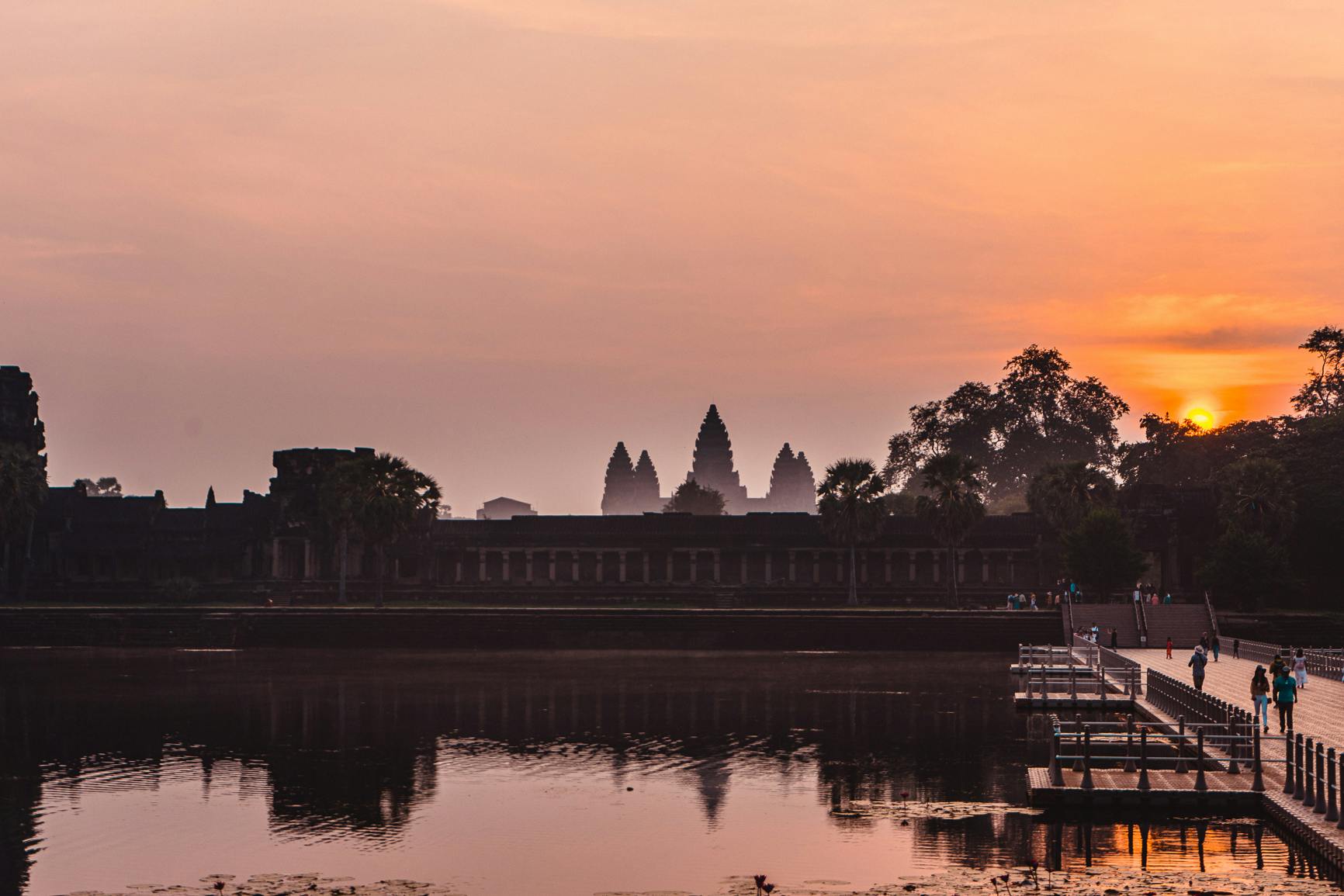
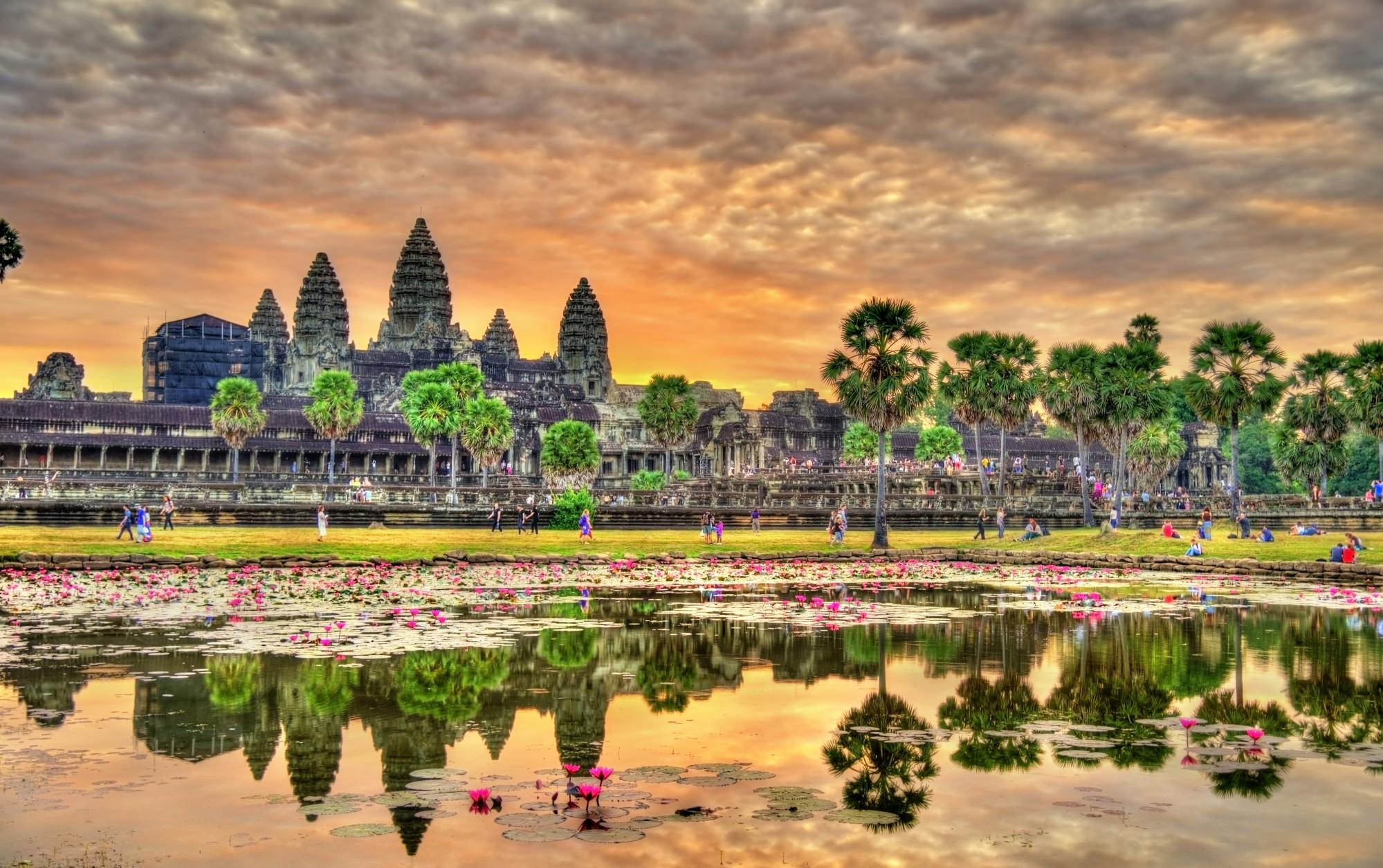
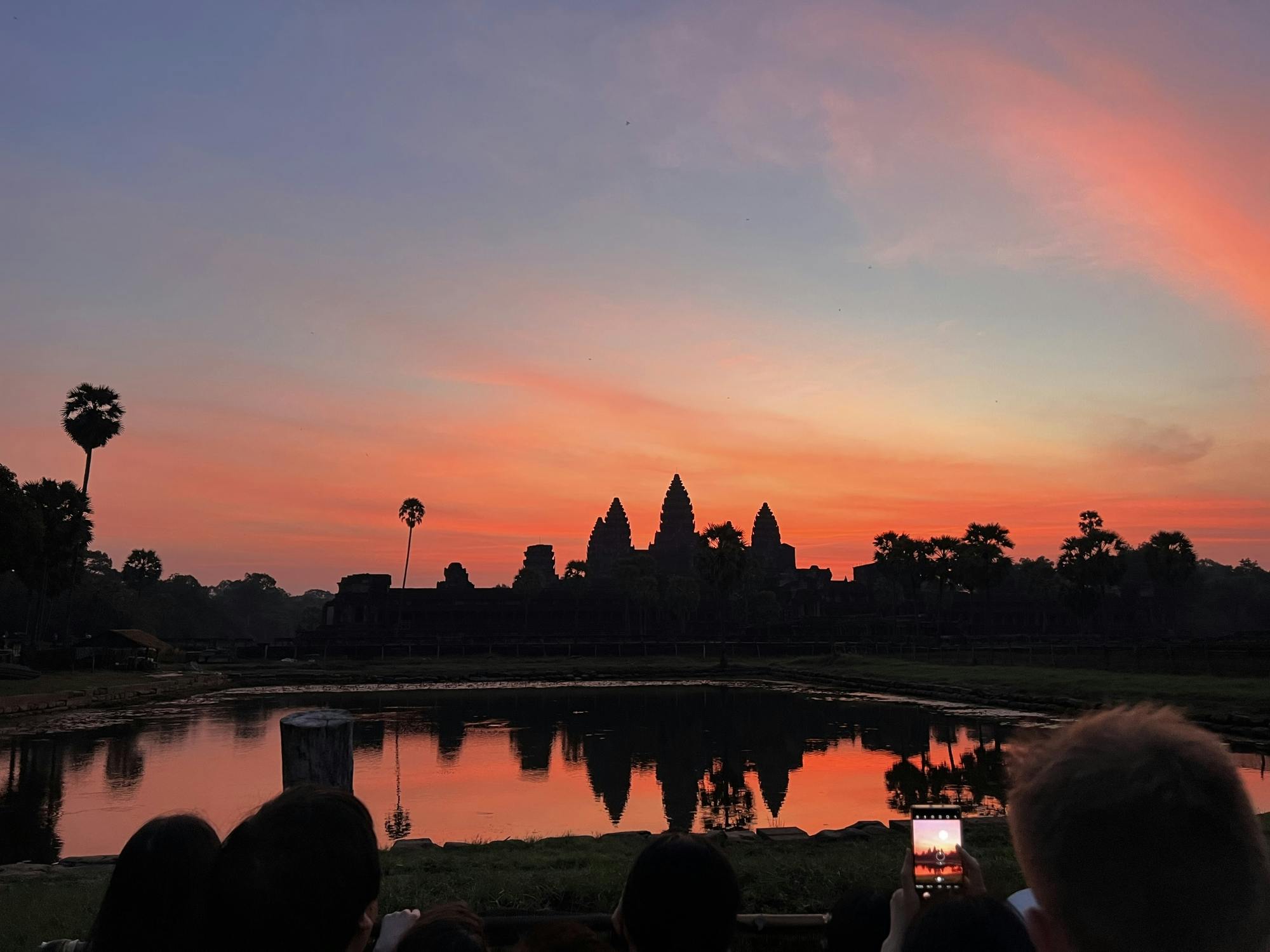
Pre Rup Temple is one of the most atmospheric temples in the Angkor Archaeological Park near Siem Reap, Cambodia. Built from warm-toned brick, laterite and sandstone, this temple-mountain rises in dramatic tiers above the surrounding landscape and is especially beautiful in the golden light of late afternoon.
Quick take: Musement.com offers a worldwide selection of tours and attractions
Angkor Wat Sunrise & Angkor Complex 4x4 Discovery Tour – Siem Reap… Cambodia Sunrise at Angkor Wat and Angkor complex discovery by 4x4 is for travellers who want movement, scenery and a more active element in their itinerary. Check current availability, inclusions and booking details before you go.
Often visited as part of the Grand Circuit temple route, Pre Rup offers a different experience from the more famous Angkor Wat and Bayon. It feels quieter, older and more rugged, with steep stairways, reddish stone towers, carved details and wide views across the Angkor countryside.
Why Visit Pre Rup Temple?
Pre Rup is worth visiting because it combines classic Khmer temple-mountain architecture with one of the most memorable sunset settings in Angkor. Its elevated platforms allow visitors to climb above the surrounding trees and look across a landscape of ancient ruins, forest and open sky.
The temple is especially appealing for travellers who enjoy photography, architecture, history and quieter temple experiences. While Angkor Wat is grand and iconic, Pre Rup feels more raw and elemental, with sun-warmed brick, steep steps and a strong sense of age.
A 10th-Century Temple-Mountain
Pre Rup was built in the 10th century during the reign of King Rajendravarman II. Its design follows the temple-mountain concept, with rising levels that symbolically represent Mount Meru, the sacred mountain at the centre of Hindu cosmology.
The temple was dedicated to Hindu worship and is often associated with Shiva. Its name is commonly interpreted in connection with funerary or transformation rituals, which adds to its mysterious atmosphere. Even without knowing the full symbolism, visitors can feel the power of the structure as they climb through its layers.
Main Features and Attractions
The Stepped Temple-Mountain Layout
The most striking feature of Pre Rup is its tiered design. The temple rises in levels, with stairways leading upward toward the central sanctuary towers. This vertical layout gives the site a strong ceremonial feeling and makes the climb part of the experience.
As you move higher, the view opens up around you. The temple becomes less about individual rooms and more about space, height, stone, sky and landscape.
The Central Towers
At the upper level, Pre Rup’s towers create the classic Angkor silhouette. Built from brick and sandstone, they have a weathered reddish tone that becomes especially beautiful in warm light.
The towers are not as finely preserved as some Angkor temples, but their rough texture and aged surfaces are part of the charm. They give Pre Rup a powerful, ancient character.
The Reddish Stone and Brickwork
Pre Rup is known for its warm colour palette. The brick and laterite surfaces glow in shades of orange, red and brown, particularly near sunset. This makes the temple one of the best places in Angkor for late-afternoon photography.
The stonework also helps distinguish Pre Rup from temples with darker jungle settings or grey sandstone façades. It has a dry, sunlit beauty that feels very different from Ta Prohm or Bayon.
The Steep Stairways
The stairways at Pre Rup are steep, so climbing requires care. The ascent is one of the reasons the temple feels dramatic, but it may not suit every visitor.
Wear shoes with good grip, take your time and avoid rushing, especially if the stone is hot, wet or crowded. The climb is rewarding, but the steps are part of the challenge.
The Sunset View
Pre Rup is widely known as a sunset temple. Late in the day, the warm light brings out the reddish colour of the towers and casts long shadows across the platforms.
The sunset view is not only about watching the sun drop. It is about the way the entire temple changes colour. The brick glows, the towers become silhouettes, and the surrounding landscape softens into gold and haze.
Best Time to Visit Pre Rup
The best time to visit Pre Rup is late afternoon, especially if you want photography and sunset atmosphere. Arriving before sunset gives you time to explore the temple, climb carefully and find a good viewpoint without rushing.
Morning can also be a good option if you prefer fewer people and cooler conditions. The light is gentler, the stone is less hot and the temple can feel calmer before the busiest tour routes arrive.
How Long Do You Need at Pre Rup?
Allow around 1 to 2 hours for Pre Rup Temple. This gives enough time to walk around the base, climb to the upper levels, take photos, enjoy the views and appreciate the temple’s structure.
If you are visiting at sunset, allow extra time. Arrive early enough to explore before the best light, then stay as the colours change across the temple.
Pre Rup on the Angkor Grand Circuit
Pre Rup is commonly included on the Angkor Grand Circuit, a temple route that explores sites beyond the most famous central temples. This makes it a useful stop for travellers who have already seen Angkor Wat, Angkor Thom and Ta Prohm, or for those who want a fuller Angkor experience.
Nearby and commonly paired temples include East Mebon, Ta Som, Neak Pean, Preah Khan and Srah Srang. Together, these sites show different styles, settings and moods within the Angkor Archaeological Park.
Nearby Temples and Attractions
East Mebon
East Mebon is close to Pre Rup and shares some architectural similarities. It is known for its temple-mountain form, elephant sculptures and historic connection to the former East Baray reservoir.
Srah Srang
Srah Srang is a large ancient reservoir often visited near sunrise or sunset. It offers a quieter, water-based contrast to Pre Rup’s dry brick platforms and rising towers.
Ta Som
Ta Som is a smaller temple with atmospheric gateways and tree-covered features. It is a good stop for travellers who enjoy the jungle-temple feeling without the scale of Ta Prohm.
Neak Pean
Neak Pean is a small island temple set within a water-based layout. It offers a completely different atmosphere from Pre Rup and adds variety to the Grand Circuit route.
Preah Khan
Preah Khan is a large and fascinating temple complex with corridors, courtyards, carvings and a partially overgrown atmosphere. It is one of the strongest highlights of the Grand Circuit.
Suggested Grand Circuit Itinerary with Pre Rup
Morning: Start with Preah Khan, one of the most impressive temples on the Grand Circuit.
Late morning: Continue to Neak Pean for a quieter water-temple experience.
Midday: Visit Ta Som and take a break for lunch or rest.
Afternoon: Explore East Mebon and nearby temple sites.
Late afternoon: Finish at Pre Rup for sunset views and warm golden light.
Photography Tips for Pre Rup
Pre Rup is one of the best temples in Angkor for warm-toned photography. The reddish brick, towers, shadows and open sky create strong images, especially in late afternoon.
Arrive before sunset so you can photograph the temple in changing light.
Take wide shots from the lower levels to capture the temple’s full structure.
Use the upper platform for views across the Angkor landscape.
Look for silhouettes of towers, lions and stairways against the sky.
Be careful when photographing on steep steps or crowded platforms.
What to Wear and Bring
Comfortable shoes: The temple has steep steps and uneven stone surfaces.
Modest clothing: Angkor temples are sacred heritage sites, so shoulders and knees should be covered.
Water: The stone can become very hot during the day.
Sun protection: Bring a hat, sunglasses and sunscreen.
Camera or phone: Pre Rup is especially photogenic in late afternoon.
Small flashlight: Useful if leaving after sunset, depending on your route and transport.
Travel Tips for Visiting Pre Rup
Visit late afternoon if you want the best light and sunset atmosphere.
Take care on the steep stairways, especially when descending.
Do not climb on fragile or restricted areas.
Combine Pre Rup with East Mebon, Ta Som, Neak Pean and Preah Khan for a full Grand Circuit day.
Bring water, as the site can feel exposed and hot.
Use a guide if you want deeper context about Khmer temple symbolism and history.
Allow time to walk around the base as well as climb to the upper levels.
Is Pre Rup Temple Worth Visiting?
Yes, Pre Rup Temple is absolutely worth visiting, especially if you want a temple experience that feels atmospheric, historic and less crowded than Angkor Wat. Its temple-mountain shape, reddish brick towers, steep stairways and sunset views make it one of the most memorable stops on the Grand Circuit.
It is especially worthwhile for photographers, history lovers and travellers who enjoy seeing the quieter but still powerful temples of Angkor.
Final Thoughts
Pre Rup Temple is one of Angkor’s most rewarding sunset temples. It may not have the fame of Angkor Wat or the jungle drama of Ta Prohm, but it has a beauty of its own: warm brick, high platforms, ancient towers and wide views over the Cambodian landscape.
Whether you visit as part of a Grand Circuit tour or make a special late-afternoon stop for golden light, Pre Rup offers a strong sense of ancient Khmer architecture and atmosphere. It is rugged, beautiful, historic and quietly unforgettable.
Frequently Asked Questions About Pre Rup Temple
Where is Pre Rup Temple?
Pre Rup Temple is located in the Angkor Archaeological Park near Siem Reap, Cambodia. It is commonly visited on the Grand Circuit temple route.
What is Pre Rup Temple famous for?
Pre Rup is famous for its 10th-century temple-mountain design, reddish brick and laterite construction, steep stairways, central towers and sunset views.
Is Pre Rup good for sunset?
Yes, Pre Rup is one of the popular sunset temples in Angkor. The warm light brings out the red and orange tones of the brick and stone.
How long should I spend at Pre Rup?
Allow around 1 to 2 hours. This gives enough time to explore the base, climb the upper levels, take photos and enjoy the views.
Is Pre Rup difficult to climb?
The climb can be steep in places. Visitors should wear good shoes, take their time and be careful when descending.
What temples are near Pre Rup?
Nearby and commonly paired temples include East Mebon, Ta Som, Neak Pean, Preah Khan and Srah Srang.
Is Pre Rup better in the morning or afternoon?
Morning is usually cooler and quieter, while late afternoon is best for golden light and sunset atmosphere.
Do you need a guide for Pre Rup?
A guide is not essential, but one can help explain the temple’s history, symbolism, architecture and place within the wider Angkor complex.
Sponsored Popular Items
Quick take: Musement.com offers a worldwide selection of tours and attractions
Angkor Wat, Angkor Thom & Ta Prohm Full-Day Private Tour – Siem Reap Guided Tour Cambodia Private One-Day Tour of Angkor Wat, Angkor Thom and Ta Prohm from Siem Reap This private full-day experience from Siem Reap is built around three of Angkor. Check current availability, inclusions and booking details before you go.
Angkor Wat Sunrise Small-Group Tour with Hotel Pickup Cambodia Angkor Wat Sunrise Small Group Tour with Hotel Pickup Angkor Wat Sunrise Small Group Tour with Hotel Pickup Sunrise at Angkor Wat is the signature experience on this multi-day Siem Reap temple itinerary. Check current availability, inclusions and booking details before you go.
Siem Reap Bike Tour with Visit to Angkor Wat Cambodia Planning Siem Reap Bike Tour with Visit to Angkor Wat For an outdoor adventure, compare the activity level, equipment and conditions with your fitness and confidence. Check current availability, inclusions and booking details before you go.
Discover Angkor Wat by Bicycle – Siem Reap Food Experience Cambodia Discover Angkor Wat by bicycle explores the destination through flavour, regional customs and the stories connected with food or drink. Check current availability, inclusions and booking details before you go.
Full-Day Angkor Temple Complex Private Tour – Siem Reap Guided Tour Cambodia Full-day Angkor Temple Complex private tour is a convenient way to add structure, local context and purposeful sightseeing to the itinerary. Check current availability, inclusions and booking details before you go.
Full-Day Angkor Temples and Tonle Lake Tour - Guided Sightseeing Tour Cambodia Full-day Angkor temples and Tonle lake tour is a convenient way to add structure, local context and purposeful sightseeing to the itinerary. Check current availability, inclusions and booking details before you go.