Blue Mountains National Park: Waterfalls, Lookouts and One of Australia’s Great Escapes
A dramatic World Heritage landscape of sandstone cliffs, deep valleys, eucalyptus forest, famous lookouts and some of the best day walks in New South Wales.
Blue Mountains National Park is one of those rare places that feels iconic before you even arrive. The name alone suggests cliffs, mist, escarpments and distant blue ridgelines, and the reality more than lives up to it. Just west of Sydney, this immense protected landscape delivers grand lookouts, accessible short walks, challenging descents, waterfalls, picnic spots and heritage-rich mountain villages that make the whole region easy to explore.
What makes the Blue Mountains so appealing is their versatility. You can come for a quick lookout stop and leave impressed, or stay for several days and barely scratch the surface. Families can enjoy easy viewpoints and short bushwalks, photographers can chase morning haze and dramatic cliffs, and more active travellers can link together waterfalls, stairs, valleys and longer escarpment tracks into a rewarding hiking itinerary.
Where Is Blue Mountains National Park?
Blue Mountains National Park lies west of Sydney in New South Wales and forms part of the Greater Blue Mountains World Heritage Area. It is a vast landscape of sandstone plateaux, escarpments, deep gorges, waterfalls and eucalypt forest, with popular access points around Katoomba, Wentworth Falls, Leura, Blackheath and Glenbrook.
Why Visit?
It is one of Australia’s most famous natural landscapes, yet it is still easy to reach from Sydney.
The park offers experiences for every pace, from accessible lookouts to longer cliff-edge hikes and steep valley descents.
The scenery is constantly changing, with waterfalls, forest, rocky ledges and wide valley views all within one region.
The surrounding mountain towns add character, making it easy to turn a day trip into a longer, slower escape.
How to Get There
By Train from Sydney
One of the best things about Blue Mountains National Park is that you do not need a car to enjoy it. Regular trains run from Sydney on the Blue Mountains Line, with stations including Wentworth Falls, Leura, Katoomba, Blackheath and Lithgow. For many visitors, Katoomba is the easiest rail base because it gives quick access to some of the best-known lookouts and walking areas.
By Car
Driving is straightforward from Sydney via the M4 and Great Western Highway. This gives you more flexibility if you want to combine several lookouts and walking areas in one day, especially if you plan to move between Katoomba, Wentworth Falls and Blackheath.
Visitor Access
The park itself is always open, but individual tracks, roads and lookouts may close temporarily because of weather, maintenance or fire danger. It is wise to check current alerts before setting out, especially if you are planning walks rather than simple sightseeing stops.
Closest Towns and Best Bases
Katoomba
Katoomba is the heart of the classic Blue Mountains visitor experience. It places you close to Echo Point, the Three Sisters, major valley views and several popular walking tracks. If you are visiting for the first time, this is usually the easiest and most practical base.
Leura
Leura sits close to Katoomba and works well if you want a charming mountain village atmosphere with easy access to walks, cafés and lookouts. It is a particularly pleasant choice for couples and travellers who prefer a slower pace.
Wentworth Falls
Wentworth Falls is ideal if you want quick access to waterfalls, scenic walking tracks and the eastern end of the Grand Cliff Top Walk. It feels a little quieter while still being close to the park’s major highlights.
Blackheath
Blackheath is a strong base for travellers who love big escarpment views and a slightly less crowded feel. It gives easy access to Govetts Leap and other Grose Valley lookouts.
What to Do in Blue Mountains National Park
1. See the Three Sisters at Echo Point
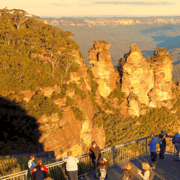
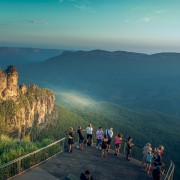
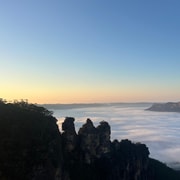
This is the park’s most famous viewpoint for a reason. Echo Point delivers classic views over the Jamison Valley and the Three Sisters rock formation, and it is one of the easiest ways to appreciate the scale of the Blue Mountains even on a short visit.
2. Walk the Three Sisters Track
If you want more than a photo stop, take the short walk from Echo Point. It adds movement and perspective to the visit and makes the landmark feel more immersive than simply viewing it from the railing.
3. Explore Wentworth Falls
Wentworth Falls picnic area is one of the best starting points in the park. From here you can enjoy lookouts, bushwalks and beautiful waterfall scenery. It works well for visitors who want a scenic half-day without committing to a very long hike.
4. Take in the Views from Govetts Leap
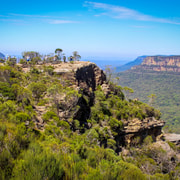
Govetts Leap is one of the most rewarding lookouts in the Blue Mountains, with sweeping views over the Grose Valley, cliff walls and waterfalls. It is also a strong option if you want spectacular scenery without a strenuous walk.
5. Hike Part of the Grand Cliff Top Walk
If you want a more immersive experience, the Grand Cliff Top Walk links Wentworth Falls, Leura and Katoomba across 19 kilometres of escarpment country. You do not have to complete the full route to enjoy it. Even a shorter section can give you a wonderful mix of waterfalls, viewpoints and village access.
6. Try an Easy Scenic Walk
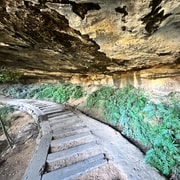
The park is not only about steep descents and full-day hikes. There are also access-friendly and easier walking options around some of the major viewpoints, which makes the region appealing for a broad range of travellers.
Suggested One-Day Blue Mountains Plan
Start early in Katoomba
Visit Echo Point and enjoy the Three Sisters views
Take a short walk if conditions suit
Head to Wentworth Falls picnic area for another change of scenery
Stop for lunch in a mountain village
Finish the day with a lookout stop at Govetts Leap in Blackheath
How Long Should You Stay?
Half a day: enough for one or two iconic lookouts
1 full day: good for the major highlights
2 to 3 days: ideal if you want to combine walks, waterfalls, villages and slower sightseeing
Longer: worthwhile for keen hikers and repeat visitors
What to Wear and Bring
Comfortable walking shoes with grip
A jacket or extra layer because mountain weather can shift quickly
Water and snacks for walks
Sunscreen and a hat
A charged phone or camera
A small daypack for longer walks
Useful Practical Tips
Check park alerts before you go, especially for walking tracks.
Start early on weekends and holidays if you want easier parking and quieter lookouts.
Do not assume every walk is easy just because the lookout is accessible. Some tracks are steep and can be challenging.
Mobile reception can be limited in parts of the park, so plan ahead for longer walks.
Pets are not permitted in the national park.
Most of the park has no general entry fee, but an $8 per vehicle per day fee applies at attractions in the Glenbrook area.
Who Will Love This Park?
First-time visitors to New South Wales
Nature lovers and photographers
Walkers wanting everything from short lookouts to longer hikes
Families looking for an easy scenic escape from Sydney
Travellers who enjoy combining wilderness with village cafés and mountain stays
Final Thoughts
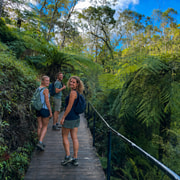
Blue Mountains National Park earns its reputation because it offers real variety without losing its sense of scale. It can be dramatic, peaceful, convenient and wild all at once. One moment you are at a busy, famous lookout; the next, you are following a track into forest and waterfall country with nothing but birdsong and cliff walls around you.
If you are planning a New South Wales itinerary, this is one of the easiest and most rewarding nature destinations to add. Give it more than a rushed stop if you can. The longer you stay, the more the Blue Mountains reveal just how much landscape, atmosphere and adventure they hold.
Sponsored Popular Items
Quick take: Musement.com offers a worldwide selection of tours and attractions
From Sydney: Blue Mountains Sightseeing And Sunset Day Tour Australia Discover the Blue Mountains with a private, luxury 9-hour tour. Enjoy stunning landscapes, iconic lookouts, and a magical sunset. Perfect for small groups, traveling in style and comfort.
Blue Mountains: Overcliff-Undercliff Guided Hike Australia Embark on a guided hike of the Overcliff-Undercliff hike in the Blue Mountains. Admire the views of the Jamison Valley, explore the beauty & see waterfalls within a part of the Blue Mountains.
Sydney: Blue Mountains 3 Scenic Walks Ultimate Guided Tour Australia Explore the Blue Mountains beyond the crowds — no queues, no theme parks, just 3 guided scenic walks, 2 panoramic valley views, 2 waterfalls and 3 villages to explore, all completed in only one day!
Sydney: Blue Mountains, Scenic World, and Featherdale Tour Australia Discover the stunning Blue Mountains. Visit the Scenic World, see unique animals at Featherdale Wildlife Park, and enjoy a comfortable private tour with only your friends or family.
Sydney: Blue Mountains Small Group: Walks, Wildlife & Dinner Australia We depart later, enjoy walks and viewpoints. Lunch and dinner included. Max 11 guests. No theme parks. No 7am pickup. Spot wild kangaroos in late afternoon sun. Discover where Charles Darwin walked.
Sydney: Blue Mountains Into the Wild – Hiking & Scenic Tour Australia Journey Into the Wild on a full-day Blue Mountains tour from Sydney. Hike scenic trails, swim in natural pools when weather allows, and connect deeply with nature – no zoos, just pure wilderness.
Blue Mountains: Private Luxury Tour Australia Explore the stunning Blue Mountains on a customizable private tour. With expert guidance and a flexible itinerary, enjoy serene landscapes and unique experiences away from the crowds!