Kakadu National Park and Fogg Dam Wetland Day Tour from Darwin Guide
The Kakadu National Park and Fogg Dam Wetland day tour from Darwin is a long but rewarding Northern Territory experience for travellers who want to see World Heritage landscapes, Aboriginal rock art, Top End wetlands and wildlife in one organised day.
This Trip.com activity is listed as a 1-day tour to Kakadu National Park + Fog Wetland from Darwin with city transfers included. The listing appears to refer to Fogg Dam Conservation Reserve, one of the most accessible wetland reserves near Darwin.
If you are visiting Darwin and want to experience Kakadu without self-driving, this tour offers a practical way to reach one of Australia’s most important natural and cultural landscapes, with transfers included from selected Darwin city hotels.
Quick Tour Overview
Activity
1-day tour to Kakadu National Park + Fog Wetland from Darwin with city transfers included
Likely Wetland Stop
Fogg Dam Conservation Reserve
Destination
Kakadu National Park and Darwin region, Northern Territory, Australia
Experience Type
Full-day nature, culture and wetland sightseeing tour
Duration
Approximately 12 hours 10 minutes according to Trip.com
Tour Format
Join-in tour
Pick-Up
Pick-up available according to Trip.com
Main Highlights
Kakadu National Park, Aboriginal rock art, Fogg Dam wetland scenery, wildlife viewing and Darwin hotel shuttle convenience
Key Themes
World Heritage landscapes, Aboriginal culture, rock art, wetlands, birdlife, Top End ecology and crocodile country
Best For
First-time Darwin visitors, culture travellers, wildlife lovers, photographers, solo travellers and visitors without a rental car
Important Note
Check whether the Kakadu Park Pass, meals and all entry fees are included in your selected package
Cancellation
Trip.com lists conditional cancellation; check the selected package before booking
Why Book This Kakadu and Fogg Dam Tour?
This tour is useful because Kakadu National Park is a long day trip from Darwin and can be difficult to organise without a car. There is no regular public transport that makes Kakadu easy to visit independently as a simple day trip, so an organised tour removes much of the transport stress.
The strongest appeal is the combination of culture and nature. Kakadu is known for Aboriginal rock art, escarpment scenery, wetlands, wildlife and deep cultural connections, while Fogg Dam adds an accessible wetland stop closer to Darwin.
For visitors with limited time in the Northern Territory, this tour offers a compact way to experience two major Top End highlights in one day: Kakadu’s cultural landscape and Fogg Dam’s wetland wildlife.
What to Expect
Expect a very long day with significant road travel. Trip.com lists the duration as approximately 12 hours 10 minutes, so this is a full-day expedition rather than a short excursion.
The tour is likely to include early pick-up, travel from Darwin toward Kakadu, time at selected Kakadu sites, Aboriginal rock art viewing, wetland scenery and a Fogg Dam Conservation Reserve stop, depending on the operator’s route and seasonal conditions.
Because Kakadu is remote and seasonal, the exact route may vary. Weather, road access, park alerts, cultural site conditions and timing can affect which stops are available on the day.
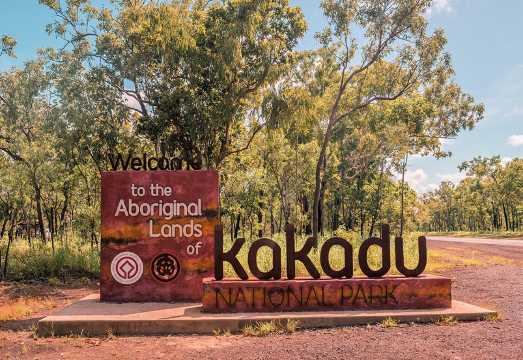
Kakadu National Park
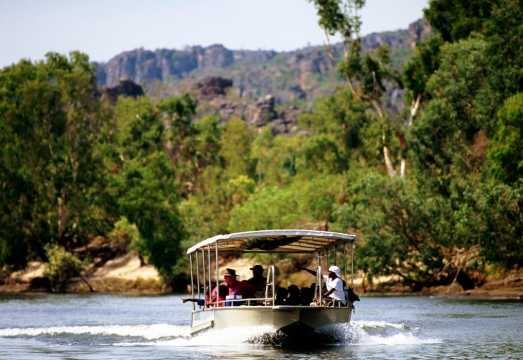
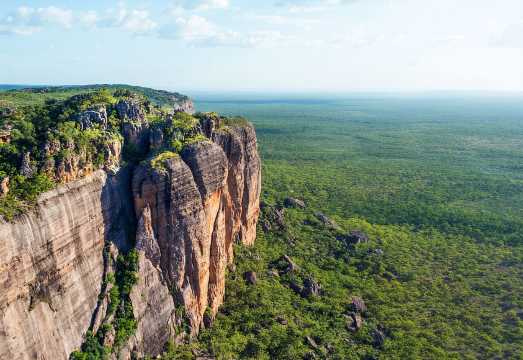
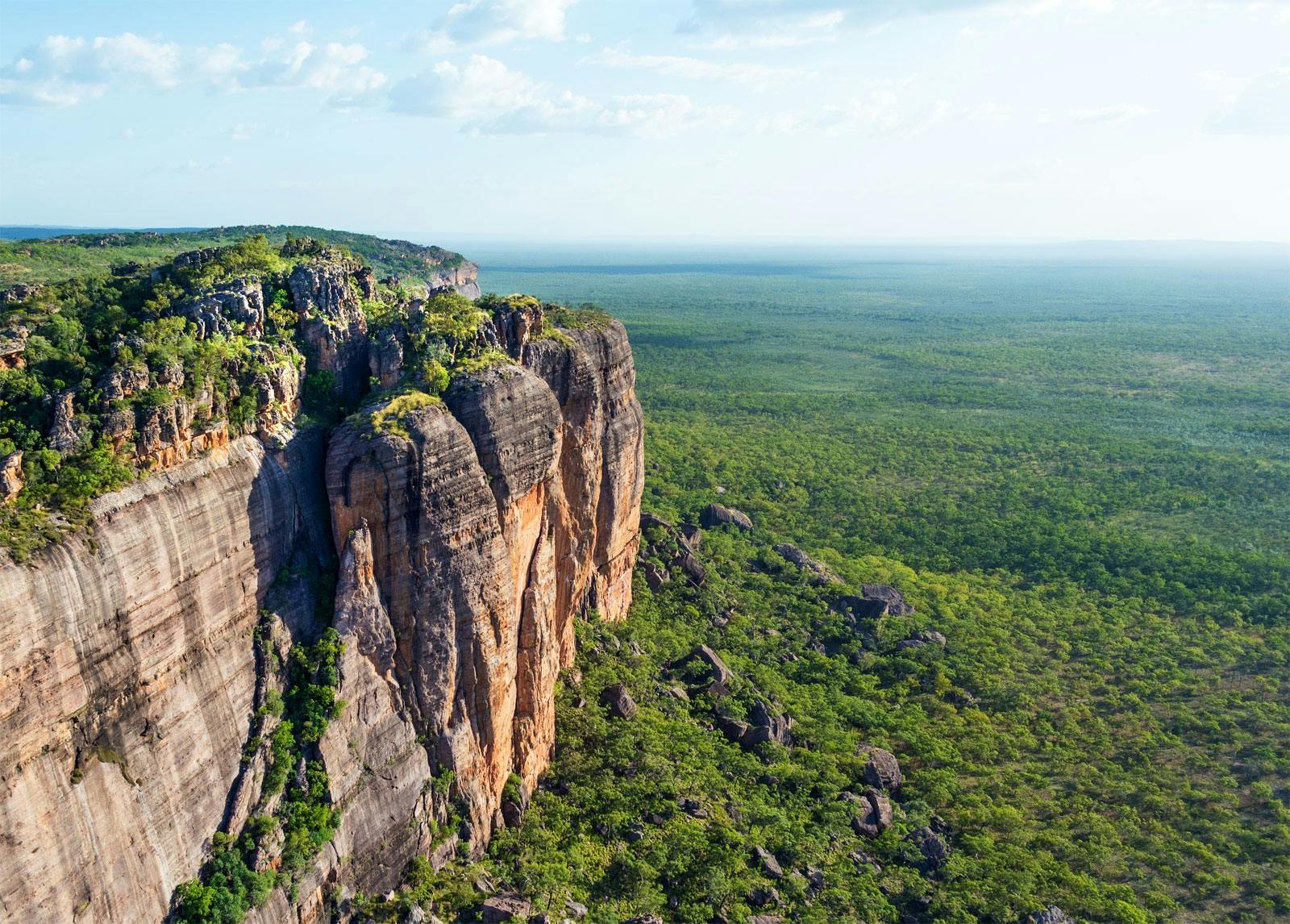
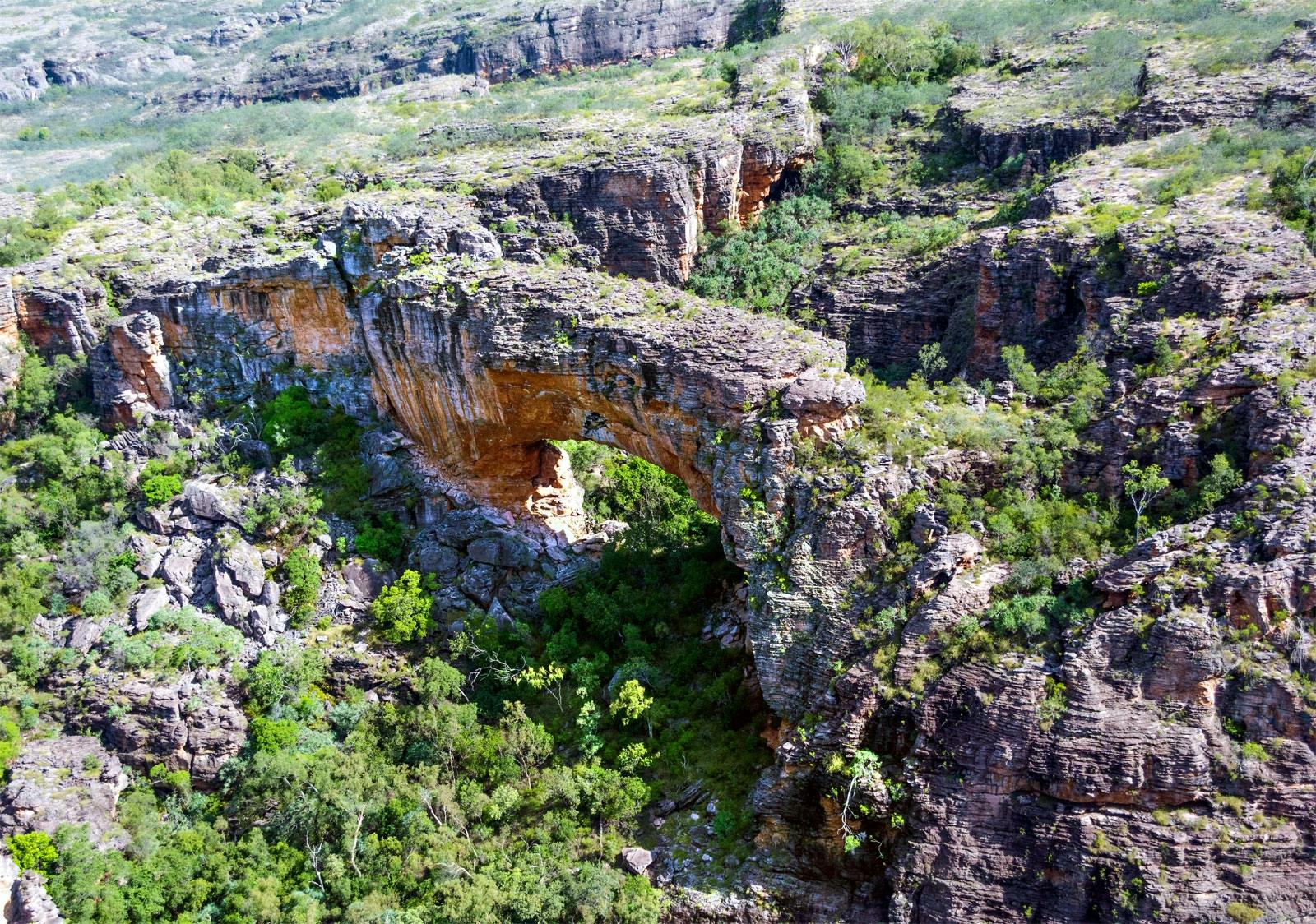
Kakadu National Park is one of Australia’s most important national parks. It is famous for its ancient Aboriginal cultural heritage, dramatic landscapes, floodplains, rock shelters, wildlife and seasonal wetlands.
The park is jointly managed with Traditional Owners and is home to extraordinary natural and cultural values. Visitors come for rock art, billabongs, escarpments, birds, crocodile country, waterfalls, lookouts and the sense of scale that makes Kakadu very different from a standard city-based day trip.
Because this is a one-day tour from Darwin, you will only see a small part of Kakadu. The park is huge, and many of its best-known places require more time, seasonal access or a 4WD. Treat this tour as a strong introduction rather than a complete Kakadu experience.
World Heritage Significance
Kakadu is listed for both natural and cultural World Heritage values. That makes it unusual and important, because it is recognised not only for scenery and biodiversity but also for Aboriginal cultural heritage.
The park’s landscapes include wetlands, floodplains, escarpments, woodlands and river systems. These environments support birds, reptiles, plants, fish and other wildlife that change with the Top End seasons.
The cultural dimension is equally important. Kakadu is a living cultural landscape, not simply a national park with old rock paintings. The land, stories, sites and living traditions remain deeply connected.
Aboriginal Rock Art
Aboriginal rock art is one of Kakadu’s most powerful visitor experiences. Parks Australia describes Kakadu as having one of the world’s greatest concentrations of rock art sites, with some paintings up to 20,000 years old.
Rock art can show animals, creation ancestors, hunting scenes, contact history, spiritual stories and changing environments. It is not just decoration; it is a record of culture, law, teaching, memory and relationship with Country.
Depending on the tour route, you may visit a public rock art site such as Burrungkuy/Nourlangie or another accessible cultural area. Exact stops depend on the operator and seasonal conditions.
Bininj/Mungguy Culture
The Aboriginal people of Kakadu are known as Bininj in the north of the park and Mungguy in the south. Their connection to Country is central to understanding Kakadu.
When visiting rock art sites or culturally sensitive places, follow all signs and guide instructions. Stay on marked paths, do not touch rock art, do not enter restricted areas and avoid treating sacred or cultural places as ordinary photo backdrops.
A guided tour can help visitors understand the cultural significance of the sites with more care and context than a quick self-guided stop.
Fogg Dam Conservation Reserve
Fogg Dam Conservation Reserve is one of the most accessible wetland areas near Darwin. The NT Government describes it as the only wetland in the Northern Territory that can be reached all year round without a 4WD, about an hour from Darwin on sealed roads.
The reserve is known for wetland views, birdlife, floodplain scenery and seasonal changes. It is a strong addition to a Kakadu day tour because it gives travellers another view of the Top End wetland environment without requiring difficult access.
Fogg Dam is also crocodile habitat, so visitors must stay on designated roads, boardwalks, viewing areas and safe platforms. Do not walk near the water’s edge or enter the water.
Top End Wetlands and Wildlife
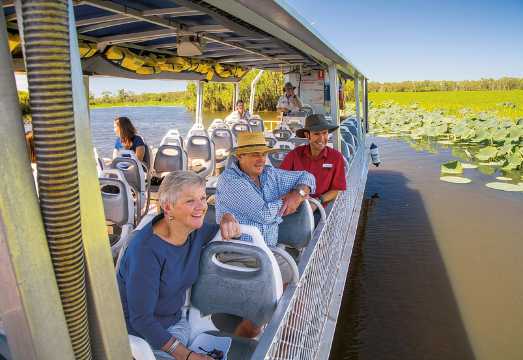
The Top End wetlands are among the most rewarding wildlife environments in northern Australia. Depending on season and water levels, visitors may see egrets, herons, jabirus, magpie geese, kites, kingfishers, waterbirds, reptiles and other wildlife.
Wetlands can look very different across the year. In the dry season, water may concentrate wildlife around billabongs and floodplain edges. In the wet season and build-up, the landscape can become greener, more humid and more dramatic.
Wildlife sightings are never guaranteed, but Fogg Dam and Kakadu both offer strong chances to experience the ecological richness of the Top End.
Darwin City Transfers
Trip.com highlights that many hotels in downtown Darwin offer shuttle services for this tour. This is a major practical advantage because Kakadu and Fogg Dam are not simple public-transport destinations.
Check your exact pick-up point and time after booking. Some tours collect from selected Darwin hotels only, while others may use central meeting points.
Because the tour is long, be ready early. A delayed departure can affect the timing of rock art stops, wetland visits and the return to Darwin.
Kakadu Park Pass Note
Visitors to Kakadu generally need a Kakadu Park Pass unless exempt. Parks Australia states that Kakadu park passes are valid for 7 days and differ by season, with dry season and tropical summer pricing.
Check whether your selected Trip.com package includes the Kakadu Park Pass. If it is not included, you may need to buy it separately or pay on the day, depending on the provider’s instructions.
This is an important detail because the NT Parks Visitor Pass does not apply to Kakadu National Park. Kakadu is managed separately by Parks Australia.
What May Be Included?
Exact inclusions depend on the selected Trip.com package, but the listing highlights:
Full-day join-in tour from Darwin
Pick-up available
City transfers from selected Darwin hotels or areas
Kakadu National Park visit
Aboriginal rock art viewing
Fogg Dam Conservation Reserve or “Fog Wetland” wetland stop
Wetland scenery and wildlife viewing opportunities
Guide commentary depending on package and operator
Check the selected package carefully to confirm whether the Kakadu Park Pass, meals, water, entry fees and all transfers are included.
What May Not Be Included?
Depending on the selected package, the following may not be included:
Kakadu Park Pass
Meals and drinks
Hotel pick-up outside the listed transfer zone
Private tour service
Optional cruises or extra activities not listed
Travel insurance
Tips
Personal expenses
Accommodation in Kakadu
Because this is a long day in a remote region, clarify inclusions before booking rather than assuming everything is covered.
Crocodile Safety Notes
Kakadu and Fogg Dam are crocodile country. The NT Government’s Be Crocwise advice says any body of water in the Top End may contain large and potentially dangerous crocodiles.
Do not swim in rivers, creeks, billabongs, wetlands or floodwaters unless an area is officially signposted as open and safe. Stay away from water edges, boat ramps and muddy banks, and always follow guide instructions.
At Fogg Dam, remain on designated viewing areas and boardwalks. In Kakadu, obey all crocodile warning signs and park closures. Crocodiles can move through freshwater, saltwater and floodplain systems, especially during seasonal changes.
Who Is This Tour Best For?
First-time Darwin visitors: The tour gives a strong introduction to Kakadu and Top End wetlands in one day.
Culture travellers: Aboriginal rock art and Kakadu’s living cultural landscape are major highlights.
Wildlife lovers: Fogg Dam and Kakadu wetlands can offer excellent birdlife and reptile viewing.
Photographers: Rock art, wetlands, floodplains and Top End light create strong photo opportunities.
Solo travellers: A join-in tour is easier than driving a long remote route alone.
Travellers without a rental car: Transfers make it possible to experience Kakadu without self-driving.
Short-stay visitors: The tour suits travellers with limited time who still want to see Kakadu from Darwin.
What to Wear
Wear practical Top End travel clothing suitable for heat, sun, walking and possible humidity.
Light breathable clothing
Comfortable walking shoes
Hat or cap
Sunglasses
Light long-sleeve shirt for sun protection
Shorts or lightweight trousers
Rain jacket during the wet season
Warm layer only if travelling in cooler dry-season mornings
Avoid flimsy sandals if walking on rocky paths or around cultural sites. Comfortable enclosed shoes are safer for a long day.
What to Bring
Trip.com voucher or booking confirmation
Photo ID if required
Kakadu Park Pass if not included and purchased separately
Water bottle
Sunscreen
Insect repellent
Hat and sunglasses
Phone or camera
Portable charger
Snacks or packed food if meals are not included
Cash or card for food, drinks or extras
Any medication needed during a long day
Rain protection during wet season
Because the tour is long, bring more water and snacks than you think you need, especially if you are sensitive to heat.
Best Time to Go
The Top End has a dry season and a tropical summer/wet season, and each changes the experience.
Dry season, roughly May to October, is the most popular travel period. Conditions are usually more comfortable, humidity is lower, and more sites are generally accessible.
Tropical summer, roughly November to April, can bring heat, humidity, storms, heavy rain and greener landscapes. Some roads, walks and sites may be affected by flooding or seasonal closures.
If this is your first visit and you want easier travel conditions, the dry season is usually the safer choice. If you enjoy dramatic tropical weather and lush wetlands, tropical summer can be beautiful but less predictable.
Weather and Seasonal Access
Kakadu access can change with the seasons. Roads, walking tracks and cultural sites may open or close depending on rain, flooding, cultural reasons, maintenance or safety.
Always check current access conditions before travel, and understand that tour operators may adjust the route if conditions change.
Heat is also a major factor. Even in the dry season, sun exposure can be strong. In the build-up and wet season, humidity can make walking feel harder than expected.
Photography Tips
Use a wide-angle lens or phone panorama mode for wetlands and floodplain views.
Do not use flash or touch rock art at cultural sites.
Photograph rock art only where photography is allowed.
Bring a lens cloth for humidity, dust or rain.
Use zoom for birds and wildlife instead of getting close.
Keep your camera ready at Fogg Dam for sudden bird sightings.
Respect cultural restrictions and guide instructions at all times.
Bring a portable charger because the day is long and photo-heavy.
The best photos are not worth leaving marked paths or ignoring safety signs. Stay on designated trails and viewing platforms.
Nearby Places to Add Around Darwin
If you have more time in the Darwin region, consider adding these Top End places:
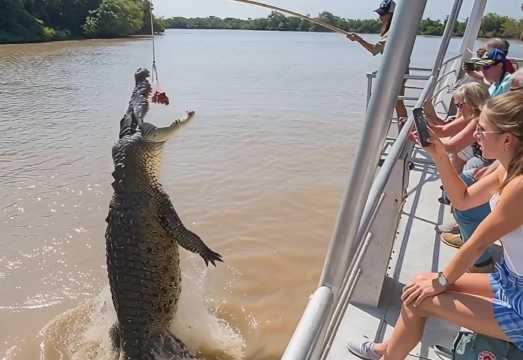
Jumping Crocodile Cruise on the Adelaide River: A dramatic crocodile viewing experience close to Darwin.
Litchfield National Park: Waterfalls, swimming areas when open, termite mounds and day-trip scenery.
Mindil Beach Sunset Market: Food stalls and sunset views during the dry season.
Museum and Art Gallery of the Northern Territory: Aboriginal art, natural history and Cyclone Tracy exhibits.
Crocosaurus Cove: A city-based crocodile and reptile attraction in central Darwin.
Darwin Waterfront: Restaurants, lagoon swimming and relaxed city atmosphere.
Berry Springs Nature Park: A popular nature and swimming area when open and declared safe.
Mary River wetlands: Another rich wetland region for wildlife and birdwatching.
Practical Tips Before Booking
Check whether the listing’s “Fog Wetland” means Fogg Dam Conservation Reserve in your package.
Confirm your Darwin pick-up location and time.
Ask whether the Kakadu Park Pass is included.
Check whether meals and water are included.
Expect a long 12-hour-plus day with significant road travel.
Wear comfortable walking shoes and sun-safe clothing.
Bring insect repellent and sunscreen.
Follow all crocodile safety advice and never enter waterways unless officially declared safe.
Respect Aboriginal cultural sites and do not touch rock art.
Check current Kakadu access alerts before travelling.
Read Trip.com’s conditional cancellation terms before booking.
Is This Tour Worth It?
Yes, the Kakadu National Park and Fogg Dam Wetland day tour from Darwin is worth considering if you want to experience Kakadu’s cultural landscape and Top End wetlands without self-driving.
The strongest advantage is convenience. Kakadu is remote, large and difficult to visit independently as a simple day trip, while Fogg Dam adds a highly accessible wetland experience close to Darwin.
The main trade-off is time. A one-day tour can only cover a small part of Kakadu, and the day involves many hours on the road. Travellers who want a deeper Kakadu experience should consider a 2-day or 3-day tour.
For first-time visitors, culture travellers, wildlife lovers and anyone short on time in Darwin, this tour is a practical and meaningful introduction to one of Australia’s most important landscapes.
What is the Kakadu National Park and Fogg Dam Wetland day tour from Darwin?
It is a full-day join-in tour from Darwin that visits Kakadu National Park and a wetland area described by Trip.com as “Fog Wetland,” likely referring to Fogg Dam Conservation Reserve.
How long does the tour take?
Trip.com lists the duration as approximately 12 hours 10 minutes.
Is this a private tour?
No. Trip.com lists the activity as a join-in tour.
Is pick-up available?
Yes. Trip.com lists pick-up as available and highlights shuttle convenience from many downtown Darwin hotels.
Does the tour visit Kakadu National Park?
Yes. Kakadu National Park is included in the Trip.com title and highlights.
Does the tour include Aboriginal rock art?
Yes. Trip.com highlights Aboriginal rock art, and Kakadu is famous for some of the world’s most significant rock art sites.
What is Fogg Dam Conservation Reserve?
Fogg Dam Conservation Reserve is an accessible wetland reserve near Darwin, known for birdlife, wetland scenery and Top End wildlife viewing.
Is Fogg Dam accessible all year?
The NT Government describes Fogg Dam as the only wetland in the NT accessible all year round without a 4WD, reached by sealed road from Darwin.
Do I need a Kakadu Park Pass?
Visitors to Kakadu generally require a Kakadu Park Pass unless exempt. Check whether your selected tour package includes the pass or whether you need to buy it separately.
Are meals included?
Meal inclusions depend on the selected Trip.com package. Check the details before booking and bring snacks and water for the long day.
Is this tour suitable for children?
It can suit children who can manage a very long day of travel and follow safety instructions carefully, especially around waterways and cultural sites.
Can I swim during the tour?
Do not swim in Top End waterways unless a site is officially open and declared safe. Kakadu and Fogg Dam are crocodile country, and crocodile safety advice must be followed.
What should I wear?
Wear light breathable clothing, comfortable walking shoes, a hat, sunglasses and sun protection. Bring rain protection during the wet season.
What should I bring?
Bring your voucher, photo ID, water, sunscreen, insect repellent, hat, camera, portable charger, snacks, cash or card, and any medication needed during a long day.
What is the best season for this tour?
The dry season from about May to October is generally the most comfortable and predictable period. Tropical summer can be lush and dramatic but may bring heat, humidity, storms and access changes.
Is this enough time to see Kakadu properly?
It is enough for an introduction, but not enough to see Kakadu in depth. Travellers who want more time at waterfalls, billabongs, lookouts and cultural sites should consider a multi-day Kakadu tour.
What is the cancellation policy?
Trip.com lists conditional cancellation, so check the selected package terms carefully before booking.
Is this tour worth booking from Darwin?
Yes, if you want a convenient one-day introduction to Kakadu, Aboriginal rock art and Top End wetlands without arranging your own long-distance transport.
Sponsored Popular Items
Quick take: Trip.com offers a worldwide selection of tours and attractions and hotels
1-hour scenic flight tour of Kakadu from Jabiru Best deals for 1-hour scenic flight tour of Kakadu from Jabiru. Sit back and take in the majesty of Australia's largest National Park, Kakadu, on this 1-hour scenic flight from Jabiru. Available from Musement.
Kakadu 30-minute scenic flight from Jabiru USD 109 Best deals for Kakadu 30-minute scenic flight from Jabiru. Best seen from the air, enjoy aerial views over the World Heritage Listed Kakadu National Park on this 30-minute scenic flight departing from Jabiru. Available from musement.com.
Darwin Kakadu National Park + Jumping Crocodile Cruise 1-day tour with city transfers AUD 394.45 Best deals for Darwin Kakadu National Park + Jumping Crocodile Cruise 1-day tour with city transfers. Explore the World Heritage-listed Kakadu National Park and admire its magnificent natural beauty and Indigenous rock art!;Check out the thrilling "Jumping Crocodile" cruise on the Adelaide River! Experience the raw power of these magnificent beasts.;Many hotels in Darwin city offer transfers, making it easy to experience the two major highlights of the Northern Territory. Available from trip.com.
1-day tour to Kakadu National Park + Fogg Dam + Ubirr Rock in Northern Territory with Darwin pickup and drop-off AUD 244.45 Best deals for 1-day tour to Kakadu National Park + Fogg Dam + Ubirr Rock in Northern Territory with Darwin pickup and drop-off. Join our adventure as we uncover the fascinating side of Kakadu.;Depart from Darwin, traverse through the rich floodplains, and head to Kakadu National Park;Admire colorful birds and see some species unique to the Northern Territory Available from trip.com.
Darwin round-trip Kakadu National Park + crocodile cruise 1-day tour [city transfers | lunch included] AUD 393.35 Best deals for Darwin round-trip Kakadu National Park + crocodile cruise 1-day tour [city transfers | lunch included]. Northern Territory premium English tour with optional Chinese guide;Classic itinerary: Kakadu National Park, crocodile cruise, cultural center;[Hotel Transfer] Fixed hotel transfers in Darwin city with English-speaking driver-guide Available from trip.com.
Darwin round-trip Kakadu National Park 1-day tour [crocodile cruise/foggy billabong options] AUD 288.12 Best deals for Darwin round-trip Kakadu National Park 1-day tour [crocodile cruise/foggy billabong options]. [Classic Itinerary] Kakadu National Park, optional crocodile cruise or Fog Dam Wetland;[Hotel Transfer] Fixed hotel transfers in Darwin city with English-speaking driver-guide;Cultural tour: Visit and learn about indigenous culture and historical heritage Available from trip.com.
Quick take: Trip.com helps you compare prices across accommodations. Use it to shortlist hotels, then click through to confirm the final price, room type, and inclusions on the booking site.
Kakadu National Park Day Tour from Darwin with Adelaide River and Crocodile Cruise AUD 345.56 Best deals for Kakadu National Park Day Tour from Darwin with Adelaide River and Crocodile Cruise. Kakadu National Park is teeming with wildlife, significant Aboriginal rock art sites, and diverse landscapes.;Admire colorful birds and have the chance to see some species not found elsewhere on Earth Available from trip.com.
Northern Territory Kakadu National Park + Mimi's Restaurant & Barra Bar Cruise 1-day Tour [Lunch & Darwin Transfers] AUD 396.67 Best deals for Northern Territory Kakadu National Park + Mimi's Restaurant & Barra Bar Cruise 1-day Tour [Lunch & Darwin Transfers]. Kakadu National Park is teeming with wildlife, significant Aboriginal rock art sites, and diverse landscapes.;Admire colorful birds and have the chance to see some species not found elsewhere on Earth;You will see rock art sites of indigenous culture, some dating back 50,000 years. Available from trip.com.
Darwin: Kakadu & Ubirr Cultural Experience AUD 948.16 Best deals for Darwin: Kakadu & Ubirr Cultural Experience. Devour a delicious packed lunch showcasing Indigenous bush foods;Immerse yourself in timeless Ubirr culture;See the breathtaking horizons of Kakadu on a spectacular scenic flight Available from trip.com.
Darwin: Kakadu National Park Day Trip AUD 854.87 Best deals for Darwin: Kakadu National Park Day Trip. Cruise on the Yellow Water Billabong and take in the flora and wildlife;Enjoy a scenic flight paired with informative commentary;Immerse yourself in Aboriginal life at the Warradjan Cultural Center Available from trip.com.
Quick take: Trip.com helps you compare prices across accommodations. Use it to shortlist hotels, then click through to confirm the final price, room type, and inclusions on the booking site.
![Darwin round-trip Kakadu National Park + crocodile cruise 1-day tour [city transfers | lunch included] AUD 393.35](https://ak-d.tripcdn.com/images/0354k12000qpju47fC7C6_C_960_660_Q50.jpg "Darwin round-trip Kakadu National Park + crocodile cruise 1-day tour [city transfers | lunch included] AUD 393.35")
![Darwin round-trip Kakadu National Park 1-day tour [crocodile cruise/foggy billabong options] AUD 288.12](https://ak-d.tripcdn.com/images/0356p12000r6mzd0s0761_C_960_660_Q50.png "Darwin round-trip Kakadu National Park 1-day tour [crocodile cruise/foggy billabong options] AUD 288.12")


![Northern Territory Kakadu National Park + Mimi's Restaurant & Barra Bar Cruise 1-day Tour [Lunch & Darwin Transfers] AUD 396.67](https://ak-d.tripcdn.com/images//0584812000ntl7eud7632_C_960_660_Q50.jpg "Northern Territory Kakadu National Park + Mimi's Restaurant & Barra Bar Cruise 1-day Tour [Lunch & Darwin Transfers] AUD 396.67")