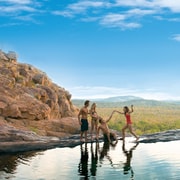
Kakadu National Park: Australia’s Ancient Wilderness
Kakadu National Park is the beating heart of Australia’s Top End — a vast, living landscape of waterfalls, wetlands, escarpments, and 65,000 years of continuous Aboriginal culture. Jointly managed by its Traditional Owners and Parks Australia, Kakadu covers nearly 20,000 square kilometres, making it the largest national park in Australia and a UNESCO World Heritage site for both its natural and cultural significance.
Getting There and Best Time to Visit
How to Get There
By car: About 150 km east of Darwin via the Arnhem Highway, around a 3-hour drive to the Bowali Visitor Centre near Jabiru.
By tour: Guided day or multi-day tours depart Darwin in the dry season, combining scenic highlights and cultural sites.
By air: Scenic flights from Darwin or Jabiru reveal wetlands, escarpments, and seasonal waterfalls.
When to Go
Dry season (May to October): Best for walking, swimming, and 4WD touring. Most roads open, steady waterfall flow.
Wet season (November to April): Green Season. Rains transform the park; wetlands teem with birdlife; dramatic storms are common.
Top Attractions in Kakadu
1. Ubirr Rock Art and Lookout
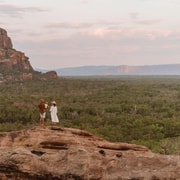
Some of the world’s best-preserved Aboriginal rock art. The top lookout surveys golden floodplains at sunset.
2. Nourlangie (Burrungkuy) Rock Art
Ancient shelters with vivid depictions of spirits, animals, and stories. Add the Anbangbang Billabong walk for mirrored escarpment views.
3. Jim Jim Falls and Twin Falls
Dry-season 4WD access to towering escarpment falls and crystal plunge pools. Rugged, rewarding, and iconic.
4. Yellow Water Billabong
Dawn or sunset cruises near Cooinda for crocodiles, magpie geese, and jabirus reflected on still water.
5. Gunlom Falls
Famous natural rock pools at the top with panoramic views across savannah country. Check access conditions before you go.
6. Bowali Visitor Centre (Jabiru)
Start here for maps, safety updates, cultural interpretation, and trip planning advice.
Culture and Indigenous Heritage
Kakadu is Aboriginal land, home to the Bininj (north) and Mungguy (south) peoples. Rock art, Dreaming stories, and living traditions connect people and Country. Join ranger-led cultural walks, art tours, and seasonal events, and always respect sacred sites and signage.
Wildlife and Landscapes
Wetlands: Yellow Water and Mamukala are premier birdwatching locations with hundreds of species.
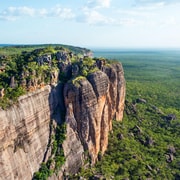
Escarpments: The Arnhem Land Plateau shelters wallabies, black cockatoos, and the shy rock python.
Rivers and billabongs: Freshwater and saltwater crocodiles occur. Obey crocodile safety signs at all times.
Savannah woodlands: Eucalypts, termite mounds, and cycads dominate the dry uplands.
Practical Tips and Safety
Park pass: Buy a Kakadu Park Pass online or at visitor centres.
Plan for distance: Kakadu is huge. Top up fuel early, carry extra water, check road reports.
Crocodile safety: Swim only where clearly signed safe. Many billabongs and rivers are off-limits.
4WD access: Jim Jim and Twin Falls are 4WD only in the dry. Hire a 4WD or join a tour if you lack experience.
Heat awareness: Start walks early. Rest in the middle of the day. Carry at least 2 L of water per person per hour on longer walks.
Kakadu FAQs
Do I need a 4WD to visit Kakadu?
Answer: Ubirr, Burrungkuy (Nourlangie), and Yellow Water are on sealed or graded roads, usually OK for 2WD. Jim Jim and Twin Falls require 4WD in the dry.
Can I swim in Kakadu?
Answer: Only in signed safe areas such as Gunlom upper pools or Maguk when open. Crocodiles are common elsewhere.
How long should I spend in Kakadu?
Answer: Two days for highlights; three to five days to include remote waterfalls and cultural tours.
When is the best time to visit?
Answer: May to October for access and hiking. November to April for dramatic storms, bursting wetlands, and fewer crowds.
Suggested 3-Day Kakadu Itinerary
Day 1 – Wetlands and Rock Art
Drive from Darwin via Fogg Dam or Adelaide River wetlands.
Visit Mamukala and Ubirr; sunset at Ubirr lookout.
Overnight in Jabiru or Cooinda.
Day 2 – Falls and Forests
Morning Yellow Water cruise.
Walk at Burrungkuy or around Anbangbang Billabong.
Optional 4WD to Maguk or Gunlom depending on conditions.
Day 3 – Culture and Return
Bowali Visitor Centre exhibits and trip planning.
Warradjan Cultural Centre near Cooinda.
Return to Darwin or continue toward Katherine.
Why Kakadu Belongs on Your Itinerary
Kakadu is a living story of Australia: ancient art, thunderous falls, crocodile-lined billabongs, and vast floodplains alive with birds. By 4WD, boat, or on foot, it connects you to the deep rhythms of the Top End.
Sponsored Popular Items
Quick take: Musement.com offers a worldwide selection of tours and attractions
Jabiru: Guided Flight over Kakadu National Park Australia Appreciate nature during this guided, fixed-wing flight over Kakadu National Park. Marvel at Kakadu's changing landscapes and dynamic ecosystems.
From Darwin: Kakadu National Park Day Tour with Cruise Australia Discover Kakadu National Park on a full day tour from Darwin. Admire stunning wildlife and lush floodplains, see ancient rock art, and enjoy an Aboriginal river cruise. Check current availability, inclusions and booking conditions.
Darwin: Sunset Kakadu National Park with Yellow Water Cruise Australia Discover Kakadu National Park on a sunset tour from Darwin featuring the award-winning Yellow Water River Cruise; witness stunning wildlife, birdlife, lush floodplains and ancient rock art Check current availability, inclusions and booking conditions.
Litchfield, Kakadu, Arnhem Land & Katherine Tour Australia Discover the Top End’s best on this 5-day adventure—explore Kakadu, Arnhem Land, Nitmiluk & Litchfield, hike waterfalls, cruise croc-filled waters, see ancient rock art & camp under the… Check current availability, inclusions and booking conditions.
Darwin: Kakadu & Nourlangie Day Trip Plus Billabong Cruise Australia Visit Kakadu National Park and see wildlife, rivers, and Aboriginal sites. Go to the Warradjan Cultural Centre to learn about the indigenous people. Check current availability, inclusions and booking conditions.
4-Day Kakadu, Katherine & Litchfield Camping Tour Australia Explore the Top End on this 4-day adventure through Kakadu, Katherine & Litchfield. Enjoy stunning landscapes, rock art, boat cruises & refreshing swims, all at a relaxed pace. Check current availability, inclusions and booking conditions.
From Darwin: Kakadu Wilderness Escape & Rock Art Day Tour Australia Explore the UNESCO World Heritage-listed Kakadu National Park on a thrilling day tour from Darwin—ancient rock art, wild crocs, rich First Nations culture & stunning landscapes await! Check current availability, inclusions and booking conditions.
From Darwin: 4-Day Kakadu, Katherine & Litchfield Explorer Australia Explore the stunning landscapes of Litchfield, Kakadu, and Nitmiluk National Parks and learn about the customs and traditions of the Aboriginal people of the Northern Coast. Check current availability, inclusions and booking conditions.
From Darwin: 3-Day Kakadu & Litchfield 4WD Camping Tour Australia Discover the wonders of Kakadu and Litchfield National Parks onboard a 4WD camp safari adventure tour. Enjoy 3 action-packed days of outback, nature, and culture-rich rock art sites in… Check current availability, inclusions and booking conditions.