<a href="https://go.skimresources.com?id=170858X1652328&xs=1&url=https%3A%2F%2Fwww.viator.com%2FsearchResults%2Fall%3Ftext%3DArt%2520Institute%2520of%2520Chicago" rel="sponsored nofollow noopener" target="_blank" class="rmsl-link" data-rmsl-keyword="Art Institute of Chicago">Art Institute of Chicago</a>: Your Complete Visitor’s Guide
Art Institute of Chicago: Your Complete Visitor’s Guide
Located in Grant Park on Michigan Avenue, the Art Institute of Chicago is one of the world’s premier art museums, home to an encyclopedic collection spanning millennia. From its iconic Impressionist paintings to contemporary galleries, this guide helps you get the most out of your visit.
Getting There & Opening Hours
How to Get There
The museum’s address is 111 South Michigan Avenue, Chicago, Illinois. :contentReference[oaicite:0]{index=0}
Public transit: nearest “L” stations include Adams/Wabash and Monroe/State; Metra & southshore lines stop at Van Buren Street. :contentReference[oaicite:1]{index=1}
Walking: it sits just west of Grant Park, near Millennium Park and major downtown attractions. :contentReference[oaicite:2]{index=2}
Hours & Best Times to Visit
Typical hours: 11 am to 5 pm on most days. :contentReference[oaicite:3]{index=3}
Thursdays often extend hours to 8 pm. :contentReference[oaicite:4]{index=4}
Closed on Tuesdays & Wednesdays (check ahead, especially for holidays or special exhibitions). :contentReference[oaicite:5]{index=5}
Avoid midday weekends if possible — crowds are lighter late afternoon or early opening. (General visitor advice) :contentReference[oaicite:6]{index=6}
Must-See Collections & Highlights
Impressionist & Post-Impressionist Masters
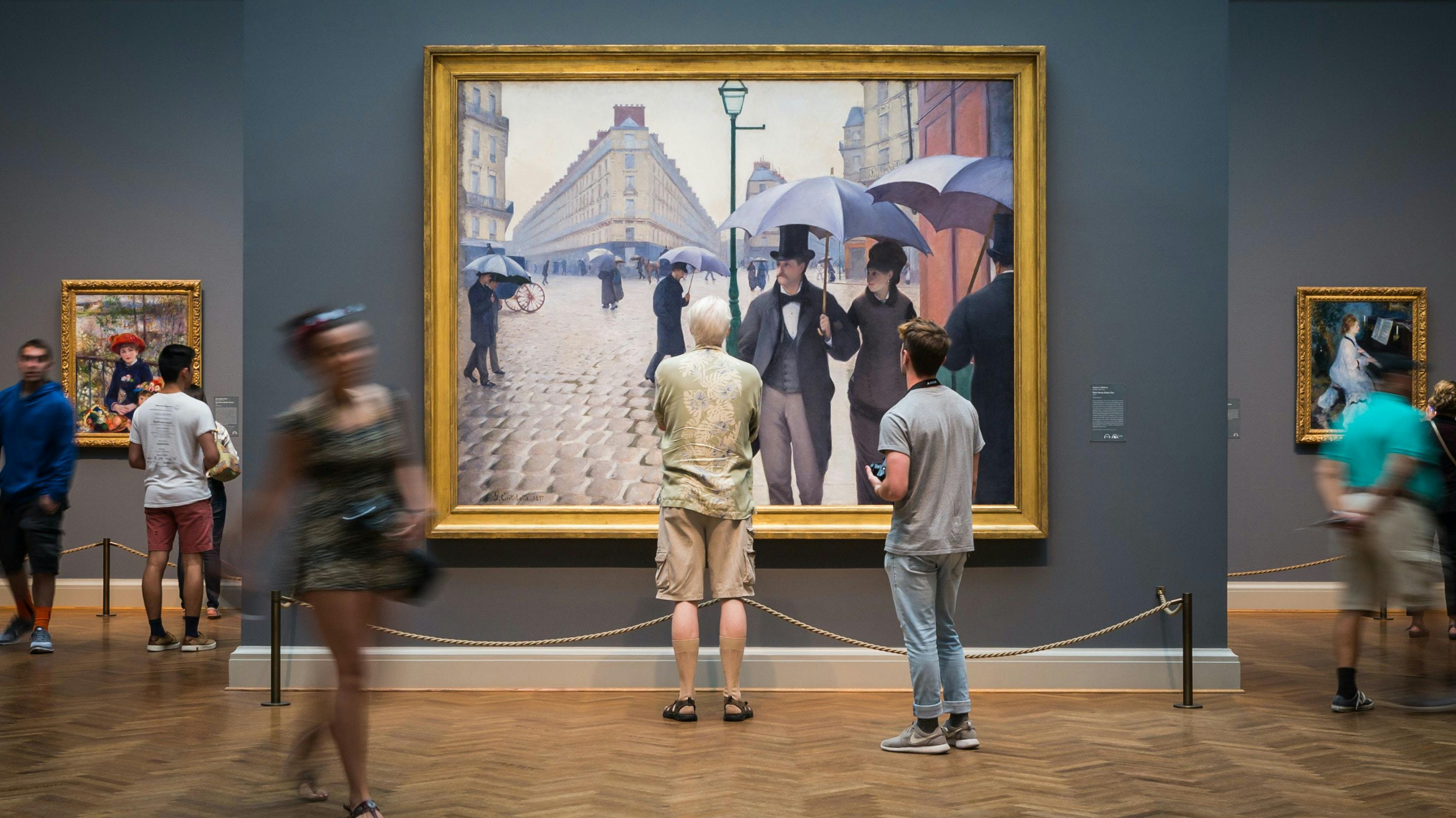
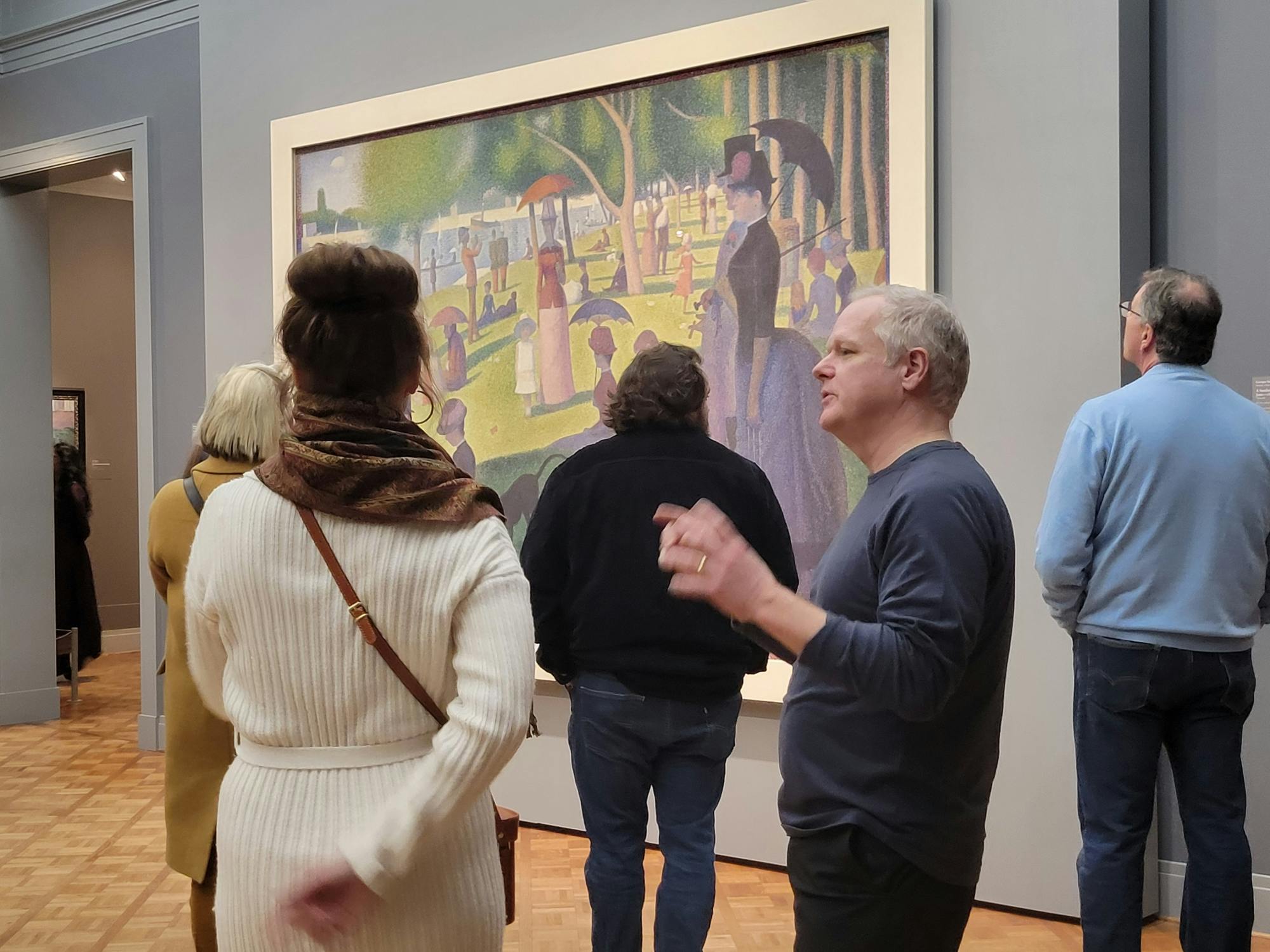
The museum’s Impressionist collection is world-class, with masterpieces by Monet, Renoir, Degas, Cézanne, and Seurat (including A Sunday on La Grande Jatte) :contentReference[oaicite:7]{index=7}
American Art & Icons
See works like Edward Hopper’s Nighthawks and Grant Wood’s American Gothic, which anchor the American art collection. :contentReference[oaicite:8]{index=8}
Modern & Contemporary, Architecture & Design
The Modern Wing, designed by Renzo Piano, opened in 2009 and houses 20th and 21st century art, design, photography, and architecture galleries. :contentReference[oaicite:9]{index=9}
The Nichols Bridgeway
Connecting the museum’s Modern Wing to Millennium Park, this pedestrian bridge offers pleasant views and is an architectural highlight in its own right. :contentReference[oaicite:10]{index=10}
Tips for Visitors & FAQs
How much time should I budget?
Answer: A solid 2–3 hours covers the highlights. If you’re deeply interested in certain collections (Impressionist, modern, architecture), plan to stay 4+ hours or return another day. :contentReference[oaicite:11]{index=11}
Should I buy tickets in advance?
Answer: Yes — buying tickets ahead helps skip lines. Some exhibitions may require timed-entry tickets. :contentReference[oaicite:12]{index=12}
Are there free or discounted admission options?
Answer: The museum offers free admission for certain groups (Illinois residents, Chicago teens, under-14) and has occasional free days. Check their official site before visiting. :contentReference[oaicite:13]{index=13}
Does the museum offer tours? Audio guides?
Answer: Yes — guided tours (free with admission) usually offered midday, and the museum app includes audio guides to many sections. :contentReference[oaicite:14]{index=14}
Is the museum accessible?
Answer: Yes. Elevators, ramps, and accessible routes are available. If you need special assistance, contact ahead. (Standard museum accessibility practice) :contentReference[oaicite:15]{index=15}
Suggested Itinerary Snippet Around the Museum
Start: Morning visit at the Art Institute.
Lunch: Museum café or nearby in the Loop.
Afternoon: Walk through Millennium Park (Cloud Gate, Crown Fountain) via Nichols Bridgeway. :contentReference[oaicite:16]{index=16}
Later: Explore Grant Park’s gardens, Buckingham Fountain, and the lakefront. :contentReference[oaicite:17]{index=17}
Why the Art Institute of Chicago Matters
The Art Institute is more than a museum — it’s a cultural anchor for Chicago and a gateway to visual histories from around the globe. Its architectural evolution (from Beaux-Arts to the Modern Wing), rich, layered collections, and placement next to urban green space make it uniquely immersive. For visitors, it’s both a place to marvel at masterworks and to see how art connects to city, landscape, and community.
Sponsored Popular Items
Quick take: Musement.com offers a worldwide selection of tours and attractions
Art Institute of Chicago Guided Tour - Guided Sightseeing Tour United States Book online the tickets and enjoy a captivating journey through the heart of creativity with a tour of the Art Institute. Check current availability, inclusions and booking details before you go.
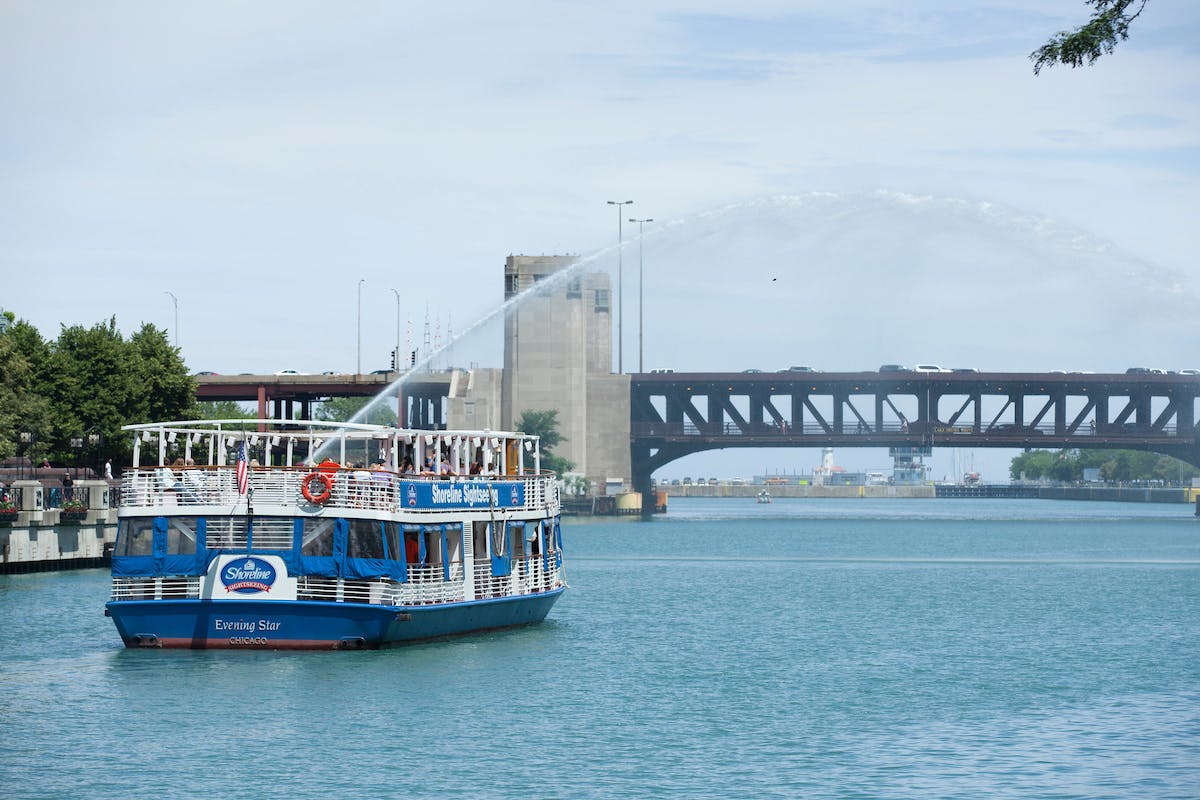
Architecture cruise in Spanish on the Chicago River from Michigan Ave United States Chicago Architecture Cruise in Spanish from Michigan Avenue See Chicago's celebrated riverfront architecture on a Spanish-language cruise departing from Michigan Avenue. Check current availability, inclusions and booking details before you go.
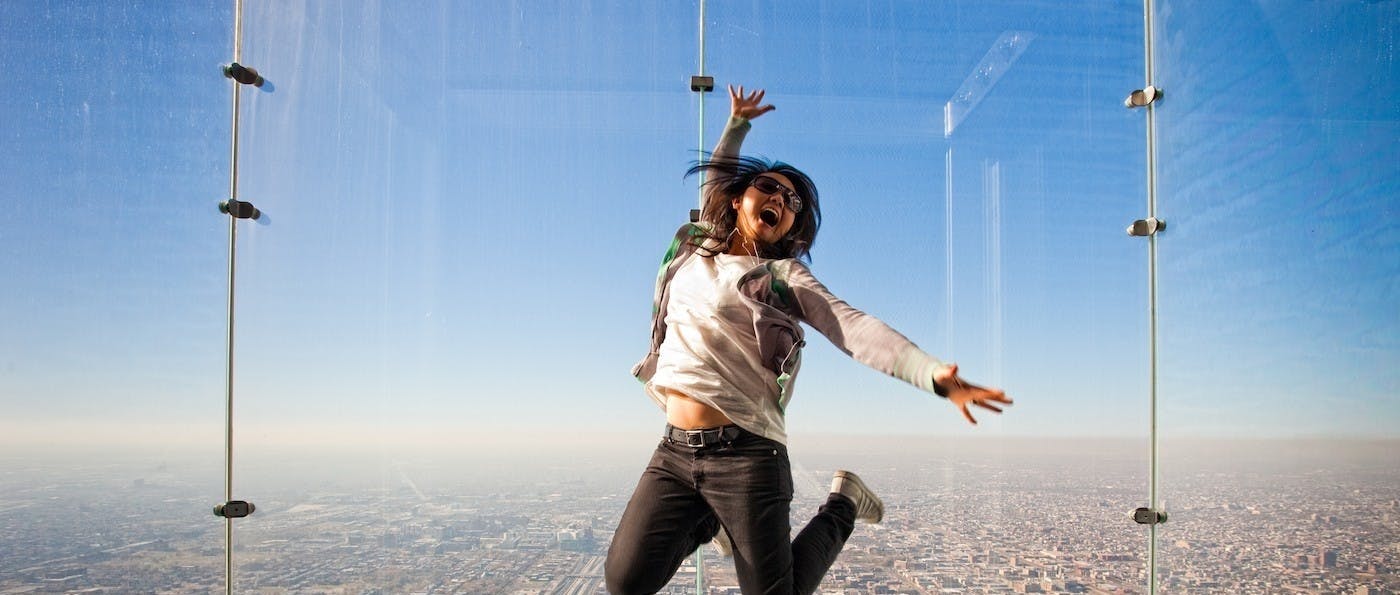
Willis Tower Skydeck Chicago Tickets United States Plan Willis Tower Skydeck Chicago Tickets, a ticket or attraction experience, with practical tips on timing, inclusions and what to check before booking. Compare current availability, prices and booking conditions before you go.
Chicago Loop District Food Tour with Tastings United States Plan Chicago Loop District Food Tour with Tastings, a food and drink experience, with practical tips on timing, inclusions and what to check before booking. Compare current availability, prices and booking conditions before you go.
River North Food Tour in Chicago United States Plan River North Food Tour in Chicago, a food and drink experience, with practical tips on timing, inclusions and what to check before booking. Compare current availability, prices and booking conditions before you go.
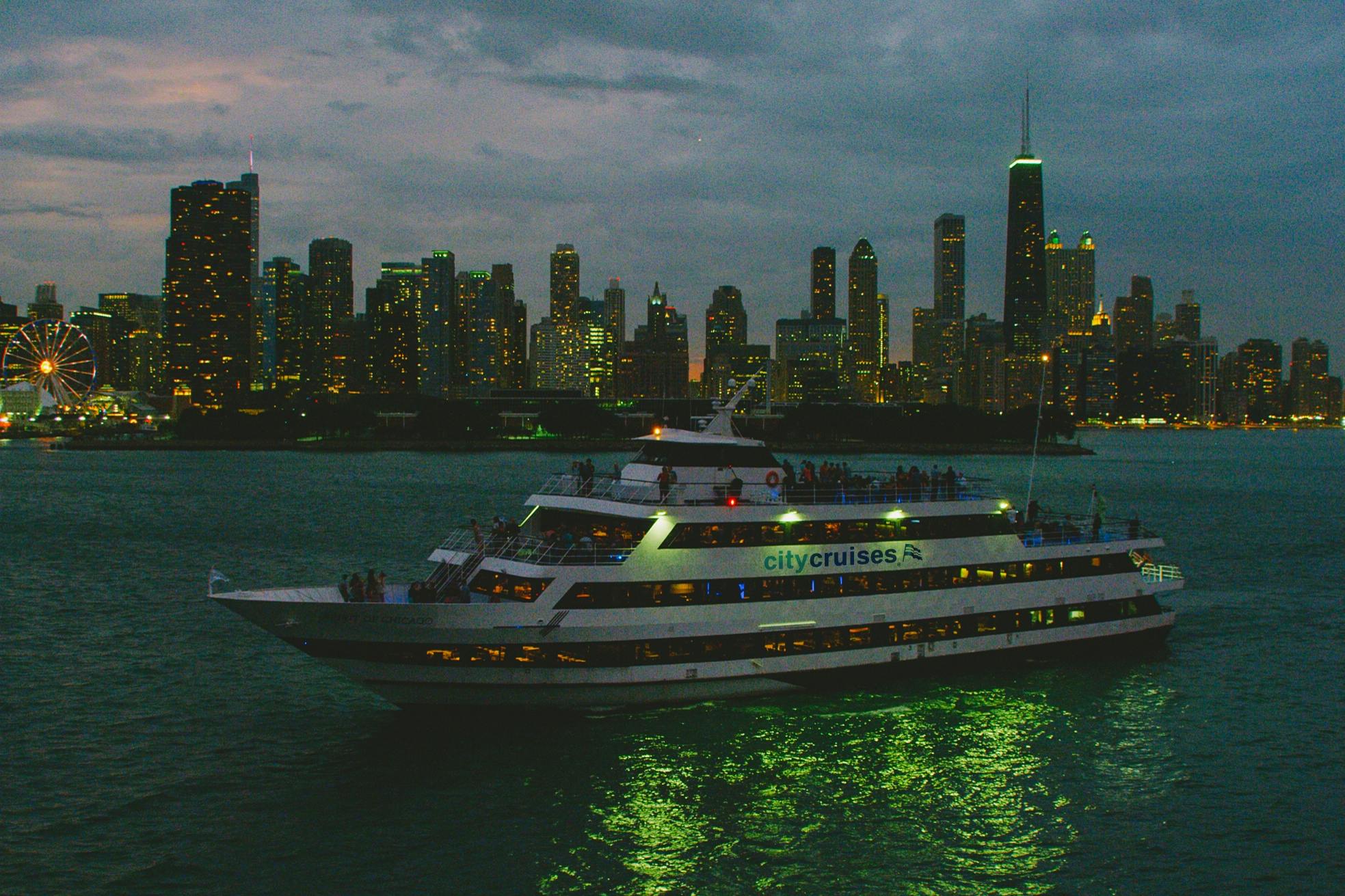
Spirit of Chicago dinner cruise United States Plan Spirit of Chicago dinner cruise, a food and drink experience, with practical tips on timing, inclusions and what to check before booking. Compare current availability, prices and booking conditions before you go.
Chicago City Centre Architecture Audio Walking Tour United States Chicago City Center Walking Audio Tour: Architecture, Riverwalk and Loop Landmarks supports independent exploration while still providing structured digital guidance. Check current availability, inclusions and booking details before you go.