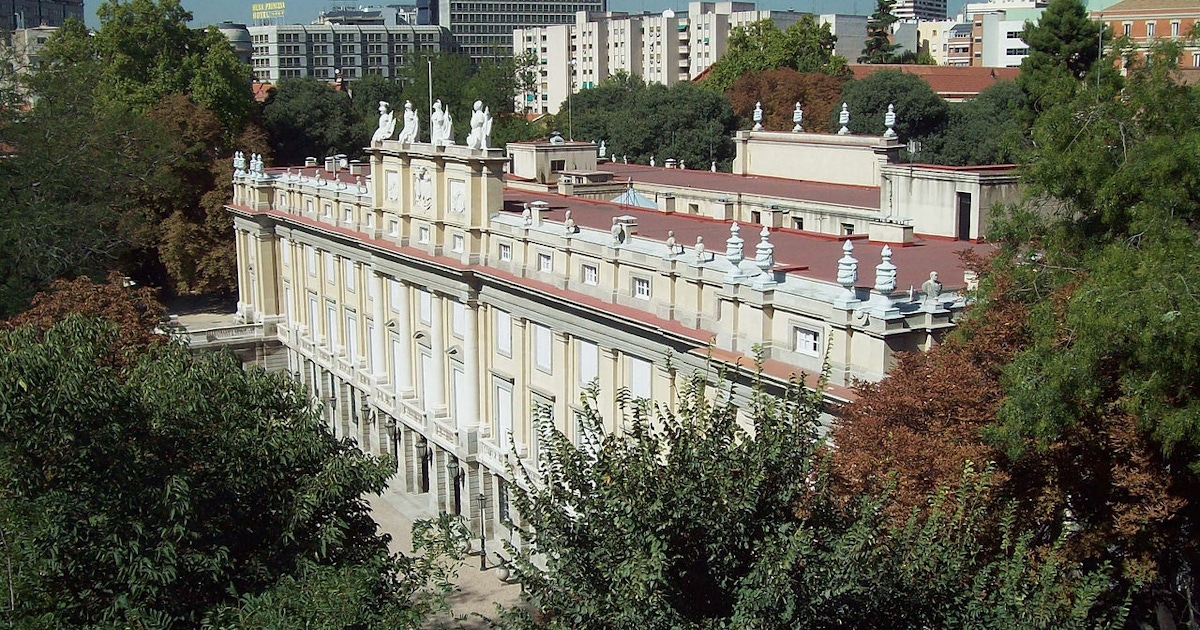

Tucked into the heart of Madrid lies one of Spain’s lesser-touristed but deeply rewarding cultural jewels: the Palacio de Liria (Liria Palace). For travelers seeking something beyond the usual museums and monuments, a visit here offers a rare peek into living aristocratic history, private art collections, and architectural revival.
Sponsored Popular Items
Quick take: Musement.com offers a worldwide selection of tours and attractions
Liria Palace Madrid – Historic Site Tickets & Tours Spain A listing may offer admission, a guided visit, transport, a combination package or premium access. Check current availability, inclusions and booking details before you go.
A palace with pedigree: history & context
The Liria Palace is the Madrid residence of the House of Alba—a noble lineage intertwined with Spanish history for centuries.
Its story begins in the late 18th century: the palace was commissioned by James Fitz-James Stuart, the 3rd Duke of Berwick (and Duke of Liria), and built circa 1767–1785 under the direction of Spanish neoclassical architect Ventura Rodríguez.
Over time, the palace passed to—and was incorporated into—the holdings of the House of Alba.
Tragically, during the Spanish Civil War, the interior (and much of its furnishings) were destroyed by fire; only the external walls mostly survived.
The reconstruction was a delicate and ambitious process. The 17th Duke of Alba, Jacobo Fitz-James Stuart, led the effort, enlisting designs from the British architect Sir Edwin Lutyens (though he died before fully seeing the result) and completed under Spanish architect Manuel Cabanyes.
Later, the 18th Duchess of Alba (Cayetana Fitz-James Stuart) contributed substantially to the restoration, redecorating and re-enriching its collections.
In 2019, the palace opened its doors more regularly to the public, allowing guided visits of certain rooms.
What results is a fascinating layering of old and new: a building that has been reborn, lived in, curated, and preserved—still partly inhabited by the current 19th Duke of Alba and his brother.
What to see: Art, architecture & treasures
Because it remains a private residence, not every room is open to the public. But the rooms you can visit are rich with artistry, history, and curiosities. T
Here are highlights not to miss:
Feature / Room
What Makes It Special
Main Hall / Entry
The visit often begins here, with a brief audiovisual introduction to the Alba lineage and the palace’s history.
Grand Staircase
A dramatic marble staircase, redesigned in the restoration, linking rooms and punctuated by sculptures, busts, and architectural flourishes.
Portrait Salons
Several rooms display portraits of Alba family members, often by major artists, and rich tapestries, period furniture, decorative objects, and historical memorabilia.
Goya Room / Portraits
One highlight is the Goya painting “The Duchess of Alba,” connecting the family to Spain’s artistic pantheon.
Library & Archive Room
Among the palace’s crown jewels: the library holds thousands of volumes and manuscripts, including a 1st edition of Don Quixote, letters from Christopher Columbus, royal documents, and the “Alba Bible.”
Gardens & Exterior
The gardens combine formal French and English‐style landscaping. Originally, they were designed by Ventura Rodríguez; later they were modified by landscapers such as Jean Claude Nicolas Forestier. Recently, parts of the gardens (especially in summer) are open to visitors.
Especially for art lovers, the collection reads like a “mini Prado”: works by Goya, Velázquez, Titian, Rubens, Murillo, Zurbarán, and many others grace the walls.
Planning your visit: tips & logistics
If you’re thinking of including Liria Palace on your Madrid itinerary, here are some practical tips to make the most of it:
Location & access
Address: Calle de la Princesa, 20, 28008 Madrid
It’s relatively central, about a 10-minute walk from Gran Vía, making it accessible in between other city highlights.
Opening hours & tickets
The palace is generally open Monday 10:00–15:00, and Tuesday to Sunday 10:00–20:00 (last entry around 18:30)
Tickets must often be booked in advance. Tours are typically audioguided or guided, in groups, and only a subset of rooms are open to the public.
Visitors cannot bring backpacks, umbrellas, large bags, or other items that might threaten the art. A free storage/locker service is provided.
Duration & best approach
Expect to spend about 60 to 90 minutes exploring the open rooms.
Because the palace is still inhabited, only the ground and first floors (and specific rooms) are accessible.
Photography inside is generally not allowed, so plan to enjoy the art and interiors in person.
Why include Liria Palace in your Madrid itinerary
A “behind-the-scenes” aristocratic experience — unlike many stately homes, Liria remains a lived-in palace, offering a blend of private and public experience.
Rich art and archival treasures — the works, historic manuscripts, and documents elevate the visit from mere decoration to real cultural insight.
Architectural revival story — the rebuilding after war damage is itself a narrative of resilience and heritage conservation.
Quieter & more intimate than the city’s big draws — for travelers who have seen the Prado, the Royal Palace, and Retiro, Liria offers more contemplative, less crowded immersion.
A note on recent developments
In 2025, Liria Palace is hosting “Flamboyant”, a contemporary art exhibition by Portuguese artist Joana Vasconcelos, which brings oversized sculptural works into dialogue with the historic interiors. This is a rare moment when the palace opens even more of its spaces for cultural interaction between classical heritage and modern expression.
Sponsored Popular Items
Quick take: Musement.com offers a worldwide selection of tours and attractions
Liria Palace Madrid – Historic Site Tickets & Tours Spain A listing may offer admission, a guided visit, transport, a combination package or premium access. Check current availability, inclusions and booking details before you go.
Skip-the-line tickets to Liria Palace with audio guide Spain Plan Skip-the-line tickets to Liria Palace with audio guide, a ticket or attraction experience, with practical tips on timing, inclusions and what to check before booking. Compare current availability, prices and booking conditions before you go.
Buenos Aires guided tour with Palacio Barolo visit – Guided Sightseeing Argentina Buenos Aires guided tour with Palacio Barolo visit brings several elements of the destination together in one organised experience. Check current availability, inclusions and booking details before you go.
Pub Crawl Walking Tour Through the Heart of Irelands Capital Best deals for Pub Crawl Walking Tour Through the Heart of Irelands Capital. Discover the rich history of Dublin with a local guide on a historical tour. Learn about the city's past through entertaining anecdotes and see the city's most famous landmarks and hidden gems. Available from getyourguide.com.
Heart of Tokyo: Temples, Towers & True Japan — Private Tour Best deals for Heart of Tokyo: Temples, Towers & True Japan — Private Tour. Wander through Tokyo’s beautiful contrast — serene shrines beside gleaming towers and charming streets, then savor fresh takoyaki, rich ramen, and sweet coin pancakes along the way. Available from getyourguide.com.
Free day in Jeonju, heart of traditional Korea, with a French guide Best deals for Free day in Jeonju, heart of traditional Korea, with a French guide. Visit Jeonju and its surroundings, the heart of traditional Korea, at your own pace, with a Frenchman who has lived in Korea for 15 years. A day like no other, because it's just like you. Available from getyourguide.com.
Walk the Heart of Auckland: A Queen Street Discovery Tour New Zealand Walk from Queen Street to Viaduct Harbour with a local guide and uncover how trade, banking, shipping, and ambition. Hear captivating stories of merchants, fortunes, and empire
Manila Tuktuk: Explore the Heart of Manila Philippines Hop on a tuktuk or iconic jeepney to experience Manila's vibrant streets. Discover local culture up close as you zoom past historic sites, lively markets, and hidden gems on this fun, authentic city adventure