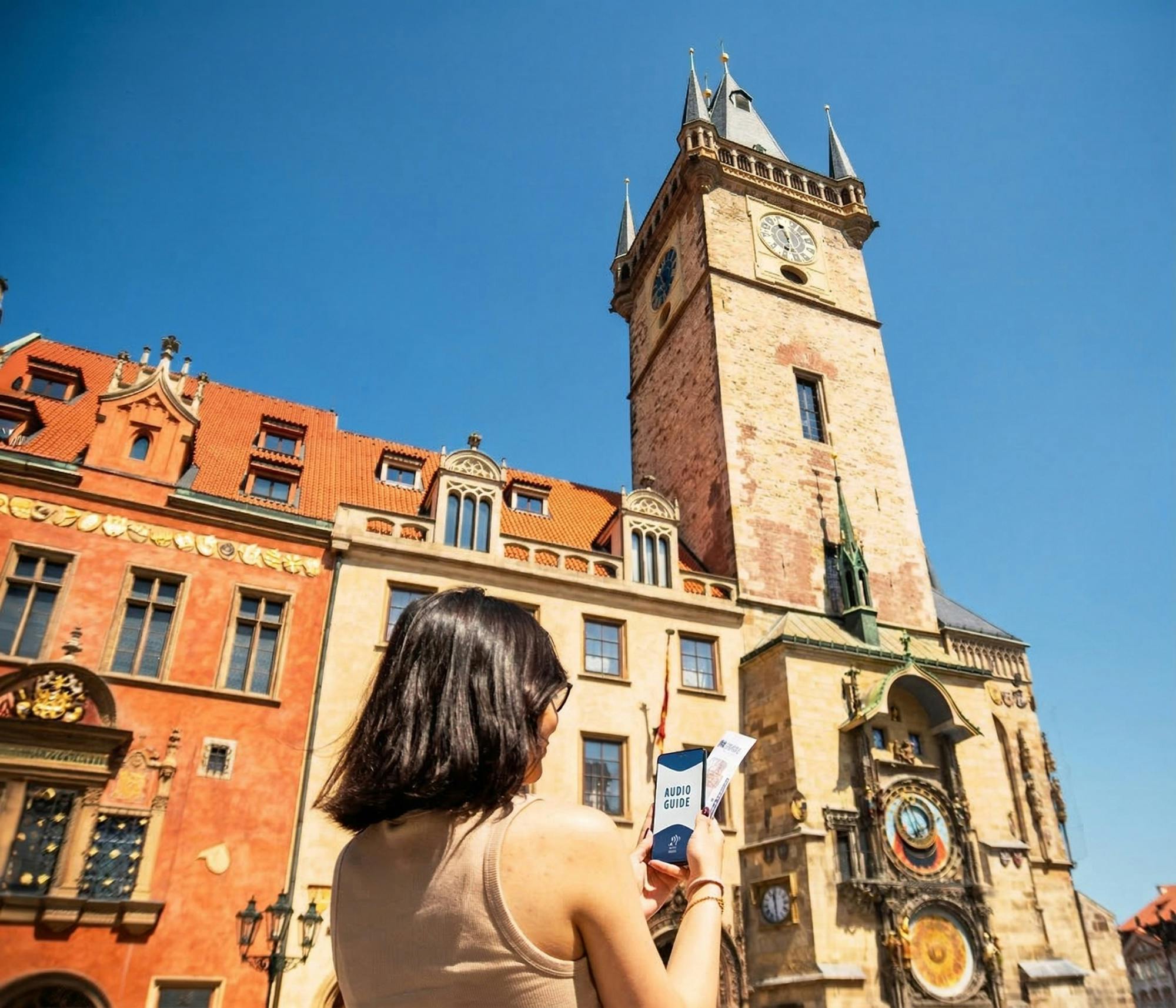
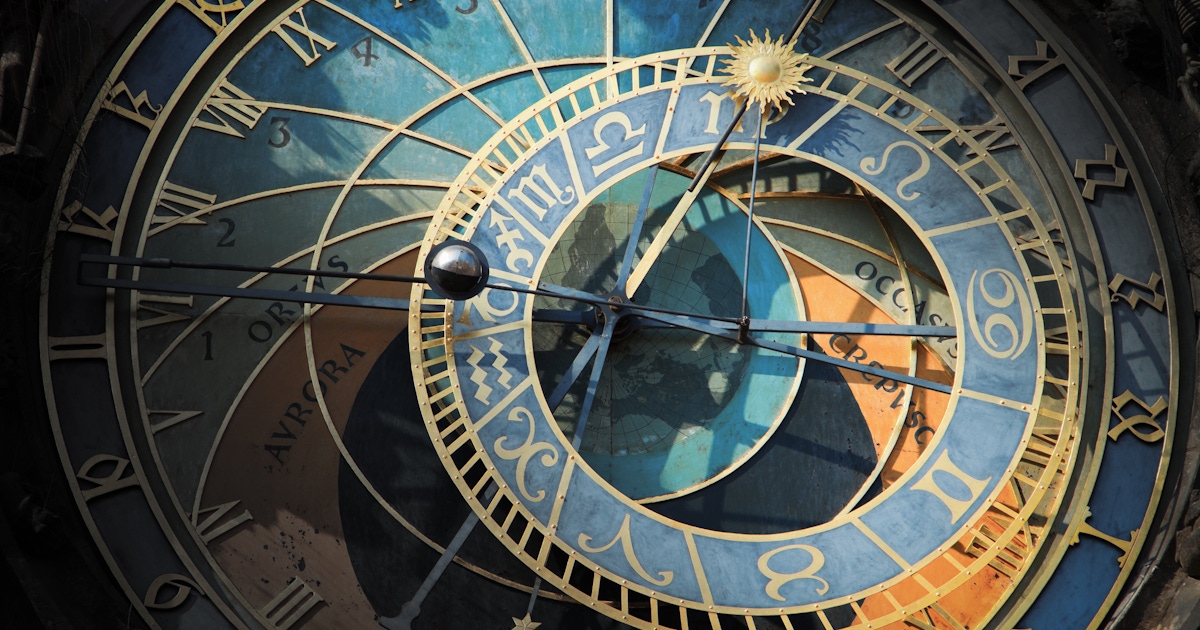
The Prague Astronomical Clock, also known as the Orloj, is a medieval astronomical clock mounted on the southern wall of the Old Town Hall in Prague’s Old Town Square. Installed in 1410 by clockmaker Mikuláš of Kadaň and astronomer Jan Šindel, it is the third-oldest astronomical clock in the world and the oldest still in operation.
Sponsored Popular Items
Quick take: Musement.com offers a worldwide selection of tours and attractions
Prague astronomical Clock Tower ticket and optional audioguide Czech Republic Prague astronomical Clock Tower ticket and optional audioguide supports independent exploration with structured digital guidance. Check current availability, inclusions and booking details before you go.
The clock features two main dials: an astronomical dial that shows the position of the sun and moon in the sky along with other astronomical details, and a calendar dial added around 1490 that displays the day, month, and feast days with zodiac signs. The clock also has animated figures, including the procession of the Twelve Apostles which occurs hourly between 9 a.m. and 11 p.m., and symbolic statues representing fears of the medieval citizens like Death, Vanity, and Greed.
The clock has a rich history of repairs and restorations, especially after damage during World War II. Its intricate Gothic design and mechanical ingenuity make it a symbol of Prague’s cultural heritage and a major tourist attraction. Visitors can also climb the clock tower for panoramic views of Old Town Square and see the inner workings of this 600-year-old marvel.
Overall, the Prague Astronomical Clock is not just a timepiece but a fascinating display of medieval science, craftsmanship, and art that continues to captivate visitors worldwide
Best times to watch the hourly procession at the Orloj
The best times to watch the hourly procession of the Twelve Apostles at the Prague Astronomical Clock (Orloj) are from 9:00 a.m. to 11:00 p.m., when the clock comes to life on the hour. To avoid the largest crowds, it is recommended to arrive early in the morning, just before 9:00 a.m., when the area is less congested and visitors can enjoy a clearer view of the spectacle. Early visits also offer better opportunities for photography without heavy crowds.
The procession lasts about one minute, featuring the Apostles passing in the windows above the clock face, followed by the crowing of a golden rooster and ringing of bells. Since this is a very popular attraction, expect sizable crowds throughout the day, with peak times typically mid-morning to early evening. Visiting just before the hour and during off-peak hours enhances the viewing experience
Sponsored Popular Items
Quick take: Musement.com offers a worldwide selection of tours and attractions
Prague astronomical Clock Tower ticket and optional audioguide Czech Republic Prague astronomical Clock Tower ticket and optional audioguide supports independent exploration with structured digital guidance. Check current availability, inclusions and booking details before you go.
Prague Astronomical Clock Tickets & Guided Tours Czech Republic Compare sightseeing experiences in Prague Astronomical Clock Tickets & Guided, with practical tips on timing, inclusions and choosing the right option. Check current availability, prices and booking conditions before you go.