Planning a trip to Taiwan? This guide covers what to see and do, how to get around, where to stay, and the best bookable tours to make the most of your time.
Taiwan is one of Asia’s easiest countries to explore thanks to its efficient transport system. Trains and buses both cover the island extensively, but which option is best for your trip? Here’s a breakdown of the pros and cons of travelling Taiwan by train vs bus, plus insider tips to help you decide.
Sponsored Popular Items
Quick take: Musement.com offers a worldwide selection of tours and attractions
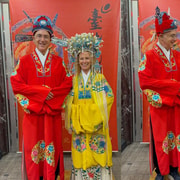
Taiwan Taipei: Quick Photoshoot with Taiwan Photographer Taiwan Best deals for Taiwan Taipei: Quick Photoshoot with Taiwan Photographer. Welcome to Taipei Taiwan! Say goodbye to selfies, I will be your personal photographer. Let me show you the beauty of Taipei, and capture the best of you! Check my IG: mason.taiwan.photographer Available from getyourguide.com.
🚆 Travelling by Train in Taiwan
Taiwan’s railway system is modern, comfortable, and connects major cities and scenic areas. There are two main types:
HSR (High Speed Rail) – Runs along the west coast from Taipei to Kaohsiung in under 2 hours.
TRA (Taiwan Railways Administration) – Covers the entire island, including the scenic east coast and rural areas.
✅ Pros of Train Travel
Speed: HSR makes long-distance travel fast and efficient.
Comfort: Spacious seats, air-conditioning, restrooms, and food carts on most trains.
Scenic views: TRA lines, especially on the east coast (Hualien–Taitung), offer breathtaking ocean and mountain scenery.
Punctuality: Trains almost always run on time.
Ease of booking: Tickets available online, at stations, or via apps.
❌ Cons of Train Travel
Limited coverage inland: Mountainous and rural areas are not directly served.
Reservations needed: Popular routes (e.g., HSR weekends, Taroko Express) can sell out quickly.
Higher cost: HSR is pricier than buses for the same route.
💡 Insider Tip: Book HSR tickets 5–28 days in advance for up to 35% discounts.
🚌 Travelling by Bus in Taiwan
Taiwan’s intercity and regional bus system is extensive and affordable, reaching towns, mountains, and attractions trains can’t. Operators like Ubus, Kuo-Kuang, Ho-Hsin, and Aloha run frequent services.
✅ Pros of Bus Travel
Wider coverage: Buses reach places like Alishan, Sun Moon Lake, and Kenting directly.
Cost-effective: Usually cheaper than trains for the same journey.
Flexible schedules: Frequent departures, especially between big cities.
Direct access: Often drop you closer to tourist spots than train stations.
❌ Cons of Bus Travel
Traffic delays: Highways can get congested, especially on weekends and holidays.
Less comfort: Narrower seats than trains; restrooms usually not onboard.
Longer journey times: Taipei → Kaohsiung by bus takes 5–6 hrs vs. 1.5 hrs by HSR.
Language barriers: English signage is improving but less consistent outside major hubs.
💡 Insider Tip: Overnight buses can save you a night’s accommodation if travelling long distances.
🔍 Train vs Bus: Quick Comparison
Factor
Train 🚆
Bus 🚌
Speed
Fast (HSR) / Moderate (TRA)
Slower, traffic-dependent
Comfort
Spacious seats, restrooms, stable ride
Variable, fewer amenities
Coverage
Excellent on west/east coast, limited in mountains
Taiwan Taipei: Quick Photoshoot with Taiwan Photographer Taiwan Best deals for Taiwan Taipei: Quick Photoshoot with Taiwan Photographer. Welcome to Taipei Taiwan! Say goodbye to selfies, I will be your personal photographer. Let me show you the beauty of Taipei, and capture the best of you! Check my IG: mason.taiwan.photographer Available from getyourguide.com.
Taiwan Taipei: Half-day VIP Photoshoot Taiwan Photographer Taiwan Best deals for Taiwan Taipei: Half-day VIP Photoshoot Taiwan Photographer. Wanna try local way to travel? Don't worry about the travel plan. Let me choose the iconic spots and hidden gems for you while capturing the best of you! Check my IG: mason.taipei.photographer Available from getyourguide.com.
Taiwan Tainan: Photoshoot with Taiwan Photographer Taiwan Best deals for Taiwan Tainan: Photoshoot with Taiwan Photographer. Welcome to Tainan Taiwan! Say goodbye to selfies, I will be your personal photographer. Let me show you the beauty of Tainan, and capture the best of you! Check my IG: mason.taipei.photographer Available from getyourguide.com.
Wonderful Taiwan: A Six-Day Round-the-Island Trip Taiwan Best deals for Wonderful Taiwan: A Six-Day Round-the-Island Trip. Explore Taiwan on a 6-day round-island tour from Taipei. Visit Sun Moon Lake, Alishan, Kenting, and more. Enjoy scenic views, cultural experiences, and vibrant night markets. Available from getyourguide.com.
Vintage Taipei - Best of Taiwan and Sunset Walking Tour Taiwan Best deals for Vintage Taipei - Best of Taiwan and Sunset Walking Tour. Immerse yourself in Taipei’s historic prosperity. Visit iconic temples, explore a hidden district, uncover the secrets of Chinese medicine and local products, and enjoy the sunset with local beer. Available from getyourguide.com.
Taiwan Nature & Culture: Shifen, Jiufen & TaipeiEYE Day Tour Taiwan Best deals for Taiwan Nature & Culture: Shifen, Jiufen & TaipeiEYE Day Tour. Discover Taiwan on a day trip from Taipei. Visit Shifen Old Street, explore Jiufen Village, and enjoy a traditional TaipeiEYE cultural performance. Available from getyourguide.com.
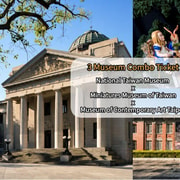
Taiwan Museum, MOCA Taipei & Miniatures Museum Entry Tickets Taiwan Best deals for Taiwan Museum, MOCA Taipei & Miniatures Museum Entry Tickets. Explore Taipei’s rich culture with National Taiwan Museum, MOCA Taipei, and Miniatures Museum of Taiwan. It's a blend of history, art, and fun for kids, all easily reachable by Taipei Metro. Available from getyourguide.com.
Taipei: Taiwan Traditional Breakfast & Market & Tea Tasting Taiwan Best deals for Taipei: Taiwan Traditional Breakfast & Market & Tea Tasting. Step into Taipei’s breakfast scene where locals queue daily for iconic eats, from a traditional market to a tea shop. With our No Hunger Guarantee, you’ll leave full and happy. Available from getyourguide.com.
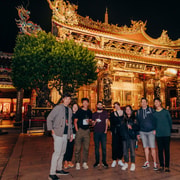
Taipei's Origin & Longshan Temple - Taiwan Cultural Tour Taiwan Best deals for Taipei's Origin & Longshan Temple - Taiwan Cultural Tour. The tip-based cultural tour uncovers the essence of Taiwanese culture at Taipei's origin and Longshan Temple. Dive into the captivating tales of our folk gods, stories, and the true Taiwanese way of life. Available from getyourguide.com.